
Well Services for Navajo Avocado Groves
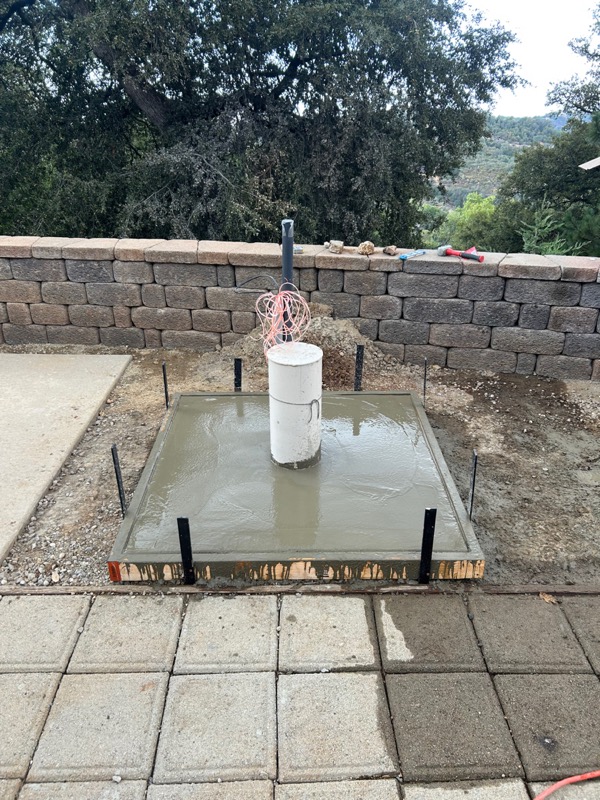
Growing avocados in Navajo? These water-loving trees need reliable, high-quality well water for healthy production. Southern California Well Service supports San Diego County avocado growers with specialized well services.
📋 In This Guide
- Avocado Water Demands
- Well Systems for Avocado Groves
- Chloride Sensitivity
- Partnering with Navajo Avocado Growers
- Related Articles
Avocado Water Demands
Avocados are thirsty trees:
- Mature tree: 40-70 gallons per day in summer
- Per acre: 4-6 acre-feet per year
- Critical periods: Fruit set and sizing
A reliable well is essential for profitable avocado production in San Diego County.
Well Systems for Avocado Groves
- High-capacity agricultural wells
- Storage tanks for peak demand periods
- Drip irrigation systems for efficiency
- Micro-sprinklers for young trees
- Pressure regulation for uniform coverage
Chloride Sensitivity
Avocados are highly sensitive to chloride in irrigation water. If your Navajo well has elevated chloride:
- Blending with lower-chloride water source
- Leaching irrigation to flush salts
- Rootstock selection for salt tolerance
- Regular soil and leaf testing
We test well water for avocado-critical parameters.
Partnering with Navajo Avocado Growers
Avocados are a major crop in San Diego County, and reliable water is essential for success. Contact us for well services designed for avocado production.
Need Help With Your Well in Navajo?
Our expert technicians serve Navajo and all of San Diego County with professional well services.
Related Articles
Continue learning about well maintenance and troubleshooting

Signs Your Well Pump Is Failing
Catch pump problems early before you lose water completely.
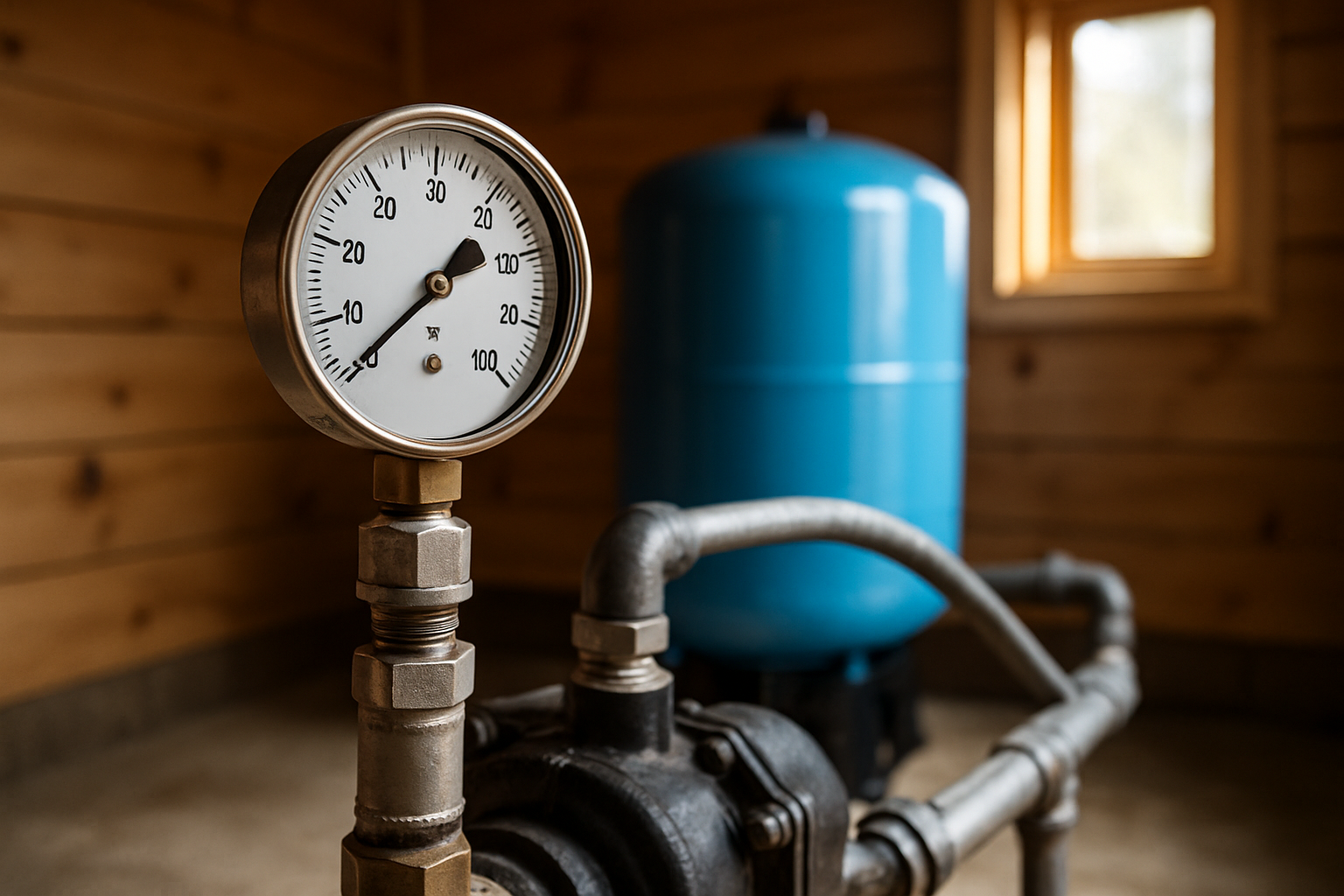
Low Water Pressure From Well
Diagnose and fix pressure problems before they get worse.
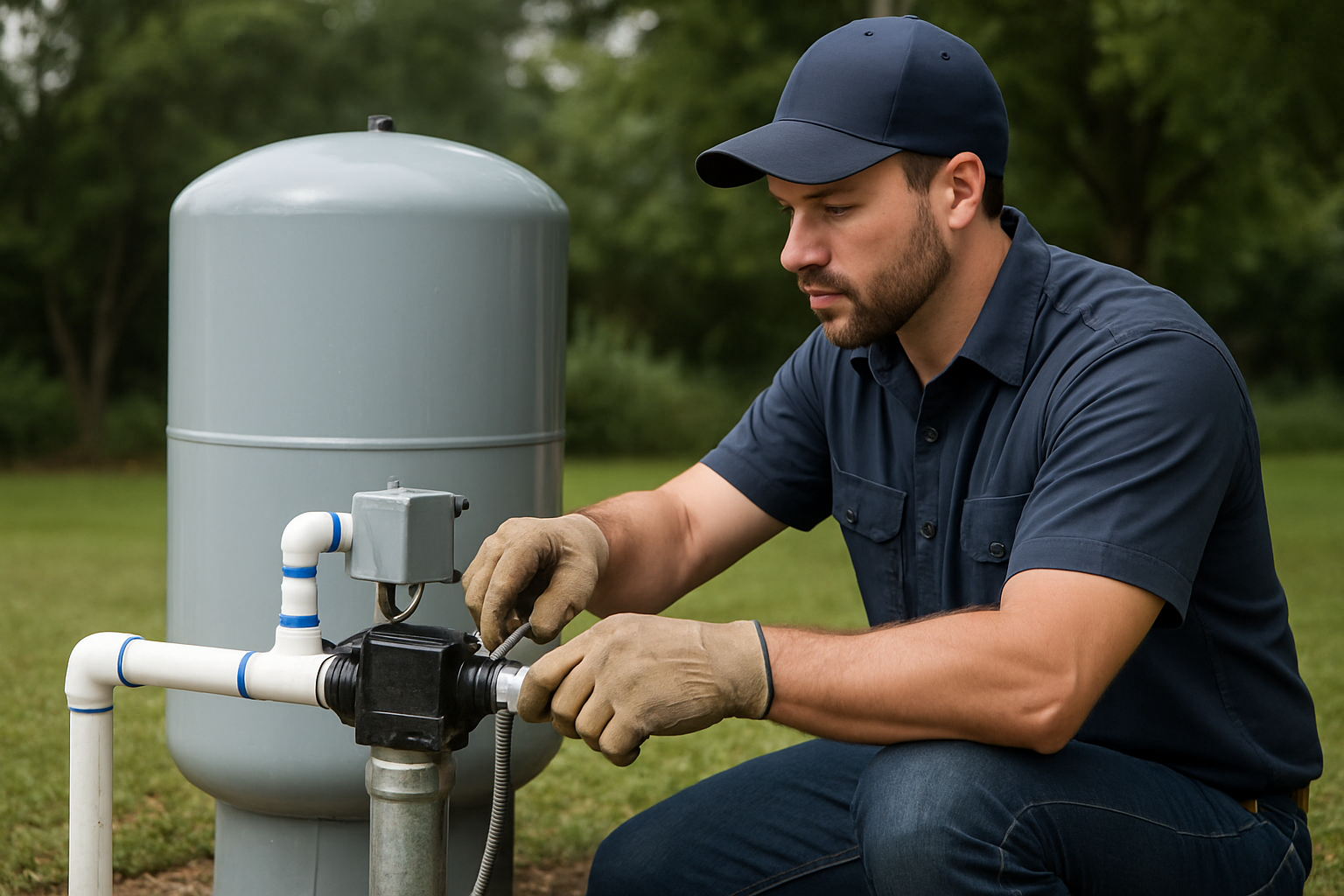
Well Maintenance Guide
Keep your well running smoothly with regular maintenance.
Our Locations
1077 Main St, Ramona, CA 92065
57174 CA-371 (US Hwy 79), Anza, CA 92539
Well Water for Avocado Groves Near Navajo and Across San Diego County
Navajo is one of the hilly mesa communities of eastern San Diego, tucked between San Carlos, Del Cerro, Allied Gardens, and Grantville, with Cowles Mountain and Mission Trails Regional Park rising just to the east and Lake Murray anchoring the south. While the homes along these ridgelines are firmly urban, the terrain itself — East San Diego mesas dropping toward the San Diego River valley — is the same decomposed-granite and fractured-crystalline country that defines the agricultural backcountry beyond. Drive a short way inland to Ramona, Valley Center, Pauma Valley, Bonsall, Escondido, or Fallbrook and you enter the heart of California avocado country, where private wells, not municipal mains, keep the groves alive.
Southern California Well Service works throughout this region. We are a licensed C-57 water well contractor (CSLB #1086994) with more than 30 years of experience and offices in Ramona and Anza. If you own or manage an avocado grove on well water anywhere from the Navajo area out into the San Diego County backcountry, this guide explains how a well system supplies a grove, why avocados are unusually fussy about water quality, and what to do when production starts to slip.
How a Well System Keeps an Avocado Grove Watered
Avocados are thirsty and unforgiving. A mature tree in a San Diego summer can use 40 to 70 gallons a day, and a grove typically needs on the order of 3 to 5 acre-feet of water per acre each year. Because the trees have shallow, sensitive root systems, they want frequent, even moisture — not the boom-and-bust cycle a marginal well delivers. A grove irrigation system therefore has four parts that all have to work together.
- The well and casing. In the granite backcountry that San Diego County growers rely on, domestic and agricultural wells commonly run 200 to 600 feet deep. Yield in fractured crystalline rock can be highly variable from one parcel to the next, which is why an honest yield test matters before you size anything else.
- The pump. A submersible pump is sized to the grove's peak demand and the well's depth and recovery rate. Oversize it and you draw the well down and pump sand; undersize it and you cannot keep up during fruit set in late spring.
- Storage and pressure. Because many backcountry wells cannot match an avocado grove's instantaneous demand, growers buffer the well with a storage tank, then re-pressurize from the tank with a booster or constant-pressure system. This lets a modest well irrigate a larger block.
- The irrigation network. Micro-sprinklers and drip lines deliver water slowly and evenly to the root zone. Uniform pressure across the block is what prevents some trees from drowning while others go dry.
Water Quality: Why Avocados Are So Sensitive to Salt and Chloride
Avocado is among the most salt-sensitive of all commercial tree crops, and chloride is the single ion that growers watch most closely. Published research puts avocado's salinity threshold at roughly 0.57 dS/m — one of the lowest of any crop — with yield falling steeply once water quality exceeds it. Practically, irrigation water with chloride above about 100 ppm begins to cause trouble, and studies have measured yield declines on the order of 10 to 12 percent for every additional 35 ppm of chloride. The classic symptom is leaf-tip and leaf-margin burn, which shows up first on the oldest leaves and worsens through a dry summer.
That sensitivity is exactly why a grower cannot treat avocado water like ordinary household water. Several parameters deserve attention.
- Chloride and total salinity (EC). The headline numbers for avocado. Elevated chloride or sodium accumulates in the root zone and scorches foliage. Lower-chloride water, blending, and leaching all help.
- Sodium and SAR. High sodium relative to calcium and magnesium degrades soil structure and compounds the salinity stress on the tree.
- Hardness (calcium and magnesium). Hard water is common in granite-derived groundwater. It scales pumps, drip emitters, and micro-sprinklers, slowly choking an irrigation system.
- Iron and manganese. These stain, feed bacterial slime, and plug emitters — a frequent cause of uneven coverage in older grove systems.
The only way to know where your water stands is to test it. We pull samples and interpret them against avocado-specific thresholds rather than generic drinking-water limits, so you get advice that reflects how the trees actually respond.
Common Grove-Water Problems We See in the San Diego Backcountry
After three decades in this terrain, the patterns are familiar. Most grove-water complaints trace back to one of these causes.
- Creeping salinity during drought. When rainfall is short and growers lean harder on the well, salts concentrate in the root zone and chloride symptoms appear. Without a leaching strategy, yield and fruit size both suffer.
- Declining well yield. Fractured-rock wells lose productivity as fractures silt up or the static level drops in dry years. A grove that was comfortable five years ago can suddenly run the tank dry at mid-afternoon.
- Pump and pressure failures. Hard-water scale and sand wear pumps out early. A failing pump shows up as low pressure at the far end of the block, short-cycling, or a tank that never quite recovers.
- Plugged emitters. Iron, manganese, hardness scale, and bacterial slime clog drip and micro-sprinkler outlets, creating dry trees and overwatered trees in the same row.
- Mismatched system. A well, pump, tank, and irrigation block that were never sized to work together — often the result of a grove expanding past what the original well could support.
What to Check Before You Call
A few observations help you — and us — pinpoint the problem faster.
- Watch the pressure gauge. Note where pressure sits when the pump kicks on and off, and whether it holds steady during a full irrigation cycle.
- Look at the leaves. Tip and margin burn that worsens through summer points toward chloride or salinity, not simply heat.
- Check coverage uniformity. Walk the block during a cycle. Dry trees at the end of a line usually mean pressure loss, a failing pump, or plugged emitters.
- Listen and look at the tank. Rapid on-off cycling or a waterlogged pressure tank signals a tank or switch problem.
- Track recovery. If the storage tank cannot refill overnight, the well's yield may be falling.
When to Call a Professional
Some things are worth a homeowner's attention; grove water generally is not a do-it-yourself project. Call a licensed well contractor when you see persistent leaf burn, when the storage tank stops keeping up, when pressure drops across the block, or before you expand a grove onto an existing well. Pump pulling, well rehabilitation, and any work inside the casing call for proper equipment and a C-57 license. Trying to nurse a failing system through fruit-sizing season is how growers lose a year's crop.
Realistic Cost Ranges
Every grove is different, but these ranges reflect typical San Diego County work and help you budget before we visit.
- Submersible pump replacement: $2,500–$5,500
- Pressure switch: $150–$350
- Pressure tank: $600–$1,500
- Sediment filtration: $300–$900
- Iron/manganese filter or water softener: $1,500–$3,500
- Constant-pressure or booster system: $2,000–$4,500
- Hydrofracturing to improve a low-yield well: $3,000–$8,000
- New well, turnkey: $18,000–$42,000
- Well abandonment: $1,500–$5,000
- Diagnostic visit: $125, credited toward the work
Estimates are free, and the $125 diagnostic fee is applied to any repair we perform.
Serving Navajo and the Surrounding Avocado Country
From our Ramona and Anza offices we reach the Navajo area, San Carlos, Del Cerro, Allied Gardens, and Grantville, then out across the backcountry groves of Ramona, Valley Center, Pauma Valley, Bonsall, Escondido, and Fallbrook. We are rated 4.9 stars, offer same-day emergency service when a grove loses water, and back our work with the experience of a contractor who knows San Diego County's granite wells firsthand. Whether you have a few backyard trees on the mesa or a working grove inland, we can keep the water flowing.
Frequently Asked Questions
How much water does an avocado grove on a well actually need?
Plan on roughly 3 to 5 acre-feet per acre per year, with a mature tree using 40 to 70 gallons a day in peak summer. The well, pump, and storage all have to be sized to meet that demand during fruit set and sizing, which is when shortfalls hurt the crop most.
Why do my avocado leaves have burned tips?
Leaf-tip and margin burn is the classic sign of chloride or salinity stress. Avocados begin to suffer when irrigation chloride climbs above about 100 ppm. We test your well water against avocado-specific thresholds and recommend blending, leaching, or treatment as needed.
Can a low-yield backcountry well support an avocado grove?
Often yes, with the right design. Pairing a modest well with a storage tank and a constant-pressure or booster system lets you irrigate a larger block than the well's instantaneous flow would allow. In some cases hydrofracturing can also improve a fractured-rock well's output.
How deep are wells in the San Diego County backcountry?
Domestic and agricultural wells in the granite backcountry commonly run 200 to 600 feet, though yield varies considerably from parcel to parcel because the water moves through fractures in the rock. A proper yield test tells us what your specific well can deliver.
What does it cost to fix a grove water problem?
It depends on the cause. A pressure switch may be a few hundred dollars, a pump replacement runs $2,500 to $5,500, and water treatment for iron or hardness typically falls between $1,500 and $3,500. We provide a free estimate and credit the $125 diagnostic toward the repair.
Do you serve groves outside the named avocado regions?
Yes. From Ramona and Anza we cover San Diego County's avocado country — Valley Center, Pauma Valley, Bonsall, Escondido, Fallbrook, and beyond — as well as nearby communities like Navajo. If you are on a private well, we can help.
Talk to a Licensed Well Professional
If your avocado trees are showing stress, your well is falling behind, or you simply want your grove's water tested before the next dry stretch, reach out. Call (760) 440-8520 or text (760) 219-5877 for same-day emergency help and a free estimate. Southern California Well Service — licensed C-57 (CSLB #1086994), 30+ years, and proud to keep San Diego County's avocado growers in water.