
Well Services for Near Me Avocado Groves
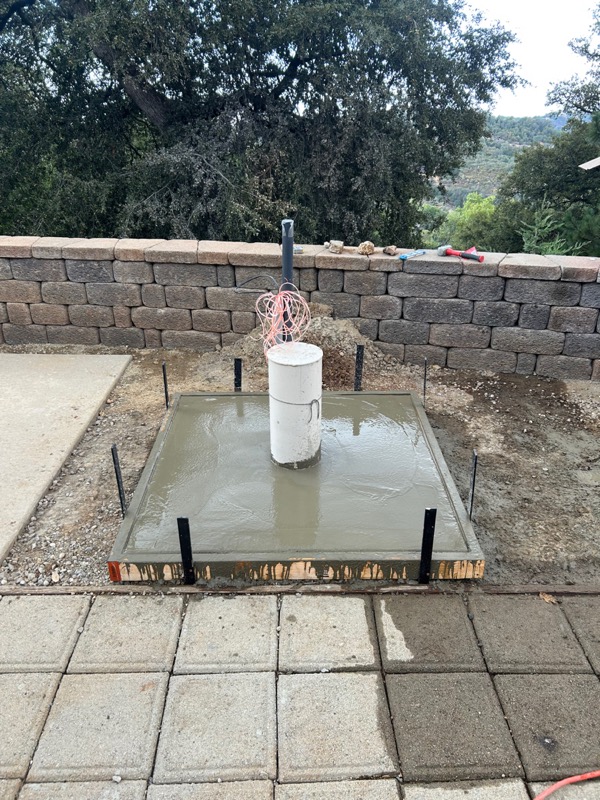
Growing avocados in Near Me? These water-loving trees need reliable, high-quality well water for healthy production. Southern California Well Service supports San Diego County avocado growers with specialized well services.
📋 In This Guide
- Avocado Water Demands
- Well Systems for Avocado Groves
- Chloride Sensitivity
- Partnering with Near Me Avocado Growers
- Related Articles
Avocado Water Demands
Avocados are thirsty trees:
- Mature tree: 40-70 gallons per day in summer
- Per acre: 4-6 acre-feet per year
- Critical periods: Fruit set and sizing
A reliable well is essential for profitable avocado production in San Diego County.
Well Systems for Avocado Groves
- High-capacity agricultural wells
- Storage tanks for peak demand periods
- Drip irrigation systems for efficiency
- Micro-sprinklers for young trees
- Pressure regulation for uniform coverage
Chloride Sensitivity
Avocados are highly sensitive to chloride in irrigation water. If your Near Me well has elevated chloride:
- Blending with lower-chloride water source
- Leaching irrigation to flush salts
- Rootstock selection for salt tolerance
- Regular soil and leaf testing
We test well water for avocado-critical parameters.
Partnering with Near Me Avocado Growers
Avocados are a major crop in San Diego County, and reliable water is essential for success. Contact us for well services designed for avocado production.
Need Help With Your Well in Near Me?
Our expert technicians serve Near Me and all of San Diego County with professional well services.
Related Articles
Continue learning about well maintenance and troubleshooting

Signs Your Well Pump Is Failing
Catch pump problems early before you lose water completely.
Low Water Pressure From Well
Diagnose and fix pressure problems before they get worse.
Well Maintenance Guide
Keep your well running smoothly with regular maintenance.
Our Locations
1077 Main St, Ramona, CA 92065
57174 CA-371 (US Hwy 79), Anza, CA 92539
Avocado Grove Well Service Near You in San Diego County
When a grower searches for avocado well service "near me," what they really want is a crew that already knows the ground under their feet and can be there before the trees suffer. Southern California Well Service is that local crew. With offices in Ramona and Anza, we cover the heart of California's avocado country across San Diego County and into neighboring Riverside County, the same hills and valleys where Hass and other varieties have been grown commercially for decades. Avocados are thirsty, chloride-sensitive trees, and the reliability of your well is the reliability of your harvest. A grower who loses water in a July heat spell can watch fruit drop within days, so "near me" is not just a convenience search term, it is the difference between a quick fix and a lost crop.
For more than 30 years we have logged wells across this region. We know that one foothill parcel may sit on decomposed granite that yields a modest but steady flow, while a valley-bottom grove a mile away draws from alluvial sand and gravel with a very different mineral signature. That accumulated local knowledge lets us diagnose faster and recommend the right fix the first time, instead of the trial-and-error a distant, generic company falls back on.
Why "Local" Actually Matters for Avocado Wells
Plenty of companies will drive in from out of the region, but avocado irrigation is unforgiving of guesswork. Local experience matters in concrete ways:
- Geology knowledge: Well depth, expected yield, and water chemistry vary sharply across the region. A technician who has worked nearby wells can predict what your casing is likely doing.
- Water-quality awareness: We already know which areas tend to run high in chloride, iron, or hardness, the very parameters that punish avocado trees.
- Response time: Two offices mean shorter drives and genuine same-day emergency capability when your grove goes dry.
- Right-sized recommendations: Knowing the local aquifer keeps us from overselling a giant pump where a properly tuned system would do.
How Your Avocado Well System Delivers Water to the Trees
Understanding the chain of components helps you spot trouble early:
- Pump and casing: A submersible pump lifts groundwater from depths that commonly range from 200 to 600 feet in our foothill terrain.
- Pressure tank and switch: These regulate cycling and protect the pump. On a grove that irrigates for hours, they wear faster than on a home.
- Storage and boosting: Many growers store water and re-pressurize it with a constant-pressure or booster system to keep drip pressure uniform.
- Filtration and treatment: Sediment filters guard emitters; iron, manganese, or chloride treatment protects both trees and hardware.
- Drip and micro-sprinklers: The final delivery to the root zone, tuned to tree age and ground slope.
The Problems We Get Called About Most
Across the grower communities we serve, the recurring issues are remarkably consistent:
- Hard-water scale that crusts on pumps, tanks, and emitters and quietly reduces flow.
- Rising chloride in aging wells and dry years, showing up first as leaf-tip burn on the trees.
- Drought-driven yield decline as the water table drops below where a well once drew comfortably.
- Pressure-switch and tank failure causing short-cycling that burns out motors.
- Sediment and turbidity from fine granitic material plugging filters and emitters.
- Electrical faults from rural power fluctuations tripping breakers and stressing motors.
What to Check Before You Call
A quick walk-around helps us help you faster:
- Watch the pressure switch and tank: rapid clicking or constant cycling means a tank or switch problem.
- Reset the breaker once; if it trips again, stop and call, because that points to a motor or wiring fault.
- Compare emitter output across the block to separate a filtration issue from a well issue.
- Note any new color, smell, or grit in the water.
- Look at the trees: midday wilt, tip burn, or sudden fruit drop confirm the root zone is starved.
When to Bring in a Licensed C-57 Contractor
Owner maintenance ends where rigs and high-voltage wiring begin. Call a licensed professional the moment you have no water, when the pump runs without delivering, when you smell burning at the control box, or when water quality shifts overnight. Pulling a submersible from a deep well or wiring a constant-pressure controller is licensed work, and a mistake can cost far more than the original repair.
What Avocado Well Work Typically Costs
- Diagnostic visit: $125, credited toward the repair.
- Pressure switch: $150-$350.
- Pressure tank: $600-$1,500.
- Submersible pump: $2,500-$5,500.
- Sediment filtration: $300-$900.
- Iron/manganese or softening: $1,500-$3,500.
- Constant-pressure / booster: $2,000-$4,500.
- Hydrofracturing: $3,000-$8,000.
- New turnkey well: $18,000-$42,000.
- Well abandonment / decommissioning: $1,500-$5,000.
A Seasonal Care Calendar That Keeps Avocado Wells Reliable
The growers who avoid mid-summer emergencies are the ones who service the well on a schedule instead of waiting for a failure. We help our clients build a simple seasonal rhythm. In late winter and early spring, before peak demand arrives, we recommend a full system check: pump amperage draw, pressure-switch operation, tank pre-charge, and a water test for chloride and salinity so any treatment can be in place before the trees are stressed. Spring is also the right time to flush and inspect drip lines and replace worn emitters, because clogged emitters waste water and starve individual trees long before a grower notices uneven canopy color.
Through the hot months, the priorities shift to monitoring. We coach growers to watch run times and flow, since a pump that gradually runs longer to deliver the same water is the earliest warning of a dropping water table or a wearing pump. Keeping a basic log of those run times turns a vague "something feels off" into a precise diagnosis when we arrive. After the harvest, fall is the season for the bigger projects, such as deepening a pump set, installing a constant-pressure system, hydrofracturing a weak well, or adding storage, all done while demand is low and a few days of downtime will not cost a crop. Spreading this work across the calendar protects both the trees and the budget, and it is exactly the kind of planning a local crew that knows your grove can help you put in place.
The Service Area That Puts Us Near You
Our Ramona office (1077 Main St) and Anza office (57174 CA-371 (US Hwy 79)) let us reach growers across the avocado belt quickly, from the backcountry valleys of San Diego County to the groves climbing into the hills toward Riverside County. Wherever your grove sits, a licensed C-57 crew with a 4.9-star track record and 30-plus years of local wells behind it is genuinely near you. Call (760) 440-8520 or text (760) 219-5877 for same-day emergency help.