
Well Services for Needles Avocado Groves
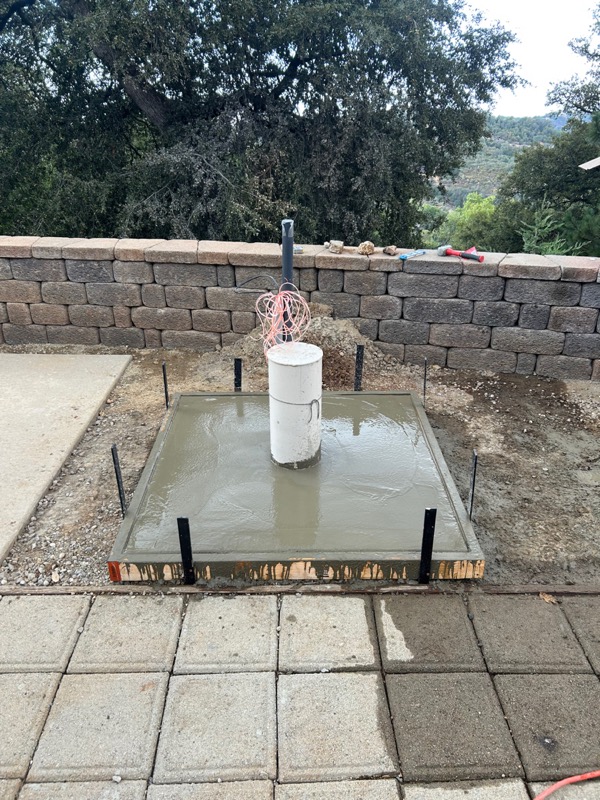
Growing avocados in Needles? These water-loving trees need reliable, high-quality well water for healthy production. Southern California Well Service supports San Bernardino County avocado growers with specialized well services.
📋 In This Guide
- Avocado Water Demands
- Well Systems for Avocado Groves
- Chloride Sensitivity
- Partnering with Needles Avocado Growers
- Related Articles
Avocado Water Demands
Avocados are thirsty trees:
- Mature tree: 40-70 gallons per day in summer
- Per acre: 4-6 acre-feet per year
- Critical periods: Fruit set and sizing
A reliable well is essential for profitable avocado production in San Bernardino County.
Well Systems for Avocado Groves
- High-capacity agricultural wells
- Storage tanks for peak demand periods
- Drip irrigation systems for efficiency
- Micro-sprinklers for young trees
- Pressure regulation for uniform coverage
Chloride Sensitivity
Avocados are highly sensitive to chloride in irrigation water. If your Needles well has elevated chloride:
- Blending with lower-chloride water source
- Leaching irrigation to flush salts
- Rootstock selection for salt tolerance
- Regular soil and leaf testing
We test well water for avocado-critical parameters.
Partnering with Needles Avocado Growers
Avocados are a major crop in San Bernardino County, and reliable water is essential for success. Contact us for well services designed for avocado production.
Need Help With Your Well in Needles?
Our expert technicians serve Needles and all of San Bernardino County with professional well services.
Related Articles
Continue learning about well maintenance and troubleshooting

Signs Your Well Pump Is Failing
Catch pump problems early before you lose water completely.

Low Water Pressure From Well
Diagnose and fix pressure problems before they get worse.

Well Maintenance Guide
Keep your well running smoothly with regular maintenance.
Our Locations
1077 Main St, Ramona, CA 92065
57174 CA-371 (US Hwy 79), Anza, CA 92539
Agricultural and Residential Well Service for Needles Properties
Needles sits at the far eastern edge of San Bernardino County, perched on the west bank of the Colorado River where California, Arizona, and Nevada nearly meet. It is one of the hottest places in the United States, with summer highs that routinely push past 115 degrees. That punishing heat, combined with a desert that receives only a few inches of rain a year, makes a dependable water system absolutely critical for any property owner here. While the famous Hass avocado groves of coastal Southern California do not grow in the Needles climate, the river valley has a long agricultural history, and many rural parcels still depend on private wells for irrigation, livestock, and household use.
Let us be straightforward about the land here. Needles is not avocado country. The intense summer heat, the low humidity, and the river-valley soils are far better suited to heat-tolerant crops, ornamental palms, alfalfa, citrus on a small scale, and shade trees than to thin-skinned, frost-and-heat-sensitive avocados. When a grower or homeowner near the river asks us about "avocado wells," what they really need is a high-quality, high-output well that can keep water flowing through the worst of a Mojave summer. That is exactly what Southern California Well Service has been delivering across the desert Southwest for more than 30 years.
How Wells Work in the Needles Valley
Groundwater near Needles is part of the Needles Valley Groundwater Basin, which sits within the Colorado River hydrologic region. Because the city hugs the river, the first water table is often surprisingly shallow. Depths to first-encountered groundwater commonly range from about 40 to 60 feet below the surface in the floodplain, with water held in river alluvium and the underlying Bouse Formation. Move away from the river onto the higher mesas and bajadas, however, and you can drill considerably deeper before hitting a reliable producing zone.
A complete well system in this area usually includes a submersible pump set well below the water table, a pressure tank that smooths out delivery so the pump is not constantly cycling, a pressure switch that tells the pump when to turn on and off, and on agricultural parcels, often a large storage tank to bank water for peak demand. In the Needles heat, that storage buffer matters: a tank lets you irrigate at dawn and dusk without forcing the pump to run flat-out through the hottest hours of the day.
It is also worth understanding that water quality, not just water quantity, drives a lot of decisions in the Needles valley. Colorado River-influenced groundwater tends to carry dissolved salts, and total dissolved solids can run higher here than in the granite country to the west. For irrigation, that salt load matters because salts concentrate in the root zone as water evaporates, and many ornamental and edible plants are sensitive to it. We routinely test for total dissolved solids, chloride, hardness, iron, and manganese so that a grower or homeowner knows exactly what is coming out of the ground before designing an irrigation plan around it. Choosing salt-tolerant plantings and building in periodic leaching irrigation to flush salts below the root zone are far cheaper than fighting a salt problem after trees are already in the ground.
Common Well Problems We See Around Needles
The desert is hard on equipment, and the river valley adds its own quirks. Over three decades of service in this corner of San Bernardino County, these are the issues that bring us out most often:
- Heat-stressed pumps and motors running long irrigation cycles in extreme temperatures, leading to premature burnout.
- Mineral and scale buildup from hard, mineral-rich river-influenced groundwater that coats pump components and clogs drip emitters.
- Sediment and fine sand drawn in from alluvial formations, which wears impellers and fouls filters.
- Iron and manganese staining that discolors fixtures, stains concrete, and can plug irrigation lines.
- Pressure tank waterlogging and failed pressure switches that cause rapid cycling and weak flow.
- Power fluctuations on rural circuits that stress pump control boxes.
What You Can Check Before You Call
Some symptoms are easy to triage yourself before scheduling a technician. If you have no water at all, first confirm the breaker to the pump has not tripped and that you actually have power at the well head. If pressure has dropped off, check whether your pressure tank has lost its air charge by tapping it: a healthy tank rings hollow near the top and sounds solid near the bottom; a tank that sounds full all the way up is likely waterlogged. Listen for a pump that cycles on and off every few seconds, which almost always points to a pressure-tank or pressure-switch problem. For irrigation, walk the lines and look for clogged emitters or a section that has lost pressure, which can indicate scale or sediment. If your water suddenly turns cloudy, smells of sulfur, or starts staining surfaces, note when it started, because that history helps us diagnose the cause faster.
When to Call a Licensed Professional
Anything involving pulling the pump, electrical work at the well, water-quality testing, or chasing a yield problem is a job for a licensed contractor. Southern California Well Service is a licensed C-57 water well drilling contractor, not simply a plumber, which means we are legally and technically equipped to handle the well itself and not just the plumbing downstream of it. If you are losing water during peak season, if your pump is short-cycling, or if you suspect the well yield is dropping, call us before a manageable repair becomes an emergency replacement in the middle of August.
Realistic Cost Ranges for Needles Well Service
Every well is different, but these ranges reflect what desert property owners typically invest:
- Pressure switch replacement: $150 to $350
- Pressure tank replacement: $600 to $1,500
- Submersible pump replacement: $2,500 to $5,500
- Sediment filtration: $300 to $900
- Iron, manganese, or hardness treatment: $1,500 to $3,500
- Constant-pressure or booster system: $2,000 to $4,500
- New well, turnkey: $18,000 to $42,000
- Hydrofracturing to improve yield: $3,000 to $8,000
- Well abandonment or decommissioning: $1,500 to $5,000
Our diagnostic visit is $125, and that fee is credited toward any repair we perform.
Serving Needles and the Eastern Desert
From our offices in Ramona (1077 Main St, Ramona, CA 92065) and Anza (57174 CA-371 (US Hwy 79), Anza, CA 92539), we serve Needles and the surrounding river communities, including the rural parcels along the Colorado River, the Needles Highlands, and out toward Park Moabi and the Havasu Lake area. Our crews are accustomed to long desert drives and to the realities of working in extreme heat, and we carry the parts and pumps that this climate demands. With a 4.9-star reputation and same-day emergency response, we aim to get your water back on quickly when the temperature is climbing.
We work with a range of customers in this part of the desert: ranchers running stock water, snowbird property owners who need a system that runs reliably while they are away, small-acreage growers experimenting with heat-hardy fruit, and families who simply live beyond the reach of city water. No two parcels along the river behave quite the same, and that local knowledge is what separates a lasting repair from a callback.
Frequently Asked Questions
Can you really grow avocados in Needles?
Realistically, no. Needles is too hot and too dry for commercial avocado production. The trees suffer in extreme heat and are sensitive to the salts and chlorides common in desert groundwater. We are honest about this: if someone is selling you on an avocado grove in Needles, be cautious. We focus instead on reliable wells for heat-tolerant landscaping, small orchards, livestock, and household use.
How deep are wells in the Needles area?
Near the Colorado River, water can be found as shallow as 40 to 60 feet in the alluvium. On the higher mesas away from the river, wells are typically drilled deeper to reach a dependable producing zone. We evaluate each parcel individually before recommending a depth.
Why does my Needles well water stain everything orange or brown?
That is almost always iron and sometimes manganese in the groundwater. It is cosmetic rather than dangerous in most cases, but it stains fixtures and clogs irrigation. An iron and manganese treatment system, typically $1,500 to $3,500, resolves it.
How fast can you respond in an emergency?
We offer same-day emergency service. Given the extreme summer heat in Needles, a failed pump is genuinely urgent, and we prioritize no-water calls.
Do I need a permit to drill a new well in San Bernardino County?
Yes. New wells in San Bernardino County require permits and inspections through the county environmental health division. As a licensed C-57 contractor, we handle the permitting and ensure your well is constructed and sealed to code.
What does a diagnostic visit cost?
Our diagnostic is $125, and we credit that amount toward any repair we complete for you.
Get Reliable Water in Needles
Whether you are irrigating a desert landscape, watering livestock, or simply keeping your household running through a brutal Mojave summer, Southern California Well Service has the local experience and the C-57 license to keep your well dependable. Call (760) 440-8520 or text us at (760) 219-5877 to schedule service or request a free estimate.