
Well Services for Nuevo Avocado Groves
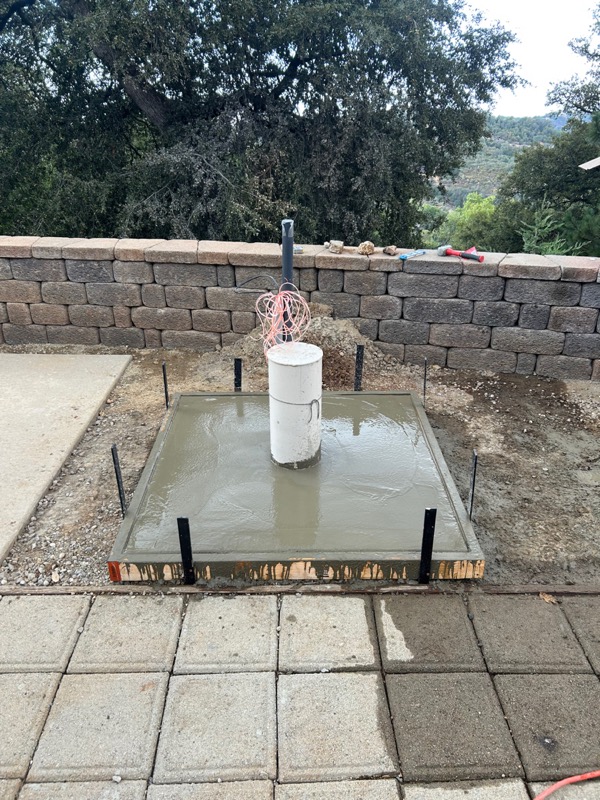
Growing avocados in Nuevo? These water-loving trees need reliable, high-quality well water for healthy production. Southern California Well Service supports Riverside County avocado growers with specialized well services.
In This Guide
- Avocado Water Demands
- Well Systems for Avocado Groves
- Chloride Sensitivity
- Partnering With Growers
- Related Articles
Need Help With Your Well in Nuevo?
Our expert technicians serve Nuevo with professional well services.
Related Articles
Continue learning about well maintenance and troubleshooting
Signs Your Well Pump Is Failing
Catch pump problems early before you lose water completely.
Low Water Pressure From Well
Diagnose and fix pressure problems before they get worse.
Well Maintenance Guide
Keep your well running smoothly with regular maintenance.
Our Locations
1077 Main St, Ramona, CA 92065
57174 US Highway 79, Anza, CA 92539
Avocado Growing in Nuevo and the San Jacinto Valley
Nuevo is an unincorporated agricultural community in the San Jacinto Valley of Riverside County, sitting just east of Perris and next to Lakeview. Unlike many Southern California communities that have shifted entirely to housing, Nuevo remains a genuine farming area, with poultry operations, row crops, citrus, and pockets of avocado planted on the hills that rise toward Lakeview and Bernasconi. That working-agriculture character means private wells are a routine and important part of how land here gets watered.
The local geography is a study in contrasts. The valley floor is alluvial, built from sediment washed down over millennia, while the surrounding hills are decomposed granite. Avocado growers tend to favor those granite slopes, partly for drainage and partly because cold air drains off them on winter nights rather than pooling the way it does in the valley bottoms. Nuevo's climate is hot inland Southern California: long, intense summers and winters cold enough to bring frost to the low spots.
For a cold- and heat-sensitive crop like avocado, that microclimate demands a water system you can depend on. Southern California Well Service has drilled, equipped, and maintained wells throughout the San Jacinto Valley for decades, and we understand how Nuevo's split geology, alluvial floor and granite hills, shapes what a successful grove well looks like.
Avocado Irrigation Water Needs in Nuevo
Avocados are thirsty, shallow-rooted trees, and Nuevo's inland heat raises the stakes. A mature tree typically uses about 40 to 70 gallons of water per day at the peak of summer. Over a planted acre, annual demand commonly runs 4 to 6 acre-feet per year, and hot San Jacinto Valley sites like Nuevo sit toward the high end because evapotranspiration, the combined water loss from soil and foliage, climbs sharply in the dry heat.
The make-or-break window is roughly June through September, spanning fruit set and fruit sizing. Water stress in those months shows up directly as dropped fruit and a lighter harvest. A well and pump that can meet peak demand with capacity to spare protect the crop during exactly the period when getting it wrong is most costly.
- Mature tree, peak summer: roughly 40 to 70 gallons per day
- Per planted acre: about 4 to 6 acre-feet per year, higher in Nuevo's heat
- Critical period: June to September, fruit set and sizing
- Driver: high evapotranspiration in the hot inland valley
Designing a Well and Irrigation System for an Avocado Grove
A grove water system begins with matching well yield in gallons per minute (GPM) to your acreage and peak demand. In Nuevo, the right design depends on whether your well draws from the alluvial valley floor or the harder granite hills, and yields genuinely vary from parcel to parcel, so we evaluate each site rather than promising numbers in advance. A complete system usually includes:
- A submersible pump matched to the well's sustainable yield and the lift to the water table
- A storage tank or reservoir to cover peak afternoon demand and to support lower-yielding wells by allowing overnight recovery
- Booster pumps to hold steady pressure across sloping hillside groves
- Filtration to keep alluvial sand and sediment out of emitters
- Drip irrigation for efficiency, plus micro-sprinklers for young trees and wider root-zone coverage
- Pressure regulation so every tree, hilltop to valley edge, gets uniform water
Because Nuevo's low spots are frost-prone, some growers also configure the system for sprinkler frost protection. That places a sudden, heavy load on the well, so storage and pump capacity should be designed with freeze nights in mind, not just summer irrigation.
Water Quality: Why Salinity and Chloride Matter So Much
Avocados rank among the most salt-, chloride-, and sodium-sensitive tree crops in agriculture. Chloride accumulates in the foliage and produces the familiar leaf-tip burn that erodes tree health and yield over time. Growers therefore try to keep irrigation-water chloride below roughly 100 to 150 ppm, while keeping an eye on sodium, the sodium adsorption ratio (SAR), and total salinity measured as electrical conductivity (EC).
Groundwater chemistry in the San Jacinto Valley varies, and generations of irrigated farming can concentrate salts in certain areas. Before counting on a Nuevo well for avocados, have it tested for these avocado-critical parameters. When the numbers are marginal, several reliable tools apply:
- Blending with a lower-salinity source to lower chloride
- Leaching fraction management to flush salts below the root zone
- Salt-tolerant clonal rootstocks such as Dusa and Toro Canyon
- Regular soil and leaf testing to spot salt trends early
We test well water specifically for avocado suitability and explain what the lab report means for your trees.
Common Well Problems for Nuevo Growers
From our years of work across the San Jacinto Valley, the issues we see most often on Nuevo-area wells include:
- Declining yield as a well ages or as the water table drops in drought
- Sand and sediment from the valley's alluvial deposits, wearing pumps and clogging emitters
- Mineral scaling on pumps, pipes, and pressure tanks from hard groundwater
- Pump wear and electrical faults, sometimes aggravated by rural power swings
- Drought drawdown lowering pumping levels and capacity
- Iron and manganese causing staining, odor, and plugged emitters
Maintenance and Drought Reliability
Steady maintenance is the best insurance against a summer water emergency. We recommend an annual inspection with a flow test, static and pumping water-level checks, and an evaluation of the pump, motor, and pressure system. Tracking water levels year over year shows whether the aquifer beneath your land is holding or declining, important information given that this region operates under California's Sustainable Groundwater Management Act (SGMA).
When a well loses output, you often have alternatives to drilling a new one. Rehabilitation removes scale and biofouling from the screen, and hydrofracturing, which uses controlled water pressure to open and clean fractures in the rock, can boost yield in the hard granite formations around Nuevo's hills. Adding storage and building in redundancy gives a grove a cushion against both equipment failure and drought-driven shortfalls.
When to Call a Professional
Contact us promptly if you notice any of these warning signs:
- Falling pressure or a pump that cycles on and off rapidly
- Air spitting from emitters or the wellhead, a clue that the water level is dropping
- Sand, grit, or new cloudiness in the water
- A sudden jump in your electricity bill
- Leaf-tip burn on avocados pointing to water quality
- Any complete loss of water during the hot season
Cost Ranges
Every site differs, but these ranges give Nuevo growers a realistic starting point. Pricing varies with depth, geology, and system complexity.
| Service | Typical Range |
|---|---|
| New agricultural well (turnkey) | $25,000 to $60,000+ |
| High-capacity pump | $3,000 to $8,000 |
| Hydrofracturing to boost yield | $3,000 to $8,000 |
| Diagnostic visit (credited toward work) | $125 |
The diagnostic fee is credited toward any resulting repair or installation, so an expert assessment costs nothing if you move ahead.
Serving Nuevo Avocado Growers
Southern California Well Service is a licensed C-57 water well drilling contractor with more than 30 years of experience serving San Diego, Riverside, and San Bernardino Counties, including Nuevo and the wider San Jacinto Valley. We run two offices, in Ramona (1077 Main St, Ramona, CA 92065) and Anza (57174 US Highway 79, Anza, CA 92539), which lets us respond quickly across the region. Rated 4.9 stars by our customers, we stand for honest assessments and durable work, from drilling through pump repair and water treatment.
Frequently Asked Questions
How much water do avocados need in Nuevo's hot inland valley?
In Nuevo's hot San Jacinto Valley climate, a mature avocado tree commonly uses about 40 to 70 gallons per day during peak summer, and a planted acre often needs roughly 4 to 6 acre-feet per year. Nuevo's inland heat pushes evapotranspiration high, so demand tends toward the upper part of that range, particularly from June through September during fruit set and sizing.
Nuevo is a real farming area. Is the groundwater suitable for avocados?
Nuevo has genuine agriculture, from poultry and row crops to citrus and some avocado on the hills toward Lakeview and Bernasconi, so productive wells are common. Suitability for avocados still comes down to water quality. Because avocados are highly chloride- and salt-sensitive, every well should be tested. Where salinity is elevated, blending, leaching, and salt-tolerant rootstocks keep groves healthy.
Why is frost a concern for Nuevo avocado growers?
Nuevo sits in a low inland valley where cold air drains into the bottoms on clear winter nights, so frost can settle in the low spots. Avocados are cold-sensitive, which is part of why local growers favor the decomposed-granite hillsides for groves. Where frost is a risk, sprinkler-based frost protection draws heavily on the well, so pump capacity and storage should be planned accordingly.
What does a new agricultural well cost around Nuevo?
A complete turnkey agricultural well near Nuevo generally runs from about $25,000 to $60,000 or more, depending on depth, whether we are drilling valley alluvium or granite, and the pump and storage required. High-capacity pumps typically run $3,000 to $8,000, and hydrofracturing to improve a low-yield well usually costs $3,000 to $8,000. We give a firm quote after evaluating the site.
My Nuevo well is producing less than it used to. What are my options?
Reduced output can stem from a worn pump, drought-driven water-table decline, sediment, scaling, or screen fouling. A flow test and water-level check pinpoint the cause. In many San Jacinto Valley wells we restore capacity through rehabilitation or hydrofracturing rather than a costly new well. Booking a diagnostic before summer is the smart move.
Do you cover the hills between Nuevo and Lakeview?
Yes. We serve Nuevo, Lakeview, Perris, and the Bernasconi area, including the decomposed-granite slopes between them where much of the local avocado and citrus is planted. Our Ramona and Anza offices let us respond across this part of Riverside County, and our crews know both the alluvial valley floor and the surrounding hill formations.
Call (760) 440-8520 or text (619) 259-0410 for a grove water assessment.