
Well Services for Oceanside Avocado Groves
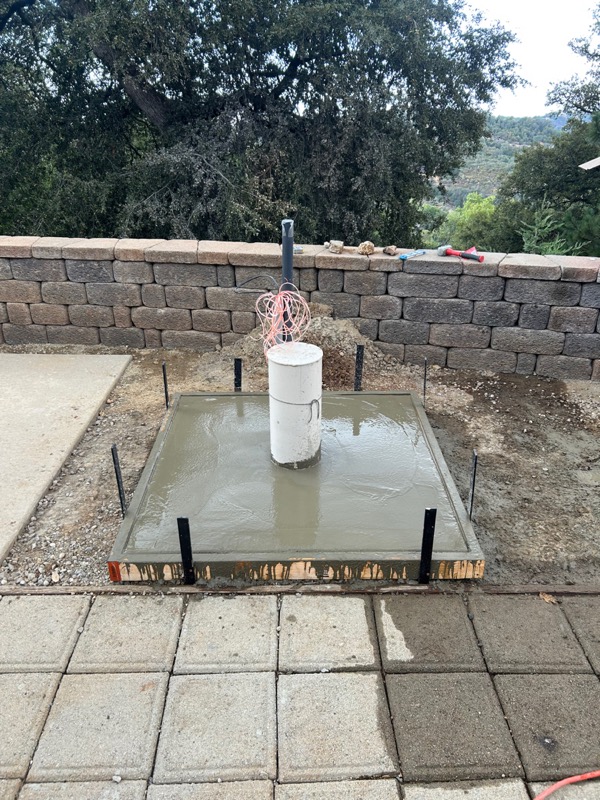
Growing avocados in Oceanside? These water-loving trees need reliable, high-quality well water for healthy production. Southern California Well Service supports San Diego County avocado growers with specialized well services.
📋 In This Guide
- Avocado Water Demands
- Well Systems for Avocado Groves
- Chloride Sensitivity
- Partnering with Oceanside Avocado Growers
- Related Articles
Avocado Water Demands
Avocados are thirsty trees:
- Mature tree: 40-70 gallons per day in summer
- Per acre: 4-6 acre-feet per year
- Critical periods: Fruit set and sizing
A reliable well is essential for profitable avocado production in San Diego County.
Well Systems for Avocado Groves
- High-capacity agricultural wells
- Storage tanks for peak demand periods
- Drip irrigation systems for efficiency
- Micro-sprinklers for young trees
- Pressure regulation for uniform coverage
Chloride Sensitivity
Avocados are highly sensitive to chloride in irrigation water. If your Oceanside well has elevated chloride:
- Blending with lower-chloride water source
- Leaching irrigation to flush salts
- Rootstock selection for salt tolerance
- Regular soil and leaf testing
We test well water for avocado-critical parameters.
Partnering with Oceanside Avocado Growers
Avocados are a major crop in San Diego County, and reliable water is essential for success. Contact us for well services designed for avocado production.
Need Help With Your Well in Oceanside?
Our expert technicians serve Oceanside and all of San Diego County with professional well services.
Related Articles
Continue learning about well maintenance and troubleshooting
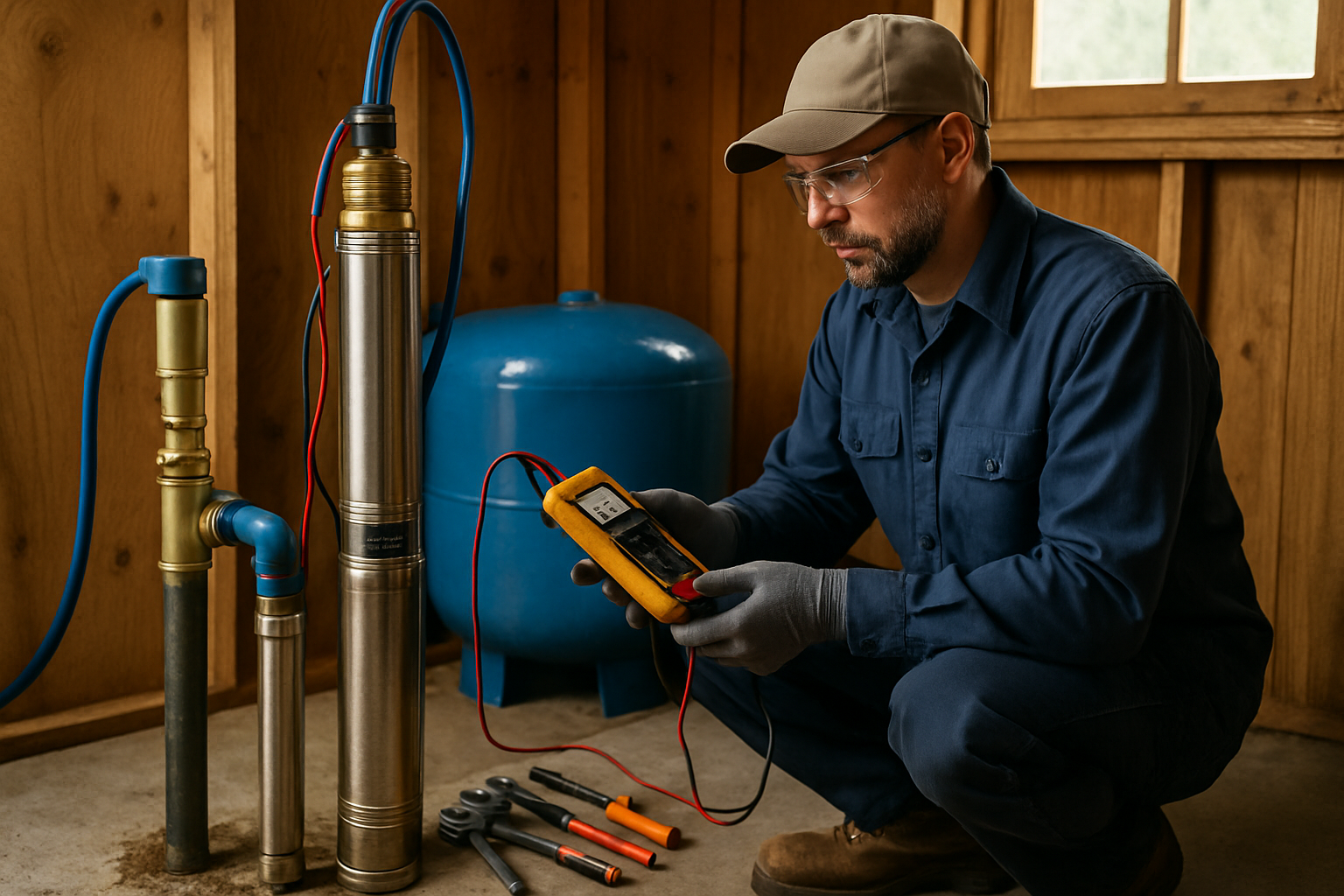
Signs Your Well Pump Is Failing
Catch pump problems early before you lose water completely.
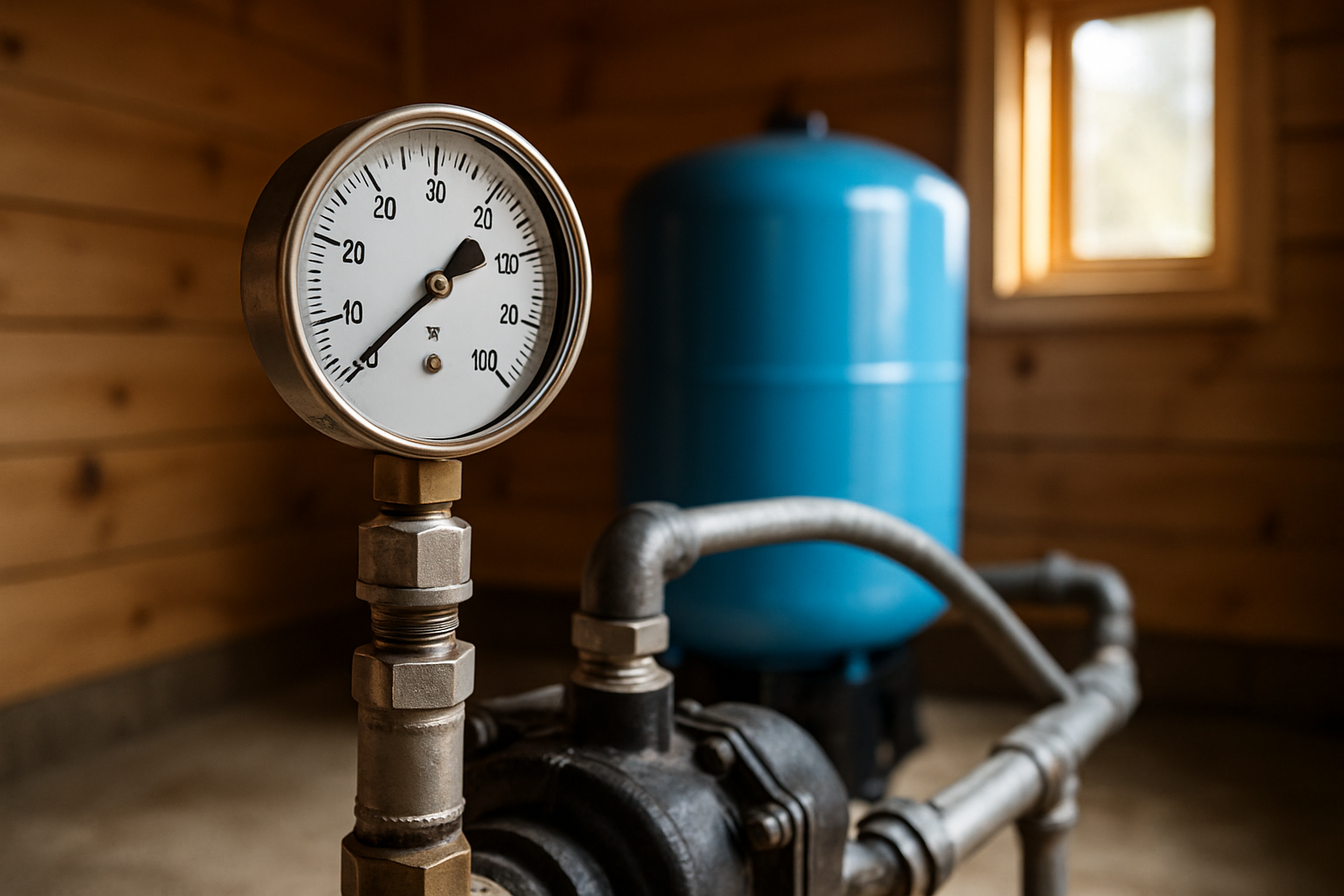
Low Water Pressure From Well
Diagnose and fix pressure problems before they get worse.
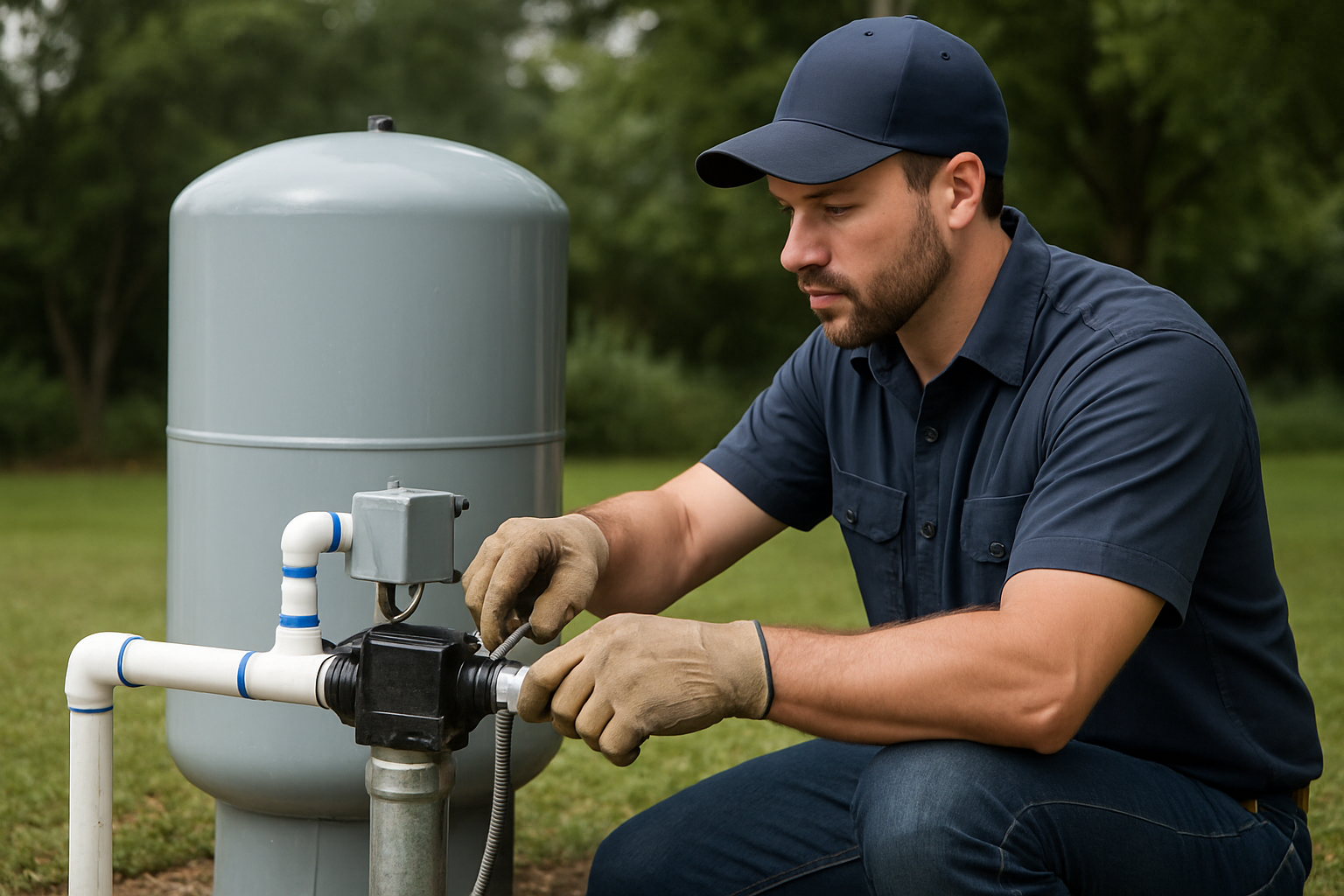
Well Maintenance Guide
Keep your well running smoothly with regular maintenance.
Our Locations
1077 Main St, Ramona, CA 92065
57174 CA-371 (US Hwy 79), Anza, CA 92539
Avocado Grove Well Service in Oceanside's Farm Country
Mention Oceanside and most people picture the pier and the surf. But head northeast, away from the beach and up into South Morro Hills, and you enter one of the largest and least-known farming districts on the San Diego County coast. South Morro Hills spans roughly 3,400 acres of working agricultural land north of the San Luis Rey River, a patchwork of avocado and citrus groves, tomato and strawberry fields, cut-flower operations, nurseries, and riding stables. It is real farm country inside a beach city, and almost all of it depends on wells. If you grow avocados in this corner of Oceanside, your well is not a convenience, it is the backbone of your operation.
Southern California Well Service has worked these lands since 2020. We are a licensed C-57 water well contractor (CSLB #1086994) with CSLB #1086994 and same-day emergency service. We know the difference between farming the alluvial bottoms near the river and the decomposed-granite mesas above, because the water under each behaves differently.
What makes South Morro Hills unusual is its sheer diversity. On a single drive through the district you can pass a mature Hass grove, a strawberry field, a cut-flower operation, a citrus orchard, and a riding stable, all within a mile of each other. That mix is part of the area's charm and a real part of its water challenge, because each crop pulls on the aquifer differently and the heaviest summer demand from several neighbors at once can stress shared groundwater. Understanding your property in the context of what is around it is something local experience brings to the table.
Two Kinds of Ground, Two Kinds of Water
Oceanside's ag belt sits on two distinct geologies, and understanding which one you are on shapes everything about your well. Down in the San Luis Rey River valley, the soils are alluvial, deep deposits of sand, silt, and gravel laid down by the river over millennia. Wells here can be productive, but river-valley groundwater near the coast can also carry salinity. Up on the inland mesas of South Morro Hills, the ground is decomposed granite, firmer and crystalline, and the water chemistry is often better suited to salt-sensitive trees like avocados. When we assess an Oceanside grower's well, the first thing we establish is whether the property sits in the valley or on the mesa, because it tells us what challenges to expect.
How an Oceanside Grove Well System Works
A grove irrigation system is a coordinated set of parts, each one critical:
- Well and submersible pump. The pump must be matched to the well's sustainable yield, whether that well taps alluvium or granite.
- Storage tank. Banking water overnight lets a steady well meet the heavy daytime demand of a maturing grove.
- Pressure system. A constant-pressure or booster pump keeps flow even across the rolling mesa terrain.
- Filtration. Alluvial wells especially can pull fine sand, so good filtration protects emitters.
- Drip and micro-sprinklers. Drip for efficiency on established trees, micro-sprinklers for the wider coverage young plantings need.
The Salinity Question for Oceanside Avocados
Avocados tolerate salt poorly, and chloride is the chief concern. The telltale symptom is leaf-tip burn, browning that creeps in from the leaf edges, often paired with smaller fruit and slowed growth. In Oceanside, the salinity risk is highest in the river valley and lowest on the inland granite mesas, which is one reason so much of South Morro Hills' avocado acreage sits up on the higher ground. Regardless of where you farm, we recommend testing for chloride, sodium, boron, and total dissolved solids. If readings run high, the proven responses are:
- Leaching irrigation to flush salts past the root zone.
- Choosing salt-tolerant rootstock at planting or replanting.
- Blending with a lower-salinity supply where possible.
- Regular soil and leaf-tissue testing to stay ahead of accumulation.
Boron is worth a separate mention for Oceanside growers. Avocados are sensitive to it, and some local wells carry enough to harm trees even when chloride numbers look fine. Boron injury resembles salt burn but is harder to leach away, so a full water panel rather than a single salinity reading is the only reliable way to catch it. We would rather a grower spend a little on a thorough test up front than a great deal replanting a block that was doomed by water chemistry no one measured.
Common Issues We See Across South Morro Hills
Peak-season demand spikes
A mature avocado can use 40 to 70 gallons on a hot day, and an acre can require 4 to 6 acre-feet per year. The diverse cropping in South Morro Hills means many properties run avocados alongside row crops or flowers, multiplying the peak-summer draw on a single well.
Salinity creep in valley wells
River-valley wells can see chloride climb during dry years as the freshwater lens thins, putting salt-sensitive avocados at risk.
Sand and sediment
Alluvial formations are notorious for producing fine sand that wears pumps and clogs drip emitters.
Pump wear and short cycling
A failing pressure tank or switch makes pumps cycle rapidly, shortening their life, an expensive problem on a working farm.
Storage as drought insurance
In a region where dry years can pinch supply, on-site storage is more than a convenience, it is insurance. A grower with a generous tank can ride out a temporary dip in well output or a brief equipment problem without losing trees, while a grower running hand-to-mouth off the pump has no margin. When we plan a system for an Oceanside grove, we think about the bad summer, not the average one, and we size storage accordingly. Trees that go a few days without water during fruit set do not simply bounce back, the loss carries into the harvest.
What a Grower Can Check First
- Read the pressure gauge at rest and while irrigating; large swings point to a tank or switch problem.
- Listen for rapid pump cycling.
- Verify that the farthest and highest trees are getting flow.
- Check whether sand is collecting in filters or at emitters.
- Watch for any change in water clarity, taste, or smell.
Sand in the system is a particularly useful clue in the river valley, it often signals a screen or pump problem worth investigating. Leave the downhole and electrical work to a licensed professional.
When to Call Us, and What to Expect to Pay
Call when you lose water, when pressure drops off, when grove-wide flow falls suddenly, or when leaf burn spreads and you suspect salinity. Our diagnostic visit is $125, credited toward any work. In our area, a pressure switch typically runs $150 to $350, a pressure tank $600 to $1,500, sediment filtration $300 to $900, and a submersible pump $2,500 to $5,500. Sand and salinity often make filtration and treatment worthwhile here; a water softener runs $1,500 to $3,500 and a constant-pressure or booster system $2,000 to $4,500. A new turnkey well falls between $18,000 and $42,000, and hydrofracturing a tight mesa well runs $3,000 to $8,000.
Serving Oceanside and the Surrounding Ag Belt
We serve all of Oceanside's farm country, from South Morro Hills and the San Luis Rey valley to the properties bordering Bonsall, Vista, and Fallbrook. Oceanside is part of San Diego County, and our crews understand its split personality, beach town on one side, serious agriculture on the other.
Frequently Asked Questions
Where is the avocado farming in Oceanside?
Mostly in South Morro Hills, the roughly 3,400-acre agricultural district in northeast Oceanside north of the San Luis Rey River, where avocados, citrus, row crops, and flowers are grown, largely on inland decomposed-granite mesas.
Is well water near the San Luis Rey River good for avocados?
It can be, but river-valley wells are more prone to salinity than the granite mesas above. A water test for chloride and total dissolved solids is the way to know before you rely on it for salt-sensitive trees.
My well is pumping sand. Is that a problem?
Yes. Sand is common in alluvial valley wells and it wears pumps and clogs emitters. It often points to a screen or pump issue, and proper filtration plus a checkup usually resolves it.
Can one well serve avocados and row crops together?
Often yes, but the combined peak demand has to be calculated honestly. Many South Morro Hills properties run mixed crops, and the system, especially storage, must be sized for the total summer draw.
How quickly can you respond in Oceanside?
We offer same-day emergency service, and Oceanside's ag belt is well within our coverage area for fast response during peak season.
Keep Your Oceanside Operation Watered
Whether you farm the river bottom or a mesa block of Hass in South Morro Hills, reliable water keeps your operation profitable. Call Southern California Well Service at (760) 440-8520 or text (760) 219-5877.