
Well Services for Ocotillo Avocado Groves
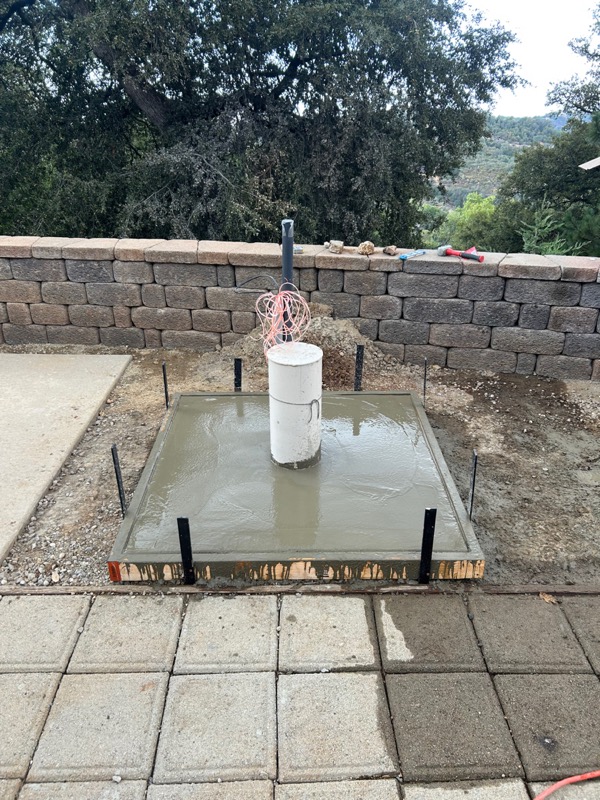
Growing avocados in Ocotillo? These water-loving trees need reliable, high-quality well water for healthy production. Southern California Well Service supports Imperial County avocado growers with specialized well services.
📋 In This Guide
- Avocado Water Demands
- Well Systems for Avocado Groves
- Chloride Sensitivity
- Partnering with Ocotillo Avocado Growers
- Related Articles
Avocado Water Demands
Avocados are thirsty trees:
- Mature tree: 40-70 gallons per day in summer
- Per acre: 4-6 acre-feet per year
- Critical periods: Fruit set and sizing
A reliable well is essential for profitable avocado production in Imperial County.
Well Systems for Avocado Groves
- High-capacity agricultural wells
- Storage tanks for peak demand periods
- Drip irrigation systems for efficiency
- Micro-sprinklers for young trees
- Pressure regulation for uniform coverage
Chloride Sensitivity
Avocados are highly sensitive to chloride in irrigation water. If your Ocotillo well has elevated chloride:
- Blending with lower-chloride water source
- Leaching irrigation to flush salts
- Rootstock selection for salt tolerance
- Regular soil and leaf testing
We test well water for avocado-critical parameters.
Partnering with Ocotillo Avocado Growers
Avocados are a major crop in Imperial County, and reliable water is essential for success. Contact us for well services designed for avocado production.
Need Help With Your Well in Ocotillo?
Our expert technicians serve Ocotillo and all of Imperial County with professional well services.
Related Articles
Continue learning about well maintenance and troubleshooting

Signs Your Well Pump Is Failing
Catch pump problems early before you lose water completely.

Low Water Pressure From Well
Diagnose and fix pressure problems before they get worse.

Well Maintenance Guide
Keep your well running smoothly with regular maintenance.
Our Locations
1077 Main St, Ramona, CA 92065
57174 US Highway 79, Anza, CA 92539
Desert Well Service for Ocotillo Homes, Ranches, and Properties
Ocotillo is a small, unincorporated desert community in Imperial County, tucked into the far southwest corner of the county near the San Diego County line, about 26 miles west of El Centro along Interstate 8. Sitting at the western edge of the Imperial Valley near the Yuha Desert and the In-Ko-Pah and Jacumba mountains, Ocotillo is one of the driest places in all of California, often receiving under three inches of rain in a year. The community took shape as a desert retirement settlement after its post office opened in 1957, and today most homes, ranches, and outlying parcels here depend on private wells rather than a municipal system. When the temperature climbs past 110 degrees and the nearest water main is many miles away, a dependable well is not a convenience; it is survival infrastructure.
Let's be honest about the local picture. Ocotillo is not avocado country. The extreme desert heat, the high salinity of much of the groundwater, and the lack of cheap surface water make salt-sensitive crops like avocados impractical here. The famous irrigated agriculture of the surrounding Imperial Valley — alfalfa, hay, winter vegetables, dates, and citrus in places — runs almost entirely on Colorado River water delivered through canals. Out on the desert fringe in Ocotillo, there is no canal at your property line. What you have is your well. That well typically serves a home, hardy desert landscaping, a few date palms, livestock and horses, and the occasional small hobby planting that can tolerate brackish water. Our job is to keep that well producing clean, usable water in one of the harshest environments a pump can operate in.
How a Desert Well and Pressure System Works in Ocotillo
A complete private water system in the Ocotillo area is more than a hole in the ground. It is a chain of components, and a weakness anywhere in that chain shows up at your faucet. Desert wells in this part of Imperial County can be deep — depths vary widely by parcel and by which water-bearing zone a driller reaches, often a few hundred feet, sometimes more. Here is how the pieces fit together:
- The well and submersible pump — A submersible pump sits down in the water column and pushes water to the surface. In deep desert wells the pump works against significant lift and runs hard during the long cooling season.
- Pressure tank and pressure switch — The tank stores a cushion of pressurized water so the pump is not cycling on and off every time you open a tap. The pressure switch tells the pump when to start and stop. These are the most common failure points in any system.
- Storage tank — Because desert wells can be low-yield, many Ocotillo properties run the well into a large storage tank, then use a booster pump to deliver household pressure. This buffers you against a slow-recovering well and gives you a reserve for heat waves and power outages.
- Water treatment — Given the salinity and hardness of much local groundwater, treatment is often essential: sediment filtration, softening or iron and manganese removal, and in some cases reverse-osmosis or desalination-type treatment for drinking water.
When all of these work together, you get steady pressure and water you can actually use. When one link weakens — a worn switch, a waterlogged tank, scaled-up plumbing — the whole system suffers.
Why Local Desert Experience Matters
A well company that mostly works in coastal San Diego County will not necessarily understand what a 115-degree summer and high-TDS groundwater do to equipment. Pumps, tanks, switches, and treatment media all behave differently out here. Southern California Well Service has spent 30-plus years working wells across the inland deserts and mountains of the region, so we size storage, select treatment, and specify pumps for the conditions Ocotillo actually has — not for some milder climate hundreds of miles away.
Common Well Problems We See Around Ocotillo
The desert environment around Ocotillo creates a predictable set of issues. Most service calls in this area trace back to one of the following causes:
- High salinity and TDS — Much of the groundwater here carries elevated dissolved salts. Salty water is harsh on plumbing, hard on appliances, and unsuitable for salt-sensitive plants. It is the single biggest water-quality challenge in the area.
- Hard water and mineral scale — Dissolved calcium and magnesium leave scale inside pipes, pressure tanks, water heaters, and pump components, slowly choking flow and shortening equipment life.
- Heat-stressed pumps and controls — Relentless summer heat and long daily run times push pumps, motors, capacitors, and pressure switches to fail earlier than they would in a mild climate.
- Sediment and dust — Fine desert sand and silt can enter the system, clog filters and fixtures, and abrade pump components.
- Low yield and slow recovery — Some desert wells simply do not produce a lot of water per minute, which makes storage tanks and careful pump sizing critical.
What You Can Check Before You Call
A few safe checks can help you describe the problem — or sometimes resolve it — before a technician arrives:
- Confirm power. Check the breaker for the well and any booster pump. Desert power can flicker, and a tripped breaker is a frequent culprit.
- Look at the pressure gauge. Note whether pressure is low, zero, or swinging wildly. That single reading tells a technician a great deal.
- Listen to the pump. Rapid clicking of the pressure switch or a pump that runs constantly without building pressure points to a tank or switch problem.
- Inspect for leaks. Walk the line from well to tank to house looking for wet spots, especially at fittings exposed to sun and heat cycling.
- Check your storage tank level. If you run a storage-and-booster setup, a near-empty tank suggests the well is not keeping up or the fill float has failed.
Never open the well cap, pull wiring, or attempt to lift a submersible pump yourself. Those are jobs for a licensed contractor with the right equipment.
When to Call a Professional
Call us promptly if you have no water at all, water that suddenly turns cloudy, gritty, or noticeably saltier, a pump that will not shut off, repeated breaker trips, or a sharp drop in pressure across the whole house. In desert heat, a water outage is genuinely dangerous, which is why we offer same-day emergency service. Southern California Well Service is a licensed C-57 water well contractor with a 4.9-star rating, and our $125 diagnostic fee is credited toward any repair we perform.
Realistic Cost Ranges for Ocotillo Well Service
Every well is different, but these general ranges help you plan. Final pricing depends on well depth, equipment, and water chemistry:
- Pressure switch replacement: $150–$350
- Pressure tank replacement: $600–$1,500
- Submersible pump replacement: $2,500–$5,500
- Sediment filtration: $300–$900
- Iron/manganese filtration or water softener: $1,500–$3,500
- Constant-pressure or booster system: $2,000–$4,500
- Hydrofracturing to improve a low-yield well: $3,000–$8,000
- New well, turnkey: $18,000–$42,000
For salty desert groundwater, advanced water treatment such as reverse-osmosis or desalination-type systems may be recommended; we scope that to your specific water test results.
Serving Ocotillo and the Surrounding Desert
From our offices in Ramona (1077 Main St, Ramona, CA 92065) and Anza (57174 US Highway 79, Anza, CA 92539), our crews reach Ocotillo and the surrounding far-southwest desert communities. We regularly serve properties near Coyote Wells, Plaster City, Jacumba Hot Springs, the Yuha Desert, and out toward El Centro. Whether you are on the desert edge near the In-Ko-Pah foothills or out on the open flats, we bring the equipment and the local know-how to keep your water flowing.
Frequently Asked Questions
Can I grow avocados in Ocotillo using my well water?
Realistically, no. Avocados are highly sensitive to salt, and Ocotillo's intense heat plus the high salinity of much local groundwater make them impractical. Wells here are far better suited to homes, livestock, hardy desert landscaping, and date palms. The Imperial Valley's commercial crops rely on canal-delivered Colorado River water, which Ocotillo properties do not have.
How deep are wells in the Ocotillo area?
Depths vary widely by parcel and by which water-bearing zone a driller reaches. Many desert wells in this part of Imperial County run a few hundred feet, and some are deeper. We evaluate each site individually rather than assuming a fixed depth.
Why is my well water salty or hard?
Much of the groundwater around Ocotillo carries elevated dissolved salts (high TDS) and hardness minerals. That is a natural feature of this desert aquifer. The good news is that sediment filtration, softening, and reverse-osmosis or desalination-type treatment can make the water far more usable for your home.
Do you offer emergency service in Ocotillo?
Yes. We offer same-day emergency response because a water outage in the desert heat is a serious safety issue. Call (760) 440-8520 and we will get a technician headed your way as quickly as possible.
How much does a service call cost?
Our diagnostic fee is $125, and it is credited toward the cost of any repair we perform. From there, pricing depends on what your system needs — from a simple pressure switch to pump replacement or water treatment.
Why use a local desert contractor instead of a general plumber?
Desert wells, high-TDS water, and extreme heat demand specialized knowledge and equipment. As a licensed C-57 well contractor with 30-plus years of inland experience, we diagnose and fix problems correctly the first time, rather than treating a well like ordinary household plumbing.
Get Your Ocotillo Well Serviced Today
Don't wait for a desert heat wave to find out your well is failing. Whether you need a routine checkup, water treatment for salty groundwater, an emergency pump repair, or a brand-new well, Southern California Well Service is ready to help. Call (760) 440-8520 or text us at (619) 259-0410 for fast, honest, expert service across Ocotillo and the surrounding Imperial County desert.