
Well Services for Palm Springs Avocado Groves
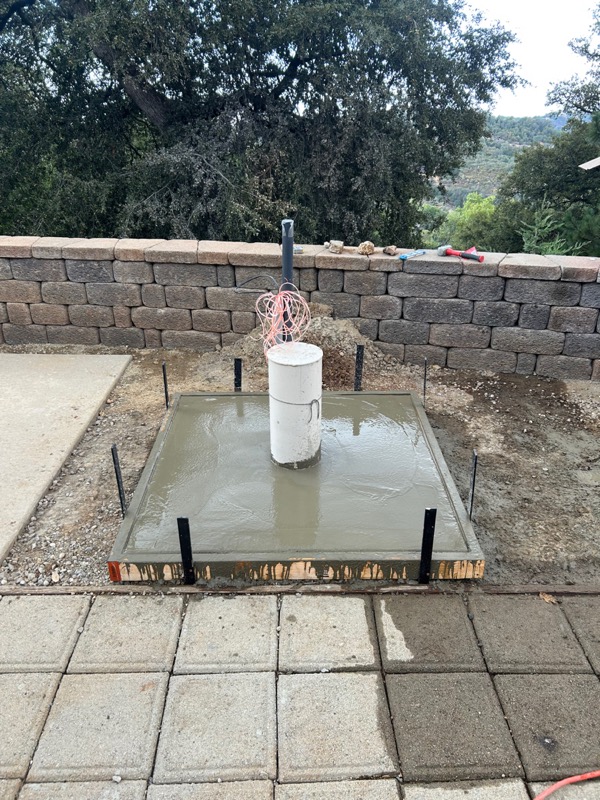
Growing avocados in Palm Springs? These water-loving trees need reliable, high-quality well water for healthy production. Southern California Well Service supports Riverside County avocado growers with specialized well services.
📋 In This Guide
- Avocado Water Demands
- Well Systems for Avocado Groves
- Chloride Sensitivity
- Partnering with Palm Springs Avocado Growers
- Related Articles
Avocado Water Demands
Avocados are thirsty trees:
- Mature tree: 40-70 gallons per day in summer
- Per acre: 4-6 acre-feet per year
- Critical periods: Fruit set and sizing
A reliable well is essential for profitable avocado production in Riverside County.
Well Systems for Avocado Groves
- High-capacity agricultural wells
- Storage tanks for peak demand periods
- Drip irrigation systems for efficiency
- Micro-sprinklers for young trees
- Pressure regulation for uniform coverage
Chloride Sensitivity
Avocados are highly sensitive to chloride in irrigation water. If your Palm Springs well has elevated chloride:
- Blending with lower-chloride water source
- Leaching irrigation to flush salts
- Rootstock selection for salt tolerance
- Regular soil and leaf testing
We test well water for avocado-critical parameters.
Partnering with Palm Springs Avocado Growers
Avocados are a major crop in Riverside County, and reliable water is essential for success. Contact us for well services designed for avocado production.
Need Help With Your Well in Palm Springs?
Our expert technicians serve Palm Springs and all of Riverside County with professional well services.
Related Articles
Continue learning about well maintenance and troubleshooting

Signs Your Well Pump Is Failing
Catch pump problems early before you lose water completely.
Low Water Pressure From Well
Diagnose and fix pressure problems before they get worse.
Well Maintenance Guide
Keep your well running smoothly with regular maintenance.
Our Locations
1077 Main St, Ramona, CA 92065
57174 US Highway 79, Anza, CA 92539
Desert Well Service for Palm Springs Properties
Palm Springs sits in the upper Coachella Valley of Riverside County, cradled against the steep eastern face of the San Jacinto Mountains. It is a desert resort city defined by sunshine, scorching summers, and the famous stands of fan palms that give the region its name. What it is decidedly not is avocado country. The summer heat regularly tops 110 degrees, the air is bone-dry, and the groundwater and soils of the valley floor are poorly suited to a frost-and-heat-sensitive crop like the Hass avocado. We think the most honest and useful thing we can offer a Palm Springs property owner is realistic guidance about desert wells, irrigation, and water management rather than a sales pitch about a grove that would struggle here.
Even so, water is the lifeblood of the desert, and private and estate wells absolutely have a place in and around Palm Springs, from large landscaped properties and date and citrus operations on the valley fringes to rural parcels beyond the reach of district water. Southern California Well Service has more than 30 years of experience keeping desert water systems reliable, and we hold a C-57 water well drilling license that qualifies us to work on the well itself, not just the plumbing.
How Wells Work in the Coachella Valley
Nearly all of the water used in the Coachella Valley comes from a single, very large groundwater basin, an aquifer that is several thousand feet deep and capable of storing tens of millions of acre-feet in its upper layers. The valley is divided by the San Andreas fault into subbasins, with the area around Palm Springs sitting near the San Gorgonio Pass and upper Indio subbasins. Wells that tap this aquifer for irrigation or supply are commonly completed to depths between roughly 490 and 900 feet, reaching water through deep beds of sand, gravel, and clay.
Subsidence is one consequence of that long pumping history worth understanding. In parts of the Coachella Valley, decades of withdrawing more groundwater than nature replaces have caused the land surface to settle measurably, and that ground movement can shear or distort a well casing over time. When we service a well in the valley, we watch for the telltale signs of casing stress, because catching a developing problem early is far cheaper than dealing with a collapsed or misaligned casing later. Groundwater replenishment programs that recharge the aquifer with imported water have helped stabilize levels in many areas, but local conditions still vary, and your individual well deserves an individual assessment.
A complete system on a desert property pairs a deep-set submersible pump or turbine with a pressure tank, a pressure switch, and frequently a storage reservoir so that water can be banked and applied on an efficient schedule. Because the lift from a deep water table is long, pump sizing and energy efficiency have a big effect on operating cost. Constant-pressure systems and properly matched controls can shave a meaningful amount off a season's power bill while delivering steadier pressure to the irrigation system.
Common Desert Well Problems
- Heat-stressed pumps and motors running long irrigation cycles through 110-degree afternoons.
- Hard, mineral-rich water that scales pump components, fixtures, and drip emitters.
- Deep-set pump wear from long lifts and continuous duty.
- Declining water levels in heavily pumped parts of the valley, which can affect older, shallower wells.
- Sediment intrusion from valley deposits clogging screens and filters.
- Pressure tank and switch failures producing rapid cycling and inconsistent flow.
What You Can Check Before Calling
A few simple checks can narrow things down. If you have no water, confirm the pump has power and that no breaker or control-box reset has tripped. Tap your pressure tank: a hollow ring near the top with a solid base means the air charge is intact, while a uniformly solid tank is likely waterlogged. A pump that switches on and off every few seconds is short-cycling, which usually means a pressure-switch or tank problem rather than a failed pump. On the irrigation side, walk your drip lines for clogged emitters and look for sections that have lost pressure, a sign of scale or sediment. Note any sudden change in the water's clarity, smell, or taste, since timing helps us pinpoint the cause.
When to Bring in a Professional
Pulling a deep pump, electrical work at the well, water-quality testing, and yield troubleshooting all call for a licensed contractor. In a climate this unforgiving, a failed pump in July is a genuine emergency. As a licensed C-57 contractor, Southern California Well Service is equipped to service the entire system from the producing zone in the aquifer to the pressure tank at the surface, and to document the work for Riverside County.
Realistic Cost Ranges
- Pressure switch replacement: $150 to $350
- Pressure tank replacement: $600 to $1,500
- Submersible pump replacement: $2,500 to $5,500
- Sediment filtration: $300 to $900
- Iron, manganese, or hardness treatment / softening: $1,500 to $3,500
- Constant-pressure or booster system: $2,000 to $4,500
- New well, turnkey: $18,000 to $42,000
- Hydrofracturing to improve yield: $3,000 to $8,000
- Well abandonment or decommissioning: $1,500 to $5,000
Deep valley wells fall toward the upper end of these ranges due to the lift and pump sizing involved. Our diagnostic visit is $125 and is credited toward any repair we perform.
Water efficiency is not just an environmental nicety in the desert, it is a matter of dollars and of plant health. Because evaporation is intense and irrigation is heavy, salts steadily accumulate in desert soils unless they are periodically flushed below the root zone with deliberate leaching. A well that delivers ample, steady water makes that leaching practical and keeps landscape and orchard plantings healthy; an undersized or failing well turns it into a constant battle. We design and rehabilitate systems with that whole cycle in mind, from the pump deep in the aquifer to the emitter at the base of each plant, so that the water you pay to lift hundreds of feet does the most good once it reaches the surface.
Serving Palm Springs and the Upper Coachella Valley
From our Anza office (57174 US Highway 79, Anza, CA 92539) and our Ramona office (1077 Main St, Ramona, CA 92065), we serve Palm Springs and the surrounding upper valley, including Cathedral City, Desert Hot Springs, the San Gorgonio Pass area, and rural parcels along the valley fringes. Our technicians understand deep-basin pumping, desert heat, and hard-water management. With a 4.9-star reputation and same-day emergency response, we work to restore your water quickly when the desert sun is at its worst. We also keep a stock of pumps, tanks, switches, and control parts on the truck so the majority of desert repairs can be finished in a single trip rather than leaving you without water while a part is ordered.
Frequently Asked Questions
Can you grow avocados in Palm Springs?
Not commercially. The extreme heat and dry air are hard on avocado trees, and valley water tends to be too mineral-heavy for them. Avocados thrive in the cooler coastal-influenced areas of Southern California, not on the Coachella Valley floor.
How deep are wells around Palm Springs?
Irrigation and supply wells in the valley are commonly completed between about 490 and 900 feet to reach the deep aquifer. We evaluate each property before recommending a depth and pump configuration.
Why is my desert well water so hard?
Coachella Valley groundwater is naturally mineral-rich, which causes scale and hardness. We test for hardness, iron, and manganese and recommend softening or treatment to protect your equipment and plants.
Are falling water levels a concern for my well?
In heavily pumped parts of the valley, water levels have declined, which can affect older or shallower wells. We can assess your well's depth and performance and advise on deepening, rehabilitation, or a constant-pressure upgrade.
Do I need a permit to drill a well in Riverside County?
Yes. New wells require permitting and inspection through Riverside County environmental health. As a licensed C-57 contractor, we handle permits and build to code.
What does a diagnostic visit cost?
Our diagnostic is $125, credited toward any repair we complete.
Keep Your Palm Springs Water Reliable
Whether you irrigate an estate landscape, run a small grove on the valley fringe, or depend on a rural well, Southern California Well Service has the desert experience and the C-57 license to keep your system dependable. Call (760) 440-8520 or text (619) 259-0410 to schedule service or request a free estimate.