
Well Services for Palomar Mountain Avocado Groves
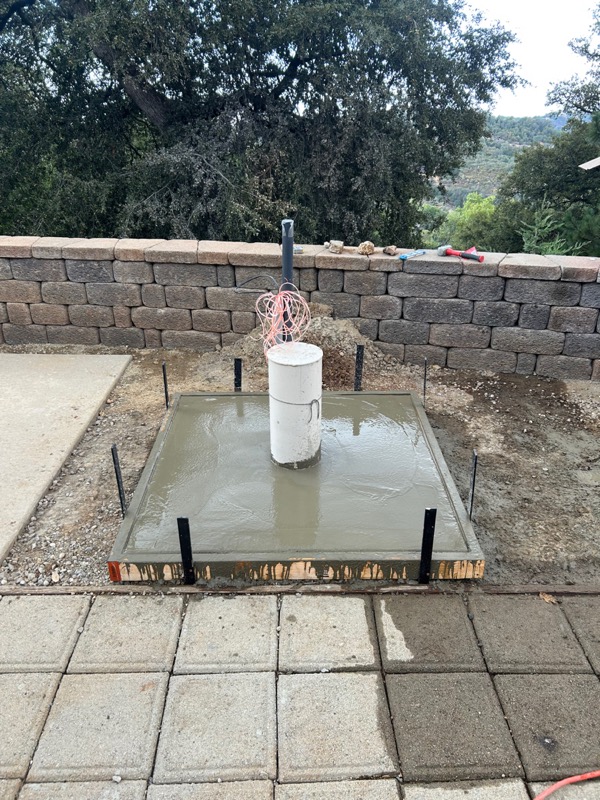
Growing avocados in Palomar Mountain? These water-loving trees need reliable, high-quality well water for healthy production. Southern California Well Service supports San Diego County avocado growers with specialized well services.
📋 In This Guide
- Avocado Water Demands
- Well Systems for Avocado Groves
- Chloride Sensitivity
- Partnering with Palomar Mountain Avocado Growers
- Related Articles
Avocado Water Demands
Avocados are thirsty trees:
- Mature tree: 40-70 gallons per day in summer
- Per acre: 4-6 acre-feet per year
- Critical periods: Fruit set and sizing
A reliable well is essential for profitable avocado production in San Diego County.
Well Systems for Avocado Groves
- High-capacity agricultural wells
- Storage tanks for peak demand periods
- Drip irrigation systems for efficiency
- Micro-sprinklers for young trees
- Pressure regulation for uniform coverage
Chloride Sensitivity
Avocados are highly sensitive to chloride in irrigation water. If your Palomar Mountain well has elevated chloride:
- Blending with lower-chloride water source
- Leaching irrigation to flush salts
- Rootstock selection for salt tolerance
- Regular soil and leaf testing
We test well water for avocado-critical parameters.
Partnering with Palomar Mountain Avocado Growers
Avocados are a major crop in San Diego County, and reliable water is essential for success. Contact us for well services designed for avocado production.
Need Help With Your Well in Palomar Mountain?
Our expert technicians serve Palomar Mountain and all of San Diego County with professional well services.
Related Articles
Continue learning about well maintenance and troubleshooting

Signs Your Well Pump Is Failing
Catch pump problems early before you lose water completely.
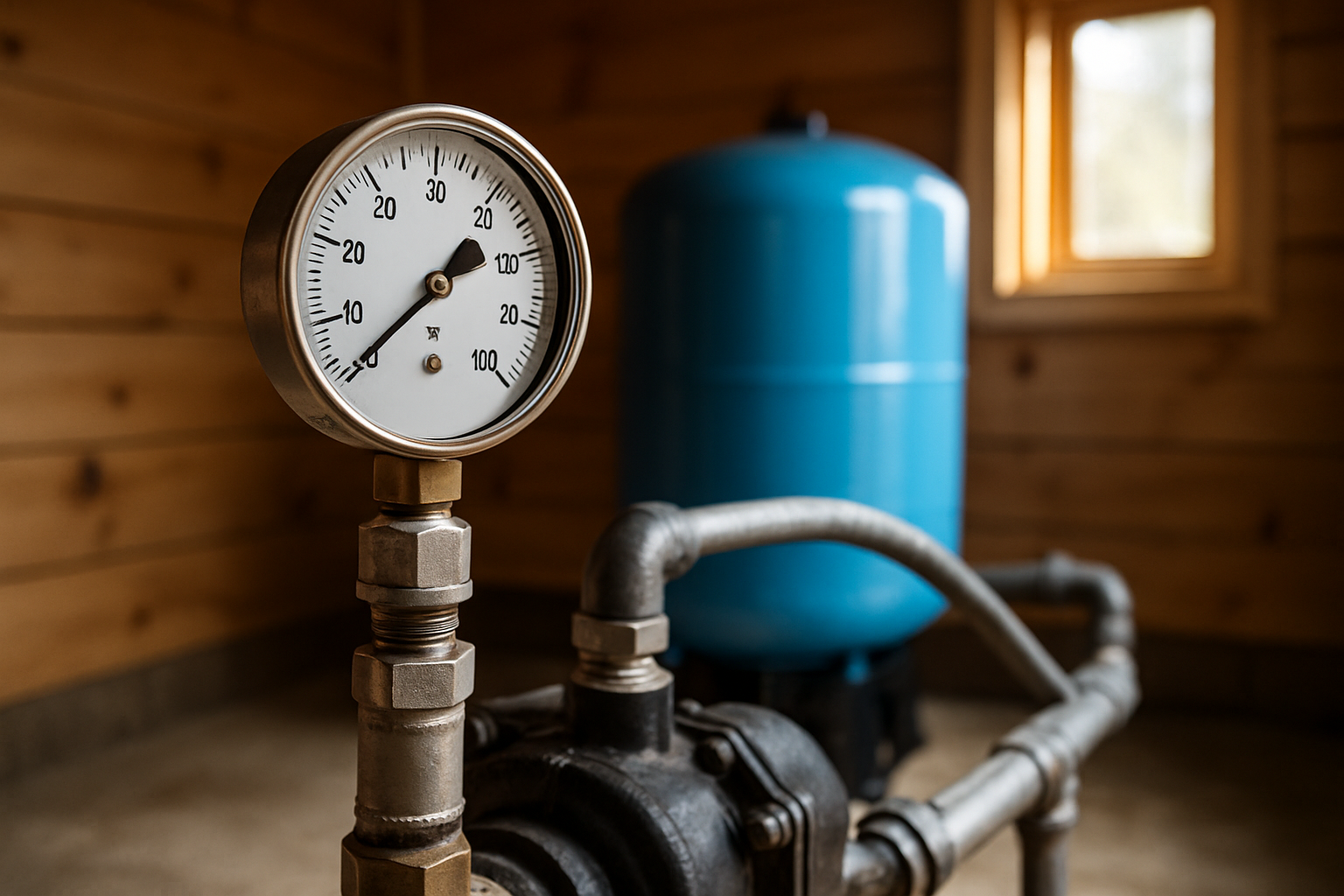
Low Water Pressure From Well
Diagnose and fix pressure problems before they get worse.
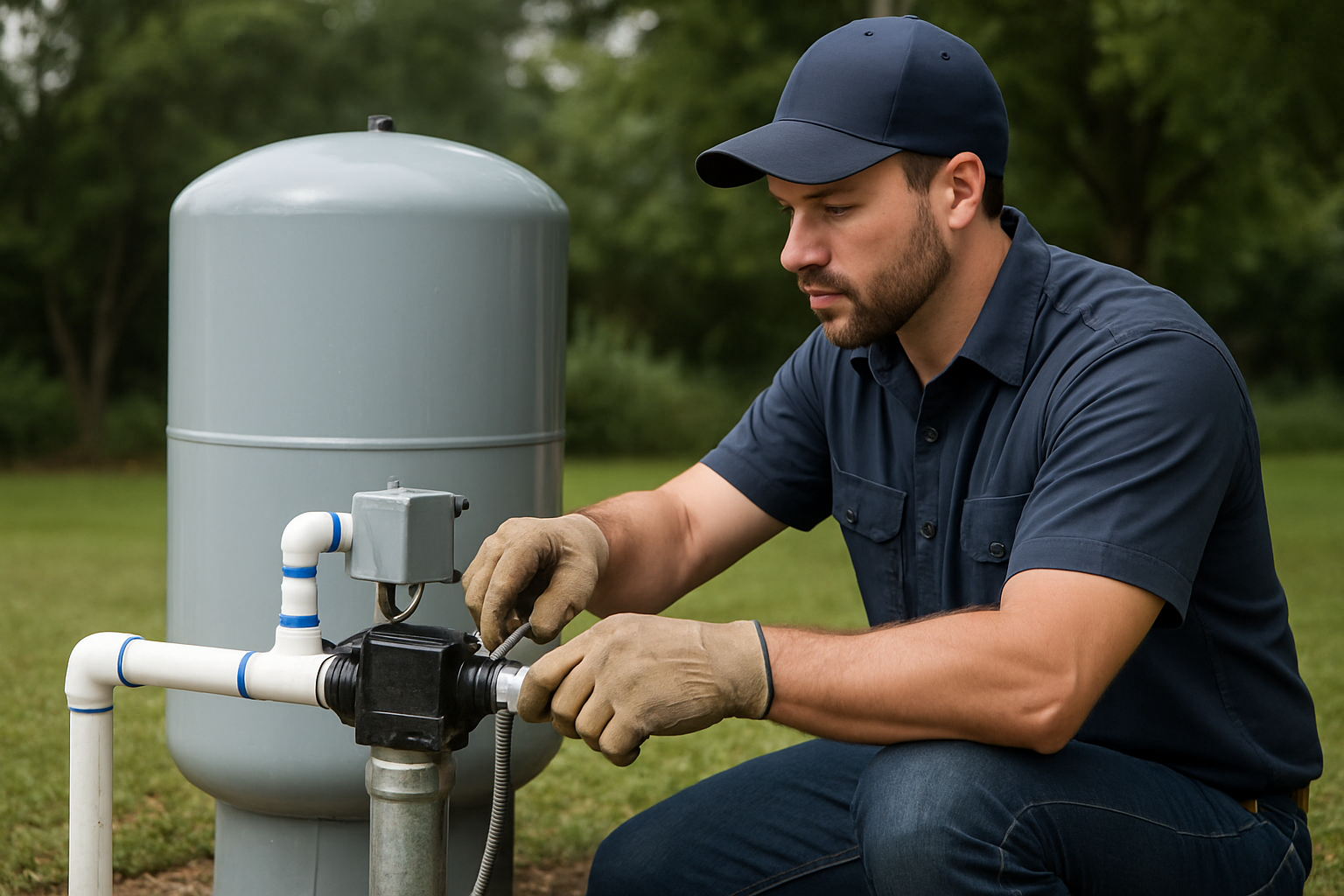
Well Maintenance Guide
Keep your well running smoothly with regular maintenance.
Our Locations
1077 Main St, Ramona, CA 92065
57174 CA-371 (US Hwy 79), Anza, CA 92539
Well Water for Avocado and Citrus Groves Around Palomar Mountain and Pauma Valley
If you farm avocados or citrus on the slopes and valleys around Palomar Mountain, your grove lives or dies by the reliability of your well. Palomar Mountain rises to roughly 6,135 feet in northern San Diego County, best known for the Palomar Observatory. At its western base sits Pauma Valley, tucked between Valley Center and the mountain along State Route 76 — a genuine citrus and avocado district where operations like Pauma Tribal Farms manage hundreds of acres of avocados, grapefruit, lemons, limes, olives, and grapes. Growers here depend almost entirely on private wells and pumped storage to carry mature trees through hot, dry summers. Southern California Well Service has spent more than 30 years drilling, repairing, and maintaining agricultural wells in exactly this kind of decomposed-granite country, and we know what it takes to keep a grove watered.
How a Grove Well and Irrigation System Actually Works
A productive avocado or citrus grove is not just a well — it is a complete water system, and every component has to work together. Understanding the pieces helps you spot trouble before it costs you a crop.
- The well and submersible pump — In the fractured crystalline bedrock around Palomar Mountain, wells are commonly drilled 200 to 600 feet or deeper to intersect water-bearing fractures. A submersible pump set down-hole lifts that water to the surface.
- Storage tank or reservoir — Because granite wells often yield slowly, most groves store water in a tank or pond so the system can deliver a high flow during irrigation cycles even when the well refills gradually.
- Pressure and booster pumps — A booster or constant-pressure pump pushes stored water through the grove at the steady pressure that drip and micro-sprinkler emitters require for even coverage.
- Filtration and treatment — Sediment screens, media filters, and where needed iron or salinity treatment protect emitters from clogging and protect salt-sensitive trees.
- Drip and micro-sprinklers — The distribution network delivers water tree by tree. Mature avocados can demand 40 to 70 gallons per day per tree in midsummer, and a planted acre may use several acre-feet of water per year.
When any single link fails — a tired pump, a waterlogged tank, a clogged filter — the whole grove feels it within days.
Common Well and Water Problems on Palomar Mountain Groves
The geology and climate around Pauma Valley and Palomar Mountain create a predictable set of issues. After three decades in San Diego County's backcountry, these are the scenarios we see most often.
Low Yield in Fractured Granite
Decomposed granite and crystalline bedrock do not hold water the way sandy aquifers do. Water moves through cracks and fractures, so two wells a few hundred feet apart can produce wildly different flows. A well that ran 30 gallons per minute for years can drop off as fractures silt up or the water table falls. When a low-yield well can no longer keep the storage tank ahead of demand, hydrofracturing — injecting high-pressure water to open and clean the existing fractures — can often restore or improve production without drilling a brand-new well.
Chloride and Salinity
Avocados are among the most salt-sensitive crops grown in California. Elevated chloride in well water shows up as leaf-tip burn, reduced vigor, and lower yields long before the tree dies. Citrus is somewhat more tolerant but still suffers. We test grove water for chloride, sodium, and total dissolved solids, and we help growers respond with blending, leaching fractions, salt-tolerant rootstock decisions, and where appropriate, treatment equipment.
Sediment, Iron, and Manganese
Granite wells frequently carry fine sand and grit, especially after pump work or seasonal water-level swings. Sediment scours pump impellers and plugs the tiny orifices in drip emitters. Iron and manganese can stain equipment and feed bacterial slimes that clog lines. Proper filtration and, in some cases, an iron filter or treatment system keep the irrigation network flowing.
Pump Wear and Drought Drawdown
Pumps that run long hours through the irrigation season simply wear out — bearings fail, impellers erode, and motors short. Drought makes it worse: when the water table drops, a pump set too high can begin sucking air, overheat, and burn up. We size and set pumps for the conditions your specific well sees in a dry year, not just a wet one.
Winter, Freeze, and Elevation Considerations
Pauma Valley enjoys mild winters that favor avocados, but higher elevations on Palomar Mountain can see hard frost. Exposed pipe, pressure tanks, backflow assemblies, and pump houses need freeze protection, and growers often run irrigation for frost protection on cold nights — which puts sudden, heavy demand on the well and pump exactly when reliability matters most.
What to Check Before You Call
A few simple observations help you — and us — diagnose a problem faster:
- Watch your storage tank or reservoir level through an irrigation cycle. If it drains faster than it refills, your well yield or pump may be falling off.
- Note pressure at the emitters. Uneven coverage or weak drippers at the far end of a block often signal a pressure or filtration problem.
- Look and listen at the pressure tank. Rapid pump cycling (short on-off bursts) usually means a waterlogged tank or a failing pressure switch.
- Inspect filters for rapid clogging, and check for sand at the wellhead or in the tank bottom.
- Check for leaf-tip burn on avocados, which can point to rising chloride in the water.
- Confirm power at the pump panel; rural power flickers and surges are a common cause of tripped or failed controls.
When to Call a Professional
Some things are safe to check yourself. Others are not. Call a licensed well contractor when you have no water and a full or refilling tank (a pump or electrical fault), when the well is producing sand or air, when pressure has dropped across the whole grove, when water tests show rising chloride or salinity, or any time work involves pulling the pump or touching the down-hole equipment. Pump pulling on a deep granite well requires specialized rigs and experience — it is not a job for a general handyman, and a botched attempt can drop equipment down the borehole.
Realistic Cost Ranges
Every grove is different, but these ranges reflect typical San Diego County backcountry pricing so you can budget with confidence:
- Pressure switch replacement: $150–$350
- Pressure tank replacement: $600–$1,500
- Pump replacement: $2,500–$5,500
- Sediment filtration: $300–$900
- Iron/manganese filter or water softener: $1,500–$3,500
- Constant-pressure or booster system: $2,000–$4,500
- Hydrofracturing a low-yield well: $3,000–$8,000
- New well, turnkey: $18,000–$42,000
Our $125 diagnostic fee is credited toward any repair we perform, so an honest assessment costs you nothing if you move forward with the work.
Serving Palomar Mountain, Pauma Valley, and the Surrounding Groves
From our Ramona office at 1077 Main St, Ramona, CA 92065 — close to Palomar and Pauma — we reach grove owners fast across Pauma Valley, Valley Center, Rincon, La Jolla Amago, Birch Hill, and the Lake Henshaw area along SR-76. Our Anza office at 57174 CA-371 (US Hwy 79), Anza, CA 92539 extends that same-day coverage into the high country. We are a licensed C-57 water well drilling contractor with a 4.9-star reputation, offering same-day emergency service when a grove loses water during peak demand.
Frequently Asked Questions
How deep are wells around Palomar Mountain and Pauma Valley?
Most wells in this decomposed-granite and fractured-bedrock country are drilled 200 to 600 feet or deeper to reach productive water-bearing fractures. Depth and yield vary significantly from one parcel to the next, which is why local experience matters when siting or servicing a well.
Why are my avocado leaves showing tip burn?
Leaf-tip burn on avocados is a classic sign of chloride or salinity stress, often from well water. We can test your water for chloride, sodium, and total dissolved solids and recommend blending, leaching, treatment, or rootstock strategies to protect the trees.
Can a low-producing well be improved without drilling a new one?
Often, yes. Hydrofracturing injects high-pressure water to open and clean existing fractures in the granite, which can restore or boost yield for roughly $3,000–$8,000 — far less than a new well. We evaluate whether your well is a good candidate before recommending it.
How much water does a mature avocado tree need?
A mature avocado can use 40 to 70 gallons per day in midsummer, and a planted acre may require several acre-feet per year. That demand is exactly why dependable well capacity and storage are so critical in Pauma Valley.
Do you offer emergency service to groves?
Yes. We provide same-day emergency response from our Ramona office, which sits close to Palomar Mountain and Pauma Valley. Losing water during fruit set or a heat wave is a true emergency for a grower, and we treat it that way.
How much does it cost to have you come out?
Our diagnostic visit is $125, and that fee is credited toward any repair we complete. You get a clear, honest assessment of your well and irrigation system with no obligation.
Get Your Grove's Water Back On Line
Whether you are troubleshooting a tired pump, fighting chloride in your irrigation water, or planning a new well for an expanding grove, Southern California Well Service is ready to help. Call (760) 440-8520 or text us at (760) 219-5877 for fast, local, licensed service across Palomar Mountain and Pauma Valley.