
Well Services for Perris Avocado Groves
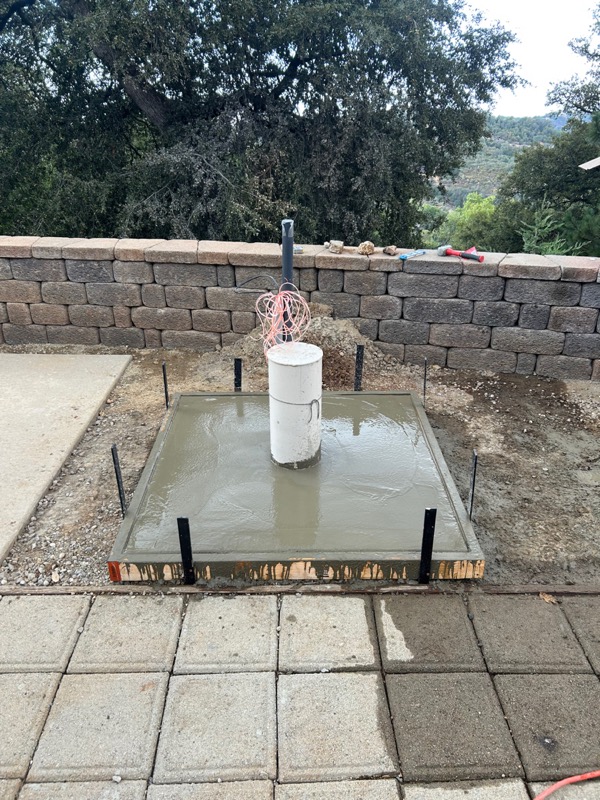
Growing avocados in Perris? These water-loving trees need reliable, high-quality well water for healthy production. Southern California Well Service supports Riverside County avocado growers with specialized well services.
📋 In This Guide
- Avocado Water Demands
- Well Systems for Avocado Groves
- Chloride Sensitivity
- Partnering With Growers
- Related Articles
Need Help With Your Well in Perris?
Our expert technicians serve Perris with professional well services.
Related Articles
Continue learning about well maintenance and troubleshooting

Signs Your Well Pump Is Failing
Catch pump problems early before you lose water completely.
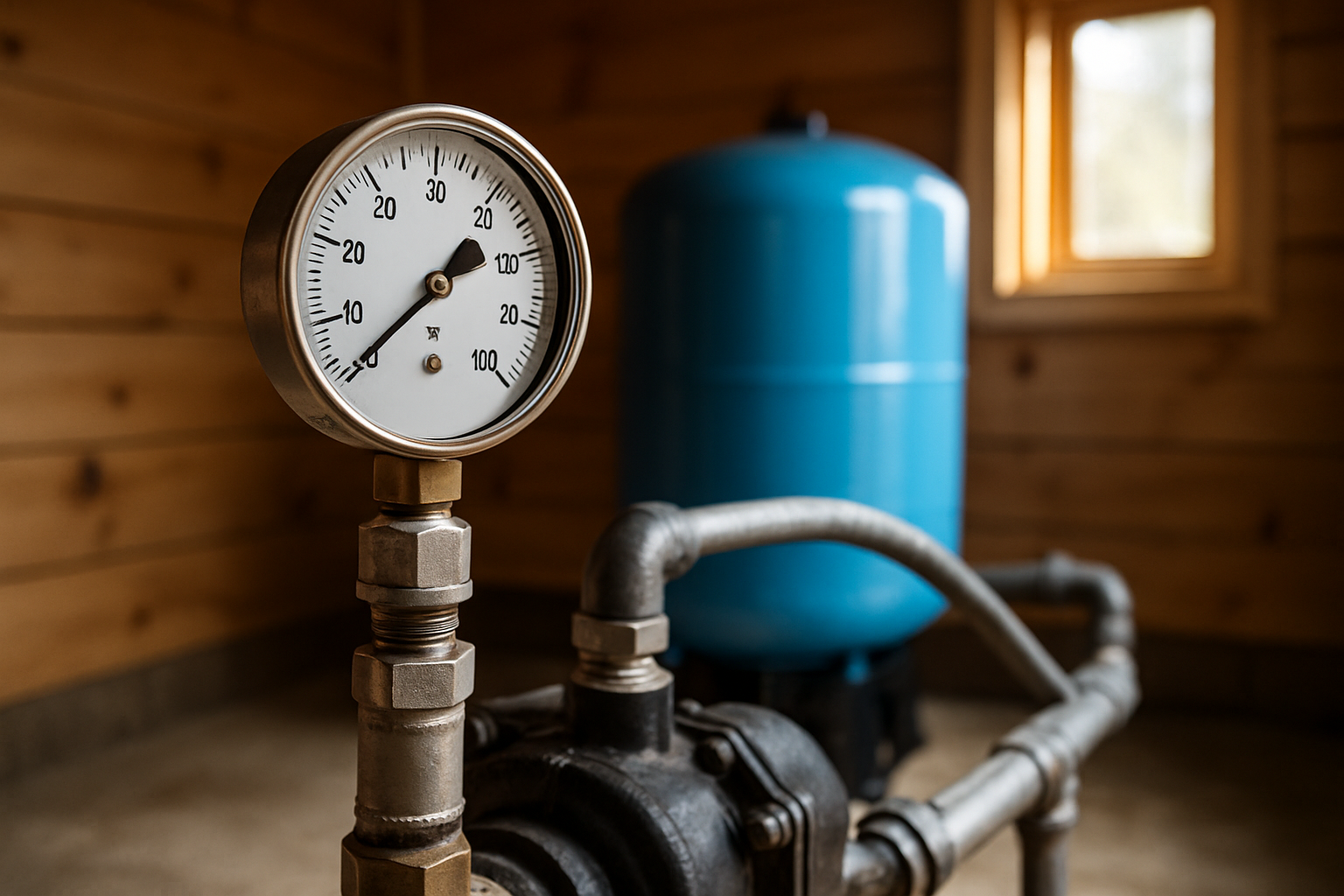
Low Water Pressure From Well
Diagnose and fix pressure problems before they get worse.

Well Maintenance Guide
Keep your well running smoothly with regular maintenance.
Our Locations
1077 Main St, Ramona, CA 92065
57174 CA-371 (US Hwy 79), Anza, CA 92539
Perris sits on the broad, flat valley floor of the San Jacinto / Perris Valley in southwestern Riverside County, ringed by low decomposed-granite hills and neighbored by Lakeview, Nuevo, Menifee and the recreation area around Lake Perris. The valley has deep agricultural roots: poultry ranches, row crops and citrus have shaped the land for generations, and avocados have found a foothold on the better-drained slopes that climb away from the alluvial flats. It is genuine inland farm country, and the water that keeps it productive comes largely from private wells tapping the San Jacinto groundwater basin.
That setting creates a distinct set of irrigation realities. Summers here are hot and dry, with long stretches of triple-digit afternoons that drive water demand sky-high, while still winter nights on the valley floor can drop into frost territory. Avocados are unusually fussy about both heat and water quality, so a Perris grower's success rests heavily on a well that delivers enough water, at the right pressure, with chemistry the trees can tolerate. This guide walks through what that takes.
Whether you farm a few hillside acres above the valley or run a larger planting on the bench soils, the fundamentals are the same: understand your trees' demand, build a system that meets peak load, and keep a close eye on salinity. Below we cover each piece, along with the well problems we see most often in the Perris area and what it costs to address them.
Avocado Irrigation Water Needs in Perris
Avocados are shallow-rooted, thin-barked, and remarkably thirsty for a tree crop. In the hot, low-humidity climate of the Perris Valley, a single mature tree can draw roughly 40 to 70 gallons per day at the height of summer. Across a planted acre, annual demand commonly lands in the 4 to 6 acre-feet per year range, with inland heat pushing growers toward the upper end of that band compared with cooler coastal groves.
Timing matters as much as volume. The stretch from bloom through fruit set and early sizing, generally June through September, is when the trees are least forgiving of water stress. A few days of shortfall during fruit set can translate into dropped fruit and a lighter crop the following year. Because evapotranspiration climbs steeply on hot, windy valley afternoons, your system has to be sized for those worst-case days, not the seasonal average.
The practical takeaway is that a Perris grove needs a water source capable of sustaining peak demand through the hottest months. A well that comfortably supplies the trees in spring may fall short in late summer, which is exactly when failure is most costly.
Designing a Well & Irrigation System for an Avocado Grove
Designing a grove water system starts with matching well capacity to acreage. We size the system in gallons per minute against the grove's peak daily demand, then build in a safety margin so the pump is not running at its absolute limit on the hottest day of the year.
- Submersible pump selection matched to the well's depth, yield and the grove's flow and pressure needs, so the pump runs efficiently rather than cycling or overheating.
- Storage tanks or a reservoir to buffer peak demand. This is especially valuable where a well has modest or variable yield: the pump fills storage steadily around the clock, and the grove draws from the tank during peak irrigation windows.
- Booster pumps to lift pressure for hillside blocks and uphill plantings common on Perris's bench and slope ground.
- Filtration to keep emitters clear of sand and sediment, which protects the precision of the system.
- Drip versus micro-sprinkler choices. Drip is efficient and precise; micro-sprinklers wet a wider root zone and double as a frost-protection tool.
- Pressure regulation so every block, top of slope to bottom, receives uniform application.
Frost protection deserves special attention on the Perris Valley floor, where cold air pools on calm winter nights. Micro-sprinklers running during a freeze release latent heat as water turns to ice, helping protect young trees. A well and pump sized with that cold-night draw in mind give you the option to defend a tender planting when temperatures dip.
Water Quality: Why Salinity and Chloride Matter So Much
Avocados are among the most salt-, chloride- and sodium-sensitive tree crops in commercial agriculture. Where citrus might shrug off water that a grape vine tolerates, avocados show stress at levels other crops never notice. The classic symptom is chloride leaf burn: a scorched, brown margin on the leaves that signals salt accumulation in the tissue.
Most growers aim to keep chloride below roughly 100 to 150 ppm in irrigation water, and to watch sodium and the sodium adsorption ratio (SAR) alongside overall salinity (EC). Because groundwater chemistry across the San Jacinto basin varies from well to well, the only way to know your numbers is to test. We sample for the parameters that actually matter to avocados rather than a generic potability panel.
When a well runs saltier than ideal, several tools help: blending with a lower-chloride source, applying a deliberate leaching fraction so a little extra water flushes salts below the root zone, and planting on salt-tolerant clonal rootstocks such as Dusa or Toro Canyon. Together these let many growers farm successfully on water that would otherwise damage the trees.
Common Well Problems for Perris Growers
Across our years working the Riverside County backcountry and valley, the issues we see most often in the Perris area include:
- Declining yield as a well ages or as the local water table drops during dry cycles.
- Sand and sediment from the valley's alluvial deposits, which wears pumps and clogs drip emitters.
- Scaling and mineral buildup from hard, mineral-rich groundwater that shortens pump and pressure-tank life.
- Pump wear from running long hours through hot summers.
- Drought drawdown, where heavy regional pumping pulls the water level down and reduces what a well can deliver.
- Iron and manganese, which stain and can foul irrigation hardware.
None of these are unusual for an inland valley well, but each can quietly choke a grove's water supply right when the trees need it most.
Maintenance & Drought Reliability
The cheapest gallon is the one you never lose to a preventable breakdown. We recommend an annual inspection that includes a flow test, a water-level check and a look at the pump's electrical draw, so declining performance is caught before it becomes a failure. Periodic well rehabilitation, brushing and chemical treatment to clear scale and biofouling, can restore yield to a tired well.
For wells that never produced strongly, hydrofracturing can open fractures in the surrounding rock and boost output, a particularly useful tool where a grove sits on the harder granitic ground at the valley margins. Pairing a reliable well with storage and a measure of redundancy is the surest way to ride out a dry summer or a basin in decline.
When to Call a Professional
Call us when you notice any of these warning signs: water pressure that sags during peak irrigation, air spitting from emitters, a pump that short-cycles or runs constantly, sand or cloudiness in the water, a sudden jump in your power bill, or visible salt burn on the leaves despite normal watering. These are the early signals that a well, pump or water-quality problem is developing, and catching them early is far cheaper than replacing a crop.
Cost Ranges
Pricing varies with depth, geology and site access, but typical ranges in the region are:
- New agricultural well, turnkey: $25,000 to $60,000 or more
- High-capacity pump (supply and install): $3,000 to $8,000
- Hydrofracturing to boost a low-yield well: $3,000 to $8,000
- Diagnostic visit: $125, credited toward any work performed
Harder rock at the valley edges can run deeper and raise the cost, while wells on softer alluvial ground may come in lower. We give an honest assessment after seeing the site.
Serving Perris Avocado Growers
Southern California Well Service is a licensed C-57 water well drilling contractor with more than 30 years serving San Diego, Riverside and San Bernardino counties, including Perris and the surrounding San Jacinto / Perris Valley communities of Lakeview, Nuevo and Menifee. We work from two offices, in Ramona (1077 Main St, Ramona, CA 92065) and Anza (57174 CA-371 (US Hwy 79), Anza, CA 92539), and our customers rate us 4.9 stars. From new ag wells and high-capacity pumps to water testing and drought rehabilitation, we handle the full water system so you can focus on the trees.
Frequently Asked Questions
How much water does an avocado tree in Perris need?
A mature avocado tree in the hot Perris Valley can use roughly 40 to 70 gallons per day during peak summer, and a full acre commonly needs about 4 to 6 acre-feet per year. Inland heat and low humidity push demand toward the upper end.
Why is chloride such a problem for Perris avocado growers?
Avocados are among the most chloride- and sodium-sensitive tree crops grown. Many growers aim to keep chloride below roughly 100 to 150 ppm in irrigation water. Because groundwater chemistry in the San Jacinto basin varies, testing your well is the only way to know where you stand.
Can frost damage avocados on the Perris Valley floor?
Yes. The flat valley floor traps cold air on still winter nights, so frost is a real risk. A well sized for cold protection lets you run micro-sprinklers during a freeze, which releases heat and helps shield young trees.
What does a new agricultural well cost near Perris?
A turnkey agricultural well typically runs about $25,000 to $60,000 or more depending on depth and geology. High-capacity pumps generally run $3,000 to $8,000, and a diagnostic visit is $125, credited toward work performed.
Do you serve the Perris area?
Yes. Southern California Well Service is a licensed C-57 contractor with offices in Ramona and Anza, and we serve Perris, Lakeview, Nuevo, Menifee and the wider San Jacinto / Perris Valley. Call (760) 440-8520 or text (760) 219-5877.
Call (760) 440-8520 or text (760) 219-5877 for a grove water assessment.