
Well Services for Pinon Hills Avocado Groves
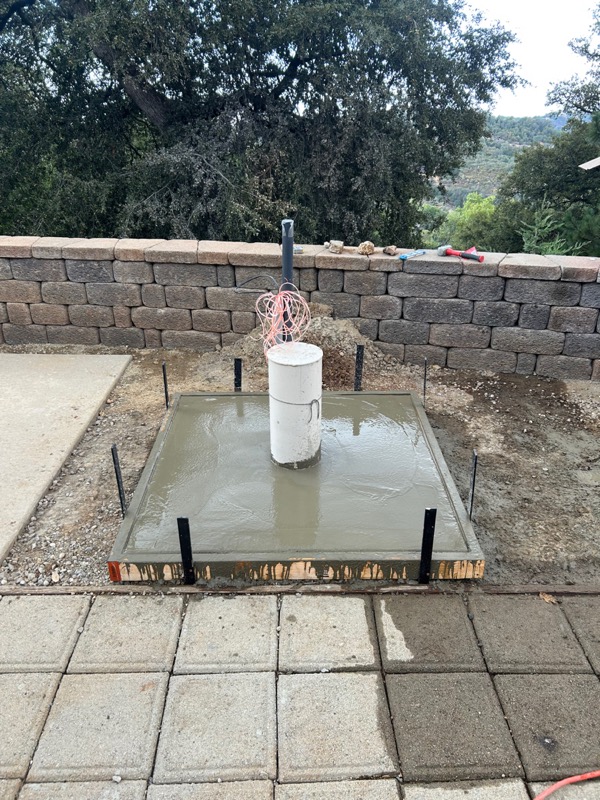
Growing avocados in Pinon Hills? These water-loving trees need reliable, high-quality well water for healthy production. Southern California Well Service supports San Bernardino County avocado growers with specialized well services.
📋 In This Guide
- Avocado Water Demands
- Well Systems for Avocado Groves
- Chloride Sensitivity
- Partnering with Pinon Hills Avocado Growers
- Related Articles
Avocado Water Demands
Avocados are thirsty trees:
- Mature tree: 40-70 gallons per day in summer
- Per acre: 4-6 acre-feet per year
- Critical periods: Fruit set and sizing
A reliable well is essential for profitable avocado production in San Bernardino County.
Well Systems for Avocado Groves
- High-capacity agricultural wells
- Storage tanks for peak demand periods
- Drip irrigation systems for efficiency
- Micro-sprinklers for young trees
- Pressure regulation for uniform coverage
Chloride Sensitivity
Avocados are highly sensitive to chloride in irrigation water. If your Pinon Hills well has elevated chloride:
- Blending with lower-chloride water source
- Leaching irrigation to flush salts
- Rootstock selection for salt tolerance
- Regular soil and leaf testing
We test well water for avocado-critical parameters.
Partnering with Pinon Hills Avocado Growers
Avocados are a major crop in San Bernardino County, and reliable water is essential for success. Contact us for well services designed for avocado production.
Need Help With Your Well in Pinon Hills?
Our expert technicians serve Pinon Hills and all of San Bernardino County with professional well services.
Related Articles
Continue learning about well maintenance and troubleshooting

Signs Your Well Pump Is Failing
Catch pump problems early before you lose water completely.
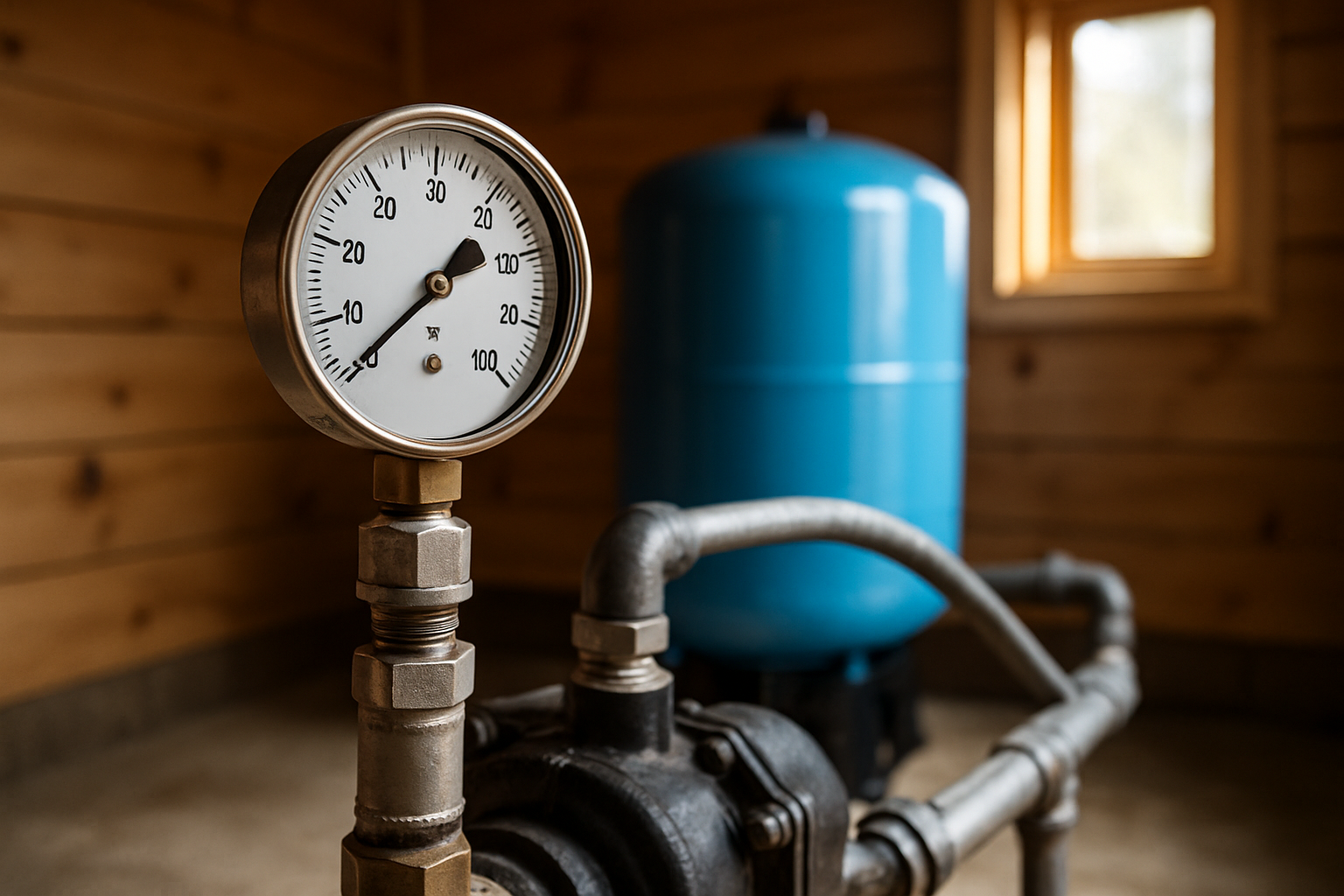
Low Water Pressure From Well
Diagnose and fix pressure problems before they get worse.
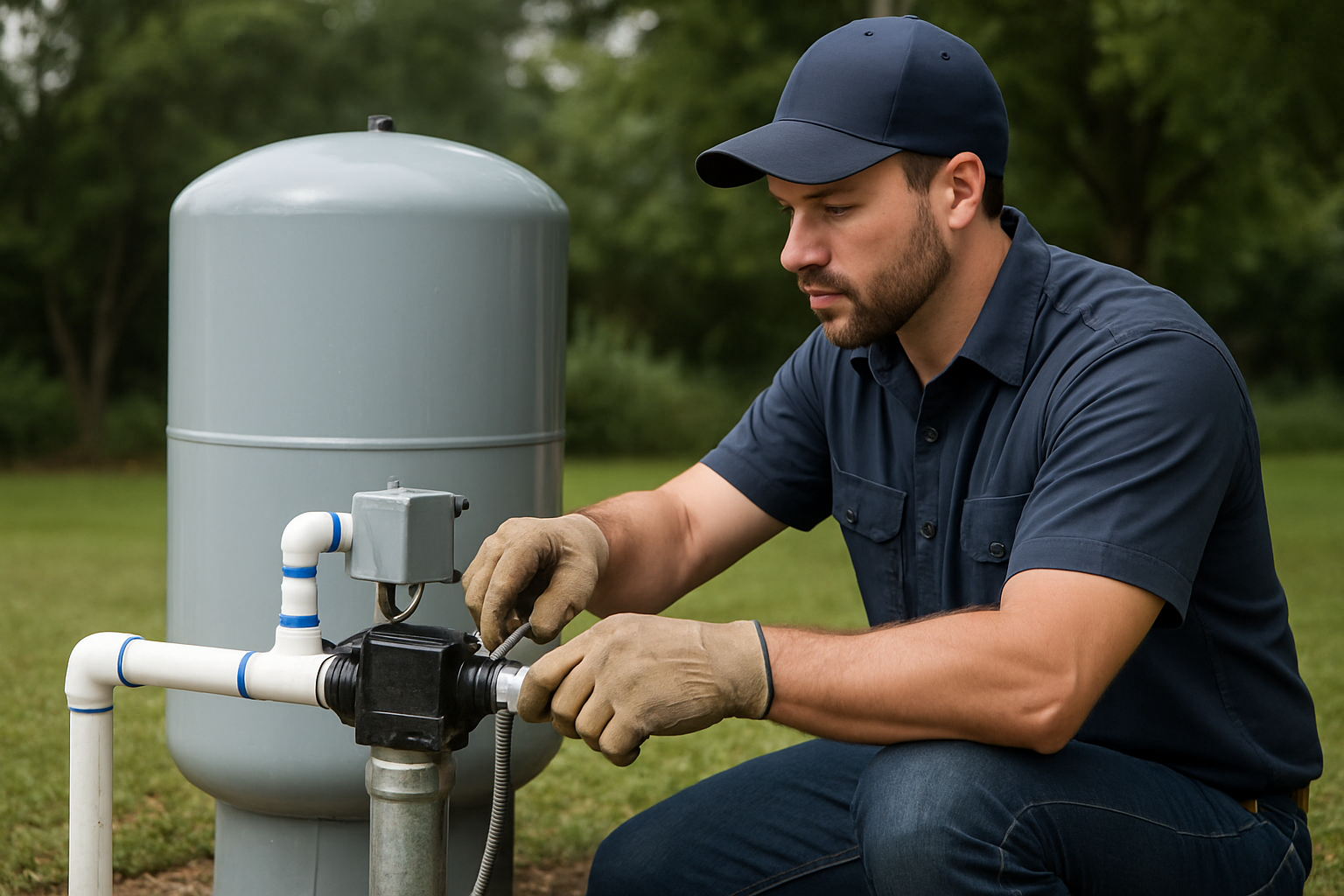
Well Maintenance Guide
Keep your well running smoothly with regular maintenance.
Our Locations
1077 Main St, Ramona, CA 92065
57174 US Highway 79, Anza, CA 92539
High-Desert Well Service for Pinon Hills Homesteads
Pinon Hills sits high on the desert side of the San Gabriel Mountains, an unincorporated community in San Bernardino County strung along Pearblossom Highway (State Route 138). It is roughly 28 miles east of Palmdale and about 15 miles west of the Cajon Pass and Interstate 15, where the road climbs toward Wrightwood. At more than 4,000 feet of elevation, Pinon Hills is the highest of the High Desert submarkets, noticeably cooler than Victorville or Hesperia down on the valley floor, and it sits in a USDA cold-hardiness zone closer to 8a/8b. That elevation shapes everything about owning a private well here: the summers run hot and dry, but the winters bring hard freezes that valley residents rarely worry about.
Most of the community is zoned Rural Living (RL) — single-family homes on large parcels, often 2.5 acres or more, with incidental agriculture and animal-keeping built right into the lifestyle. Horses, livestock, and fowl are common, and so are gardens, fruit trees, and small-scale plantings tucked among the native pinyon-juniper woodland, Joshua trees, and desert scrub. The nearby Puma Canyon Ecological Reserve is a reminder of just how high-desert this landscape really is. To be clear about one thing up front: this is not avocado country. Avocados are frost-tender and would not survive a Pinon Hills winter. What thrives here are cold-hardy crops — apples, stone fruit like peaches and apricots, and the kind of high-desert garden that can take a freeze. Southern California Well Service helps homeowners keep the water flowing to all of it: the house, the barn and corrals, the garden beds, and the orchard.
How a High-Desert Well and Pressure System Works
A private well system in Pinon Hills is more than just a pump in a hole. Understanding the parts helps you spot trouble early and talk with a technician clearly.
- The well and casing: Many Pinon Hills parcels draw from Mojave-area groundwater. Depths vary widely across the community, but a few hundred feet is common. The casing keeps the borehole open and protects your water from surface contamination.
- The submersible pump: Set down in the water column, this pushes water to the surface. It works hard during summer irrigation and is the single most expensive component to replace, so protecting it pays off.
- The pressure tank: This holds a cushion of pressurized water so the pump is not cycling on and off every time you open a tap. A waterlogged or failed tank is one of the most common service calls we get.
- The pressure switch and controls: These tell the pump when to start and stop. A worn switch causes erratic pressure, short-cycling, or a pump that will not shut off.
- Storage and delivery: On larger RL parcels feeding livestock troughs, gardens, and an orchard, a storage tank plus a booster or constant-pressure system smooths out demand so the house and the animals never run dry at the same time.
Because Pinon Hills water is often hard and mineral-rich, treatment — sediment filtration, iron and manganese removal, or softening — is frequently part of a complete system.
Common Well Problems in Pinon Hills
After 30-plus years serving High Desert and backcountry homesteads, we see the same patterns repeat in Pinon Hills. Knowing them helps you call at the right time instead of after a small issue becomes an expensive one.
- Hard, mineral-rich water: Calcium, magnesium, iron, and manganese are common in local groundwater. They leave scale in pipes and fixtures, stain sinks and laundry, and shorten the life of pumps and appliances.
- Sediment and sand: Fine grit from the formation can cloud your water, clog aerators and irrigation emitters, and wear out pump components over time.
- Heat-stressed pumps in summer: When you are running irrigation for the garden and orchard plus filling stock tanks through a 100-degree afternoon, a marginal pump or undersized system gets pushed to its limit and fails.
- Freeze damage in winter: This is the big one at Pinon Hills elevation. Exposed wellheads, pressure tanks, pump houses, and above-ground pipe can freeze and crack on a cold night, leaving you with no water and a burst-pipe mess the next morning.
- Low yield and drought drawdown: During dry years the water table can drop. A pump that is set too shallow may start sucking air, causing sputtering taps and a pump that runs without delivering water.
- Aging pressure tanks and switches: Rapid clicking, water hammer, or pressure that swings from a trickle to a blast usually points to a failing tank bladder or a worn switch.
What You Can Check Before You Call
A few safe checks can help you describe the problem and sometimes save a service call:
- Check the breaker. Well pumps run on dedicated circuits. A tripped breaker is a frequent and easy cause of "no water." Reset it once; if it trips again, stop and call a pro — that points to an electrical fault.
- Look at the pressure gauge. Note the pressure where the pump kicks on and off. Readings that never build, or that swing wildly, tell a technician a lot.
- Tap the pressure tank. The top should sound hollow and the bottom solid. If it sounds full of water all the way up, the bladder has likely failed.
- Listen for short-cycling. A pump rapidly clicking on and off is under stress and needs attention before it burns out.
- In winter, check exposed components. If you lost water after a freezing night, look for frost or splits at the wellhead, tank, and exposed pipe — but do not thaw with an open flame.
When to Call a Professional
Call us right away if the breaker trips repeatedly, if you smell or see scorching at the controls, if you have no water and cannot trace it to a simple breaker reset, or if you suspect a frozen or burst line. Pulling a submersible pump, diagnosing well yield, sizing a constant-pressure system, and wiring controls are jobs for a licensed contractor. We are a licensed C-57 water well contractor with more than 30 years of experience, and pump and well work involves electrical, mechanical, and water-safety hazards that are not worth a DIY risk.
Realistic Cost Ranges
Every property is different, but these ranges give Pinon Hills homeowners a realistic starting point. We provide a firm quote before any work begins, and our $125 diagnostic fee is credited toward the repair when you move forward.
- Pressure switch replacement: $150 to $350
- Pressure tank replacement: $600 to $1,500
- Submersible pump replacement: $2,500 to $5,500
- Sediment filtration: $300 to $900
- Iron/manganese filtration or water softener: $1,500 to $3,500
- Constant-pressure or booster system: $2,000 to $4,500
- New well, turnkey: $18,000 to $42,000
- Hydrofracturing to improve yield: $3,000 to $8,000
Serving Pinon Hills and the High Desert
From our offices in Ramona (1077 Main St, Ramona, CA 92065) and Anza (57174 US Highway 79, Anza, CA 92539), we serve Pinon Hills and the surrounding High Desert communities, including Phelan, Oak Hills, Wrightwood, Llano, and the greater Victor Valley. We understand the realities of well ownership at this elevation — the summer heat that stresses pumps, the winter freezes that threaten exposed equipment, and the hard, mineral-rich water that calls for the right treatment. Our crews are equipped for rural-living parcels where one well serves a home, livestock, horses, a garden, and a cold-hardy orchard. With a 4.9-star reputation and same-day emergency response, we are ready when you need us.
Frequently Asked Questions
What county is Pinon Hills in?
Pinon Hills is an unincorporated community in San Bernardino County, in the High Desert along Pearblossom Highway (SR-138) at the base of the San Gabriel Mountains, between Phelan and Wrightwood.
Can I grow avocados on my Pinon Hills well?
Realistically, no. At over 4,000 feet, Pinon Hills gets hard winter freezes that frost-tender avocados cannot survive. Your well water is far better spent on cold-hardy crops like apples and stone fruit, high-desert gardens, and watering livestock and horses.
Why does my well water leave stains and scale?
Local groundwater here tends to be hard and mineral-rich, with calcium, magnesium, iron, and manganese. That causes scale buildup and rust-colored staining. Sediment filtration, iron/manganese removal, or a softener can resolve it.
How do I protect my well from freezing in winter?
Insulate or heat the wellhead, pressure tank, and any exposed pipe, keep pump houses sealed against wind, and address vulnerable runs before the first hard freeze. If you lose water after a cold night, call us rather than thawing lines with open flame.
How much does a new well cost in Pinon Hills?
A turnkey new well typically runs $18,000 to $42,000 depending on depth, geology, and the pump and storage setup. If an existing well has low yield, hydrofracturing at $3,000 to $8,000 can sometimes improve production for far less.
Do you offer emergency service?
Yes. We provide same-day emergency response for no-water situations and freeze damage. A $125 diagnostic fee applies and is credited toward your repair when you proceed with the work.
Get Reliable Water for Your Pinon Hills Property
Whether your pump quit on a hot afternoon, a freeze cracked a line overnight, or your water just is not what it should be, our licensed team is ready to help. Call (760) 440-8520 or text us at (619) 259-0410 for fast, honest, professional well service in Pinon Hills and across the High Desert.