
Well Services for Potrero Avocado Groves
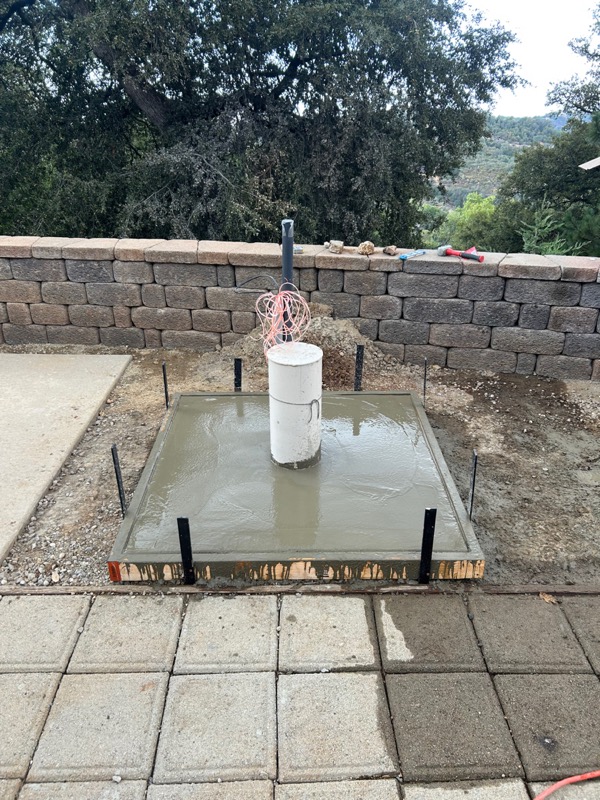
Growing avocados in Potrero? These water-loving trees need reliable, high-quality well water for healthy production. Southern California Well Service supports San Diego County avocado growers with specialized well services.
📋 In This Guide
- Avocado Water Demands
- Well Systems for Avocado Groves
- Chloride Sensitivity
- Partnering With Growers
- Related Articles
Need Help With Your Well in Potrero?
Our expert technicians serve Potrero with professional well services.
Related Articles
Continue learning about well maintenance and troubleshooting

Signs Your Well Pump Is Failing
Catch pump problems early before you lose water completely.
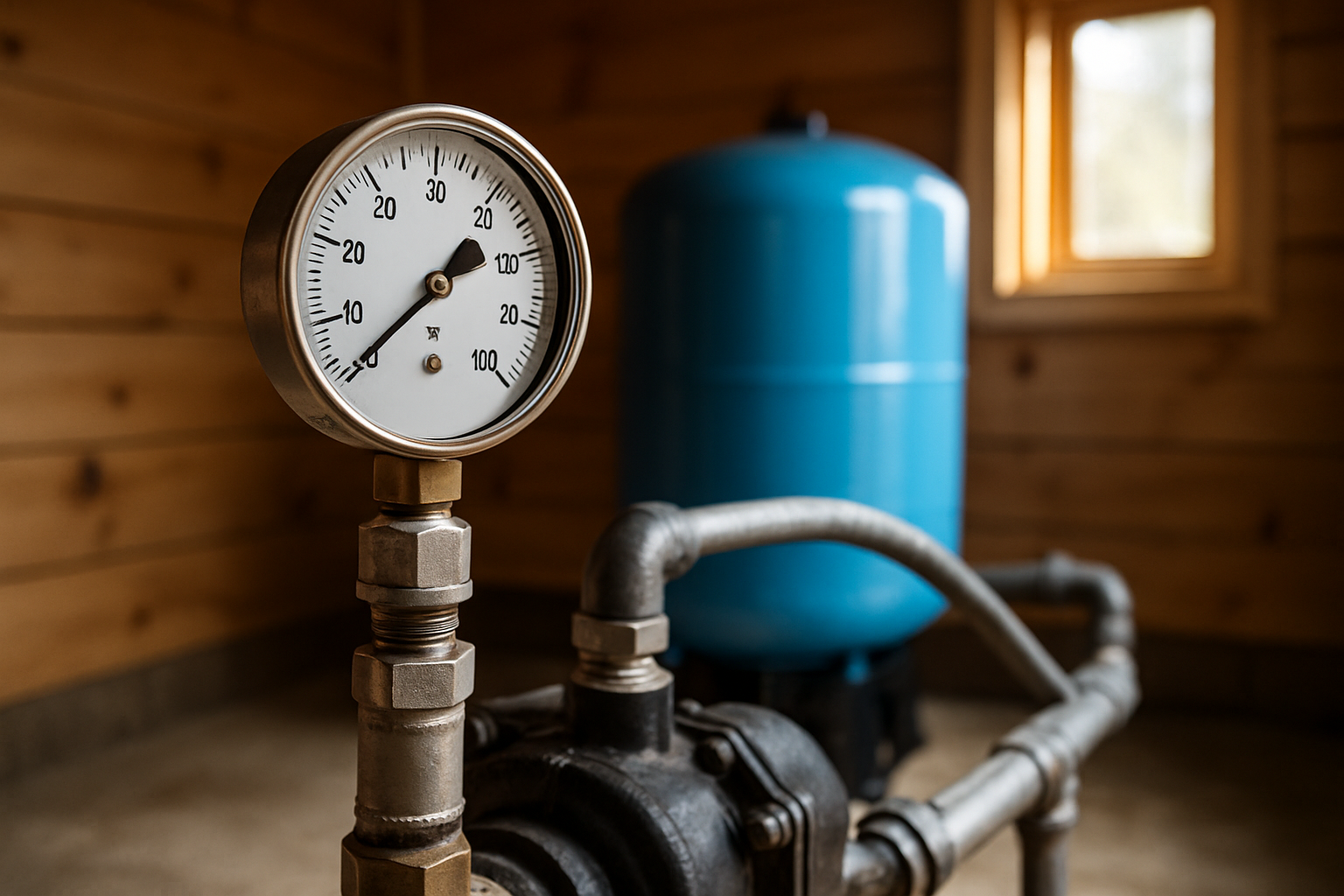
Low Water Pressure From Well
Diagnose and fix pressure problems before they get worse.

Well Maintenance Guide
Keep your well running smoothly with regular maintenance.
Our Locations
1077 Main St, Ramona, CA 92065
57174 US Highway 79, Anza, CA 92539
Potrero is a small rural community in the mountain backcountry of southeastern San Diego County, set among granitic peaks, oak-lined valleys and chaparral near Tecate, Campo and Dulzura. This is ranch country: cattle range across the hills, and hillside groves take advantage of the warmer, well-drained slopes. Like the rest of the backcountry, Potrero runs almost entirely on private wells drilled into fractured crystalline rock, where the water a property can produce depends on the rock itself.
The setting shapes the irrigation challenge in two ways. First, the granitic geology means wells draw from fractures rather than a broad aquifer, so yields vary widely and can be hard to predict. Second, the valley bottoms can drop to frost on cold winter nights, while the slopes stay warmer. Avocados can be grown on the right ground here, but they are demanding trees: they will not tolerate summer water stress, and they are highly sensitive to salts in the water. Reliable, good-quality water is everything.
This guide explains what an avocado planting in the Potrero area needs from its water system, from how much the trees drink to how to design around variable fractured-rock wells, why salinity is so critical, and the well problems most common on this mountain ground.
Avocado Irrigation Water Needs in Potrero
Avocados are shallow-rooted and thirsty. A mature tree can use roughly 40 to 70 gallons per day at the summer peak, with Potrero's mountain elevation moderating demand somewhat compared with the hot valleys downhill. Over a planted acre, annual need generally falls in the 4 to 6 acre-feet per year range, shifting with slope, exposure and the heat of the season.
The trees are most vulnerable from bloom through fruit set and into the summer sizing period, broadly June through September. A shortfall during fruit set can trigger fruit drop and a lighter crop the next year. Because evapotranspiration still rises sharply on hot, dry mountain afternoons, the water system must be designed around peak days rather than the seasonal average.
For a Potrero grower, the practical lesson is that the water source must carry full peak demand through the summer. Given fractured-rock wells that may produce only modestly, that usually means relying on storage to bridge between the well's output and the grove's instantaneous demand.
Designing a Well & Irrigation System for an Avocado Grove
Design here starts with a realistic assessment of the well's behavior, then builds a system that works with variable crystalline-rock supply rather than against it.
- Submersible pump selection matched to the well's depth, yield and the grove's pressure needs, so a modest well is not overdrawn.
- Storage tanks or a reservoir, which are essential on Potrero's fractured crystalline-rock wells. A low-yield well fills storage steadily around the clock, and the grove draws the stored water when it irrigates, separating tree demand from the well's instantaneous yield.
- Booster pumps to lift water onto the steep slopes where groves are planted.
- Filtration to keep decomposed-granite grit out of drip lines and emitters.
- Drip versus micro-sprinkler choices. Drip conserves precious water; micro-sprinklers wet a wider zone and provide frost protection.
- Pressure regulation so every block irrigates uniformly across uneven terrain.
Frost protection is worth planning for. With frost possible in Potrero's valley bottoms, micro-sprinklers running during a cold event release heat as water freezes and can help shield tender trees, while choosing slopes with good cold-air drainage reduces frost exposure from the start. A well and pump sized for that cold-night draw give you a genuine line of defense.
Water Quality: Why Salinity and Chloride Matter So Much
Avocados rank among the most salt-, chloride- and sodium-sensitive of all tree crops. They burn at concentrations other crops tolerate without issue. The classic warning is chloride leaf burn, a scorched brown leaf margin signaling that salts are building up in the tissue.
Growers generally try to hold chloride below roughly 100 to 150 ppm in irrigation water while watching sodium, the sodium adsorption ratio (SAR) and overall salinity (EC). Potrero's fractured crystalline-rock wells can vary noticeably in chemistry from one parcel to the next, so testing is the only reliable guide. We sample for the parameters avocados actually respond to rather than a generic potability panel.
When a well runs saltier than ideal, the proven tools are blending with a cleaner source, applying a leaching fraction to flush salts below the root zone, and planting salt-tolerant clonal rootstocks such as Dusa or Toro Canyon. Together these let many backcountry growers succeed on water that would otherwise damage the trees.
Common Well Problems for Potrero Growers
On Potrero's crystalline-rock terrain, the issues we see most often include:
- Low-yield fractured-rock wells with variable output that depends on intersecting water-bearing fractures.
- Drought drawdown, where the water level in the rock falls in dry years and reduces available supply.
- Declining yield as a well ages or fractures slowly clog.
- Sand and sediment from decomposed granite that wears pumps and fouls emitters.
- Scaling and pump wear from mineralized water and long summer run hours.
- Iron and manganese that stain and clog irrigation hardware.
For a remote grove, any of these can escalate quickly, which is why prevention and a buffer of stored water are so valuable here.
Maintenance & Drought Reliability
Out in ranch country, staying ahead of problems is the smart play. We recommend an annual inspection with a flow test, a water-level reading and a check of the pump's electrical draw, so gradual decline is caught before it becomes a crisis. Periodic well rehabilitation can clear scale and biofouling and recover lost yield.
For weak crystalline-rock wells, hydrofracturing is among the most useful tools available: by opening additional fractures in the surrounding rock, it can significantly improve a hard-rock well's output. Combining that with ample storage and some redundancy is the most dependable way to carry a grove through a dry summer where groundwater is variable.
When to Call a Professional
Call when the warning signs appear: pressure that falls during peak irrigation, air spitting from emitters, a pump that short-cycles or runs nonstop, sand or cloudiness in the water, a sudden spike in the power bill, or leaf-margin burn despite normal watering. In remote terrain, catching these early keeps a minor issue from costing you a crop.
Cost Ranges
Prices depend on depth, geology and access, and hard-rock backcountry drilling can run higher than valley work. Typical ranges are:
- New agricultural well, turnkey: $25,000 to $60,000 or more
- High-capacity pump (supply and install): $3,000 to $8,000
- Hydrofracturing to boost a low-yield well: $3,000 to $8,000
- Diagnostic visit: $125, credited toward any work performed
Deep, hard granite and difficult mountain access can push costs toward the high end, so we provide an honest estimate after evaluating the property.
Serving Potrero Avocado Growers
Southern California Well Service is a licensed C-57 water well drilling contractor with more than 30 years serving San Diego, Riverside and San Bernardino counties, including Potrero and the neighboring backcountry communities of Tecate, Campo and Dulzura. We work from offices in Ramona (1077 Main St, Ramona, CA 92065) and Anza (57174 US Highway 79, Anza, CA 92539); our Ramona office is well positioned to reach the San Diego mountain backcountry. Our customers rate us 4.9 stars. From new fractured-rock wells and hydrofracturing to pumps, storage and water testing, we handle the entire system so you can focus on the grove.
Frequently Asked Questions
How much water does an avocado grove in Potrero need?
A mature tree can draw roughly 40 to 70 gallons per day in summer, and a planted acre generally needs about 4 to 6 acre-feet per year. Potrero's mountain elevation moderates demand somewhat compared with the hot valleys below.
Why is well yield so variable in Potrero?
Potrero sits on granitic, crystalline-rock terrain, so wells draw from rock fractures. Yield depends on how many water-bearing fractures the well intersects, which makes output highly variable. Storage tanks and hydrofracturing help even it out.
What water quality matters most for avocados?
Chloride, sodium and overall salinity matter most. Avocados are very sensitive, and growers usually target chloride below about 100 to 150 ppm. Fractured-rock wells vary in chemistry, so testing your well is the only way to be sure.
Can frost affect avocados in Potrero?
Yes, frost is possible in the valley bottoms on cold winter nights. Planting on slopes with good cold-air drainage and using micro-sprinklers for cold protection both help guard the trees.
Do you serve Potrero and the nearby backcountry?
Yes. Southern California Well Service is a licensed C-57 contractor serving Potrero, Tecate, Campo and Dulzura, with our Ramona office well placed for the San Diego backcountry. Call (760) 440-8520 or text (619) 259-0410.
Call (760) 440-8520 or text (619) 259-0410 for a grove water assessment.