
Well Services for Ranchita Avocado Groves
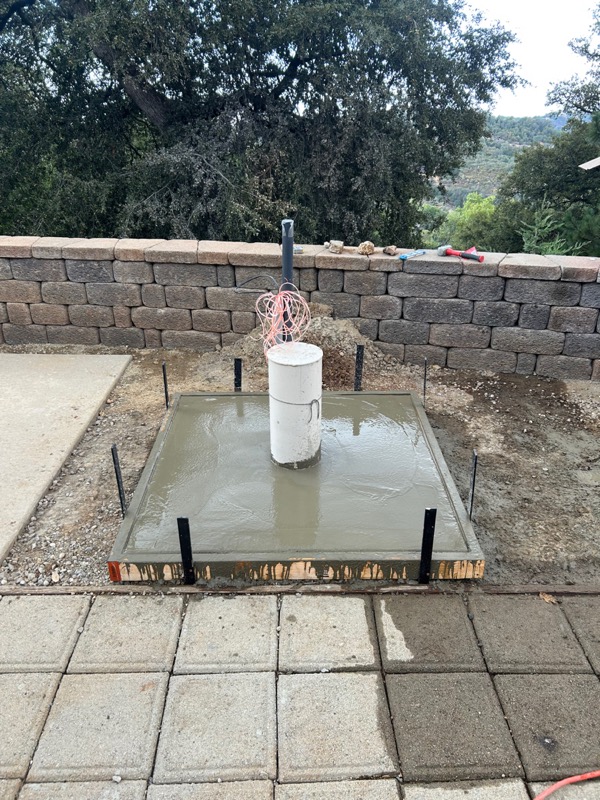
Growing avocados in Ranchita? These water-loving trees need reliable, high-quality well water for healthy production. Southern California Well Service supports San Diego County avocado growers with specialized well services.
📋 In This Guide
- Avocado Water Demands
- Well Systems for Avocado Groves
- Chloride Sensitivity
- Partnering with Ranchita Avocado Growers
- Related Articles
Avocado Water Demands
Avocados are thirsty trees:
- Mature tree: 40-70 gallons per day in summer
- Per acre: 4-6 acre-feet per year
- Critical periods: Fruit set and sizing
A reliable well is essential for profitable avocado production in San Diego County.
Well Systems for Avocado Groves
- High-capacity agricultural wells
- Storage tanks for peak demand periods
- Drip irrigation systems for efficiency
- Micro-sprinklers for young trees
- Pressure regulation for uniform coverage
Chloride Sensitivity
Avocados are highly sensitive to chloride in irrigation water. If your Ranchita well has elevated chloride:
- Blending with lower-chloride water source
- Leaching irrigation to flush salts
- Rootstock selection for salt tolerance
- Regular soil and leaf testing
We test well water for avocado-critical parameters.
Partnering with Ranchita Avocado Growers
Avocados are a major crop in San Diego County, and reliable water is essential for success. Contact us for well services designed for avocado production.
Need Help With Your Well in Ranchita?
Our expert technicians serve Ranchita and all of San Diego County with professional well services.
Related Articles
Continue learning about well maintenance and troubleshooting

Signs Your Well Pump Is Failing
Catch pump problems early before you lose water completely.
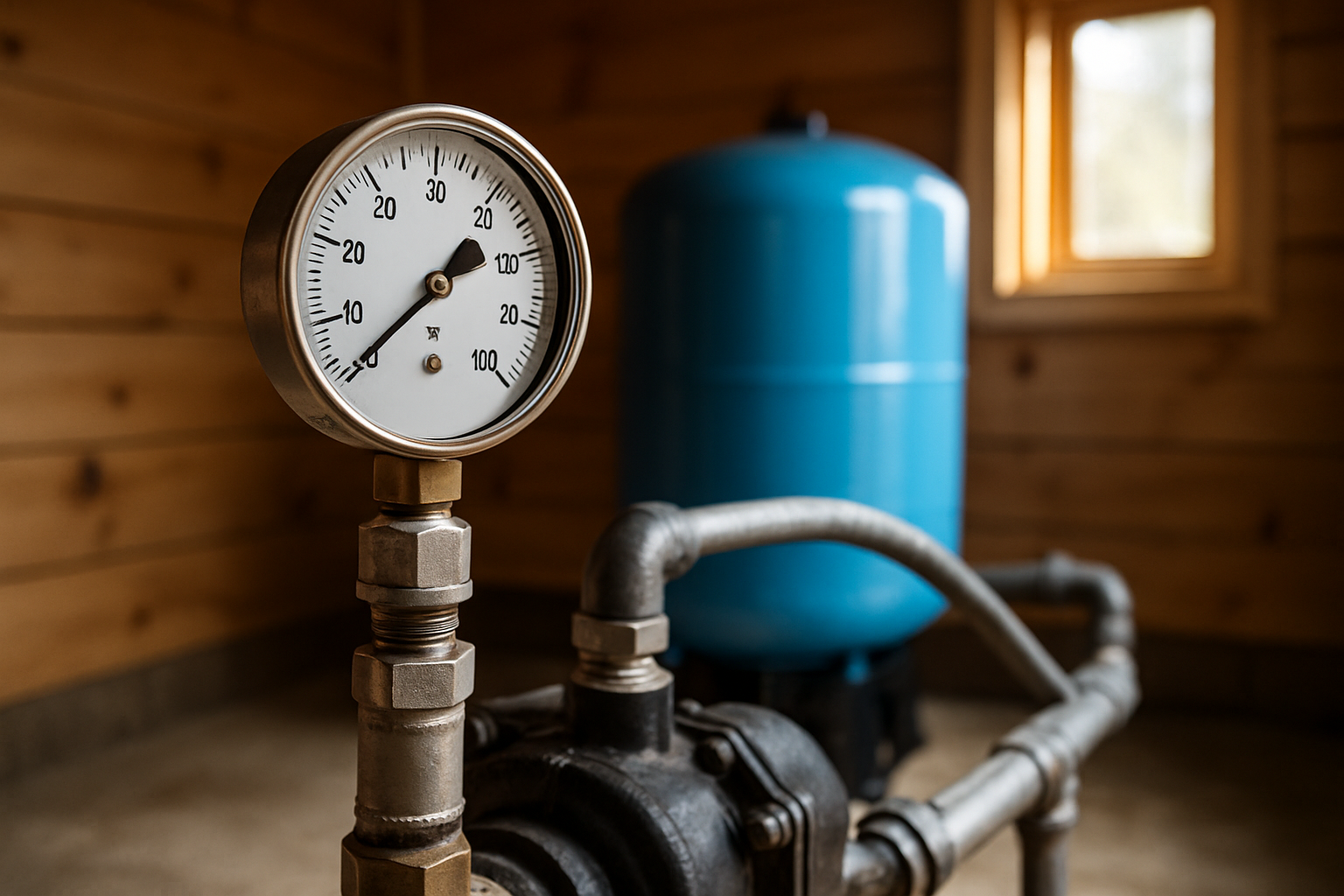
Low Water Pressure From Well
Diagnose and fix pressure problems before they get worse.

Well Maintenance Guide
Keep your well running smoothly with regular maintenance.
Our Locations
1077 Main St, Ramona, CA 92065
57174 US Highway 79, Anza, CA 92539
Backcountry Well Service for Ranchita Groves and Ranches
Ranchita is a small, high-desert mountain community in northeastern San Diego County, sitting at roughly 4,000 feet between Warner Springs and Borrego Springs along Montezuma Valley Road. It is true backcountry: rural, sparsely populated, and entirely dependent on private wells, with no municipal water service anywhere nearby. The elevation gives Ranchita a milder summer than the desert floor just down the grade at Borrego, and the surrounding hills offer the kind of frost-shedding air drainage that makes small avocado and citrus plantings a realistic prospect for some properties, far more so than in the desert or along the coast. For a Ranchita landowner eyeing a grove, the decisive factor is almost always the well.
Southern California Well Service has more than 30 years of experience in precisely this terrain. We hold a C-57 water well drilling license, and the high backcountry of San Diego County is where we do our best work. We know how to find, develop, and maintain water in this rugged country, and how to design a system that keeps a grove and a homestead supplied through a long dry season.
How Wells Work in the Ranchita Highlands
Ranchita lies in the Peninsular Ranges, where the bedrock is largely granitic and metamorphic crystalline rock. The community sits within a recognized small groundwater basin, the Ranchita town area, but much of the water here is held in fractures within the hard rock rather than in a thick, uniform aquifer. Shallower wells may catch water in weathered rock or alluvium near drainages, while deeper wells must reach productive fractures in the granite. As a rule of thumb in the backcountry, higher elevation and broken terrain make yield highly variable from one parcel to the next, so well performance has to be evaluated property by property rather than assumed from a neighbor's results.
Water chemistry is worth understanding before a single tree goes in the ground. Avocados are particularly intolerant of chloride and sodium in irrigation water, and citrus is sensitive too. The granite-derived groundwater common around Ranchita is often comparatively low in those troublesome salts, though it tends toward hardness, which is good news for a prospective grower. Even so, we always test a well for chloride, sodium, hardness, iron, and manganese before designing an irrigation plan, because the only way to know what a particular well delivers is to measure it. Matching plant selection, rootstock, and any treatment to the actual water is the kind of upfront diligence that prevents heartbreak two or three years into an orchard.
Because fractured-rock storage is limited, a successful Ranchita system leans heavily on storage. A typical setup includes a submersible pump, a pressure tank, a pressure switch, and a substantial storage tank or cistern. The storage lets a modest-yielding well bank water around the clock and then deliver it in the larger bursts that irrigation demands. For a grove especially, that storage strategy is often what makes the difference between a well that can support the trees and one that cannot keep up.
Drought resilience is the other half of backcountry water planning. Fractured-rock wells in the San Diego highlands respond to multi-year dry spells, and a well that ran comfortably in a wet year can tighten noticeably after several dry ones in a row. We help Ranchita owners build a buffer against that reality through generous storage, disciplined irrigation scheduling, and proactive yield work before a drought rather than scrambling in the middle of one. When water hauling is the only fallback, it is both costly and unreliable, since every rancher in the area is competing for the same trucks at the same time, so a well-designed system that carries you through the lean years is well worth the investment.
Common Well Issues in Ranchita
- Low or variable yield from fractured-rock wells, accentuated during drought years.
- Decomposed-granite sediment that wears pumps and clogs drip emitters.
- Deep-set pump and motor wear from long lifts and heavy irrigation duty.
- Pressure tank waterlogging and switch failure causing rapid cycling.
- Hard, mineral-rich water typical of granite groundwater.
- Power instability on remote rural circuits stressing pump controls.
What You Can Check First
Before scheduling a visit, a little triage goes a long way out here. Confirm the pump has power and that no breaker has tripped, since remote circuits and weather often interrupt power. Tap the pressure tank: a hollow ring at the top with a solid base indicates a good air charge, while a uniformly solid tank usually means it has become waterlogged. Listen for short-cycling, a pump turning on and off every few seconds, which typically points to a pressure-switch or tank problem. If your flow drops off during heavy irrigation, the well may be drawing down faster than it recovers, a storage-and-yield issue we routinely solve. And watch for grit in the water, a common sign of decomposed granite that calls for sediment filtration.
When to Call a Professional
Pulling a pump, electrical work at the well head, water-quality testing, yield evaluation, hydrofracturing, and drilling all require a licensed contractor. As a C-57 water well contractor, Southern California Well Service can diagnose a struggling grove well, design the right storage solution, and, when a well is marginal, improve its output through hydrofracturing rather than defaulting to the expense of a brand-new well.
Realistic Cost Ranges
- Pressure switch replacement: $150 to $350
- Pressure tank replacement: $600 to $1,500
- Submersible pump replacement: $2,500 to $5,500
- Sediment filtration: $300 to $900
- Iron, manganese, or hardness treatment / softening: $1,500 to $3,500
- Constant-pressure or booster system: $2,000 to $4,500
- New well, turnkey: $18,000 to $42,000
- Hydrofracturing to improve yield: $3,000 to $8,000
- Well abandonment or decommissioning: $1,500 to $5,000
For a low-yield grove well, hydrofracturing at $3,000 to $8,000 frequently costs far less than a new well while meaningfully increasing output. Our diagnostic visit is $125 and is credited toward any repair we perform.
Serving Ranchita and the Northeast Backcountry
From our Ramona office (1077 Main St, Ramona, CA 92065) and our Anza office (57174 US Highway 79, Anza, CA 92539), we serve Ranchita and the surrounding northeastern backcountry, including Warner Springs, San Felipe, Montezuma Valley, and the approaches to Borrego Springs. Our crews are comfortable on long, rough dirt access and understand fractured-granite hydrology in a way that out-of-area outfits simply do not. With a 4.9-star reputation and same-day emergency response, we keep remote homes and groves supplied with water. Being based in Ramona puts us much closer to Ranchita than any coastal or city contractor, so when a pump quits or a grove starts going dry in the heat of summer, we can usually be on site the same day instead of days later.
Frequently Asked Questions
Can avocados and citrus grow in Ranchita?
On suitable parcels, yes, at a modest scale. Ranchita's elevation and air drainage offer frost protection, making it more grove-friendly than the desert below or the immediate coast. The main constraint is well yield, which is exactly where we focus.
How deep are wells in Ranchita?
Depth varies widely with the local fracture pattern in the granite. Some wells are relatively shallow; others must go deep to find productive fractures. We evaluate each property individually before recommending a depth.
My well yield is low. What are my options?
Adequate storage paired with steady 24-hour recovery supports many backcountry homes and small groves. Hydrofracturing can also boost a marginal well's yield for a fraction of the cost of drilling a new one.
Why is there sediment in my water?
Decomposed granite commonly introduces grit. Sediment filtration, typically $300 to $900, protects your pump and emitters and clears the water.
Do I need a permit to drill in San Diego County?
Yes. New wells require permits and inspection through county environmental health. As a licensed C-57 contractor, we manage permitting and build to code.
What does a diagnostic visit cost?
Our diagnostic is $125, credited toward any repair we complete.
One more practical point about Ranchita: its remoteness cuts both ways. The isolation that makes it appealing also means that water problems can become genuine emergencies quickly, because there is no city main to fall back on and no neighbor's hydrant to borrow from. That is precisely why we encourage backcountry owners to treat well maintenance as preventive rather than reactive, replacing an aging pressure tank or a tired pump on a planned schedule instead of waiting for it to fail on the hottest weekend of the year.
Keep Your Ranchita Well and Grove Thriving
Whether you are establishing an avocado or citrus planting or supplying a remote ranch, Southern California Well Service has the backcountry experience and the C-57 license to keep your water reliable. Call (760) 440-8520 or text (619) 259-0410 to schedule service or request a free estimate.