
Well Services for Rancho Bernardo Avocado Groves
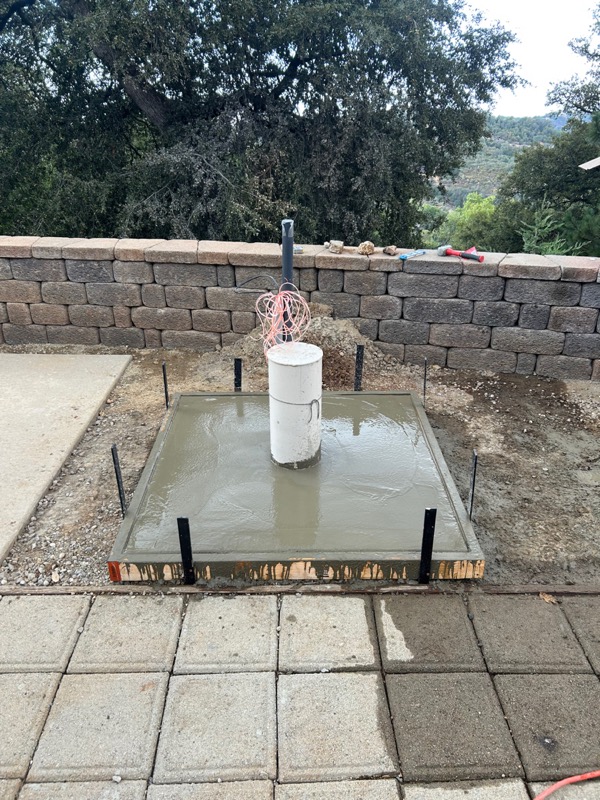
Growing avocados in Rancho Bernardo? These water-loving trees need reliable, high-quality well water for healthy production. Southern California Well Service supports northern San Diego County avocado growers with specialized well services.
📋 In This Guide
- Avocado Water Demands
- Well Systems for Avocado Groves
- Chloride Sensitivity
- Partnering With Growers
- Related Articles
Need Help With Your Well in Rancho Bernardo?
Our expert technicians serve Rancho Bernardo with professional well services.
Related Articles
Continue learning about well maintenance and troubleshooting

Signs Your Well Pump Is Failing
Catch pump problems early before you lose water completely.
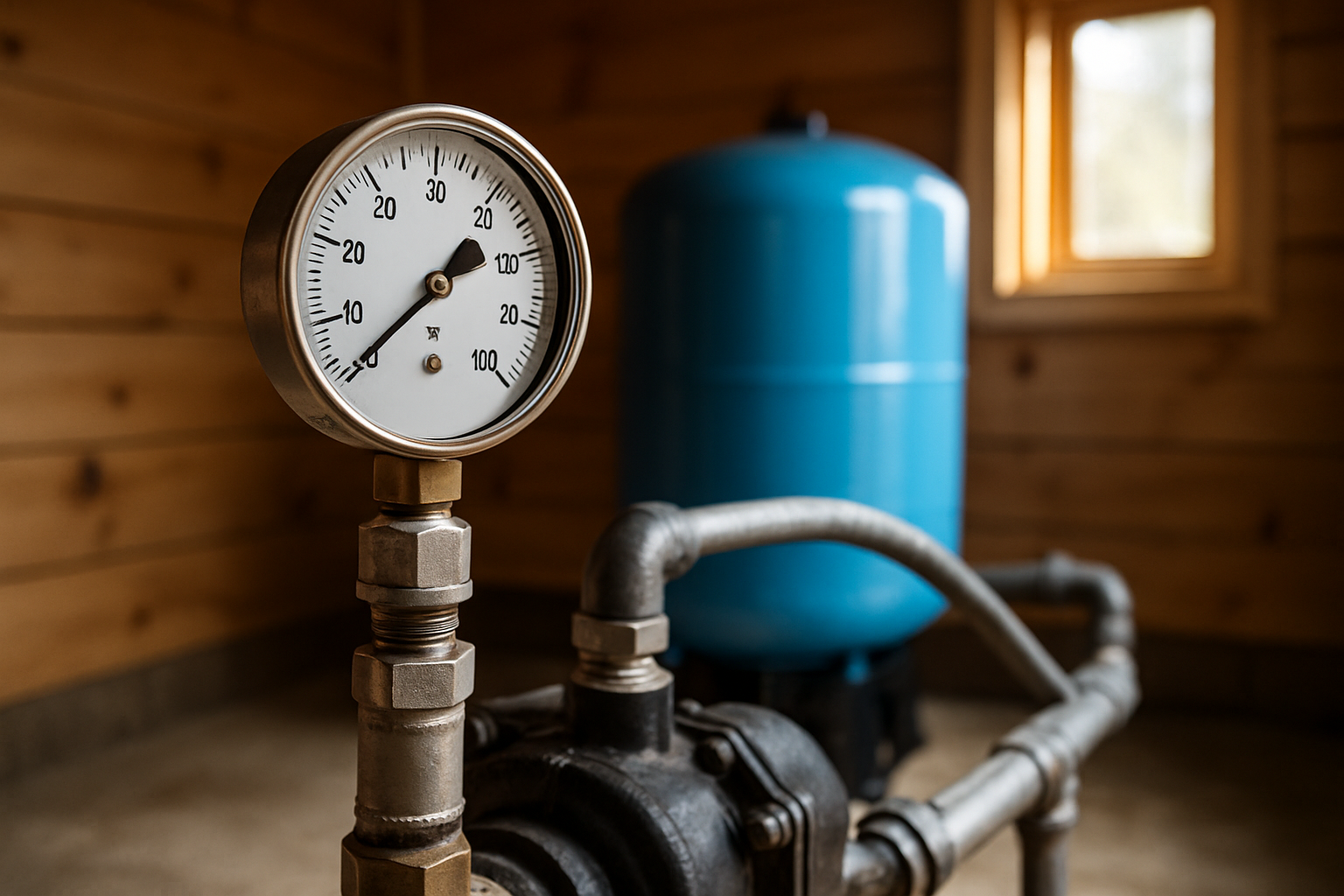
Low Water Pressure From Well
Diagnose and fix pressure problems before they get worse.
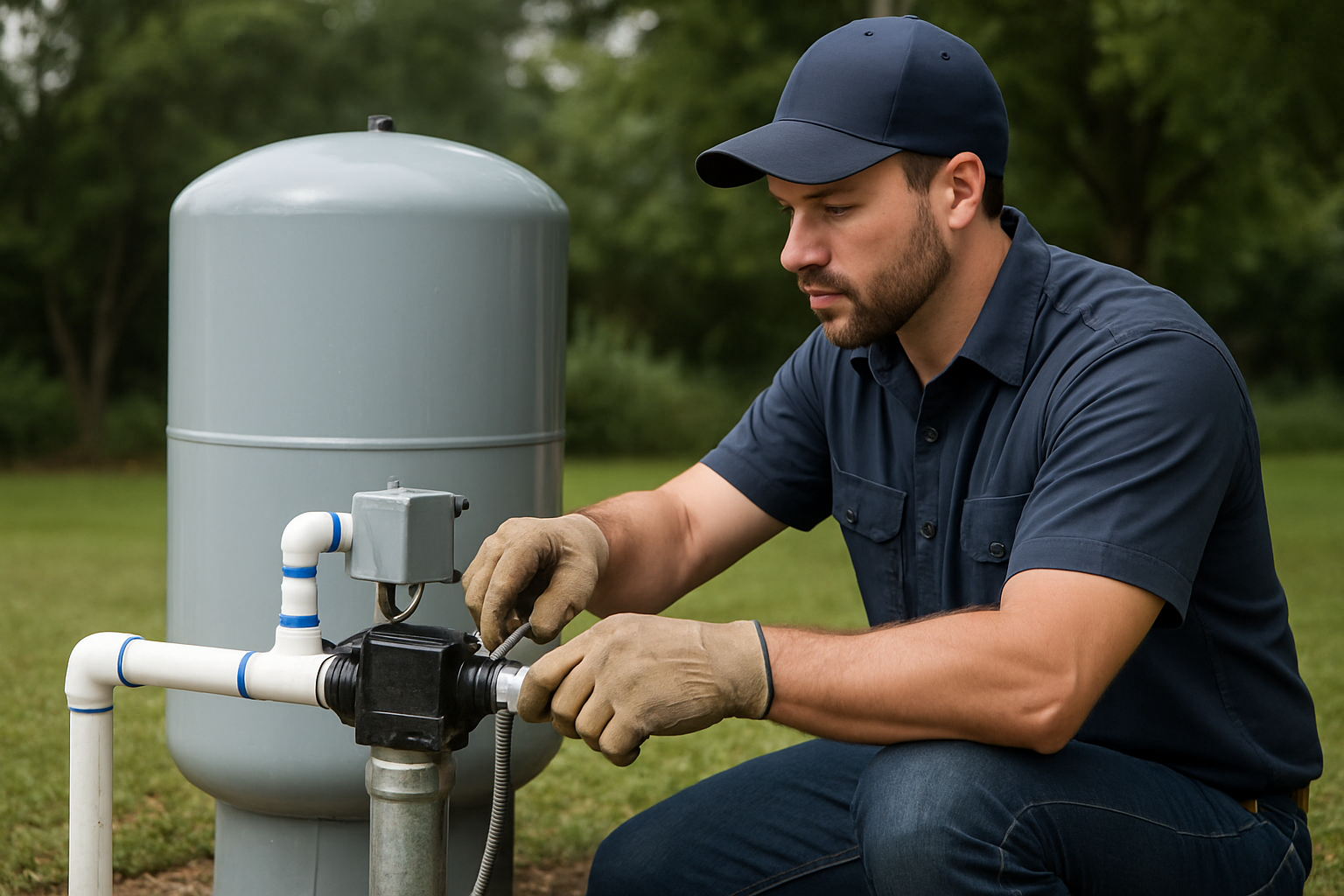
Well Maintenance Guide
Keep your well running smoothly with regular maintenance.
Our Locations
1077 Main St, Ramona, CA 92065
57174 US Highway 79, Anza, CA 92539
Avocado Growing in Rancho Bernardo: Rolling Hills and Inland Valleys
Rancho Bernardo is a suburban community in the northern reaches of the city of San Diego, set among the rolling, decomposed-granite hills of inland North County. While much of the community is built out today, agriculture is woven into the surrounding landscape. Just to the east and northeast lie the San Pasqual Valley, Lake Hodges, and Highland Valley, areas with a long and continuing history of citrus and avocado production. Many parcels on the fringes of Rancho Bernardo and out toward Highland Valley and Pasqua still carry gentleman groves and larger commercial plantings.
This is a semi-arid inland setting. Summers are warm and dry, winters are mild but occasionally cool enough that cold air pools in the low spots, and the soils are dominated by weathered decomposed granite over fractured crystalline bedrock. Those conditions are well suited to avocados on well-drained slopes, but they make a dependable water supply the deciding factor between a thriving grove and a struggling one.
Because the surrounding valleys have supported irrigated agriculture for decades, groundwater development is a familiar tool here. Wells in the valley fill and the fractured granite can produce useful yields, but output varies widely from one parcel to the next. The sections below cover how much water a Rancho Bernardo grove needs, how to design a well and irrigation system around the local geology, and why water quality, especially chloride and salinity, deserves careful attention.
Avocado Irrigation Water Needs in Rancho Bernardo
Avocados are shallow-rooted, drought-sensitive trees that demand steady moisture. A mature tree in this warm inland climate typically uses about 40 to 70 gallons per day at the height of summer, and a full grove generally lands around 4 to 6 acre-feet per acre per year. Because Rancho Bernardo sits inland with hotter, drier summers than the coast, evapotranspiration runs higher and demand tends toward the upper part of that range, especially in the open valleys around Highland Valley and San Pasqual.
The make-or-break periods are spring bloom, fruit set, and the long fruit-sizing stretch from June through September. Water stress in those windows translates directly into dropped fruit, small fruit, and a weaker crop the next year. Since summer demand dwarfs winter use, the well and storage must be sized for the peak, not the average. Real-world numbers depend on tree age, spacing, variety, canopy, and the specific microclimate of your slope, so treat these figures as planning ranges that vary site to site.
Designing a Well & Irrigation System for an Avocado Grove
The core design question is whether your sustained well yield can meet peak summer demand, directly or through storage. A practical rule of thumb is roughly 5 to 10 gallons per minute of continuous supply per acre during summer, though soils and scheduling shift that figure. In the fractured-granite terrain around Rancho Bernardo, a well that produces a modest steady flow can still serve a substantial grove when paired with good storage.
The components we design and install include:
- Submersible pumps sized to the well's tested yield, draw-down, and total dynamic head, so the pump is neither overworked nor cycling against a low water level.
- Storage tanks and reservoirs that fill overnight and supply the daytime irrigation set; storage is the single most effective way to stretch a low-yield well across a demanding grove.
- Booster pumps to push consistent pressure up the rolling hillsides typical of the area.
- Filtration to keep decomposed-granite sand and sediment out of emitters and lines.
- Drip lines and micro-sprinklers sized to wet the shallow avocado root zone; micro-sprinklers also support effective salt leaching.
- Pressure regulation so trees at the top and bottom of a slope all receive uniform water.
Frost can be a real concern in the low spots and canyon bottoms of these inland valleys on clear winter nights, while hillside groves on the slopes usually escape the worst of it. Where frost risk is significant, micro-sprinkler systems can provide a measure of protection, which we factor into the design.
Water Quality: Why Salinity and Chloride Matter So Much
Avocados are among the most salt-, chloride-, and sodium-sensitive tree crops in commercial agriculture. Chloride accumulates in the leaves and produces the tip burn and marginal scorch that sap tree vigor and cut yields. The general target is to keep chloride well below roughly 100 to 150 ppm in irrigation water, lower being better. Sodium and the sodium adsorption ratio (SAR) matter too, because excess sodium breaks down soil structure and slows infiltration, and overall salinity is tracked as electrical conductivity (EC).
Inland San Diego County groundwater can carry elevated chloride and total dissolved solids depending on the local geology and the basin's history. That makes water testing the essential first step before planting or expanding a grove. Where salts run high, growers manage them with:
- Regular testing of irrigation water and of soil and leaf tissue.
- Blending with a cleaner water source where one is available.
- A deliberate leaching fraction to flush salts below the root zone.
- Salt-tolerant clonal rootstocks such as Dusa and Toro Canyon that handle higher chloride than older seedling rootstocks.
Common Well Problems for Rancho Bernardo Growers
From our experience across inland San Diego County, the issues we encounter most often include:
- Declining yield as pumps wear or a well's specific capacity falls over the years.
- Sand and sediment from decomposed-granite formations abrading pumps and clogging emitters.
- Mineral scaling on pumps, pipe, and pressure tanks from hard inland water.
- Drought drawdown and a seasonal drop in the water table that pinch supply late in a dry summer.
- Iron and manganese that stain, foul filters, and feed bacterial growth.
- Rising chloride or salinity that stresses trees before the underlying cause is obvious.
Maintenance & Drought Reliability
Treat your grove well as the production asset it is. We recommend an annual inspection with a flow test, a static and pumping water-level measurement, and a check of the pump, controls, and pressure system. Trending those numbers from year to year reveals whether the well is aging or the basin is declining. When yield slips, well rehabilitation can clean screens and restore specific capacity, and hydrofracturing, which injects pressurized water to open fractures in the surrounding rock, can boost output, an approach particularly suited to the fractured granitic geology around Rancho Bernardo.
Drought resilience comes from storage and redundancy. Enough tankage lets you ride out low-yield stretches and keep water flowing through the critical summer window. With California groundwater increasingly governed under the Sustainable Groundwater Management Act (SGMA), planning your supply around long-term basin health, not just this year, is the smart play.
When to Call a Professional
Reach out to a licensed well professional when you see any of these warning signs:
- Pressure at the emitters or sprinklers steadily dropping.
- Air spurting or sputtering from the system, which can signal a falling water level.
- Sand or grit appearing in filters or lines.
- Power bills climbing as a struggling pump labors for less water.
- Declining tree health, leaf burn, or falling yield that hints at water supply or quality problems.
Cost Ranges
Every site differs, but these planning ranges set expectations. Final pricing depends on depth, geology, and access.
| Service | Typical Range |
|---|---|
| New agricultural well (turnkey) | $25,000 – $60,000+ |
| High-capacity pump | $3,000 – $8,000 |
| Hydrofracturing to boost yield | $3,000 – $8,000 |
| Diagnostic visit (credited toward work) | $125 |
Serving Rancho Bernardo Avocado Growers
Southern California Well Service is a licensed C-57 water well drilling contractor with more than 30 years of experience and offices in Ramona (1077 Main St, Ramona, CA 92065) and Anza (57174 US Highway 79, Anza, CA 92539). We serve San Diego, Riverside, and San Bernardino counties, and Rancho Bernardo, along with the surrounding Highland Valley, San Pasqual, and Lake Hodges areas, falls within our service area. Our 4.9-star-rated crew handles new well drilling, pump repair, storage and booster systems, and water treatment, giving you one local partner for the entire grove water system. Reach us at (760) 440-8520 or text (619) 259-0410.
Frequently Asked Questions
How much water does an avocado tree need in Rancho Bernardo?
A mature avocado tree in the Rancho Bernardo area generally uses about 40 to 70 gallons per day in peak summer, and a full grove runs roughly 4 to 6 acre-feet per acre per year. The semi-arid inland climate and warm summers push demand toward the higher end compared with coastal groves, so reliable supply through fruit set and sizing is critical.
Is groundwater available for groves near Rancho Bernardo?
Yes, though it varies by parcel. The Highland Valley, San Pasqual Valley, and Lake Hodges areas have a long history of agricultural wells in decomposed-granite and valley-fill formations. Yields differ from site to site, so a flow test is the only way to know what a given well can deliver.
Why does chloride matter for Rancho Bernardo avocado growers?
Avocados are one of the most chloride-sensitive tree crops grown. Inland San Diego County groundwater can carry elevated chloride and salinity, which causes leaf burn and yield loss. Testing, blending, leaching, and salt-tolerant rootstocks all help manage it.
What does a new agricultural well cost near Rancho Bernardo?
A turnkey agricultural well typically ranges from about $25,000 to $60,000 or more depending on depth and geology. High-capacity pumps run $3,000 to $8,000 and hydrofracturing to improve yield is roughly $3,000 to $8,000. A diagnostic visit is $125, credited toward any work performed.
Do groves near Highland Valley need frost protection?
Cold air can settle in the low spots of inland valleys on clear winter nights, so frost can be a concern in canyon bottoms and valley floors. Hillside groves on the slopes generally fare better. Where frost risk is real, micro-sprinkler systems can provide some protection.
Do you serve Rancho Bernardo and northern San Diego County?
Yes. Southern California Well Service is a licensed C-57 contractor serving San Diego, Riverside, and San Bernardino counties, including Rancho Bernardo, Highland Valley, San Pasqual, and the Lake Hodges area. Call (760) 440-8520 or text (619) 259-0410.
Call (760) 440-8520 or text (619) 259-0410 for a grove water assessment.