
Well Services for Redlands Avocado Groves
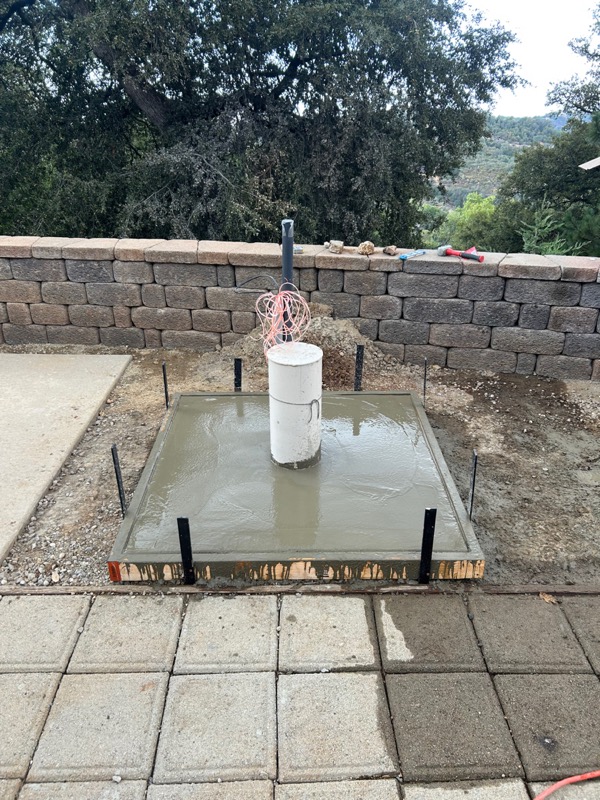
Growing avocados in Redlands? These water-loving trees need reliable, high-quality well water for healthy production. Southern California Well Service supports San Bernardino County avocado growers with specialized well services.
📋 In This Guide
- Avocado Water Demands
- Well Systems for Avocado Groves
- Chloride Sensitivity
- Partnering with Redlands Avocado Growers
- Related Articles
Avocado Water Demands
Avocados are thirsty trees:
- Mature tree: 40-70 gallons per day in summer
- Per acre: 4-6 acre-feet per year
- Critical periods: Fruit set and sizing
A reliable well is essential for profitable avocado production in San Bernardino County.
Well Systems for Avocado Groves
- High-capacity agricultural wells
- Storage tanks for peak demand periods
- Drip irrigation systems for efficiency
- Micro-sprinklers for young trees
- Pressure regulation for uniform coverage
Chloride Sensitivity
Avocados are highly sensitive to chloride in irrigation water. If your Redlands well has elevated chloride:
- Blending with lower-chloride water source
- Leaching irrigation to flush salts
- Rootstock selection for salt tolerance
- Regular soil and leaf testing
We test well water for avocado-critical parameters.
Partnering with Redlands Avocado Growers
Avocados are a major crop in San Bernardino County, and reliable water is essential for success. Contact us for well services designed for avocado production.
Need Help With Your Well in Redlands?
Our expert technicians serve Redlands and all of San Bernardino County with professional well services.
Related Articles
Continue learning about well maintenance and troubleshooting

Signs Your Well Pump Is Failing
Catch pump problems early before you lose water completely.
Low Water Pressure From Well
Diagnose and fix pressure problems before they get worse.
Well Maintenance Guide
Keep your well running smoothly with regular maintenance.
Our Locations
1077 Main St, Ramona, CA 92065
57174 US Highway 79, Anza, CA 92539
Well Water for Redlands Citrus Groves and Rural Homes
Redlands sits in the foothills of the San Bernardino Mountains, and its identity is inseparable from citrus. The navel orange built this city, and even today you will find heritage groves tucked between neighborhoods, on the slopes above the historic downtown, and across the unincorporated edges toward Mentone, Yucaipa, and Highland. Many of these groves, along with rural homes in places like Live Oak Canyon and the South Redlands hills, depend on a private well rather than municipal water. When you own that well, the health of your trees, your household, and your investment rides on a system most people never think about until the water stops.
Southern California Well Service has spent more than 30 years working on agricultural and domestic wells across San Bernardino County, and we understand what makes the Redlands area distinct. The terrain runs from the deep alluvial fans deposited by the Santa Ana River and Mill Creek to harder, fractured bedrock as you climb toward Mentone and the mountain front. That geology dictates how deep a well must go, how much water it can yield, and what minerals end up in your water. A grower irrigating ten acres of navels has very different demands than a homeowner on a half-acre, and both deserve a system built for the real conditions under their feet.
How an Irrigation Well System Works for a Citrus Grove
A productive citrus operation needs steady, reliable water through the long, hot Inland Empire summer, and a well system is the heart of that supply. Understanding the pieces helps you spot trouble early and ask the right questions when something goes wrong.
- The well and casing. A borehole is drilled into the water-bearing formation and lined with steel or PVC casing. In the Redlands alluvial basins, productive water is often found at moderate depths; closer to the bedrock foothills, wells may need to go deeper or rely on fractures in the rock to produce.
- The submersible pump. Set down in the water column, the pump lifts water to the surface. Agricultural wells use higher-horsepower pumps sized to the acreage and the gallons-per-minute the grove demands during peak irrigation.
- Pressure tank and pressure switch. The tank stores pressurized water and smooths out demand so the pump is not constantly cycling. The pressure switch tells the pump when to turn on and off. A worn switch is one of the most common and least expensive failures we repair.
- Distribution and irrigation. From the tank, water moves to micro-sprinklers, drip lines, or low-volume emitters tuned to citrus. Uniform pressure across the grove is what keeps the trees at the top of the slope as healthy as the ones at the bottom.
- Filtration and treatment. Sediment screens, and where needed iron or manganese treatment, protect both your emitters and your trees from clogging and staining.
For a citrus grower, the goal is simple: enough water, at the right pressure, clean enough not to clog the system, delivered exactly when the trees need it during bloom, fruit set, and summer sizing.
Common Well Problems We See Around Redlands
After three decades in San Bernardino County, certain patterns repeat. Knowing them helps Redlands well owners catch small issues before they become emergencies.
Declining yield and drought stress
Southern California's recurring dry years pull down the water table across the region. A well that comfortably supplied a grove a decade ago may struggle today, especially in the foothill areas where the saturated zone is thinner. Symptoms include the pump running longer to fill the tank, air sputtering from emitters, or pressure that fades by late afternoon during heavy irrigation. Sometimes the fix is lowering the pump; in other cases, hydrofracturing the well to open up water-bearing fractures restores production.
Hard water and mineral buildup
Inland Empire groundwater tends to be hard and mineral-rich. Calcium and magnesium scale builds up inside pumps, pipes, and pressure tanks, shortening equipment life and slowly choking flow. Citrus growers also watch for elevated salts and chlorides, which can scorch leaf tips and stress trees over time. Regular water testing tells you what you are actually putting on your grove.
Sediment and turbidity
Fine sand and silt from the alluvial soils can work into a well, especially as it ages or after the water table shifts. Sediment wears out pump components and clogs drip emitters fast. A properly sized sediment filtration setup protects the whole system.
Iron, manganese, and odor
Some Redlands-area wells produce water with iron or manganese that stains fixtures and equipment, or a sulfur smell from naturally occurring bacteria. These are treatable, but they need the right equipment matched to your water chemistry.
Aging pumps and electrical faults
Pumps do not last forever, and rural electrical service can be hard on motors. Frequent cycling, tripped breakers, or a pump that simply will not start often trace back to the pressure switch, the pump motor, or wiring that has degraded over the years.
What You Can Check Before You Call
A few simple checks can help you describe the problem and sometimes resolve it without a service call.
- Check your breaker and disconnect. A tripped breaker is a common cause of sudden water loss. Reset it once; if it trips again, stop and call, because repeated tripping points to an electrical or motor fault.
- Look at the pressure gauge. Note the pressure where the pump kicks on and off. Readings that never build, or that swing wildly, point toward the pressure switch or tank.
- Tap the pressure tank. A tank that sounds full of water all the way up, rather than hollow near the top, has likely lost its air charge or ruptured its bladder.
- Watch for sediment or color. Run water into a clear container. Sand, cloudiness, or rust color tells us a lot about what is happening downhole.
- Listen to the pump. Rapid on-off cycling, or a pump that runs constantly without building pressure, are both signs worth reporting.
Note what you find and when the problem started. That information helps our technician arrive prepared and often shortens the visit.
When to Call a Professional
Some situations should go straight to a licensed well contractor. Call us right away if you have no water at all during a hot stretch when your grove cannot wait, if your breaker keeps tripping, if you see a sudden surge of sand, or if water quality changes noticeably. Pulling a submersible pump, diagnosing a well's true yield, or performing hydrofracturing requires specialized equipment and a C-57 license. Attempting these yourself risks injury, dropped equipment in the borehole, and far costlier repairs. Southern California Well Service offers same-day emergency response because we know a grove under irrigation stress in July does not have days to spare.
Realistic Cost Ranges
Every well is different, but these ranges reflect typical projects in the Redlands area so you can plan with confidence:
- Diagnostic visit: $125, credited toward any repair we perform.
- Pressure switch replacement: $150 to $350.
- Pressure tank: $600 to $1,500 depending on size.
- Sediment filtration: $300 to $900.
- Iron, manganese, or softening treatment: $1,500 to $3,500.
- Pump replacement: $2,500 to $5,500 depending on depth and horsepower.
- Constant-pressure or booster system: $2,000 to $4,500.
- Hydrofracturing to improve yield: $3,000 to $8,000.
- New turnkey well: $18,000 to $42,000 depending on depth, geology, and equipment.
We provide honest, written estimates before any work begins, and we will tell you when a simple repair makes more sense than a costly replacement.
Serving Redlands and the Surrounding Communities
Our crews regularly serve Redlands and the neighboring San Bernardino County communities, including Mentone, Yucaipa, Highland, Loma Linda, Calimesa, and the foothill groves toward Oak Glen. From our offices in Ramona and Anza, we cover the Inland Empire with technicians who understand local groundwater conditions, county requirements, and the specific needs of citrus growers and rural homeowners. Whether you tend a heritage navel grove in South Redlands or rely on a domestic well off Live Oak Canyon Road, we are close enough to respond quickly and experienced enough to get it right.
Frequently Asked Questions
How deep are wells in the Redlands area?
It varies widely with location. Wells in the alluvial basins fed by the Santa Ana River and Mill Creek can produce at moderate depths, while wells nearer the foothill bedrock toward Mentone and Oak Glen often go deeper or depend on fractures in the rock. We evaluate each site individually before recommending a depth.
Is well water safe for irrigating citrus?
In most cases, yes, but it depends on your water chemistry. Citrus is sensitive to salinity and chloride, and Inland Empire groundwater can be mineral-rich. We recommend periodic testing so you know exactly what you are applying to your trees and can treat or blend if needed.
My well yield has dropped. Do I need a whole new well?
Not necessarily. Declining yield often responds to lowering the pump, rehabilitating the well, or hydrofracturing to open water-bearing fractures, all of which cost far less than a new well. We diagnose the actual cause before recommending anything major.
How often should I service my well?
An annual inspection is a smart investment, especially for an irrigation well carrying a grove through summer. We check pump performance, pressure settings, the tank, and water quality so small problems get caught before peak season.
Do you handle both agricultural and household wells?
Yes. We service high-capacity agricultural wells for groves and acreage as well as domestic wells for rural homes, including pumps, tanks, pressure systems, filtration, and treatment.
Can you respond the same day in an emergency?
Yes. We offer same-day emergency service for no-water situations and other urgent failures. Call us as soon as you notice a problem, especially during hot weather when your trees cannot wait.
Talk to a Local Well Expert Today
If your Redlands well is showing its age, your grove is not getting the water it needs, or you simply want peace of mind before summer, Southern California Well Service is ready to help. We are a licensed C-57 contractor with more than 30 years of experience, a 4.9-star reputation, and offices in Ramona and Anza serving all of the Inland Empire. Call (760) 440-8520, text us at (619) 259-0410, or reach out for a free estimate. Same-day emergency service is available when you need water now.