
Well Services for Rialto Avocado Groves
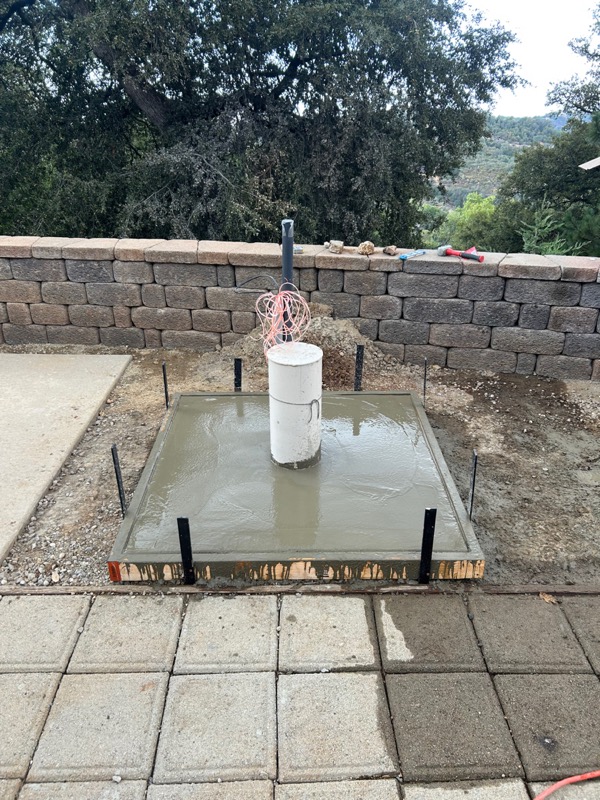
Growing avocados in Rialto? These water-loving trees need reliable, high-quality well water for healthy production. Southern California Well Service supports San Bernardino County avocado growers with specialized well services.
📋 In This Guide
- Avocado Water Demands
- Well Systems for Avocado Groves
- Chloride Sensitivity
- Partnering with Rialto Avocado Growers
- Related Articles
Avocado Water Demands
Avocados are thirsty trees:
- Mature tree: 40-70 gallons per day in summer
- Per acre: 4-6 acre-feet per year
- Critical periods: Fruit set and sizing
A reliable well is essential for profitable avocado production in San Bernardino County.
Well Systems for Avocado Groves
- High-capacity agricultural wells
- Storage tanks for peak demand periods
- Drip irrigation systems for efficiency
- Micro-sprinklers for young trees
- Pressure regulation for uniform coverage
Chloride Sensitivity
Avocados are highly sensitive to chloride in irrigation water. If your Rialto well has elevated chloride:
- Blending with lower-chloride water source
- Leaching irrigation to flush salts
- Rootstock selection for salt tolerance
- Regular soil and leaf testing
We test well water for avocado-critical parameters.
Partnering with Rialto Avocado Growers
Avocados are a major crop in San Bernardino County, and reliable water is essential for success. Contact us for well services designed for avocado production.
Need Help With Your Well in Rialto?
Our expert technicians serve Rialto and all of San Bernardino County with professional well services.
Related Articles
Continue learning about well maintenance and troubleshooting

Signs Your Well Pump Is Failing
Catch pump problems early before you lose water completely.
Low Water Pressure From Well
Diagnose and fix pressure problems before they get worse.
Well Maintenance Guide
Keep your well running smoothly with regular maintenance.
Our Locations
1077 Main St, Ramona, CA 92065
57174 US Highway 79, Anza, CA 92539
Well Service for Rialto and the Inland Empire Alluvial Basin
Rialto sits in San Bernardino County, near the heart of the Inland Empire, on the broad valley floor of the upper Santa Ana River watershed. The city rests at the foot of the San Gabriel and San Bernardino Mountains, and the ground beneath it tells the story of how those mountains shed material over millions of years. Stormwater and snowmelt washed sand, gravel, and cobbles down through the canyons and spread them across an outwash plain, building the deep alluvial aquifers that supply private wells today. If you own a well in Rialto, Bloomington, or out toward Fontana, Colton, or Rancho Cucamonga, you are pumping from one of the richest groundwater settings in Southern California: the Rialto-Colton and Chino groundwater subbasins.
This alluvial geology is very different from the hard-rock country to the south and east. Instead of chasing water through fractures in granite, Rialto wells draw from layered beds of sand and gravel that store and transmit water readily. Private, residential, landscape, and agricultural wells in this basin are commonly drilled a few hundred feet deep, often somewhere between 200 and 700 feet, depending on the depth to the productive sand-and-gravel zones on a given parcel. Rialto carries a real agricultural legacy, from the citrus groves that once covered the area to the nurseries, large-lot residential properties, and remaining farm parcels that still depend on groundwater. Whatever you grow or irrigate, the same principle applies: a dependable well is the backbone of the property.
How Your Rialto Well and Water System Works
A private water system in Rialto is a chain of components, and the whole chain is only as strong as its weakest link. Understanding how the pieces fit together makes it far easier to recognize trouble early.
It starts at the well casing and the submersible pump set deep in the alluvial aquifer. The pump pushes water up the drop pipe to the surface, where a pressure tank stores it and maintains steady household or irrigation pressure. A pressure switch tells the pump when to turn on and off, holding your system within a set range, often 40 to 60 psi. From there, water may pass through treatment equipment, sediment filters, a softener, or an iron and manganese filter, before reaching your taps, hose bibs, or irrigation valves.
On properties with landscape, nursery stock, or agricultural plantings, the system extends into the irrigation network: mainlines, drip or micro-spray emitters, sprinklers, and sometimes a storage tank and booster pump to handle peak demand. In the warm Inland Empire summers, irrigation draw can be heavy, so the well, pump, and pressure system have to be sized to keep up without short-cycling or running dry. When any one component drifts out of spec, you feel it everywhere downstream as low pressure, sputtering taps, or uneven coverage in the field.
Common Well Scenarios We See in Rialto
Across years of work in the alluvial basins of San Bernardino County, certain issues come up again and again on Rialto-area properties:
- Hard water and mineral scale. The region's groundwater is typically hard and mineral-rich. Over time, scale builds up in pipes, fixtures, pressure tanks, and pump components, reducing efficiency and shortening equipment life.
- Sediment and fine sand. Sand-and-gravel aquifers can pull fine grit into the system, especially in older wells or after heavy pumping, clogging filters and wearing pump impellers.
- Pressure tank failures. A waterlogged or failed bladder tank makes the pump cycle on and off rapidly, which is one of the fastest ways to burn out a pump motor.
- Declining yield. Drought years and heavy regional pumping can lower the water table, leaving a pump that was once well submerged closer to the drawdown level.
- Water quality concerns. Parts of the Rialto-Colton area have a documented history of groundwater contamination, and nitrate from past agricultural activity can also appear. This is exactly why periodic water testing matters here.
- Electrical and control faults. Pressure switches, relays, capacitors, and wiring degrade over time and are a frequent cause of a pump that simply will not start.
What to Check Before You Call
If your Rialto well is acting up, a few safe checks can help you describe the problem and sometimes resolve it:
- Confirm the well has power. Look at the breaker for the pump and the pressure switch; a tripped breaker is common after a storm or power flicker.
- Watch the pressure gauge. Note whether it holds steady, drops fast, or never builds. Rapid cycling points toward a tank or switch problem.
- Tap the pressure tank low and high. A healthy bladder tank sounds hollow on top and solid near the bottom; if it feels heavy and full throughout, the bladder may have failed.
- Check for sediment or color. Run a glass of water and look for sand, cloudiness, iron staining, or odor that wasn't there before.
- Inspect visible plumbing and the wellhead for leaks, drips, or cycling sounds when no water is being used.
- Note recent changes, such as a new irrigation zone, a dry season, or a sudden drop in pressure, so a technician can narrow the cause quickly.
Never open the well cap, pull wiring, or attempt to lift a submersible pump yourself. Those tasks involve high voltage and heavy equipment and should be left to a licensed contractor.
When to Call a Professional
Some situations call for an expert right away. Reach out promptly if you have no water at all, if the pump runs continuously but pressure stays low, if you see sand or grit increasing in your water, if a breaker trips repeatedly, or if you notice a sudden change in taste, smell, or color. These often signal a failing pump, a compromised tank, a dropping water table, or a water quality shift that needs diagnosis. As a licensed C-57 water well contractor with more than 30 years of experience in Southern California, our team can test, diagnose, and repair the entire system, not just patch a symptom. Catching a problem early almost always costs less than waiting until the pump fails completely on a hot summer afternoon.
Realistic Cost Ranges for Rialto Well Work
Every well is different, but these ranges give Rialto property owners a realistic sense of common repairs and projects:
- Pressure switch replacement: $150 to $350
- Pressure tank replacement: $600 to $1,500
- Pump replacement: $2,500 to $5,500
- Sediment filtration: $300 to $900
- Iron and manganese filter or water softener: $1,500 to $3,500
- Constant-pressure or booster system: $2,000 to $4,500
- New well, turnkey: $18,000 to $42,000
- Hydrofracturing to improve yield: $3,000 to $8,000
- Well abandonment or decommissioning: $1,500 to $5,000
We charge a flat $125 diagnostic visit, and that fee is credited toward the cost of the repair when you move forward with us. You get a clear assessment and an honest recommendation before any major work begins.
Serving Rialto and All of the Inland Empire
Southern California Well Service supports Rialto and the surrounding communities of Fontana, Colton, Bloomington, San Bernardino, and Rancho Cucamonga from our two offices: Ramona at 1077 Main St, Ramona, CA 92065, and Anza at 57174 US Highway 79, Anza, CA 92539. We hold a 4.9-star rating, we are licensed C-57, and we offer same-day emergency service when you have no water. Whether you need a quick pressure-switch swap, full water treatment for hard mineral-rich water, or a brand-new well on an Inland Empire property, we are ready to help. Call us at (760) 440-8520 or text (619) 259-0410.
Frequently Asked Questions
How deep are wells in Rialto?
Most private and agricultural wells in the Rialto area are drilled into the alluvial sand-and-gravel aquifers of the Rialto-Colton and Chino subbasins, commonly somewhere between 200 and 700 feet deep. The exact depth depends on where the productive water-bearing zones sit beneath your specific parcel.
Why is my Rialto well water so hard?
Groundwater in the Inland Empire alluvial basin moves through mineral-rich sand and gravel and naturally picks up calcium and magnesium, which makes it hard. A water softener or conditioning system protects your plumbing, fixtures, and pump from scale buildup.
Should I test my well water in Rialto?
Yes. The Rialto-Colton area has a documented history of groundwater quality concerns, and nitrate from past agricultural use can appear in some wells. Periodic testing for hardness, minerals, nitrate, and contaminants helps you protect your household and decide whether treatment is needed.
Can you service irrigation and agricultural wells, not just homes?
Absolutely. We service residential, landscape, nursery, and agricultural and irrigation wells throughout Rialto and San Bernardino County, including high-capacity systems, storage tanks, and booster pumps for properties with heavy summer demand.
Do you offer emergency well service in Rialto?
Yes. When you have no water, we offer same-day emergency response. Call (760) 440-8520 and we will work to get your system back online as quickly as possible.
What does the diagnostic visit cost?
Our diagnostic visit is a flat $125, and that amount is credited toward your repair when you choose to proceed with the work. It is the simplest way to get an expert, honest assessment of your well.
Need well service in Rialto? Call Southern California Well Service today at (760) 440-8520 or text us at (619) 259-0410 for fast, licensed, same-day help across the Inland Empire.