
Well Services for Rimforest Avocado Groves
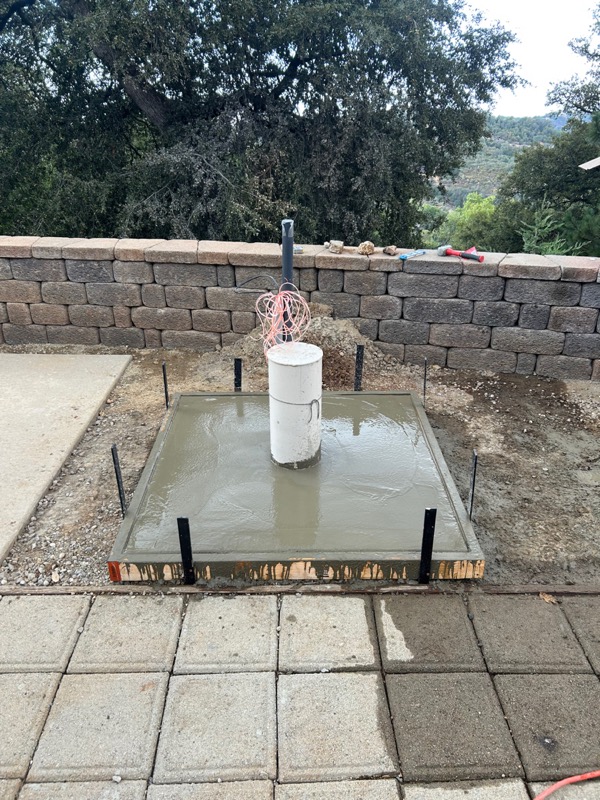
Growing avocados in Rimforest? These water-loving trees need reliable, high-quality well water for healthy production. Southern California Well Service supports San Bernardino County avocado growers with specialized well services.
📋 In This Guide
- Avocado Water Demands
- Well Systems for Avocado Groves
- Chloride Sensitivity
- Partnering with Rimforest Avocado Growers
- Related Articles
Avocado Water Demands
Avocados are thirsty trees:
- Mature tree: 40-70 gallons per day in summer
- Per acre: 4-6 acre-feet per year
- Critical periods: Fruit set and sizing
A reliable well is essential for profitable avocado production in San Bernardino County.
Well Systems for Avocado Groves
- High-capacity agricultural wells
- Storage tanks for peak demand periods
- Drip irrigation systems for efficiency
- Micro-sprinklers for young trees
- Pressure regulation for uniform coverage
Chloride Sensitivity
Avocados are highly sensitive to chloride in irrigation water. If your Rimforest well has elevated chloride:
- Blending with lower-chloride water source
- Leaching irrigation to flush salts
- Rootstock selection for salt tolerance
- Regular soil and leaf testing
We test well water for avocado-critical parameters.
Partnering with Rimforest Avocado Growers
Avocados are a major crop in San Bernardino County, and reliable water is essential for success. Contact us for well services designed for avocado production.
Need Help With Your Well in Rimforest?
Our expert technicians serve Rimforest and all of San Bernardino County with professional well services.
Related Articles
Continue learning about well maintenance and troubleshooting

Signs Your Well Pump Is Failing
Catch pump problems early before you lose water completely.
Low Water Pressure From Well
Diagnose and fix pressure problems before they get worse.
Well Maintenance Guide
Keep your well running smoothly with regular maintenance.
Our Locations
1077 Main St, Ramona, CA 92065
57174 US Highway 79, Anza, CA 92539
Mountain Well Service for Rimforest and the San Bernardino Mountains
Rimforest is a small unincorporated community in San Bernardino County, tucked into the San Bernardino Mountains right along State Route 18 — the "Rim of the World" highway — at roughly 5,400 feet of elevation. Surrounded by pine and cedar forest, Rimforest sits between Crestline to the west, Twin Peaks just to the north, and Skyforest, Blue Jay, and Lake Arrowhead to the east. If you own a cabin or full-time home up here on ZIP 92378, your private well is not the deep alluvial-basin well you would find down in the valley. It is drilled into hard, fractured granitic bedrock, and that single fact shapes everything about how your water system behaves and how it needs to be serviced.
Let us be honest about one thing up front: this is not avocado country. Avocados are frost-sensitive subtropical trees, and the cold, snowy winters at 5,400 feet would kill them outright. You will not find commercial groves at this elevation. The wells we service in Rimforest support residential cabins, full-time mountain homes, and seasonal getaways — not farms. Southern California Well Service does serve true avocado-growing regions farther south and west, but in Rimforest our focus is mountain residential well work: low-yield fractured-rock wells, freeze protection, storage, and clean, safe drinking water for your household.
How a Fractured-Rock Mountain Well System Works
Down in the valleys, wells tap broad sand-and-gravel aquifers that hold and move water freely. Up in the San Bernardino Mountains, the geology is crystalline granite. Water does not sit in the rock itself — it travels through cracks and fractures. When a driller bores a well in Rimforest, the goal is to intersect enough water-bearing fractures to supply the home. Because those fractures are unpredictable, mountain wells here are frequently deep (commonly several hundred feet, anywhere from roughly 200 to 600 feet or more) and often low-yielding, sometimes producing only a few gallons per minute.
To make a low-yield well livable, the system usually includes more than just a pump. A typical Rimforest setup has a submersible pump set deep in the casing, a storage tank (often several hundred to a few thousand gallons) that lets the well slowly refill during low-demand hours, a booster or pressure pump that pulls from storage, a pressure tank to smooth out cycling, and frequently a treatment stage for sediment, iron, or manganese. The storage tank is the heart of the design: it banks water overnight so a 3-gallon-per-minute well can still deliver a strong morning shower. When any link in that chain fails — pump, pressure switch, pressure tank, or controls — you notice immediately.
Common Well Scenarios We See in Rimforest
Mountain wells fail in mountain-specific ways. Over years of working the Rim communities, these are the issues that bring us up the hill most often:
- Frozen wellheads and exposed plumbing. Winter at 5,400 feet brings hard freezes. Uninsulated pressure tanks, above-ground pipe, and pump houses are the most common cold-weather failure. A burst pipe or cracked pressure tank can leave a cabin with no water until thawed and repaired.
- Low yield and a drawn-down well. During dry years or heavy holiday-weekend demand, a fractured-rock well can be pumped faster than it recharges, causing the pump to draw air, lose prime, or short-cycle.
- Seasonal cabin start-up problems. Homes that sit empty for months often have a pump that won't prime, a waterlogged pressure tank, a tripped breaker, or stale water that needs disinfecting before the season begins.
- Iron, manganese, and sediment. Granitic groundwater can carry minerals that stain fixtures, clog screens, and foul treatment media.
- Pressure-switch and pressure-tank failure. The most frequent repair on any well — a failed switch or a tank that has lost its air charge causes rapid pump cycling and erratic pressure.
What to Check Before You Call
If your water has dropped off or stopped, a few quick checks can save you a service call or at least help us arrive ready:
- Check the breaker for the well pump and any booster pump — mountain power flickers and storms trip breakers often.
- Look at the pressure gauge. Zero pressure with the pump running often points to a low well or a primed-out booster; pressure that swings wildly points to a waterlogged pressure tank.
- In winter, inspect exposed pipe, the pressure tank, and the pump house for frozen or burst sections before assuming the pump failed.
- Check your storage tank level. An empty tank means the well isn't keeping up or the fill control failed.
- Listen at the pressure switch. Rapid clicking on and off (short-cycling) almost always means a pressure-tank or switch problem.
- If the cabin has been closed for the season, confirm shutoff valves are open and the system was properly recommissioned.
Never open electrical panels or pull a pump yourself — that is dangerous and is exactly the kind of work our licensed technicians handle safely.
When to Call a Professional
Call us right away if you have no water at all, if you hear the pump running continuously without building pressure, if you see flooding or a burst line, or if your water suddenly turns cloudy, discolored, or develops an odor. Pulling and replacing a deep submersible pump, diagnosing a low-yield well, evaluating whether hydrofracturing could open new fractures and boost yield, and sizing storage and booster equipment all require the right rig, the right parts, and a C-57 licensed contractor. Guessing on the mountain usually means a second trip and a bigger bill.
Realistic Cost Ranges for Rimforest Well Work
Every well is different, but these ranges reflect typical mountain residential work. We charge a $125 diagnostic visit, and that fee is credited toward any repair we perform.
- Pressure switch replacement: $150-$350
- Pressure tank replacement: $600-$1,500
- Pump replacement (deep submersible): $2,500-$5,500
- Sediment filtration: $300-$900
- Iron/manganese filter or softener: $1,500-$3,500
- Constant-pressure or booster system: $2,000-$4,500
- Hydrofracturing to improve a low-yield well: $3,000-$8,000
- New well, turnkey: $18,000-$42,000
- Well abandonment/decommissioning: $1,500-$5,000
Deep granite wells and difficult mountain access can push pump and drilling jobs toward the higher end, which is why an on-site diagnostic matters.
Serving Rimforest and the Surrounding Mountain Communities
Southern California Well Service is a licensed C-57 water well contractor with more than 30 years of experience and a 4.9-star reputation. We work out of two offices — our Ramona office at 1077 Main St, Ramona, CA 92065 and our Anza office at 57174 US Highway 79, Anza, CA 92539 — and we serve Rimforest and the neighboring Rim of the World communities of Crestline, Twin Peaks, Skyforest, Blue Jay, and Lake Arrowhead. We offer same-day emergency service when you have no water, and we know how to handle steep driveways, snow season, and the realities of mountain access. Call (760) 440-8520 or text (619) 259-0410 and we will get a technician headed up the hill.
Frequently Asked Questions
How deep are wells in Rimforest?
Because Rimforest sits on fractured granite, wells are commonly several hundred feet deep — often in the 200 to 600-foot range or more. Depth depends on how far down the drill has to go to intersect productive water-bearing fractures, so two wells on neighboring lots can differ significantly.
Why is my mountain well low-yield, and can it be improved?
In granitic bedrock, water moves through cracks rather than open aquifer, so yield depends entirely on the fractures the well intersects. Many Rimforest wells produce only a few gallons per minute. Adding a storage tank lets a low-yield well keep up with household demand, and hydrofracturing can sometimes open additional fractures to boost production.
How do I protect my well from freezing in winter?
At 5,400 feet, freeze protection is essential. We insulate or heat-tape exposed pipe, protect the pressure tank and pump house, and can advise on shutting down and draining seasonal systems. If you only use the cabin part of the year, a proper winterization and spring recommissioning prevents most cold-weather damage.
My cabin has been closed for months — what should I do before using the water?
Have the system inspected and recommissioned. We confirm the pump primes, check the pressure tank's air charge, verify shutoff valves, and disinfect lines that have held stagnant water. We also recommend a water test after any long shutdown.
Do you actually service avocado groves in Rimforest?
No — and we'll be straight with you. Avocados can't survive the cold winters at this elevation, so there are no groves in Rimforest. Our work here is residential and cabin well service. We do serve genuine avocado-growing regions elsewhere in Southern California, but in the mountains our focus is reliable household water.
Is my well water safe to drink?
Granitic mountain groundwater is often good, but it can carry iron, manganese, sediment, or bacteria — especially after a system has sat unused. We test for the parameters that matter and recommend filtration or disinfection when needed so your household water is safe and clean.
Need help with your well in Rimforest? Call us today at (760) 440-8520 or text (619) 259-0410 for same-day emergency service from a licensed, local C-57 contractor.