
Well Services for Shelter Island Avocado Groves
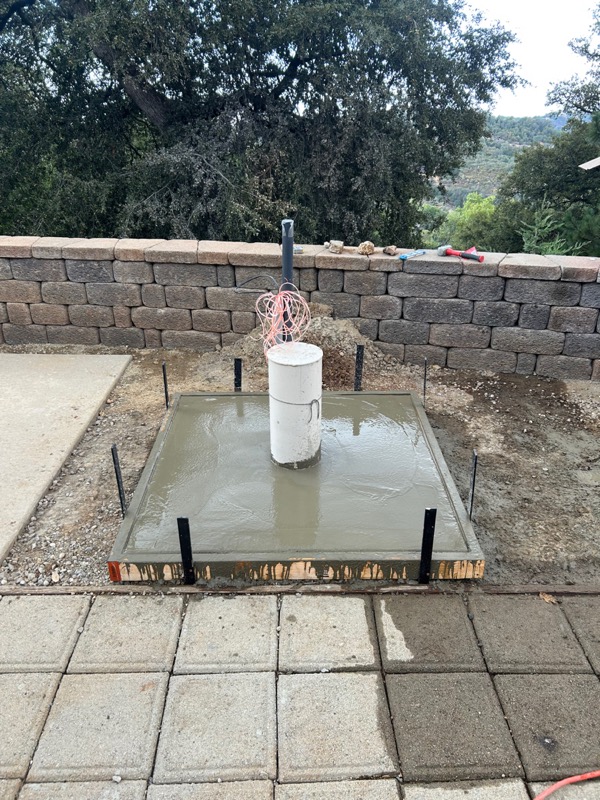
Growing avocados in Shelter Island? These water-loving trees need reliable, high-quality well water for healthy production. Southern California Well Service supports San Diego County avocado growers with specialized well services.
📋 In This Guide
- Avocado Water Demands
- Well Systems for Avocado Groves
- Chloride Sensitivity
- Partnering with Shelter Island Avocado Growers
- Related Articles
Avocado Water Demands
Avocados are thirsty trees:
- Mature tree: 40-70 gallons per day in summer
- Per acre: 4-6 acre-feet per year
- Critical periods: Fruit set and sizing
A reliable well is essential for profitable avocado production in San Diego County.
Well Systems for Avocado Groves
- High-capacity agricultural wells
- Storage tanks for peak demand periods
- Drip irrigation systems for efficiency
- Micro-sprinklers for young trees
- Pressure regulation for uniform coverage
Chloride Sensitivity
Avocados are highly sensitive to chloride in irrigation water. If your Shelter Island well has elevated chloride:
- Blending with lower-chloride water source
- Leaching irrigation to flush salts
- Rootstock selection for salt tolerance
- Regular soil and leaf testing
We test well water for avocado-critical parameters.
Partnering with Shelter Island Avocado Growers
Avocados are a major crop in San Diego County, and reliable water is essential for success. Contact us for well services designed for avocado production.
Need Help With Your Well in Shelter Island?
Our expert technicians serve Shelter Island and all of San Diego County with professional well services.
Related Articles
Continue learning about well maintenance and troubleshooting

Signs Your Well Pump Is Failing
Catch pump problems early before you lose water completely.

Low Water Pressure From Well
Diagnose and fix pressure problems before they get worse.

Well Maintenance Guide
Keep your well running smoothly with regular maintenance.
Our Locations
1077 Main St, Ramona, CA 92065
57174 US Highway 79, Anza, CA 92539
Honest Well Service for Shelter Island and the Point Loma Waterfront
Shelter Island is one of San Diego's most distinctive addresses: a narrow, man-made peninsula reaching into San Diego Bay off the Point Loma shoreline, lined with marinas, hotels, sportfishing landings and the Shoreline Park promenade. It is a built-out, fully urban part of the City of San Diego, so almost every home and business here draws municipal water rather than a private well. We want to be straight with you about that. Despite the "avocado grove" framing that appears across our area pages, there are no commercial avocado orchards on Shelter Island itself, and the salt-influenced bayfront soils would be a poor fit for them. What we actually do for property owners near Shelter Island, Point Loma and La Playa is residential and light-commercial well work, irrigation pumping, and water-system service on the inland parcels of San Diego County where private wells are still common.
If you have a grove or a rural homestead farther inland - in Ramona, Valley Center, Bonsall, Fallbrook or the backcountry - and you keep a boat or a second home down on Shelter Island, you are exactly the kind of customer we serve every week. We bring the same licensed, C-57 expertise to both ends of the county.
Coastal Conditions That Shape Water Systems Here
The Point Loma peninsula sits on uplifted marine terraces and the Bay Point and San Diego Formations - sandstones and siltstones rather than the hard, fractured granite you find in the county's interior. Near the bay, shallow groundwater is brackish and tidally influenced, with elevated chloride and total dissolved solids. That matters for two reasons. First, any irrigation water - well or municipal - that carries high salts will scorch salt-sensitive landscaping, and avocados are among the most chloride-sensitive plants of all. Second, pumps, fittings and pressure tanks installed in a marine-air environment corrode faster, so stainless and bronze components earn their keep.
For most Shelter Island and waterfront clients, our role is helping with landscape irrigation pumps, booster systems that lift bay-adjacent municipal pressure for larger lots and HOAs, and water testing when a coastal property does have a legacy well. When a true well question comes up, we are honest about whether a well even makes sense at a given coastal address.
How a Residential Well and Pressure System Works
A private well system has four core parts: the well casing and the submersible pump down in the borehole; the pressure tank that stores a buffer of pressurized water; the pressure switch that tells the pump when to start and stop; and the controls and wiring that protect the motor. When you open a tap, water leaves the tank, pressure drops, the switch closes, and the pump refills the tank to the cut-out pressure. A constant-pressure (variable-speed) system replaces that on/off cycle with a pump that ramps its speed to hold steady pressure - a real upgrade for properties with irrigation and household demand at the same time.
Common Scenarios We See Near the Coast
- Salt and corrosion damage - marine air pits steel tanks and seizes switches sooner than it would inland.
- Booster-pump failures on multi-unit and HOA properties where city pressure alone will not reach upper floors or back lots.
- Brackish shallow groundwater on legacy wells, calling for testing and often treatment before any landscape use.
- Irrigation timer and zone faults that mimic a "pump problem" but are really a controller or valve issue.
- Sediment and biofouling in older casings that cut flow and clog emitters.
What You Can Check Before You Call
- Power first. Look at the breaker for the well or booster pump and any pressure-switch fuse before assuming the pump failed.
- Read the gauge. A healthy system cycles between two pressures (commonly 40/60 psi). A pinned or dead gauge is a clue.
- Tap the tank. A waterlogged pressure tank sounds solid all over and makes the pump short-cycle. A healthy tank rings hollow on top.
- Listen. Rapid clicking at the switch or a pump that runs but builds no pressure points to specific, diagnosable faults.
- Smell and look. Salty, metallic or sulfur odors and rust staining tell us about water chemistry before we even test.
When to Call a Licensed Professional
Resetting a breaker is fine. Beyond that, well and booster systems combine 230-volt power, stored pressure and heavy equipment hanging in a borehole - not a place to improvise. Call us when the pump runs dry or will not build pressure, when you smell burning at the controls, when water turns cloudy or salty, or when a coastal property's legacy well needs a real assessment. As a C-57 licensed contractor with more than 30 years across San Diego County and a 4.9-star reputation, we diagnose before we sell.
Realistic Cost Ranges
Pricing depends on access, depth and equipment, but typical San Diego County ranges are: pressure switch $150-$350; pressure tank $600-$1,500; submersible pump replacement $2,500-$5,500; sediment filtration $300-$900; iron, manganese or softening treatment $1,500-$3,500; a constant-pressure or booster system $2,000-$4,500; and a turnkey new well $18,000-$42,000. Our diagnostic visit is $125, credited toward the repair.
Serving Shelter Island and All of San Diego County
From the Shelter Island marinas and La Playa across Point Loma, and out to the inland groves and ranches of San Diego County where private wells run, our crews respond from the Ramona office with same-day emergency help. Whether you need a booster checked at a bayfront property or a grove pump rebuilt in the backcountry, we bring honest, licensed service to every job.
Protecting Equipment in a Marine Environment
Salt air is relentless on the Shelter Island waterfront. The same breeze that makes a bayfront morning so pleasant carries chloride that settles on every exposed metal surface, accelerating rust on steel pressure tanks, corroding pressure-switch contacts, and seizing brass fittings sooner than they would ever fail inland. When we service or specify equipment near the bay, we favor stainless-steel and bronze components, sealed control enclosures, and sacrificial anodes where they make sense. We also recommend rinsing exposed pump and irrigation hardware periodically and keeping enclosures sealed against salt fog. These small habits add years to a system that would otherwise need replacement parts on a frustrating cycle.
Water Testing for Bayfront Landscapes
Even when a property is on municipal water, the irrigation source and any legacy well should be understood before you invest in landscaping. We test for chloride, total dissolved solids, hardness, iron and pH, because salt-sensitive ornamentals - and certainly any avocado or citrus a homeowner tries inland - react badly to high-chloride water. A simple, affordable water panel takes the guesswork out of why a hedge is browning or an irrigation line keeps fouling. For the small number of Shelter Island and La Playa parcels with a working well, that testing is the foundation of any treatment plan, and we will tell you plainly whether treatment is worth it or whether municipal supply is the smarter route.
Why Point Loma Property Owners Call Us
We have spent more than three decades solving water problems across every corner of San Diego County, from the bay to the backcountry. That breadth matters: the technician who understands a brackish coastal pressure system is the same licensed professional who can rebuild a grove well in Ramona or Valley Center. We show up when we say we will, we explain what we find in plain language, and we credit the $125 diagnostic toward the work. With a 4.9-star reputation and same-day emergency response from our Ramona office, we have become the call Point Loma and Shelter Island owners make when they want it done right the first time.
Frequently Asked Questions
Are there avocado groves on Shelter Island?
No. Shelter Island is a built-out, urban bayfront peninsula in Point Loma with marinas and hotels, not farmland. We help local and waterfront clients with residential and irrigation pumping, booster systems and water testing, and we serve the inland San Diego County groves where private wells are common.
Do Shelter Island properties use private wells?
Almost all are on San Diego municipal water. A few inland-leaning or legacy parcels keep wells or irrigation pumps. We will tell you honestly whether a well makes sense at a specific coastal address.
Why do coastal pumps and tanks fail faster here?
Marine air corrodes steel tanks, switches and fittings, and shallow bayfront groundwater is often brackish. Stainless and bronze components and proper water testing extend system life near the bay.
How much does it cost to replace a well pump in San Diego County?
Most submersible pump replacements run $2,500-$5,500 depending on depth and access. A pressure switch is $150-$350 and a pressure tank is $600-$1,500. Our $125 diagnostic is credited toward the repair.
Do you offer same-day service near Point Loma?
Yes. Our Ramona office dispatches same-day emergency service across San Diego County, including Point Loma and the Shelter Island waterfront.
Can you treat brackish or salty well water?
Yes. We test for chloride and total dissolved solids and recommend blending, filtration or treatment. Salt-sensitive landscaping - and especially avocados - needs low-chloride water to thrive.
Get Dependable Well Service in Shelter Island Today
Whether you need an emergency pump repair, a pressure problem solved, water testing, or a brand-new well, Southern California Well Service is ready to help Shelter Island and all of San Diego County. We are a licensed C-57 water well contractor with more than 30 years of local experience, a 4.9-star reputation, and same-day emergency availability. Call us, text us, or request a free estimate and we will get your water flowing again.
Call (760) 440-8520 or text (619) 259-0410 for same-day service in Shelter Island. Our diagnostic visit is just $125 and is credited toward your repair. Offices in Ramona (1077 Main St) and Anza (57174 US Highway 79) keep a licensed crew close to you.