
Well Services for Shelter Valley Avocado Groves
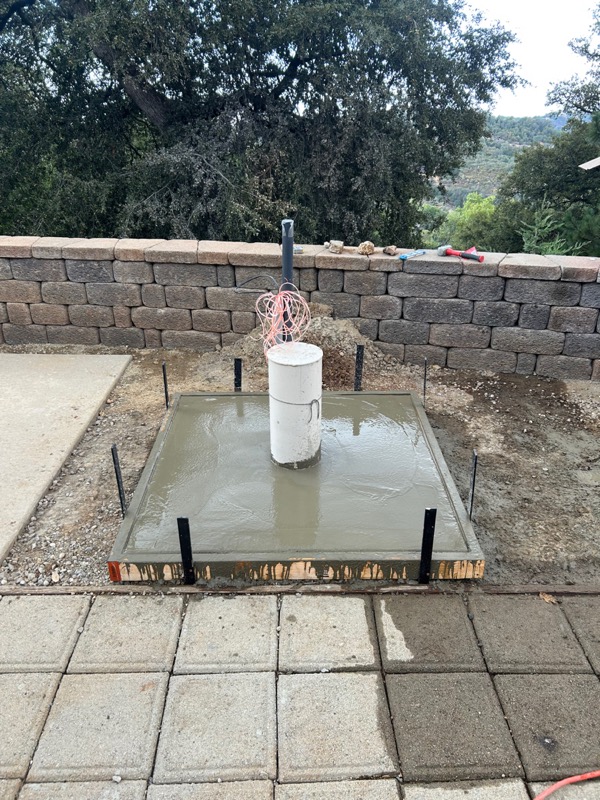
Growing avocados in Shelter Valley? These water-loving trees need reliable, high-quality well water for healthy production. Southern California Well Service supports San Diego County avocado growers with specialized well services.
📋 In This Guide
- Avocado Water Demands
- Well Systems for Avocado Groves
- Chloride Sensitivity
- Partnering with Shelter Valley Avocado Growers
- Related Articles
Avocado Water Demands
Avocados are thirsty trees:
- Mature tree: 40-70 gallons per day in summer
- Per acre: 4-6 acre-feet per year
- Critical periods: Fruit set and sizing
A reliable well is essential for profitable avocado production in San Diego County.
Well Systems for Avocado Groves
- High-capacity agricultural wells
- Storage tanks for peak demand periods
- Drip irrigation systems for efficiency
- Micro-sprinklers for young trees
- Pressure regulation for uniform coverage
Chloride Sensitivity
Avocados are highly sensitive to chloride in irrigation water. If your Shelter Valley well has elevated chloride:
- Blending with lower-chloride water source
- Leaching irrigation to flush salts
- Rootstock selection for salt tolerance
- Regular soil and leaf testing
We test well water for avocado-critical parameters.
Partnering with Shelter Valley Avocado Growers
Avocados are a major crop in San Diego County, and reliable water is essential for success. Contact us for well services designed for avocado production.
Need Help With Your Well in Shelter Valley?
Our expert technicians serve Shelter Valley and all of San Diego County with professional well services.
Related Articles
Continue learning about well maintenance and troubleshooting

Signs Your Well Pump Is Failing
Catch pump problems early before you lose water completely.
Low Water Pressure From Well
Diagnose and fix pressure problems before they get worse.
Well Maintenance Guide
Keep your well running smoothly with regular maintenance.
Our Locations
1077 Main St, Ramona, CA 92065
57174 US Highway 79, Anza, CA 92539
Desert-Edge Well Service for Shelter Valley Homesteads
Shelter Valley sits in the far eastern reach of San Diego County, a rural high-desert community strung along County Route S2 between Scissors Crossing and the edge of Anza-Borrego Desert State Park. This is off-grid and well-water country: there is no large municipal system out here, so nearly every home, ranch and weekend property depends on a private well or a shared groundwater source. The land transitions from the granite foothills around Julian and Banner Grade down into the open desert, and that geology defines how your water behaves. We are honest with our customers - Shelter Valley's arid climate and sandy, alluvial soils are not avocado-grove terrain. What thrives here is desert landscaping, small orchards of heat-tolerant fruit, livestock and the steady daily water needs of a rural household. That is exactly what our well work supports.
The Geology Under Shelter Valley
Shelter Valley lies at the contact between the eastern Peninsular Ranges and the Colorado Desert. Wells here usually draw from alluvial basin fill - sand, gravel and decomposed-granite washes shed from the surrounding mountains - rather than from fractured bedrock. Depths vary widely with position in the valley; some properties find water within a hundred feet of an active wash, while others must drill several hundred feet, and yields can be inconsistent across short distances. Desert groundwater in this part of the county also tends to carry dissolved minerals: hardness, iron, and at times elevated total dissolved solids or fluoride. None of that is unusual for the region, and all of it is manageable with the right pump sizing and treatment.
How Your Well System Keeps Water Flowing
A typical Shelter Valley setup is a submersible pump set deep in the casing, a pressure tank near the house, a pressure switch, and often a storage tank for properties with variable yield. The pump lifts water to the tank; the switch cycles the pump between cut-in and cut-out pressures; and the stored buffer carries you through normal demand without the pump running constantly. On lower-yield desert wells, a smart move is pumping slowly into a large storage tank and then feeding the house from a separate booster pump - this protects the well from being drawn down and gives you reliable pressure even when the aquifer is stingy.
Common Desert Well Problems We See
- Sand and sediment - alluvial aquifers pull fine grit that wears pump impellers and clogs screens and fixtures.
- Declining yield in dry years as the water table drops, leaving a pump set too high to keep up.
- Hard, mineral-heavy water that scales pipes, water heaters and emitters.
- Iron and manganese staining on fixtures and laundry.
- Heat and power swings - rural circuits and generators are hard on motors and controls.
- Pump set too shallow for the season, causing air and short-cycling.
What to Check Before Calling Us
- Breaker and controls. Confirm the well breaker is on and the control box has not tripped before assuming the worst.
- Pressure gauge. Note whether it cycles normally or sits dead - that single reading narrows the diagnosis fast.
- Storage tank level. If you run storage, check whether it is filling at all; a dry tank points upstream to the well or pump.
- Water clarity. Sudden sand or cloudiness can mean a dropping water level or a failing screen.
- Tank charge. A pump that starts and stops every few seconds usually means a waterlogged pressure tank.
When to Bring in a Pro
Out here, losing water is not a minor inconvenience - it can mean no water for livestock or household for a day or more. Call us promptly if your pump runs but no water arrives, if the well is pumping sand, if yield has fallen off sharply, or if you smell burning at the controls. Pulling and re-setting a submersible in a deep desert well is heavy, technical work that needs proper equipment and a licensed crew. We are a C-57 contractor with over 30 years in San Diego County's backcountry and a 4.9-star record, and we will tell you honestly whether you need a repair, a lower pump setting, or - in older wells - hydrofracturing or a new bore.
Realistic Cost Ranges
Typical figures for this region: pressure switch $150-$350; pressure tank $600-$1,500; submersible pump replacement $2,500-$5,500; sediment filtration $300-$900; iron/manganese or a softener $1,500-$3,500; constant-pressure or booster system $2,000-$4,500; hydrofracturing to improve a weak well $3,000-$8,000; and a turnkey new well $18,000-$42,000. A proper diagnostic visit is $125, credited toward your repair.
Serving Shelter Valley and the San Diego Backcountry
From Scissors Crossing and the S2 corridor out to the desert parcels bordering Anza-Borrego, we keep Shelter Valley homesteads in water. Our Ramona and Anza offices put a licensed crew within reach of even the remote eastern county, with same-day emergency response when your well goes down.
Storage and Reliability for Low-Yield Desert Wells
Many Shelter Valley wells do not gush - they produce a modest, steady flow that a smart system turns into all-day reliability. The strategy is simple and proven: pump slowly into a large storage tank during off-peak hours, then feed the house and yard from a separate booster pump. This lets even a low-yield desert well meet household and livestock needs without being drawn down hard, which both protects the aquifer and extends the life of your submersible. For properties at the dry end of the valley, storage is often the single best upgrade we can recommend, turning an unpredictable well into a dependable one.
Seasonal Care for Backcountry Wells
Out here, a little attention each season prevents most emergencies. Before the hottest months, we check pump performance and storage capacity so summer demand does not catch you short. We watch water levels through dry years, because a table that drops below your pump intake means air, sand and a burned-out motor if it is ignored. We inspect pressure tanks for waterlogging, test water periodically for the hardness and minerals common to desert groundwater, and confirm that controls and wiring have not suffered from heat or rodent damage - a real issue on remote parcels. An annual once-over is far cheaper than a no-water weekend with livestock to care for.
Why Shelter Valley Homesteaders Trust Us
Remote does not mean unreachable. Our Ramona and Anza offices put a licensed crew within practical driving distance of the S2 corridor and the Anza-Borrego edge, and we have spent over 30 years working the kind of backcountry wells that out-of-area companies avoid. We bring the right equipment to pull and set deep submersibles, we diagnose honestly, and we credit the $125 diagnostic toward your repair. When your only water source goes down, our 4.9-star team and same-day emergency response are exactly what rural living requires.
Frequently Asked Questions
Can you really grow avocados in Shelter Valley?
Honestly, no - Shelter Valley is arid high desert near Anza-Borrego with sandy soils, not avocado country. We focus on what works here: reliable household, livestock and landscape water from private desert wells.
How deep are wells in Shelter Valley?
It varies widely. Wells along active washes may find water within about 100 feet, while others go several hundred feet. Yield can change over short distances because the aquifer is alluvial basin fill.
Why is my desert well pumping sand?
Alluvial aquifers carry fine grit, and a dropping water table can let a pump draw sediment. We check pump setting and well screen and recommend sediment filtration to protect your fixtures.
What does a new well cost out here?
A turnkey new well typically runs $18,000-$42,000 depending on depth and yield. Sometimes hydrofracturing an existing well ($3,000-$8,000) restores enough flow to avoid drilling new.
Do you serve remote eastern San Diego County?
Yes. Our Ramona and Anza offices reach the S2 corridor and Anza-Borrego edge, with same-day emergency service when a rural well fails.
Is hard, mineral-heavy water normal in Shelter Valley?
Yes. Desert groundwater here often carries hardness, iron and dissolved solids. Testing tells us exactly what is present, and filtration or softening makes it comfortable for household use.
Get Dependable Well Service in Shelter Valley Today
Whether you need an emergency pump repair, a pressure problem solved, water testing, or a brand-new well, Southern California Well Service is ready to help Shelter Valley and all of San Diego County. We are a licensed C-57 water well contractor with more than 30 years of local experience, a 4.9-star reputation, and same-day emergency availability. Call us, text us, or request a free estimate and we will get your water flowing again.
Call (760) 440-8520 or text (619) 259-0410 for same-day service in Shelter Valley. Our diagnostic visit is just $125 and is credited toward your repair. Offices in Ramona (1077 Main St) and Anza (57174 US Highway 79) keep a licensed crew close to you.