
Well Services for Thousand Palms Avocado Groves
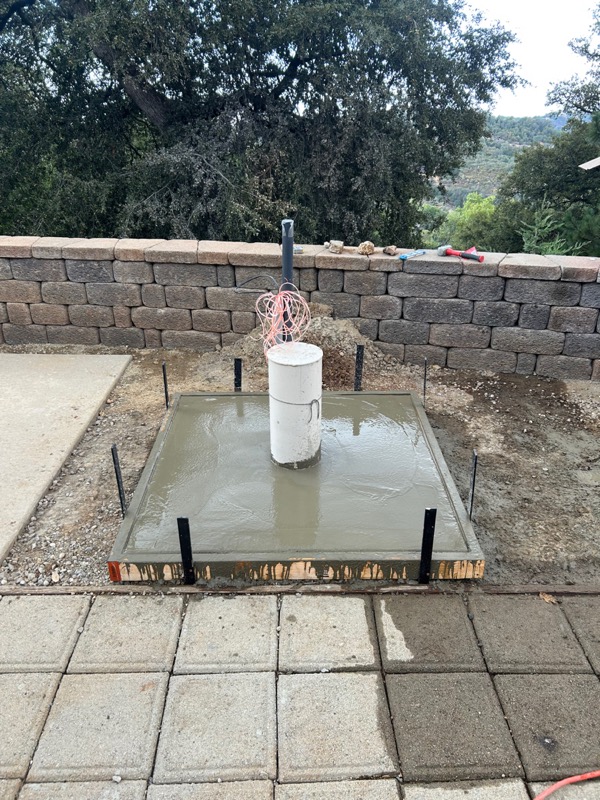
Growing avocados in Thousand Palms? These water-loving trees need reliable, high-quality well water for healthy production. Southern California Well Service supports Riverside County avocado growers with specialized well services.
📋 In This Guide
- Avocado Water Demands
- Well Systems for Avocado Groves
- Chloride Sensitivity
- Partnering with Thousand Palms Avocado Growers
- Related Articles
Avocado Water Demands
Avocados are thirsty trees:
- Mature tree: 40-70 gallons per day in summer
- Per acre: 4-6 acre-feet per year
- Critical periods: Fruit set and sizing
A reliable well is essential for profitable avocado production in Riverside County.
Well Systems for Avocado Groves
- High-capacity agricultural wells
- Storage tanks for peak demand periods
- Drip irrigation systems for efficiency
- Micro-sprinklers for young trees
- Pressure regulation for uniform coverage
Chloride Sensitivity
Avocados are highly sensitive to chloride in irrigation water. If your Thousand Palms well has elevated chloride:
- Blending with lower-chloride water source
- Leaching irrigation to flush salts
- Rootstock selection for salt tolerance
- Regular soil and leaf testing
We test well water for avocado-critical parameters.
Partnering with Thousand Palms Avocado Growers
Avocados are a major crop in Riverside County, and reliable water is essential for success. Contact us for well services designed for avocado production.
Need Help With Your Well in Thousand Palms?
Our expert technicians serve Thousand Palms and all of Riverside County with professional well services.
Related Articles
Continue learning about well maintenance and troubleshooting

Signs Your Well Pump Is Failing
Catch pump problems early before you lose water completely.
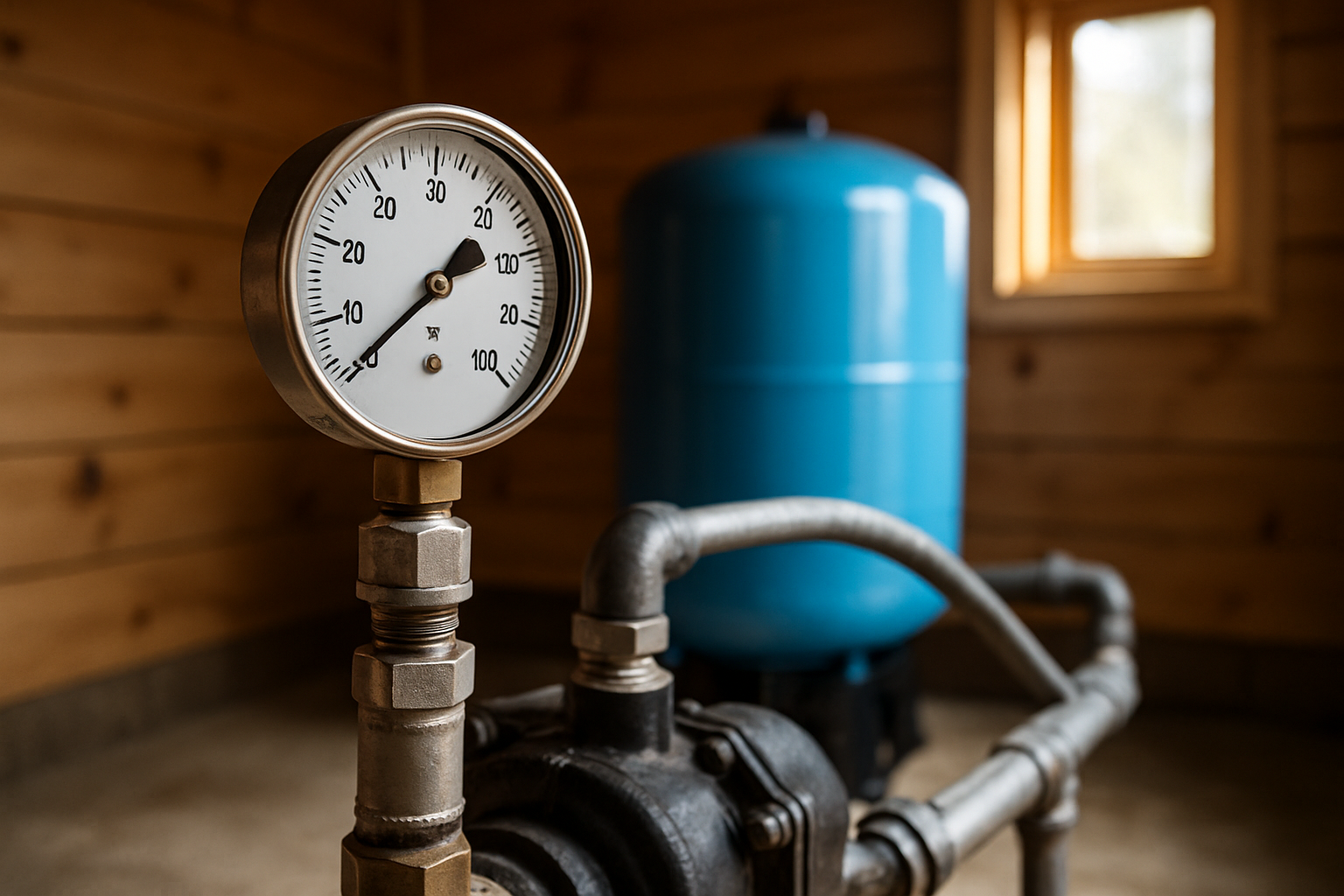
Low Water Pressure From Well
Diagnose and fix pressure problems before they get worse.
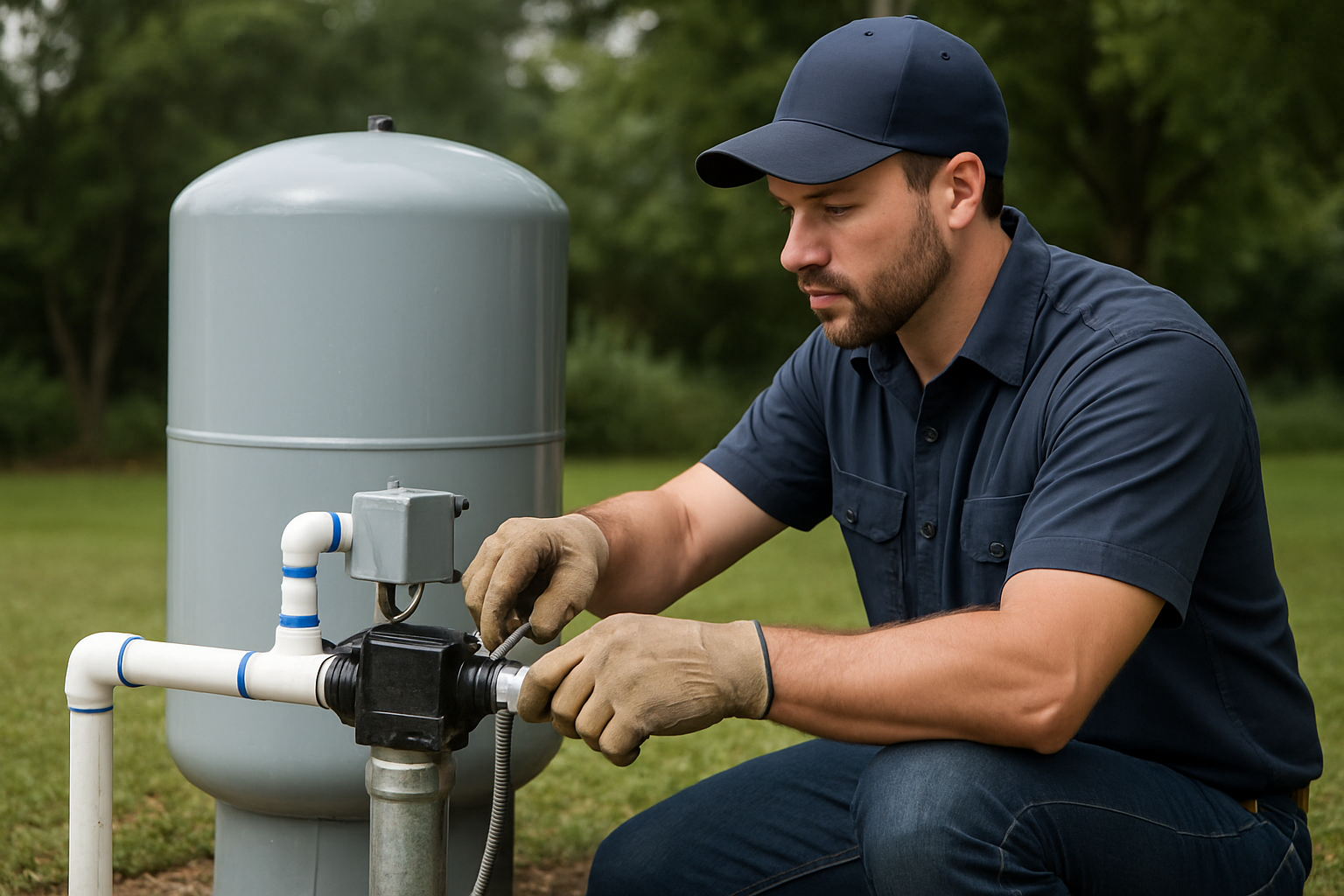
Well Maintenance Guide
Keep your well running smoothly with regular maintenance.
Our Locations
1077 Main St, Ramona, CA 92065
57174 CA-371 (US Hwy 79), Anza, CA 92539
Agricultural and Residential Well Service in Thousand Palms
Thousand Palms sits in the heart of the Coachella Valley in Riverside County, where summer highs routinely climb past 110°F and annual rainfall barely reaches three inches. For property owners along Ramon Road, Varner Road, and the rural stretches near the Coachella Valley Preserve, a dependable private well is not a luxury — it is the difference between a thriving landscape and a dusty lot. While the desert climate here is too hot and saline for commercial avocado groves, the same well principles that serve avocado growers in cooler parts of the county apply directly to the date gardens, citrus, ornamental palms, and residential properties that define Thousand Palms. Southern California Well Service brings more than 30 years of C-57 licensed experience to every job in this corner of the valley.
Many Thousand Palms parcels were developed decades ago, and the wells serving them reflect a range of vintages and construction standards. A well drilled in the 1970s with galvanized fittings behaves nothing like a modern PVC-cased installation with a stainless screen. Part of our first visit is simply learning what you already have in the ground, because the right fix always starts with an accurate picture of the existing system.
The Coachella Valley draws its groundwater from a deep alluvial aquifer fed by runoff from the Little San Bernardino and San Jacinto mountains. That basin is generous in places and stubbornly mineral-rich in others, which is why two wells a quarter-mile apart can behave so differently. Understanding that local variability is exactly what separates a lasting repair from a repeat service call.
How a Desert Well System Works
A private well in Thousand Palms is a chain of components, and a weakness anywhere in that chain shows up at your faucet or irrigation manifold. Groundwater enters through a screened intake, a submersible pump lifts it up the casing, and a pressure tank with a pressure switch holds it ready for delivery. In our valley, wells are often drilled deep — commonly 200 to 600 feet — because the static water level can sit well below the surface, especially during the long dry season.
Because the aquifer here carries dissolved calcium, magnesium, and sometimes elevated total dissolved solids, the working parts of a desert well take more abuse than they would in a mild coastal climate. Scale forms on pump impellers, mineral film clouds pressure switches, and salts accumulate in drip emitters. A properly sized constant-pressure or booster system keeps irrigation lines even across a sprawling desert property, and a sediment or scale-reduction stage protects everything downstream.
The Pieces That Matter Most
- Submersible pump: the workhorse, hung hundreds of feet down in the casing
- Pressure tank and switch: stabilize delivery and stop the pump from short-cycling
- Storage tank: common on larger Thousand Palms parcels to bank water for peak afternoon demand
- Filtration and scale control: essential given the valley's mineral load
- Controls and wiring: exposed desert installations need weather-rated, properly grounded electrical
Common Well Scenarios in Thousand Palms
After decades of service across Riverside County, the patterns we see in the Coachella Valley are distinct from the rest of the region. Heat and minerals drive most of them.
- Pump overheating and short-cycling during triple-digit afternoons, often traced to a waterlogged pressure tank or a failing switch
- Scale buildup choking impellers and emitters, gradually cutting flow and pressure
- Dropping static water level during drought years, which can pull air into an undersized pump setting
- Salt and TDS creep that stresses sensitive landscaping and clogs micro-irrigation
- Electrical faults from sun-baked conduit, rodent damage, or grid voltage swings in outlying areas
None of these are guesswork problems. Each leaves a signature a trained technician can read in minutes.
What to Check Before You Call
A few safe observations can speed up your diagnosis and sometimes save you a service visit entirely.
- Listen at the pressure tank. Rapid clicking of the switch usually points to a tank that has lost its air charge.
- Read the pressure gauge. A normal system cycles between roughly 40 and 60 psi; a gauge stuck low or bouncing wildly is a clue.
- Check the breaker. A tripped well breaker after a hot afternoon often means the pump drew too much current.
- Look for staining or grit. White scale on fixtures signals hardness; sand in an aerator points to a screen or casing issue.
- Note the timing. Problems that appear only during peak irrigation hours suggest capacity or pressure limits rather than outright failure.
Never open the wellhead, lift a pump, or probe electrical components yourself — those are jobs for a licensed contractor with the right rigging and lockout procedures.
When to Call a Professional
Call us right away if you have no water at all, if your breaker keeps tripping, if water comes out muddy or full of air, or if you smell anything burning near the pressure switch. These point to failures that worsen quickly and can damage an expensive pump if the system keeps trying to run. Our same-day emergency service exists for exactly these moments, because in a Thousand Palms summer, a day without water is a genuine hazard for people, pets, and plantings alike.
It also pays to act early on the small symptoms. A pressure switch that chatters or a tank that has lost its charge is inexpensive to address, but ignored, it forces the pump to cycle on and off thousands of extra times, wearing out a motor that costs many times more to replace. In desert conditions, where heat already shortens equipment life, catching the cheap problem first is the single best way to protect the expensive one.
Realistic Cost Ranges
Honest numbers help you plan. Actual pricing depends on well depth, access, and water chemistry, but these ranges reflect typical Coachella Valley work:
- Pressure switch replacement: $150–$350
- Pressure tank replacement: $600–$1,500
- Submersible pump replacement: $2,500–$5,500
- Sediment / scale filtration: $300–$900
- Constant-pressure or booster system: $2,000–$4,500
- New turnkey well: $18,000–$42,000
- Hydrofracturing to improve yield: $3,000–$8,000
Every visit starts with a $125 diagnostic that we credit toward the repair when you move forward with us.
Serving Thousand Palms and the Coachella Valley
From our Ramona and Anza offices, our crews reach Thousand Palms and the surrounding communities — Cathedral City, Palm Desert, Sky Valley, and the desert parcels north toward Joshua Tree's gateway. Because we keep pumps, tanks, switches, and filtration stock on our trucks, most repairs finish in a single trip. We are a full-service C-57 contractor, holding a 4.9-star reputation built on straight talk and durable work, not upsells.
Frequently Asked Questions
What county is Thousand Palms in?
Thousand Palms is an unincorporated community in Riverside County, within the Coachella Valley between Palm Springs and Indio.
How deep are wells in the Thousand Palms area?
Wells in the Coachella Valley commonly range from about 200 to 600 feet deep, since the static water level can sit far below the surface. Your exact depth depends on your parcel's location relative to the aquifer.
Can I grow avocados on well water in Thousand Palms?
The desert heat and saltier groundwater here make commercial avocado production impractical compared to cooler Riverside County areas. The same well, filtration, and irrigation services we provide for avocado growers, however, work just as well for dates, citrus, palms, and residential landscaping in Thousand Palms.
Why is my desert well water leaving white scale?
That scale is hardness — dissolved calcium and magnesium from the alluvial aquifer. A scale-reduction or softening system protects your fixtures, pump, and irrigation emitters from buildup.
How fast can you respond to a no-water emergency?
We offer same-day emergency service across the Coachella Valley. Call (760) 440-8520 or text (760) 219-5877 and we will get a technician moving toward you.
Do you handle both the well and the irrigation system?
Yes. As a full-service contractor we cover everything from drilling and pump repair to pressure systems, filtration, and the irrigation manifold that feeds your property.
Protecting a Desert Water Investment
In Thousand Palms, your well ranks among the most valuable systems on the property, and the Coachella Valley is hard on valuable systems. Heat shortens the life of pumps and switches, hard water scales every surface it contacts, and the relentless summer demand pushes equipment to its limits month after month. The owners who spend the least over time are the ones who plan ahead, scheduling periodic checkups instead of waiting for the day the pump quits in triple-digit heat.
Water quality deserves the same steady attention as water supply. Scale building on a heat exchanger, sediment settling in a storage tank, or rising mineral levels through a long dry season can all degrade your water so gradually that you adjust without noticing. A periodic service visit flushes tanks, inspects filtration, and confirms your treatment still matches what the well is producing, since valley water chemistry shifts as the basin rises and falls across wet and dry years.
When repairs or upgrades are needed, a licensed C-57 contractor protects that investment. The C-57 certifies real water-well expertise — casing, downhole pumps, yield testing, and the regulations governing desert wells — not just general plumbing that stops at the surface. That depth of knowledge is what prevents the misdiagnoses that turn one repair into several. Southern California Well Service brings that licensed expertise and more than three decades of Coachella Valley experience to every Thousand Palms job.
Get Reliable Water in Thousand Palms
Whether you are nursing an aging pump through another desert summer or planning a brand-new well, Southern California Well Service is ready to help. Call (760) 440-8520, text (760) 219-5877, or request a free estimate online. Licensed C-57, 30-plus years in business, same-day emergency response.