
Well Services for University City Avocado Groves
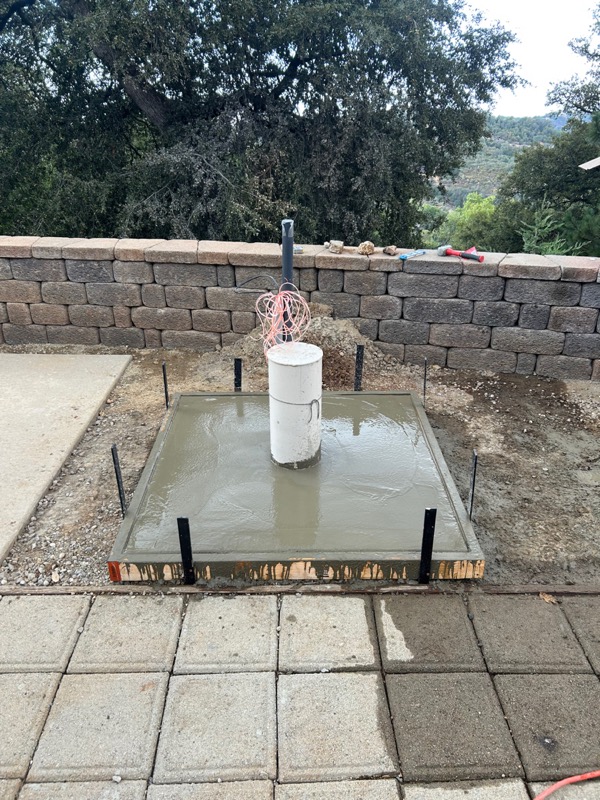
Growing avocados in University City? These water-loving trees need reliable, high-quality well water for healthy production. Southern California Well Service supports San Diego County avocado growers with specialized well services.
📋 In This Guide
- Avocado Water Demands
- Well Systems for Avocado Groves
- Chloride Sensitivity
- Partnering with University City Avocado Growers
- Related Articles
Avocado Water Demands
Avocados are thirsty trees:
- Mature tree: 40-70 gallons per day in summer
- Per acre: 4-6 acre-feet per year
- Critical periods: Fruit set and sizing
A reliable well is essential for profitable avocado production in San Diego County.
Well Systems for Avocado Groves
- High-capacity agricultural wells
- Storage tanks for peak demand periods
- Drip irrigation systems for efficiency
- Micro-sprinklers for young trees
- Pressure regulation for uniform coverage
Chloride Sensitivity
Avocados are highly sensitive to chloride in irrigation water. If your University City well has elevated chloride:
- Blending with lower-chloride water source
- Leaching irrigation to flush salts
- Rootstock selection for salt tolerance
- Regular soil and leaf testing
We test well water for avocado-critical parameters.
Partnering with University City Avocado Growers
Avocados are a major crop in San Diego County, and reliable water is essential for success. Contact us for well services designed for avocado production.
Need Help With Your Well in University City?
Our expert technicians serve University City and all of San Diego County with professional well services.
Related Articles
Continue learning about well maintenance and troubleshooting

Signs Your Well Pump Is Failing
Catch pump problems early before you lose water completely.
Low Water Pressure From Well
Diagnose and fix pressure problems before they get worse.
Well Maintenance Guide
Keep your well running smoothly with regular maintenance.
Our Locations
1077 Main St, Ramona, CA 92065
57174 CA-371 (US Hwy 79), Anza, CA 92539
Agricultural and Residential Well Service for University City and Greater San Diego
University City is a dense, built-out neighborhood of San Diego anchored by UC San Diego, the Westfield UTC center, and the Golden Triangle business district, bordered by La Jolla, Clairemont, and Sorrento Valley. It is not farm country, and homes here are served by municipal water. But University City is also the hub of a much larger region, and just beyond the urban edge, in the canyons and mesas reaching toward Sorrento Valley, Mira Mesa, and the agricultural belt that runs north and east through San Diego County, private wells still irrigate avocado groves, citrus, and rural homesteads. Southern California Well Service brings 30-plus years of licensed C-57 experience to property owners across that whole footprint, and we treat a University City-area client with the same care whether the water feeds a single home or a working grove on nearby acreage.
San Diego County is California's avocado heartland, and the economics of a grove still come down to water. A mature Hass avocado can transpire 40 to 70 gallons a day in peak summer heat, and a planted acre can require four to six acre-feet across the year, concentrated heavily during fruit set and sizing. When that water comes from a private well rather than a district meter, the reliability of the pump, the storage, and the water chemistry directly determines whether the trees thrive or stall.
How These Well Systems Are Built
Most private wells in the San Diego County uplands are drilled into decomposed granite and fractured crystalline rock, with the productive water coming from fracture networks rather than a thick sandy aquifer. Depths commonly fall between 200 and 600 feet. A submersible pump set below the water level lifts water to the surface, where a pressure tank and switch hold steady pressure for the house. Grove systems usually add a storage tank, allowing a moderate-yield well to run steadily and bank water for the high-demand irrigation windows, plus a booster or constant-pressure pump to keep drip and micro-sprinkler lines even across uneven ground.
Because fractured-rock wells vary so much from one parcel to the next, sizing matters more here than in regions with uniform aquifers. We match pump output to the well's tested yield, size the tank to bridge peak demand, and add filtration where the water carries sediment or minerals. The goal is a system that delivers consistent pressure and clean water without overdrawing the well and pulling in air or fines.
Common Local Scenarios
The recurring issues we see across the broader University City service area include sediment from decomposed-granite formations that wears pump seals and clouds water, hard and mineral-laden water that scales pipes and fixtures, and iron staining from either natural groundwater or aging steel casing and galvanized plumbing. Drought years stress wells as the water table drops, sometimes reducing yield right when grove demand peaks. For avocado growers specifically, the headline concern is salinity and chloride; avocados are among the most salt-sensitive of all tree crops, and even moderate chloride in irrigation water shows up as scorched leaf margins and lost production. We test for these parameters and design treatment or blending strategies around them.
We also see properties where the well itself is sound but the delivery system has aged out, undersized pressure tanks, original galvanized supply lines, or control boxes exposed to weather and rodents. These are often the cheapest problems to fix and the easiest to overlook, and addressing them frequently restores pressure and water clarity without touching the pump or the well at all.
A Practical Checklist Before You Call
- Watch the pump cycle. Fast clicking on and off generally means a waterlogged tank or a worn pressure switch.
- Read the pressure gauge. Knowing your cut-in and cut-out points helps us diagnose remotely.
- Test an outside hose bib. Low pressure everywhere usually means a well or tank problem rather than indoor plumbing.
- Fill a clear glass. Settling cloudiness is sediment; a tint that develops on standing suggests iron.
- Check the well breaker. A tripped breaker is a common and harmless reason for sudden no-water.
Past these checks, the wellhead, electrical, and pressurized components should be handled only by a licensed technician for safety and to avoid damaging the well.
When It Is Time for a Pro
Reach out when water stops, when pressure falls and will not recover, when the pump runs but produces little, or when water turns persistently discolored or develops a new odor. Grove owners should also schedule water testing before any new planting so rootstock selection and irrigation design fit the actual water chemistry. We respond same-day to emergencies and give an honest assessment of repair versus replacement rather than defaulting to the most expensive option.
What Service Typically Costs
In San Diego County, common ranges are: pressure switch $150 to $350; pressure tank $600 to $1,500; submersible pump replacement $2,500 to $5,500; sediment filtration $300 to $900; iron or manganese filter or softener $1,500 to $3,500; and constant-pressure or booster system $2,000 to $4,500. Bigger investments include hydrofracturing a low-yield well at $3,000 to $8,000, a new turnkey well at $18,000 to $42,000, and decommissioning an abandoned well at $1,500 to $5,000. We charge $125 for a diagnostic visit and credit it toward any work you authorize.
Our University City Service Area
From our Ramona and Anza offices we serve University City and the surrounding communities of La Jolla, Clairemont, Sorrento Valley, Mira Mesa, and the rural and agricultural parcels stretching north and east across San Diego County. Wherever your well is, our crews understand the granitic terrain and arrive equipped to diagnose and fix it efficiently.
Why Local Experience Matters
San Diego County's groundwater behaves very differently from the deep alluvial basins of the desert or the Central Valley. Here, water lives in fractures, and two wells a few hundred yards apart can have completely different yields, depths, and water chemistry. A contractor who works this granite every week reads the clues, the way the water table moves through a dry year, the formations that tend to produce sediment, the neighborhoods where older steel casing is common, and uses them to diagnose faster and recommend the right fix the first time. Over three decades we have built that local knowledge across the county, and it is the reason our customers are not paying for guesswork.
That experience also protects your investment. An avocado grove represents years of growth before it returns a profit, and a mismatched well or an untreated salinity problem can quietly undercut yields season after season. By testing the water, sizing the system to real demand, and protecting the pump from sediment and power problems, we help growers avoid the slow, expensive failures that are far harder to fix once trees are already in the ground and declining.
Frequently Asked Questions
Does University City actually have private wells and groves?
The neighborhood itself is urban and on city water, but the wider San Diego County region we serve includes many private wells and avocado groves. We help both residential well owners and grove owners across that area.
What does avocado-safe well water look like?
For avocados, the key numbers are chloride and total salinity. Low chloride is critical because the trees are highly salt-sensitive. A lab test of your well water tells us whether treatment, blending, or salt-tolerant rootstock is the right path.
How long does a submersible pump last around here?
With clean water and stable power, many submersible pumps run 10 to 15 years. Sediment, sand, and voltage problems shorten that, which is why filtration and proper electrical protection pay off.
Can you increase the output of a weak well?
In fractured granitic rock, hydrofracturing can open new water-bearing fractures and raise yield. Adding storage also lets a modest well meet peak irrigation demand. We evaluate each well before recommending either.
Do you provide same-day emergency service?
Yes. We offer same-day response for no-water emergencies throughout the University City area and the surrounding county, reachable by phone or text.
How often should I test my well water?
We recommend annual testing for bacteria and a fuller chemistry panel every few years, plus a test any time taste, color, or odor changes, or before planting a grove.
Schedule Your University City Well Service
Keep your home and your trees supplied with dependable water. Call Southern California Well Service at (760) 440-8520 or text (760) 219-5877 to book a diagnostic, request a free estimate, or get same-day emergency help anywhere in the University City service area.