
Well Services for Valley Center Avocado Groves
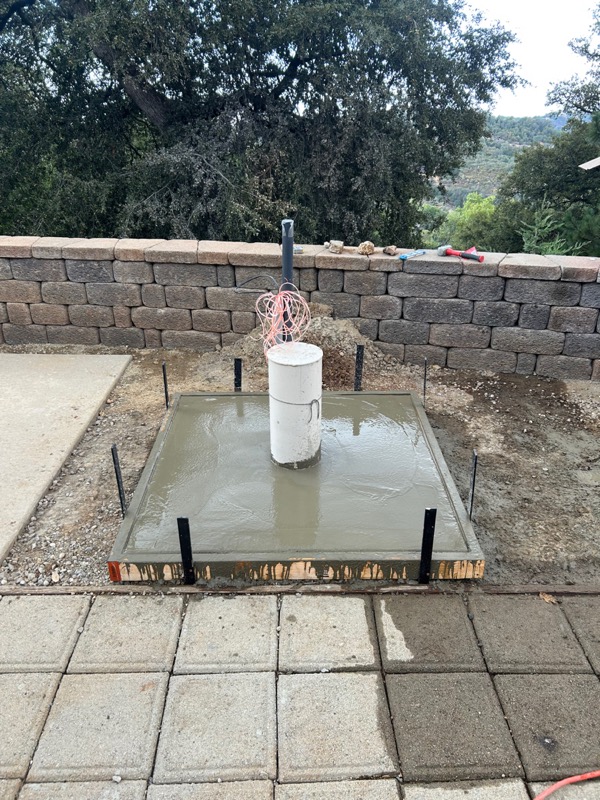
Growing avocados in Valley Center? These water-loving trees need reliable, high-quality well water for healthy production. Southern California Well Service supports San Diego County avocado growers with specialized well services.
📋 In This Guide
- Avocado Water Demands
- Well Systems for Avocado Groves
- Chloride Sensitivity
- Partnering with Valley Center Avocado Growers
- Related Articles
Avocado Water Demands
Avocados are thirsty trees:
- Mature tree: 40-70 gallons per day in summer
- Per acre: 4-6 acre-feet per year
- Critical periods: Fruit set and sizing
A reliable well is essential for profitable avocado production in San Diego County.
Well Systems for Avocado Groves
- High-capacity agricultural wells
- Storage tanks for peak demand periods
- Drip irrigation systems for efficiency
- Micro-sprinklers for young trees
- Pressure regulation for uniform coverage
Chloride Sensitivity
Avocados are highly sensitive to chloride in irrigation water. If your Valley Center well has elevated chloride:
- Blending with lower-chloride water source
- Leaching irrigation to flush salts
- Rootstock selection for salt tolerance
- Regular soil and leaf testing
We test well water for avocado-critical parameters.
Partnering with Valley Center Avocado Growers
Avocados are a major crop in San Diego County, and reliable water is essential for success. Contact us for well services designed for avocado production.
Need Help With Your Well in Valley Center?
Our expert technicians serve Valley Center and all of San Diego County with professional well services.
Related Articles
Continue learning about well maintenance and troubleshooting

Signs Your Well Pump Is Failing
Catch pump problems early before you lose water completely.
Low Water Pressure From Well
Diagnose and fix pressure problems before they get worse.

Well Maintenance Guide
Keep your well running smoothly with regular maintenance.
Our Locations
1077 Main St, Ramona, CA 92065
57174 US Highway 79, Anza, CA 92539
Valley Center: Avocado Heartland of San Diego County
Few places are as identified with avocados as Valley Center. This rural community in the granite hills of inland San Diego County has been a center of the region's avocado and citrus industry for decades, its slopes terraced with Hass groves and dotted with ranches. Much of that farming runs on private and agricultural wells, because Valley Center's spread-out, hilly geography and the cost of imported district water make on-site groundwater the practical choice for irrigated agriculture.
The land around Valley Center — from Woods Valley and the Hellhole Canyon area to the ridges near Lake Wohlford — is dominated by decomposed granite and fractured crystalline bedrock. Wells here tap fractures rather than broad sandy aquifers, so output varies from parcel to parcel and even from ridge to ridge. Knowing how this granite behaves is central to keeping a Valley Center grove watered, and it's exactly the terrain we work every week.
How an Avocado Irrigation Well Works
A Valley Center grove is a demanding, year-round irrigation customer. A mature avocado drinks 40 to 70 gallons on a hot day and an acre needs four to six acre-feet a year, peaking during fruit set and sizing. The well and pump must hold up under long irrigation sets, not short household bursts.
Sizing to a Granite Well
Because granite wells are fracture-fed, sizing starts with a real measurement of sustained yield — static and pumping levels and recovery rate. We then match the submersible and design irrigation blocks the well can serve without drawing it down and pulling air. Oversizing a pump on a modest Valley Center well is a fast way to burn a motor.
Storage and Constant-Pressure Systems
Storage tanks are a staple of well-run Valley Center groves. The well fills the tank around the clock at its natural rate, and a constant-pressure booster pulls from storage to irrigate at full pressure. This decouples irrigation timing from instantaneous well output and protects lower-yield wells — the single most reliable strategy on this granite.
Common Valley Center Grove Water Problems
Low Yield and Summer Drawdown
The classic Valley Center call comes during a late-summer heat wave: the grove well can't keep up with sizing fruit. The cause might be a drawn-down formation after a dry winter, a worn pump losing capacity, or fouled perforations. A drawdown test identifies the real problem — and whether hydrofracturing could open more fractures and lift yield.
Chloride Sensitivity
Avocados tolerate very little chloride, and salt issues show up as leaf burn and fruit drop. We test Valley Center well water for chloride, TDS, and related parameters, then recommend blending, leaching schedules, or treatment to keep the trees healthy.
Sand and Mineral Buildup
Granite wells commonly produce fine sand and minerals that clog emitters and micro-sprinklers and ruin irrigation uniformity. Wellhead sediment filtration and periodic flushing keep every block getting even water.
Maintenance That Extends a Valley Center Well's Life
The Valley Center groves that rarely face a water emergency are usually the ones with an owner who treats the well as a managed asset rather than a fixture that runs until it quits. A granite well and its pump live a hard life here — long summer run times, abrasive sand, and the strain of pulling water from depth — and a little routine attention pays off in years of added service.
The fundamentals are simple. Keep a basic log of pressure readings and the run time needed to complete each irrigation set; a slow creep upward is the clearest early signal that a pump is wearing or a well is declining. Check the pressure tank's air charge periodically, since a waterlogged tank forces the pump to short-cycle and shortens its life dramatically. Watch for new sand in the water, which can mean a developing screen or casing problem worth investigating before it damages the pump. And schedule a professional inspection every couple of years, ideally before the summer peak.
Well rehabilitation is an underused tool on Valley Center granite. Over time, mineral scale and fine sediment build up on screens and in the surrounding fractures, choking off flow that the formation could still deliver. Mechanical and chemical rehabilitation can clear that buildup and recover much of a well's lost capacity — often the difference between an apparently failing well and one that has simply been neglected. We assess whether rehabilitation, hydrofracturing, or pump work is the right answer rather than defaulting to the largest job.
What to Check Before You Call
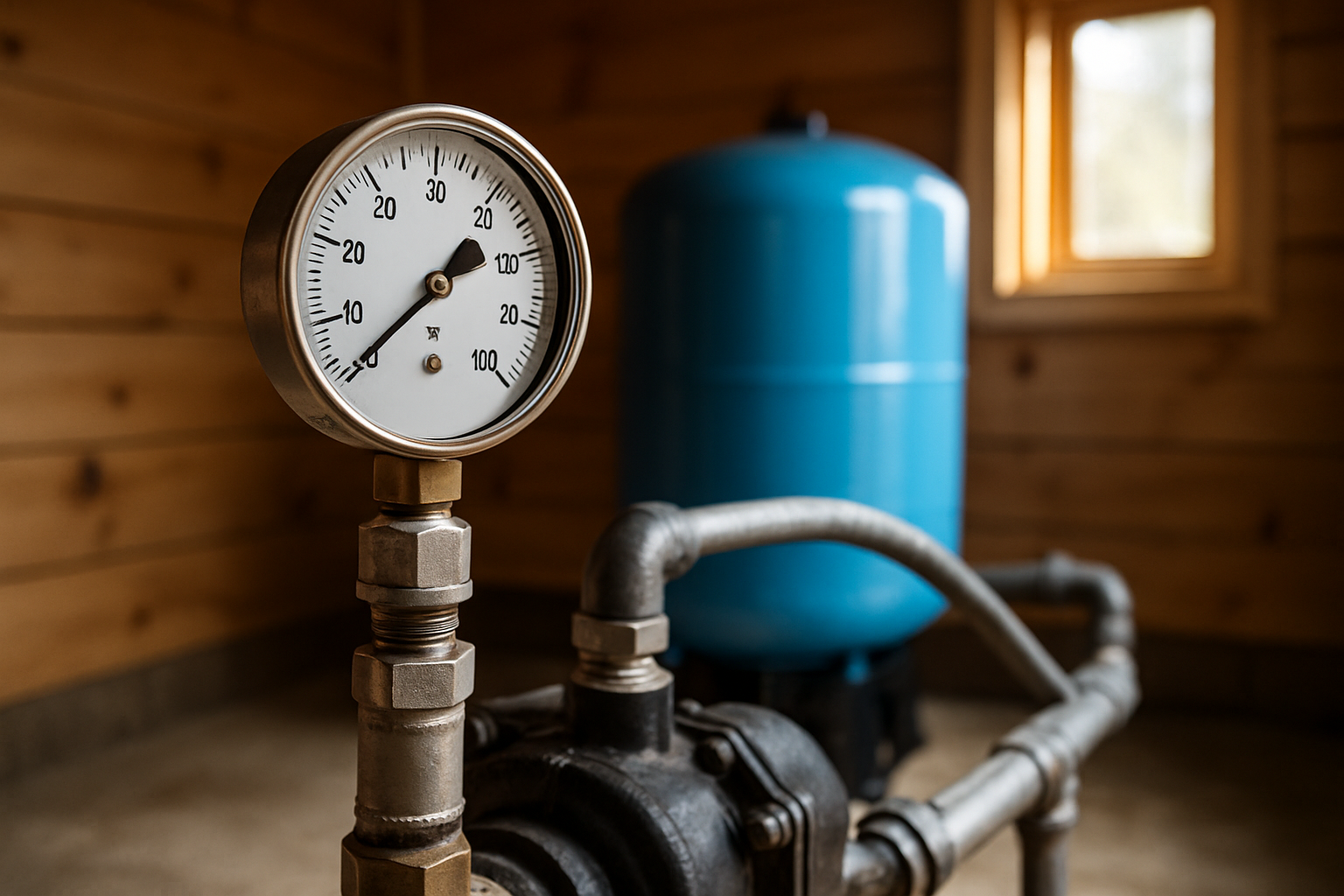
Confirm the pump breaker and disconnect are on, check the pressure tank's air charge, listen for rapid short-cycling, and walk the lines and valves for leaks. If pressure sags only during long irrigation sets, the issue is more likely well yield or pump wear than controls.
When to Call a Professional
Pulling a submersible from a deep granite well or diagnosing a low-yield formation is licensed work. Southern California Well Service is a C-57 licensed contractor with more than 30 years across San Diego County, offices in Ramona and Anza, a 4.9-star reputation, and same-day emergency response when a grove loses water.
What Avocado Well Service Costs in Valley Center
Ballpark figures: pressure switch $150 to $350; pressure tank $600 to $1,500; replacement submersible pump $2,500 to $5,500; sediment filtration $300 to $900; constant-pressure or booster system $2,000 to $4,500; softening or conditioning $1,500 to $3,500. Hydrofracturing a low-yield granite well runs $3,000 to $8,000, and a turnkey new well $18,000 to $42,000. Our diagnostic is $125, credited toward the repair.
Serving Valley Center and the Surrounding Groves
From Woods Valley and Hellhole Canyon to the ridges near Lake Wohlford and out toward Pauma and Escondido, we keep avocado and citrus wells producing throughout Valley Center. We know this granite, what tends to produce, and how to carry a grove through a San Diego County summer.
Protect Your Valley Center Grove's Water
For a low-yield well, a failing pump, or a professional assessment before the next heat wave, call Southern California Well Service at (760) 440-8520 or text (619) 259-0410. Same-day emergency service is available throughout Valley Center.
Reading the Early Warning Signs
Most Valley Center well failures announce themselves well before they become emergencies, if you know what to watch for. Air spitting from emitters or a sputtering wellhead can mean the pumping level is dropping below where it should and the pump is occasionally drawing air. A gradual loss of pressure or coverage at the far blocks suggests declining yield or a worn pump. Frequent pump cycling often points to a waterlogged pressure tank. New sand in the water can signal a developing screen or casing problem. And a steady rise in the run time needed to irrigate the same block is one of the clearest signals of all that the system is slowly losing capacity.
Catching these signs early is the difference between a scheduled repair and a dead grove well in August. We encourage Valley Center growers to keep a simple log of pressure and run times and to call at the first persistent change rather than waiting for a complete failure. An early drawdown test or pump inspection is inexpensive compared with the cost of losing irrigation during fruit sizing, and it often reveals a cheap fix — a pressure switch or tank — before it becomes a pump replacement.
Frequently Asked Questions
Why does my Valley Center well produce less than my neighbor's?
Valley Center wells are finished in fractured granite, and yield depends on how many productive fractures a well intercepts. Because those fractures are unevenly distributed, output varies sharply between nearby properties. We measure your well's sustained yield to understand what it can reliably deliver.
Can hydrofracturing raise my grove well's output?
Often, yes. Hydrofracturing uses controlled water pressure to clear and open fractures in granite wells, which frequently boosts a low-yield well at a cost of about $3,000 to $8,000 — far less than a new well. We assess whether your well is a good candidate first.
Why does my well struggle every summer?
After a dry winter, granite formations draw down, and the demand from sizing fruit peaks in late summer — so a marginal well shows the strain exactly when you need it most. A drawdown test tells us whether the formation, a worn pump, or fouled perforations is the limit.
Are storage tanks worth it in Valley Center?
For most groves here, yes. A storage tank lets a fracture-fed well fill around the clock while a booster delivers full irrigation pressure on demand, protecting a moderate-yield well from being over-pumped. It is the most reliable setup on Valley Center granite.
How do I know if my water is hurting my avocados?
Tip burn, thin canopy, and fruit drop are classic signs of chloride or salt stress. We test your Valley Center well water for chloride and TDS and recommend blending, leaching, or treatment to bring salts to a level the trees tolerate.
Do you offer emergency service in Valley Center?
Yes. We provide same-day emergency response across Valley Center for growers who have lost water, which is critical during fruit set and heat waves. Call (760) 440-8520 as soon as you notice the well failing.