
Well Services for Winchester Avocado Groves
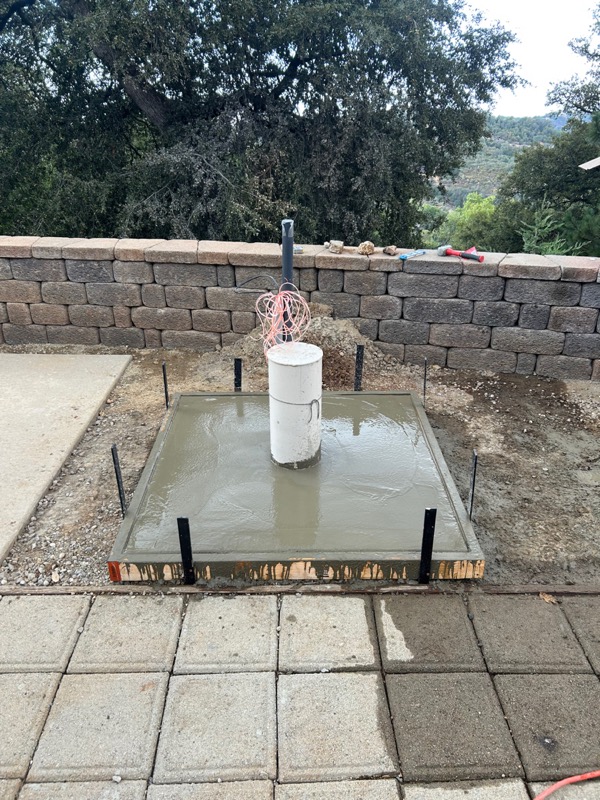
Growing avocados in Winchester? These water-loving trees need reliable, high-quality well water for healthy production. Southern California Well Service supports Riverside County avocado growers with specialized well services.
📋 In This Guide
- Avocado Water Demands
- Well Systems for Avocado Groves
- Chloride Sensitivity
- Partnering With Growers
- Related Articles
Need Help With Your Well in Winchester?
Our expert technicians serve Winchester with professional well services.
Related Articles
Continue learning about well maintenance and troubleshooting
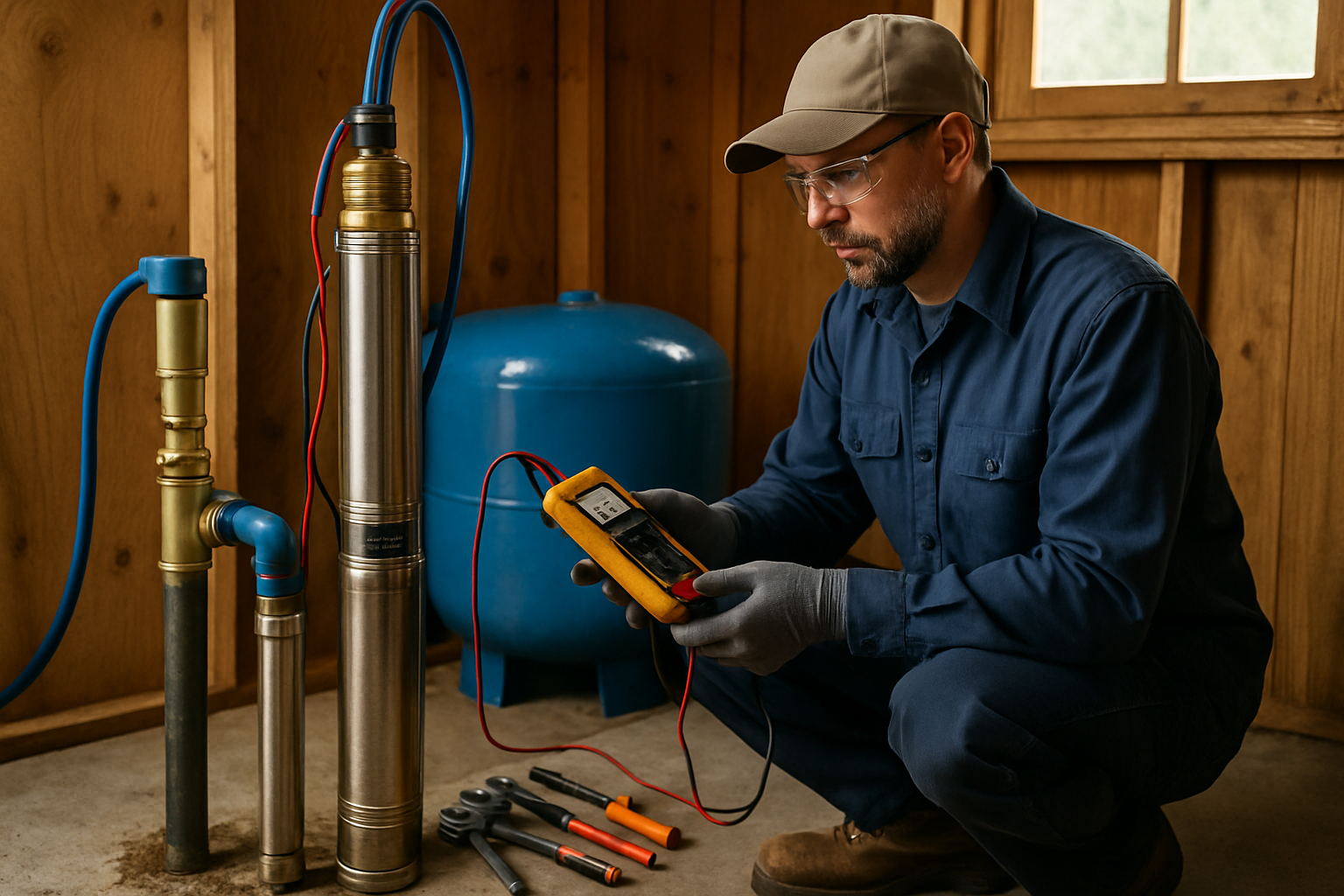
Signs Your Well Pump Is Failing
Catch pump problems early before you lose water completely.
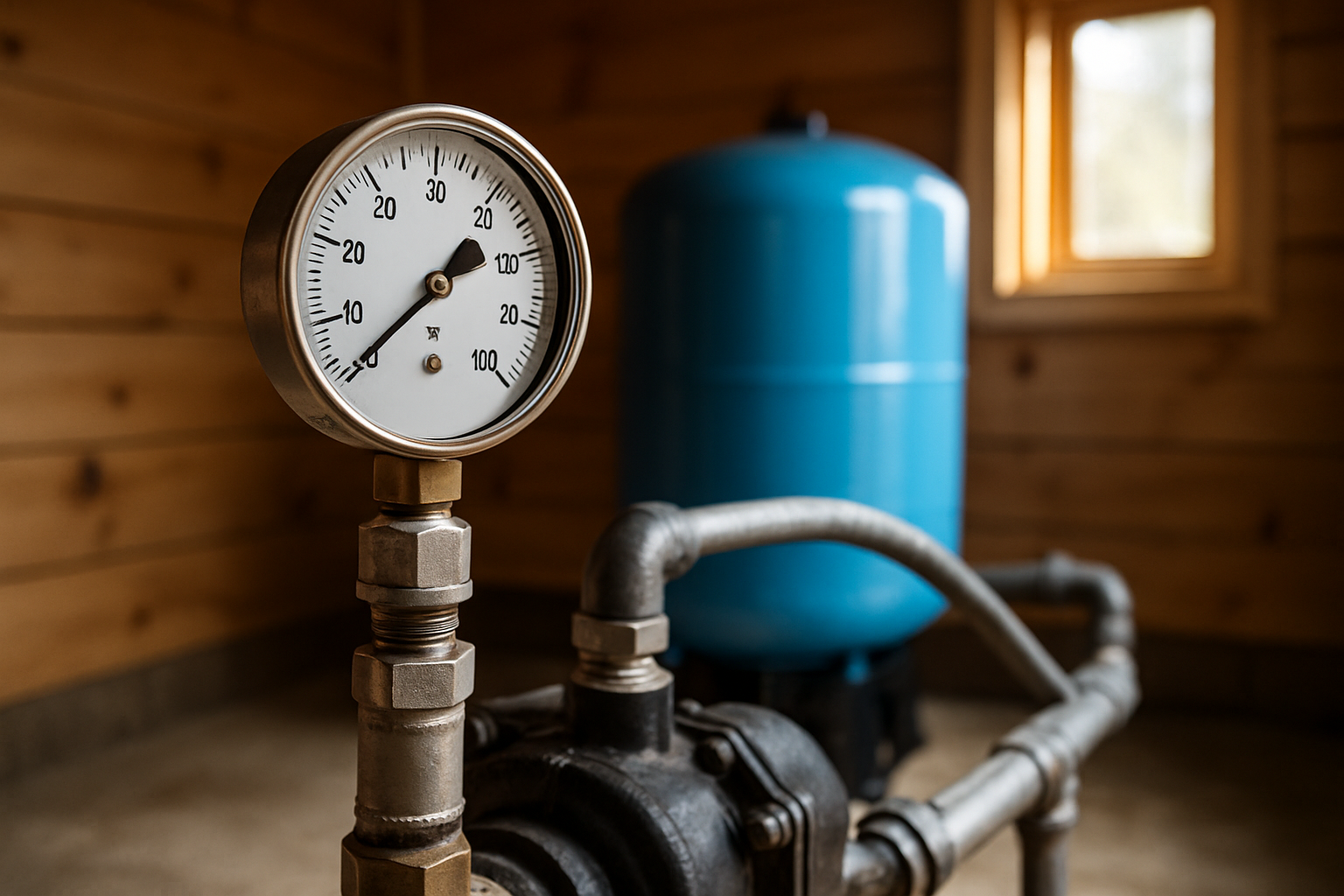
Low Water Pressure From Well
Diagnose and fix pressure problems before they get worse.
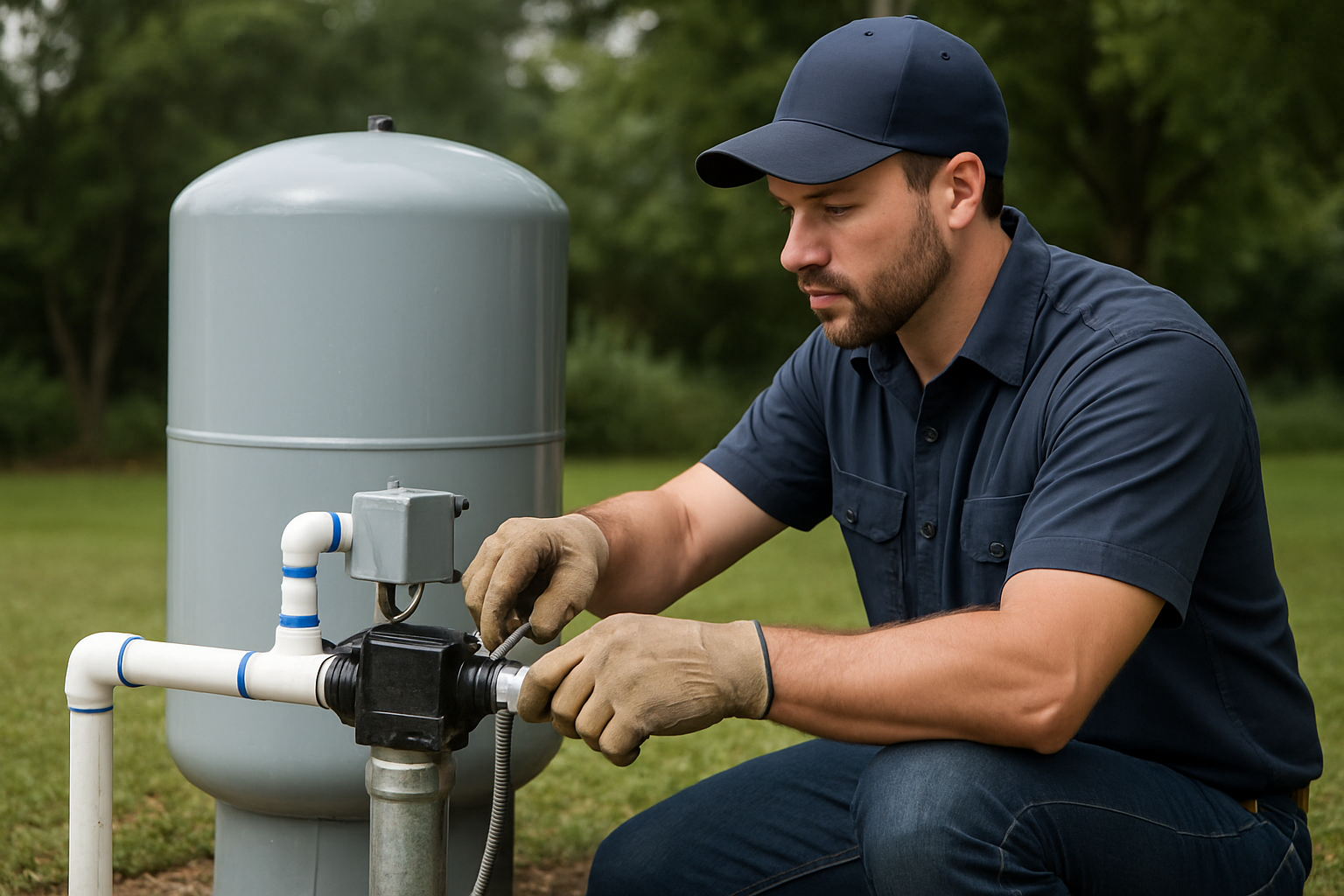
Well Maintenance Guide
Keep your well running smoothly with regular maintenance.
Our Locations
1077 Main St, Ramona, CA 92065
57174 US Highway 79, Anza, CA 92539
Winchester anchors the French Valley area of southwestern Riverside County, tucked between Hemet, Menifee and Temecula amid rolling farmland and granitic hills. It is one of the more authentically agricultural corners of inland Riverside County: citrus and vineyards share the slopes with row crops, and avocados climb the better-drained hillsides, especially on the ground that trends south toward Temecula's established avocado and citrus belt. For growers here, the family well is the lifeline that keeps trees productive through a long, hot growing season.
The local setting shapes everything about irrigation. Summers run hot and dry, with intense afternoon heat that drives water use hard, while low spots and valley bottoms can dip into frost on calm winter nights. Avocados are demanding on both counts. They will not tolerate water stress during the critical summer months, and they are exquisitely sensitive to salts in the water. A Winchester grove succeeds or struggles largely on the strength and chemistry of its well.
This guide lays out what an avocado planting in the Winchester and French Valley area actually needs from its water system: how much water the trees draw, how to design a well and irrigation setup that meets peak demand, why salinity matters so much, and which well problems we see most often on the area's granitic ground.
Avocado Irrigation Water Needs in Winchester
Avocados are thirsty, shallow-rooted trees that demand steady moisture. In Winchester's warm inland climate, a mature tree can use roughly 40 to 70 gallons per day at the summer peak, and a full planted acre commonly requires about 4 to 6 acre-feet per year. The hotter and drier the season, the closer demand climbs to the top of that range.
The most sensitive window runs from bloom through fruit set and on into the summer sizing period, broadly June through September. Let the trees go short on water during fruit set and you risk dropped fruit and a disappointing crop the next season. Because evapotranspiration spikes on hot, breezy afternoons, the system has to be sized for the worst days, not the gentle ones.
That means a Winchester grove needs a water source that can carry full peak demand through the hottest stretch of summer. A well that looks adequate in April can fall behind in August, precisely when shortfall is most damaging.
Designing a Well & Irrigation System for an Avocado Grove
A sound design begins by sizing well capacity, in gallons per minute, against the grove's peak daily need, with margin to spare. From there the pieces fit together around the site's terrain and well behavior.
- Submersible pump selection matched to well depth, yield and the pressure the grove requires, so the pump operates in its efficient range.
- Storage tanks or a reservoir to cover peak demand. This is especially important where a fractured-granite well yields modestly or unevenly: the pump fills storage steadily, and the grove draws from the tank when it irrigates.
- Booster pumps to push water up Winchester's rolling slopes and hillside blocks.
- Filtration to keep sand and grit out of drip lines and emitters.
- Drip versus micro-sprinkler selection. Drip is highly efficient; micro-sprinklers wet a broader area and serve double duty for frost protection.
- Pressure regulation so each block receives even, uniform application from top of slope to bottom.
Frost protection is a real consideration in the French Valley's low spots, where cold air settles on still winter nights. Running micro-sprinklers during a freeze releases heat as water turns to ice and can help protect tender young trees. Sizing the well and pump to handle that cold-night draw gives you the option to defend a vulnerable planting.
Water Quality: Why Salinity and Chloride Matter So Much
Among tree crops, avocados sit at the very sensitive end for salt, chloride and sodium. They show stress at levels that citrus or grapes tolerate easily. The tell-tale sign is chloride leaf burn, a scorched brown leaf margin that means salt is accumulating faster than the tree can cope.
Growers typically aim to hold chloride below roughly 100 to 150 ppm in irrigation water while keeping an eye on sodium, the sodium adsorption ratio (SAR) and overall salinity (EC). Winchester's wells often draw from fractured granite, and that chemistry varies from one property to the next, so testing is essential. We sample for the parameters avocados actually care about rather than a generic drinking-water panel.
Where a well runs salty, the proven responses are blending with a cleaner source, building in a leaching fraction to flush salts past the root zone, and choosing salt-tolerant clonal rootstocks like Dusa or Toro Canyon. Used together, these let many growers thrive on water that would otherwise scorch their trees.
Common Well Problems for Winchester Growers
On the granitic ground around Winchester and French Valley, the problems we encounter most include:
- Low-yield fractured-rock wells that depend on a network of rock fractures and can produce unevenly.
- Declining yield as a well ages or as the local water table drops in dry years.
- Sand and sediment that wears pumps and clogs emitters.
- Scaling and mineral buildup from hard groundwater, which shortens equipment life.
- Pump wear from long summer run hours.
- Iron and manganese that stain hardware and foul drip systems.
Each of these can quietly throttle a grove's water supply at the worst possible time of year.
Maintenance & Drought Reliability
Reliable water comes from staying ahead of problems. We recommend an annual inspection with a flow test, a water-level reading and a check of the pump's electrical draw, so a slow decline is caught before it becomes a no-water emergency. Periodic well rehabilitation can clear scale and biofouling and restore lost yield.
For weak wells, hydrofracturing is especially relevant here: by opening additional fractures in the surrounding granite, it can meaningfully boost the output of a hard-rock well. Combining a dependable well with storage and some redundancy is the most reliable way to carry a grove through a dry summer.
When to Call a Professional
Reach out when you see the warning signs: pressure that falls off during peak irrigation, air sputtering from emitters, a pump that short-cycles or never shuts off, sand or cloudiness in the water, a sudden rise in the electric bill, or leaf-margin burn despite normal watering. Catching these early is far cheaper than losing a season of fruit.
Cost Ranges
Costs vary with depth, geology and access, but typical regional ranges are:
- New agricultural well, turnkey: $25,000 to $60,000 or more
- High-capacity pump (supply and install): $3,000 to $8,000
- Hydrofracturing to boost a low-yield well: $3,000 to $8,000
- Diagnostic visit: $125, credited toward any work performed
Drilling into the area's hard granite can run deeper and raise the price, so we provide an honest estimate after seeing your site.
Serving Winchester Avocado Growers
Southern California Well Service is a licensed C-57 water well drilling contractor with more than 30 years serving San Diego, Riverside and San Bernardino counties, including Winchester, French Valley and the neighboring communities of Hemet, Menifee and Temecula. We operate from offices in Ramona (1077 Main St, Ramona, CA 92065) and Anza (57174 US Highway 79, Anza, CA 92539), and our customers rate us 4.9 stars. From new ag wells and high-capacity pumps to water testing, hydrofracturing and drought rehabilitation, we handle the whole system so you can concentrate on the crop.
Frequently Asked Questions
How much water does a Winchester avocado grove use?
A mature tree in the warm French Valley climate can use about 40 to 70 gallons per day in peak summer, and a planted acre typically needs roughly 4 to 6 acre-feet per year. Hot inland afternoons drive demand toward the high end.
Is the Winchester area really avocado country?
Yes. Winchester and the French Valley sit just north of Temecula's well-known avocado and citrus belt, and the rolling slopes toward Temecula support genuine groves alongside vineyards and citrus. Hillsides with good air drainage are the most reliable avocado ground.
What chloride level is safe for avocados?
Avocados are very sensitive to chloride and sodium. Growers generally target chloride below about 100 to 150 ppm. Because well chemistry on Winchester's granitic ground varies, a water test is the only way to know your numbers.
Can hydrofracturing help a weak well near Winchester?
Often, yes. Many Winchester-area wells draw from fractured granite, and hydrofracturing can open additional fractures to improve yield. It typically runs about $3,000 to $8,000 and is paired with storage for reliability.
Do you serve Winchester and French Valley?
Yes. Southern California Well Service is a licensed C-57 contractor serving Winchester, French Valley, Hemet, Menifee and Temecula from our Ramona and Anza offices. Call (760) 440-8520 or text (619) 259-0410.
Call (760) 440-8520 or text (619) 259-0410 for a grove water assessment.