
Well Services for Yucaipa Avocado Groves
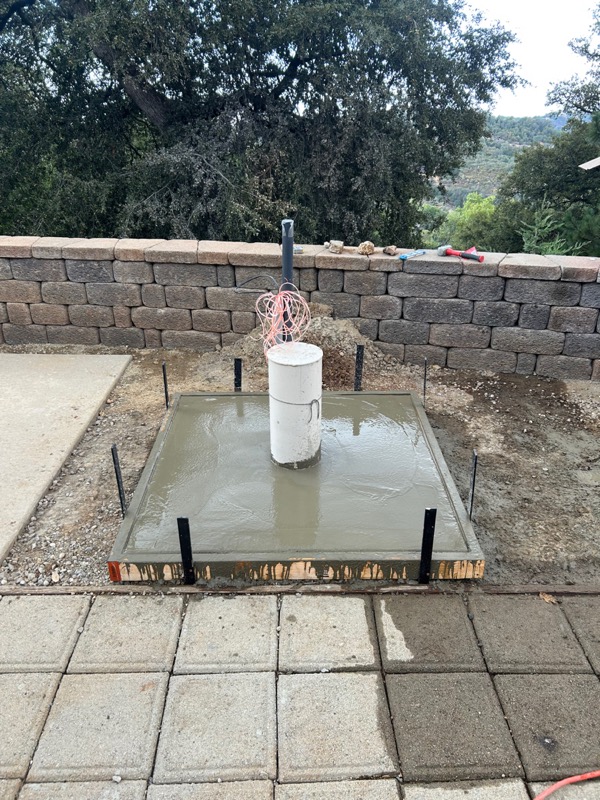
Growing avocados in Yucaipa? These water-loving trees need reliable, high-quality well water for healthy production. Southern California Well Service supports San Bernardino County avocado growers with specialized well services.
📋 In This Guide
- Avocado Water Demands
- Well Systems for Avocado Groves
- Chloride Sensitivity
- Partnering with Yucaipa Avocado Growers
- Related Articles
Avocado Water Demands
Avocados are thirsty trees:
- Mature tree: 40-70 gallons per day in summer
- Per acre: 4-6 acre-feet per year
- Critical periods: Fruit set and sizing
A reliable well is essential for profitable avocado production in San Bernardino County.
Well Systems for Avocado Groves
- High-capacity agricultural wells
- Storage tanks for peak demand periods
- Drip irrigation systems for efficiency
- Micro-sprinklers for young trees
- Pressure regulation for uniform coverage
Chloride Sensitivity
Avocados are highly sensitive to chloride in irrigation water. If your Yucaipa well has elevated chloride:
- Blending with lower-chloride water source
- Leaching irrigation to flush salts
- Rootstock selection for salt tolerance
- Regular soil and leaf testing
We test well water for avocado-critical parameters.
Partnering with Yucaipa Avocado Growers
Avocados are a major crop in San Bernardino County, and reliable water is essential for success. Contact us for well services designed for avocado production.
Need Help With Your Well in Yucaipa?
Our expert technicians serve Yucaipa and all of San Bernardino County with professional well services.
Related Articles
Continue learning about well maintenance and troubleshooting

Signs Your Well Pump Is Failing
Catch pump problems early before you lose water completely.
Low Water Pressure From Well
Diagnose and fix pressure problems before they get worse.
Well Maintenance Guide
Keep your well running smoothly with regular maintenance.
Our Locations
1077 Main St, Ramona, CA 92065
57174 US Highway 79, Anza, CA 92539
Reliable Well Water for Yucaipa Groves and Orchards
Yucaipa sits on a broad bench between the San Bernardino Mountains and the Crafton Hills, and agriculture has shaped the valley for well over a century. The cooler nights and elevation here have long suited citrus along with deciduous fruit, and orchards still dot the hillsides around Oak Glen Road, Wildwood Canyon, and the rural stretches toward Calimesa. Many of these properties, and a good number of rural homes, draw their water from a private well rather than the city system. If you own one, your trees, your livestock, and your daily life depend on a system that has to keep producing through long, dry Inland Empire summers.
Southern California Well Service has worked on agricultural and domestic wells throughout San Bernardino County for more than 30 years. We know the Yucaipa Valley's geology firsthand: deep alluvial deposits in the valley floor that can hold substantial groundwater, grading into harder, fractured bedrock as you rise toward the foothills and Oak Glen. Those conditions shape how deep a well must go, how much it can yield, and what shows up in the water. A grower watering several acres of orchard has very different needs than a homeowner on an acre lot, and we build each system for the ground it actually sits on.
How an Irrigation Well System Serves an Orchard
For an orchard or grove to stay productive, water has to arrive in the right volume, at steady pressure, clean enough not to clog the delivery system. Here is how the parts of a typical agricultural well work together.
- Well and casing. The borehole is drilled into the water-bearing zone and lined with casing to keep it stable and clean. Yucaipa Valley floor wells often reach water at manageable depths, while foothill properties may require deeper drilling into fractured rock.
- Submersible pump. Sized to the acreage and the gallons-per-minute your trees demand at peak, the pump lifts water from the aquifer to the surface.
- Pressure tank and switch. The tank holds pressurized water and keeps the pump from short-cycling; the switch tells it when to run. These are common, affordable repair points.
- Irrigation delivery. Drip lines, micro-sprinklers, and low-volume emitters distribute water efficiently. Even pressure across sloping orchard ground keeps every tree fed.
- Filtration and treatment. Sediment screens and, where needed, iron or hardness treatment protect emitters and equipment.
Well Problems We See Most Often in Yucaipa
Three decades of local service have shown us which issues come up again and again on Yucaipa-area properties.
Yield decline and drought pressure
Dry years lower the regional water table, and a well that once kept an orchard comfortable can begin to fall behind. Watch for the pump running longer, air spitting from emitters, or pressure tapering off during a long irrigation set. Solutions range from lowering the pump to well rehabilitation or hydrofracturing to reopen water-bearing fractures.
Hard water and scale
Yucaipa Valley groundwater is typically hard. Mineral scale collects inside pumps, pipes, and tanks, robbing flow and shortening equipment life. For orchard irrigation, dissolved salts also matter, since they can stress sensitive trees over time. Testing tells you what you are working with.
Sediment intrusion
Fine sand from alluvial soils can enter a well as it ages, abrading pump parts and plugging drip emitters. Proper sediment filtration solves it.
Iron, manganese, and odor
Some valley wells carry iron or manganese that stains, or a sulfur odor from harmless bacteria. Both are treatable with equipment matched to the water chemistry.
Pump and electrical failures
Pumps wear out, and rural power can be rough on motors. Tripped breakers, constant cycling, or a pump that simply will not start usually point to the switch, the motor, or aging wiring.
What to Check Before You Call
A few quick checks can save time and help you describe the problem accurately.
- Breaker and disconnect. Reset a tripped breaker once. If it trips again, stop and call, because that signals an electrical or motor fault.
- Pressure gauge. Note the cut-in and cut-out pressures. Readings that never build or that swing wildly point to the switch or tank.
- Pressure tank. A tank that feels heavy and solid near the top has likely lost its air charge or failed its bladder.
- Water clarity. Catch water in a clear container. Sand, cloudiness, or rust color is a useful clue.
- Pump sound. Rapid cycling or constant running without pressure are both worth reporting.
When to Bring in a Professional
Call a licensed contractor right away if you have lost water entirely during peak heat, if the breaker keeps tripping, if sand suddenly surges into the system, or if water quality changes. Pulling a submersible pump, testing true well yield, and hydrofracturing all require a C-57 license and specialized rigs. Do-it-yourself attempts risk dropped equipment downhole and far bigger bills. Southern California Well Service provides same-day emergency response because an orchard under irrigation stress cannot wait.
What Well Work Typically Costs
Pricing depends on depth, geology, and equipment, but these ranges reflect typical Yucaipa-area jobs:
- Diagnostic visit: $125, credited toward any repair.
- Pressure switch: $150 to $350.
- Pressure tank: $600 to $1,500.
- Sediment filtration: $300 to $900.
- Iron, manganese, or softening: $1,500 to $3,500.
- Pump replacement: $2,500 to $5,500.
- Constant-pressure or booster system: $2,000 to $4,500.
- Hydrofracturing: $3,000 to $8,000.
- New turnkey well: $18,000 to $42,000.
You always get an honest, written estimate first, and we will tell you when a repair beats a replacement.
Serving Yucaipa and Nearby Communities
We regularly serve Yucaipa and the surrounding San Bernardino County areas, including Calimesa, Oak Glen, Mentone, Redlands, and Highland. Working from our Ramona and Anza offices, our technicians understand local groundwater, county permitting, and the practical needs of orchard owners and rural households alike. Whether you irrigate fruit trees off Oak Glen Road or rely on a domestic well in Wildwood Canyon, we are close and we know the ground.
Protecting Your Orchard Investment Through Dry Years
An orchard represents years of patience before it pays off, and a single well failure at the wrong moment can undo a season's work. Trees stressed during fruit set or sizing drop yield that cannot be recovered, and repeated water stress weakens trees for years afterward. That is why we encourage Yucaipa growers to think of their well as critical infrastructure rather than something to address only when it breaks. A pump nearing the end of its life, a pressure tank slowly losing its charge, or a well whose yield is quietly slipping are all problems best caught before the July heat arrives, not during it.
Storage also matters here. Because the Yucaipa Valley sees real summer heat and many properties sit on sloping ground, a storage tank paired with a constant-pressure or booster system lets a moderate-yield well keep up with peak demand. Rather than asking the pump to deliver everything in real time, the well fills storage during off-peak hours and the booster delivers steady pressure when the irrigation set runs. For growers stretching an older well across more acreage, this approach often postpones the need for an expensive new well.
Water Quality and Tree Health
Beyond volume and pressure, water chemistry quietly influences how an orchard performs. Hard, mineral-rich Inland Empire groundwater can leave scale on equipment and, over many seasons, contribute salt accumulation in the root zone if irrigation does not include adequate leaching. We test for the parameters that matter to fruit trees and rural households alike, then recommend filtration, softening, or blending only where the numbers justify it. Honest water testing prevents both crop stress and wasted money on treatment you do not need.
Frequently Asked Questions
How deep do wells go in the Yucaipa Valley?
It depends on location. Valley-floor wells in the alluvial basin often reach water at moderate depths, while foothill properties toward Oak Glen may need deeper drilling into fractured bedrock. We assess each site before recommending a depth.
Is my well water good for irrigating fruit trees?
Usually, but Yucaipa groundwater tends to be hard, and dissolved salts can stress sensitive trees. We recommend periodic testing so you can treat or blend if your water needs it.
My orchard well is producing less. What are my options?
Reduced yield often responds to lowering the pump, rehabilitating the well, or hydrofracturing, all far cheaper than drilling new. We diagnose the real cause before suggesting anything major.
How often should an irrigation well be serviced?
An annual inspection before summer is well worth it. We check the pump, pressure settings, tank, and water quality to catch problems before peak demand.
Do you work on both farm and home wells?
Yes. We handle high-capacity agricultural wells and domestic household wells, including pumps, tanks, pressure systems, filtration, and treatment.
Can you come out the same day?
Yes. We offer same-day emergency service for no-water and other urgent situations. Call as soon as you notice trouble.
Get Your Yucaipa Well Handled Right
Whether your orchard needs more reliable water, your pump is showing its age, or you just want a pre-summer check, Southern California Well Service is ready. We are a licensed C-57 contractor with 30-plus years of experience, a 4.9-star reputation, and offices in Ramona and Anza serving the Inland Empire. Call (760) 440-8520, text (619) 259-0410, or request a free estimate. Same-day emergency service is available.