
Brown Water from Your East Village Well?
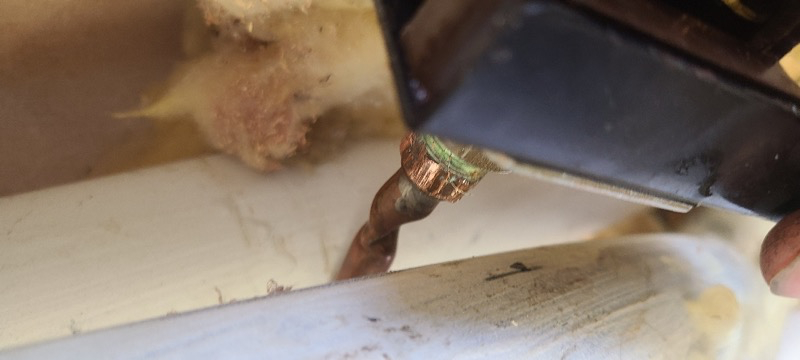
Is your East Village well producing brown, muddy, or discolored water? This issue can range from a temporary disturbance to a sign of serious well problems. Let's identify the cause and fix it.
📋 In This Guide
- Common Causes of Brown Well Water
- When Brown Water is an Emergency
- Solutions for Brown Well Water in East Village
- Professional Diagnosis
- Related Articles
Common Causes of Brown Well Water
- Sediment Disturbance: Recent pump work, earthquakes, or construction
- Iron/Manganese: Dissolved minerals oxidizing when exposed to air
- Tannins: Organic matter from decaying vegetation
- Surface Water Intrusion: Contamination from runoff entering well
- Failing Well Screen: Sand and sediment entering well
- Clay/Silt: Fine particles from the aquifer
When Brown Water is an Emergency
Contact us immediately if brown water is accompanied by:
- Sudden change after no recent work on well
- Foul odor (possible contamination)
- Recent flooding or heavy rains
- Sand or grit in the water
- Neighbors reporting similar issues
Solutions for Brown Well Water in East Village
- Water Testing: Identify what's causing the discoloration
- Well Cleaning: Remove accumulated sediment
- Sediment Filter: Whole-house filtration system
- Screen Repair: Fix damaged well screen letting in sediment
- Grout Seal: Prevent surface water intrusion
Professional Diagnosis
Brown water can have multiple causes, and the solution depends on accurate diagnosis. Our technicians use video inspection, water testing, and systematic evaluation to identify exactly what's causing your water quality issues.
Need Help With Your Well in East Village?
Our expert technicians serve East Village and all of San Diego County with professional well services.
Related Articles
Continue learning about well maintenance and troubleshooting

Signs Your Well Pump Is Failing
Catch pump problems early before you lose water completely.
Low Water Pressure From Well
Diagnose and fix pressure problems before they get worse.

Well Maintenance Guide
Keep your well running smoothly with regular maintenance.
Our Locations
1077 Main St, Ramona, CA 92065
57174 CA-371 (US Hwy 79), Anza, CA 92539
Brown Well Water in East Village, Downtown San Diego
East Village is the dense, fast-growing southeastern quarter of downtown San Diego — condos, lofts, breweries, and Petco Park, all in San Diego County. It is fully built out on city water, so let's be straight about it: a private water well inside East Village itself is essentially nonexistent. If your East Village tap is running brown, the overwhelmingly likely explanation is the municipal distribution system, not a well — a nearby hydrant flush, a water-main break or repair, construction tying into the line, or rusty buildup inside an older building's internal plumbing. This guide explains how to confirm that, and it covers the real well scenarios that matter to East Village property owners and investors: the rural, agricultural, and legacy parcels elsewhere in San Diego County that many downtown owners also hold, plus irrigation and back-country wells on outlying land.
First, Rule Out a City-Main or Building-Plumbing Issue
For a downtown unit on the public main, brown water is almost always temporary. The fastest check is to run a cold tap for five to ten minutes. Sediment dislodged by a hydrant flush or main repair clears as the fresh water arrives. If you live in an older converted building, the discoloration may instead be rust shedding from the building's own galvanized risers — in that case the brown often shows up first thing in the morning after water has sat overnight, and clears once it's flushed. A quick call to the City of San Diego or your building manager will confirm whether crews have been working the line nearby. None of these are well problems; they are distribution or plumbing problems, and they rarely need anything more than patience and a flush.
When It Really Is a Well: Causes of Brown Water
If you own outlying San Diego County property on a private well — a ranch parcel, an irrigated grove, or a legacy back-country lot — the causes of brown water are well understood:
- Iron and manganese oxidation: Dissolved underground, these metals stay invisible until they hit air at the faucet, then bloom rust-orange (iron) or brown-black (manganese).
- Sediment, silt, and clay: Fine formation particles give the water a cloudy tan or muddy look, worst right after the pump runs hard.
- Corroding steel casing or galvanized pipe: Old casing and old plumbing both shed rust flakes — a classic cause on legacy parcels.
- A well stirred up by storms or pump cycling: Heavy rain, a fresh pump install, or a pump that short-cycles can churn settled sediment off the bottom of the well.
- A failing well screen: A corroded or torn screen lets formation sand and grit pour into the water column.
- Surface-water intrusion: A cracked casing or failed sanitary seal can admit muddy runoff — the most serious cause, because it can bring contamination with it.
A Simple Diagnostic Checklist
- Clear-glass test: Fill a clear glass and let it stand. Iron and sand settle out in 10–20 minutes; tannins stay an even tea-color and never settle.
- First-draw vs. after-running: Brown that clears within a minute means sediment is settling in your pipes or pressure tank between uses. Brown that persists means the source is producing it.
- One fixture or all of them: A single discolored faucet is local plumbing; whole-house discoloration is the well, pump, or tank.
- Hot vs. cold: Brown only on the hot side is a water-heater problem, not the well.
- Color clues: orange-red = iron, dark brown/black = manganese, yellow-brown = tannins, gritty tan = sand.
- Toilet-tank check: Sediment piled in the bottom of the tank confirms the supply has been carrying particulate over time.
Treatment and Repair Options With Real Costs
- Sediment filtration (whole-house cartridge or spin-down) for silt and sand: $300–$900 installed.
- Oxidizing iron/manganese filter with automatic backwash — the proper cure for metallic brown water: $1,500–$3,500.
- Water softener when hardness accompanies the iron, common in county groundwater: $1,500–$3,500.
- Well rehabilitation or screen repair for sand intrusion or a fouled screen.
- Casing repair or replacement for corroded steel casing or a failed seal.
- Shock chlorination to disinfect and knock back iron bacteria.
- Pump and pressure-tank service when a failing pump or waterlogged tank short-cycles and stirs sediment: $2,500–$5,500.
Brown Water as a Real-Estate Concern
Because so many East Village owners are investors and landlords, it is worth flagging that water quality on any outlying well-served property is a due-diligence item. Discolored water on a rental or a parcel you are about to buy can signal a corroding casing, a failing screen, or a tired pump — all of which carry real repair costs and can affect habitability. Before you close on a well-served property anywhere in the county, or before you renew a lease on one, it is smart to have the well, pump, and water quality professionally evaluated. A clear, written assessment turns a vague worry into a known, budgetable number, and it protects you from inheriting someone else's deferred maintenance.
How San Diego County Geology Shapes Outlying Wells
Although East Village itself is pure city water, the private wells that downtown owners hold elsewhere in the county draw from a patchwork of decomposed-granite and fractured crystalline rock. These formations are exactly the kind that carry dissolved iron and manganese — minerals that stay invisible underground and only reveal themselves as brown water once they reach oxygen at the tap. Hardness frequently travels with them, which is why so many county wells need a softener alongside an iron filter. Wells near seasonal drainages or shallower aquifers can additionally pick up silt, clay, and organic tannins, and they are more vulnerable to surface-water infiltration during winter storms. Because every parcel sits on a slightly different slice of this geology, two wells a mile apart can produce completely different water — which is why an accurate, site-specific diagnosis always beats a one-size-fits-all filter.
Don't Let a Filter Hide a Bigger Problem
The cheapest response to brown water is to bolt on a sediment cartridge, but that only works when plain silt is the issue. If the underlying cause is a corroding casing, a torn well screen, or surface water leaking past a failed seal, a filter masks a problem that keeps worsening — and where intrusion is involved, it does nothing about possible contamination. The smarter, lower-cost-over-time approach is to diagnose once, repair the actual source, and then size any treatment to the water you genuinely have. That protects the pump, the plumbing, and the people relying on the system, and it is especially important on rentals where a landlord carries responsibility for safe, usable water.
When to Call a Professional
If your downtown unit's brown water does not clear after a thorough flush, or if it comes with a smell, escalate to your building manager and the water utility. For a private well anywhere in the county, call a licensed contractor immediately if the brown water carries a foul odor, follows flooding, contains sand or grit, or appears suddenly. Those signs can mean contamination or structural well failure. Our diagnostic visit is $125, credited toward any service.
Serving Downtown San Diego and All of San Diego County
Southern California Well Service is a licensed C-57 water well contractor with over 30 years of experience and a 4.9-star rating. We support East Village owners and well-served properties throughout San Diego County from our offices in Ramona (1077 Main St, Ramona, CA 92065) and Anza (57174 CA-371 (US Hwy 79), Anza, CA 92539), with same-day emergency service. Call (760) 440-8520 or text (760) 219-5877.
Frequently Asked Questions
I live in an East Village condo — do I even have a well?
Almost certainly not. East Village is fully on City of San Diego water. Brown water in a downtown unit is a distribution-system or building-plumbing issue, not a well issue, and it usually clears with a few minutes of running a cold tap.
Why does my downtown water turn brown in the morning?
In older converted buildings, water sitting overnight in aging galvanized risers picks up rust. The first draw is discolored and clears once fresh water flushes through. That is the building's plumbing, not the source water.
My rental property is on a well and the water is brown — what now?
Run the clear-glass and whole-house checks to narrow the cause, then have the well, pump, and water quality evaluated. Common fixes are sediment filtration, an iron/manganese filter, or screen/casing repair, depending on what the diagnosis finds.
Is brown well water dangerous?
Iron, manganese, and sediment are mainly aesthetic, but brown water with odor, after flooding, or appearing suddenly can mean bacterial contamination. Have it tested before anyone drinks it.
What does it cost to fix discolored well water?
Roughly: sediment filtration $300–$900, iron/manganese filtration $1,500–$3,500, a softener $1,500–$3,500, and pump work $2,500–$5,500. A $125 diagnostic, credited to the service, identifies which you need.
Can you check a property before I buy it?
Yes. We perform pre-purchase well and water-quality evaluations across San Diego County so you know the well's condition and any likely costs before closing.