
Brown Water from Your Midway District Well?
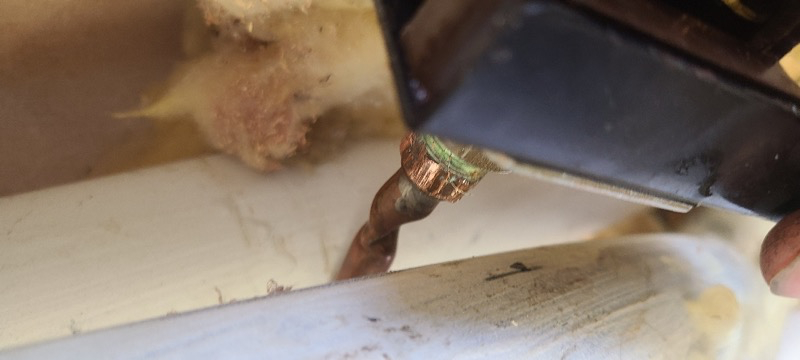
Is your Midway District well producing brown, muddy, or discolored water? This issue can range from a temporary disturbance to a sign of serious well problems. Let's identify the cause and fix it.
📋 In This Guide
- Common Causes of Brown Well Water
- When Brown Water is an Emergency
- Solutions for Brown Well Water in Midway District
- Professional Diagnosis
- Related Articles
Common Causes of Brown Well Water
- Sediment Disturbance: Recent pump work, earthquakes, or construction
- Iron/Manganese: Dissolved minerals oxidizing when exposed to air
- Tannins: Organic matter from decaying vegetation
- Surface Water Intrusion: Contamination from runoff entering well
- Failing Well Screen: Sand and sediment entering well
- Clay/Silt: Fine particles from the aquifer
When Brown Water is an Emergency
Contact us immediately if brown water is accompanied by:
- Sudden change after no recent work on well
- Foul odor (possible contamination)
- Recent flooding or heavy rains
- Sand or grit in the water
- Neighbors reporting similar issues
Solutions for Brown Well Water in Midway District
- Water Testing: Identify what's causing the discoloration
- Well Cleaning: Remove accumulated sediment
- Sediment Filter: Whole-house filtration system
- Screen Repair: Fix damaged well screen letting in sediment
- Grout Seal: Prevent surface water intrusion
Professional Diagnosis
Brown water can have multiple causes, and the solution depends on accurate diagnosis. Our technicians use video inspection, water testing, and systematic evaluation to identify exactly what's causing your water quality issues.
Need Help With Your Well in Midway District?
Our expert technicians serve Midway District and all of San Diego County with professional well services.
Related Articles
Continue learning about well maintenance and troubleshooting

Signs Your Well Pump Is Failing
Catch pump problems early before you lose water completely.
Low Water Pressure From Well
Diagnose and fix pressure problems before they get worse.
Well Maintenance Guide
Keep your well running smoothly with regular maintenance.
Our Locations
1077 Main St, Ramona, CA 92065
57174 CA-371 (US Hwy 79), Anza, CA 92539
Brown "Well" Water in the Midway District: Setting Expectations
The Midway District is a flat, fully urbanized neighborhood of the City of San Diego, sitting on low river-flat land near the San Diego River between Point Loma, Old Town, and the Sports Arena area. Practically every property here is connected to City of San Diego municipal water, which is treated, monitored, and delivered through a pressurized distribution system. Private residential wells in the Midway District are effectively nonexistent.
So if your Midway District tap runs brown, the realistic causes are a water-main flush, nearby hydrant or construction activity, or corroding galvanized plumbing in an older building, not a backyard well. That said, the underlying chemistry of brown water is the same everywhere, and many Midway property owners also manage irrigation or legacy wells on other parcels, or own back-country property elsewhere in San Diego County where a genuine well is involved. This guide explains both: how to clear up municipal-side discoloration, and how to fix true well problems on the rural and legacy wells we service.
Step One: Is This Municipal Water or an Actual Well?
In the Midway District the answer is nearly always municipal, but it is worth confirming because the solution is entirely different.
- City water turning brown briefly after a main flush, hydrant flow, or street work is stirred-up distribution sediment. It typically clears within hours once you run a cold tap. Notify the City if it lingers.
- An irrigation or legacy well that stays brown or discolors each pump cycle is a genuine well issue, and that is where our well-service expertise applies.
Why Brown Water Happens (and What It Means)
Whether the source is a city line or a private well elsewhere in the county, brown water comes from a short list of causes:
- Iron and manganese oxidation. Dissolved iron and manganese look clear until they meet air, then turn the water orange, rusty, or brown-black. This is the leading cause of stained fixtures on well water.
- Sediment, silt, and clay. Fine particles, whether from a flushed main or from a well drawing on alluvial material, make water cloudy or muddy, usually worst at first flow.
- Rusting galvanized pipe or steel casing. The Midway area has older commercial and residential buildings with aging galvanized lines that corrode and release rust. On wells, the equivalent is a corroding steel casing.
- A well stirred up by pump work or heavy cycling. On private wells, a recent pump replacement, a bad pressure tank, or a pump short-cycling lifts settled sediment to the tap.
- A failing well screen. A worn screen lets sand and silt into the casing, a frequent cause of gritty brown water in older wells.
- Surface-water intrusion. A cracked cap or poor seal can admit runoff and organic tannins after heavy rain.
What the Color Indicates
Orange-red is iron. Dark brown to black is manganese or organic matter. Clear but tea-colored is tannins. Opaque and muddy is suspended sediment. Gritty water means a screen or casing breach on a well, or heavy main sediment on city supply.
How to Diagnose It at Home
- Clear-glass test. Let a glass stand 30 minutes. Settling solids point to suspended sediment; uniform tint points to dissolved iron or tannins.
- Hot vs. cold. Brown only on the hot side is a water-heater problem, not the supply. Flush the heater.
- First-draw vs. after running. Run cold water two to three minutes. If it clears, the issue is in your plumbing or pressure tank; if it stays brown, it is at the source.
- Single fixture vs. whole building. One brown faucet is a local line; brown throughout is system-wide.
- Toilet tank check. A film of brown silt or rust in the tank records weeks of discolored water.
Treatment and Repair Options
For real well-side problems on the rural and legacy wells we service, here are the standard fixes and costs:
- Sediment filtration for sand, silt, and clay: $300 to $900.
- Oxidation plus a backwashing iron/manganese filter: $1,500 to $3,500.
- Water softener for accompanying hardness: $1,500 to $3,500.
- Well rehabilitation or screen repair when the screen is the root cause.
- Casing replacement or relining for corroded steel.
- Shock chlorination for iron bacteria, biofilm, or after surface intrusion.
For Midway District buildings on City water, the fix is usually on the plumbing side, replacing galvanized lines or flushing the heater, not installing well-treatment equipment.
When to Call a Professional
If you own a well, call promptly when brown water shows up suddenly without recent work, smells foul or sulfurous, follows flooding or heavy rain, carries sand or grit, or coincides with low pressure. Those point to a screen failure, casing breach, or contamination a licensed contractor should handle. Our diagnostic visit is $125, credited to any service we complete.
Serving Midway District Owners and San Diego County Wells
Southern California Well Service is a licensed C-57 water well contractor with more than 30 years of experience. The Midway District itself is on municipal water, so our well work for Midway-area owners is typically on irrigation, legacy, and back-country wells elsewhere in San Diego County. We operate from Ramona (1077 Main St, Ramona, CA 92065) and Anza (57174 CA-371 (US Hwy 79), Anza, CA 92539), hold a 4.9-star rating, and provide same-day emergency service. Call (760) 440-8520 or text (760) 219-5877.
Understanding the Midway District's Setting
The Midway District grew up on low, flat ground near the mouth of the San Diego River, land that was historically river flat and tidal before the area was developed into the commercial and residential district it is today. That history matters for two reasons. First, the neighborhood was urbanized and tied into the City of San Diego water and sewer grid early, which is why standalone domestic wells never became part of life here the way they did in the back country. Second, the older building stock that came with that development is exactly the kind of construction that still hides aging galvanized plumbing, the most common real source of brown water for Midway residents and businesses.
Don't Pay to Solve the Wrong Problem
The biggest mistake we see urban property owners make is buying well-water treatment equipment for what is actually a municipal or plumbing issue. An iron filter or softener does nothing for rust coming off an interior galvanized line, and it will not help sediment that the City stirred up during a main flush. Before anyone spends money, the question to answer is simple: is the discoloration coming from the meter, from your pipes, or from an actual well? For Midway District addresses the answer is rarely a well, and an honest assessment saves you from an unnecessary purchase.
Keeping Any Well You Own in Good Shape
If you do own a well on another San Diego County parcel, prevention is straightforward and far cheaper than emergency repair. Keep the well cap sealed and intact before the rainy season, size your pressure tank so the pump does not short-cycle and churn sediment, service any filtration media on the manufacturer's schedule, and test the water every year or two. Catching a rising iron or manganese trend early means you treat a small problem instead of replacing stained fixtures and scrubbing rust later.
Frequently Asked Questions
My Midway District tap turned brown. Is it my well?
The Midway District is on City of San Diego municipal water, and private wells here are essentially nonexistent. Brown tap water is almost always temporary main sediment or rust from old galvanized plumbing. Run a cold tap until it clears, and contact the City if it continues.
Then why would a well company help me?
Many Midway property owners also own irrigation wells, legacy wells, or back-country parcels elsewhere in the county where a genuine well supplies water. We service those wells and can also advise whether your Midway issue is plumbing or distribution.
Why is only my hot water discolored?
That indicates the water heater, not the supply. Sediment and rust settle in the tank; flushing or servicing it usually fixes it.
Could old building pipes be the cause?
Yes. The Midway area has older structures with galvanized steel lines that corrode and release rust over decades. First-draw brown water that clears quickly is a classic sign of aging interior plumbing.
What does it cost to fix discolored well water?
Sediment filters run $300 to $900, iron/manganese systems $1,500 to $3,500, softeners $1,500 to $3,500, and pump repairs $2,500 to $5,500. We diagnose first for $125, credited to the service.
How do I know whether to call the City or a well contractor?
If you are on municipal water in the Midway District, start with the City. If you have a private or irrigation well that stays discolored, call us. A quick diagnostic settles it either way.
Find Out What's Really in Your Water
From municipal-side discoloration in the Midway District to genuine iron and sediment problems on a county well, we will pinpoint the real cause and recommend only what you need. Call (760) 440-8520 or text (760) 219-5877 for same-day help and a free estimate.