
Brown Water from Your Quail Valley Well?
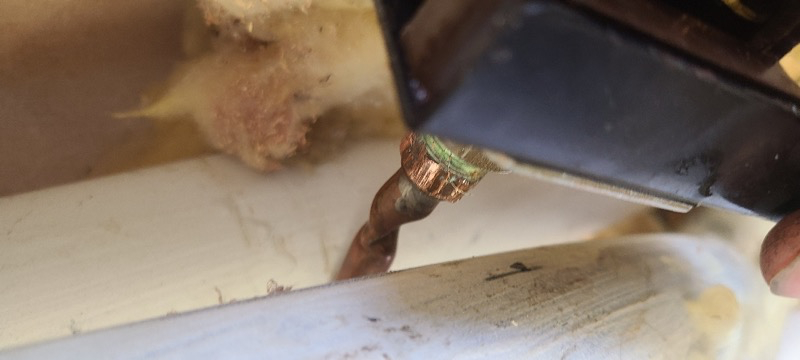
Is your Quail Valley well producing brown, muddy, or discolored water? This issue can range from a temporary disturbance to a sign of serious well problems. Let's identify the cause and fix it.
📋 In This Guide
- Common Causes of Brown Well Water
- When Brown Water is an Emergency
- Solutions for Brown Well Water in Quail Valley
- Professional Diagnosis
- Related Articles
Common Causes of Brown Well Water
- Sediment Disturbance: Recent pump work, earthquakes, or construction
- Iron/Manganese: Dissolved minerals oxidizing when exposed to air
- Tannins: Organic matter from decaying vegetation
- Surface Water Intrusion: Contamination from runoff entering well
- Failing Well Screen: Sand and sediment entering well
- Clay/Silt: Fine particles from the aquifer
When Brown Water is an Emergency
Contact us immediately if brown water is accompanied by:
- Sudden change after no recent work on well
- Foul odor (possible contamination)
- Recent flooding or heavy rains
- Sand or grit in the water
- Neighbors reporting similar issues
Solutions for Brown Well Water in Quail Valley
- Water Testing: Identify what's causing the discoloration
- Well Cleaning: Remove accumulated sediment
- Sediment Filter: Whole-house filtration system
- Screen Repair: Fix damaged well screen letting in sediment
- Grout Seal: Prevent surface water intrusion
Professional Diagnosis
Brown water can have multiple causes, and the solution depends on accurate diagnosis. Our technicians use video inspection, water testing, and systematic evaluation to identify exactly what's causing your water quality issues.
Need Help With Your Well in Quail Valley?
Our expert technicians serve Quail Valley and all of Riverside County with professional well services.
Related Articles
Continue learning about well maintenance and troubleshooting
Signs Your Well Pump Is Failing
Catch pump problems early before you lose water completely.
Low Water Pressure From Well
Diagnose and fix pressure problems before they get worse.
Well Maintenance Guide
Keep your well running smoothly with regular maintenance.
Our Locations
1077 Main St, Ramona, CA 92065
57174 US Highway 79, Anza, CA 92539
Brown Well Water in Quail Valley: What Local Owners Need to Know
Quail Valley is one of the last genuine private-well-and-septic communities in this corner of Riverside County. Tucked between Menifee, Canyon Lake, and Lake Elsinore, this unincorporated-feeling neighborhood has historically relied on individual wells and septic systems rather than piped municipal water and sewer. That independence is part of the area's character — but it also means that when your tap suddenly runs brown, muddy, or rust-colored, the responsibility for diagnosing and fixing it falls squarely on you, the homeowner.
Brown water is one of the most common complaints we hear from Quail Valley well owners, and it is rarely a mystery once you know what to look for. Below we cover why discoloration happens in this specific area, how to read the clues yourself, what treatment actually works, and what it costs — with no upselling and no guesswork.
Why Quail Valley Wells Produce Brown Water
The terrain around Quail Valley is a mix of decomposed-granite hillsides and lower-lying ground near Canyon Lake where groundwater can sit shallow. Add decades of older well construction and a community where wells and septic have long coexisted close together, and you have several distinct paths to discolored water.
Iron and Manganese
The granitic and weathered bedrock of the region readily contributes dissolved iron and manganese to groundwater. Underground these are invisible; once exposed to air at your fixtures they oxidize into the classic orange-brown (iron) or grayish-black (manganese) tint that stains sinks, tubs, and laundry.
Shallow Groundwater and Sediment
Quail Valley is well known for areas of high, shallow groundwater — the very condition that has plagued the community's septic systems for years. Shallow water tables are more vulnerable to fine clay and silt working into a well, producing a cloudy, tan, muddy look, particularly after wet winters.
Rusty Casing and Galvanized Pipe
Many Quail Valley wells and home plumbing systems date back decades. Corroding steel casing and aging galvanized supply lines shed rust flakes that discolor the water — usually worst on the first draw of the day or after the home has been empty.
A Recently Disturbed Well
Brown water that shows up immediately after a pump replacement, a heavy irrigation cycle, or repeated rapid pump cycling is almost always settled sediment that got stirred up off the bottom of the borehole. This kind of cloudiness usually settles out within a day or two.
Failing Screen and Surface-Water Intrusion
A worn or damaged well screen lets sand pour into the system it was built to exclude. And in a community with shallow groundwater and a documented history of failing septic systems, surface-water intrusion through a cracked cap or failed seal is a genuine concern — one that can carry not just soil but contaminants into the well.
Diagnosing the Problem Yourself
Before you call anyone, a little detective work narrows things down fast:
- Let a clear glass sit. Particles settling to the bottom mean sediment or sand; uniform color that clears only with time means dissolved iron.
- Compare hot and cold. Brown hot water only? Your water heater is the suspect, not your well.
- Time the discoloration. Clears after a minute of running = pipes or casing. Stays brown indefinitely = the well or aquifer.
- One fixture or all of them? Whole-house brown points to the well or main line; a single faucet points to that fixture.
- Read the color. Orange-rust = iron; dark streaks = manganese; tan and cloudy = clay/silt; settling red flakes = corroding steel casing.
- Inspect a toilet tank. Orange sludge or grit on the bottom confirms ongoing iron or sediment intrusion.
Treatment Options That Work in Quail Valley
Because shallow groundwater and septic history make Quail Valley unique, accurate testing matters even more here than elsewhere. We test first, then recommend:
- Sediment filtration ($300–$900): The right first step when the issue is clay, silt, or sand — common given the area's shallow water table.
- Oxidizing iron/manganese filter ($1,500–$3,500): A self-backwashing system that converts and removes dissolved iron and manganese. The go-to fix for rusty, staining water.
- Water softener ($1,500–$3,500): When hardness rides along with iron — scale, spotting, scratchy laundry — a softener rounds out the treatment.
- Well rehabilitation and screen repair: Redeveloping the well or repairing a compromised screen stops sediment at its source.
- Casing replacement: Permanent cure for a steel casing that is rusting through.
- Shock chlorination and reseal: Critical in Quail Valley if testing shows iron bacteria or any sign of surface intrusion — we disinfect and reseal the cap and grout to protect your water.
When to Bring in a Pro
Cloudiness right after a known disturbance can usually wait a couple of days. But given Quail Valley's shallow groundwater and septic-density history, do not delay if brown water appears suddenly, smells foul, follows heavy rain, carries sand, or shows up at neighbors' homes too. Those are the warning signs of a failing screen, a breached seal, or contamination. A professional test settles it quickly — our $125 diagnostic visit is credited toward any work we perform.
Serving Quail Valley and Western Riverside County
Southern California Well Service is a licensed C-57 water well contractor with over 30 years of experience and a 4.9-star reputation. We serve Quail Valley, Menifee, Canyon Lake, Lake Elsinore, and the surrounding Riverside County communities from our Ramona and Anza offices, with same-day emergency response when you are out of water. We understand the area's shallow aquifers and aging well stock — knowledge that makes diagnosis faster and fixes more durable. Call (760) 440-8520 or text (619) 259-0410.
Preventing Brown Water from Returning
Once your Quail Valley well is running clear again, a few habits keep it that way. Because this area combines shallow groundwater with aging infrastructure, prevention pays off more here than in most communities.
- Test annually. A yearly water test catches rising iron, manganese, or bacteria before they become a visible — or unsafe — problem. In a community with septic history, an annual bacteria and nitrate screen is especially wise.
- Inspect the wellhead before winter. Confirm the cap is intact and the sanitary seal and surface grout are sound before the rainy season raises the shallow water table and sends runoff toward the well.
- Service filtration on schedule. Sediment cartridges, iron filters, and softeners only protect you if their media and backwash cycles are maintained. A neglected filter eventually passes everything it once caught.
- Avoid hammering the pump. Spreading heavy water use — irrigation, livestock, large fills — across the day instead of running the pump flat-out reduces the drawdown that pulls fine sediment into the well.
- Log what you see. Note when discoloration appears, what color it is, and what preceded it. That short history dramatically speeds up an accurate diagnosis.
Quail Valley's identity as a self-reliant well-and-septic community means there is no utility to call when something goes wrong with your water — the system is yours to steward. That is exactly why building a relationship with a contractor who already knows the area's shallow aquifers, older steel-cased wells, and seasonal groundwater swings is so valuable. We have worked these wells for decades and can often anticipate a problem from the first phone call.
Frequently Asked Questions
Is the brown water from my Quail Valley well dangerous?
Iron and manganese are mainly aesthetic problems at common levels. But because Quail Valley has shallow groundwater and a history of septic issues, brown water with odor, sudden onset, or after rain should be treated as a possible contamination event — stop drinking it and test before assuming otherwise.
Could my well be affected by nearby septic systems?
It is possible in any community with shallow groundwater and densely spaced wells and septic tanks, which describes parts of Quail Valley. A water test that screens for bacteria and nitrates will tell you definitively, and a properly sealed cap and grout are your first line of defense.
Why does the brown water get worse after it rains?
Heavy rain raises the already-shallow water table and can push surface runoff toward a compromised well seal, stirring sediment and introducing soil and organics. If discoloration spikes after storms, your cap, seal, and grout should be inspected.
What will it cost to get clean water again?
A sediment filter is $300–$900, an iron/manganese system $1,500–$3,500, and a softener $1,500–$3,500. Well redevelopment, screen repair, or casing work is priced after inspection. The $125 diagnostic is credited toward your service.
My pump was just serviced and now the water is brown. Should I worry?
Usually not — servicing a pump stirs settled sediment, which clears within a day or two of normal use. If it has not cleared after a week, call us to check for a disturbed or failing screen.
Do you still service older wells in Quail Valley?
Yes. Older steel-cased wells and legacy systems are a large part of what we work on in this area. We are fully equipped for aging Quail Valley wells and the access realities of the neighborhood.