
Brown Water from Your Yucaipa Well?
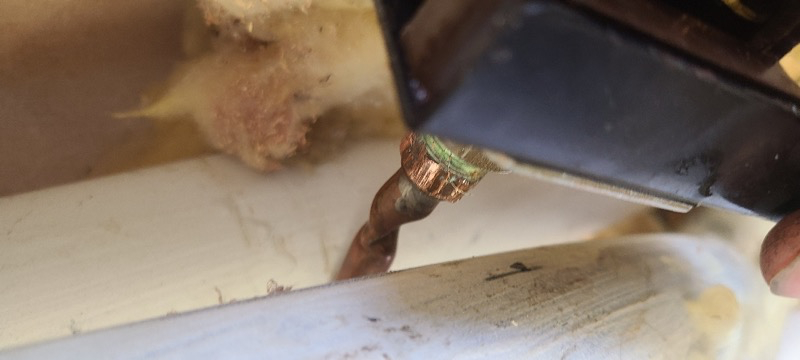
Is your Yucaipa well producing brown, muddy, or discolored water? This issue can range from a temporary disturbance to a sign of serious well problems. Let's identify the cause and fix it.
📋 In This Guide
- Common Causes of Brown Well Water
- When Brown Water is an Emergency
- Solutions for Brown Well Water in Yucaipa
- Professional Diagnosis
- Related Articles
Common Causes of Brown Well Water
- Sediment Disturbance: Recent pump work, earthquakes, or construction
- Iron/Manganese: Dissolved minerals oxidizing when exposed to air
- Tannins: Organic matter from decaying vegetation
- Surface Water Intrusion: Contamination from runoff entering well
- Failing Well Screen: Sand and sediment entering well
- Clay/Silt: Fine particles from the aquifer
When Brown Water is an Emergency
Contact us immediately if brown water is accompanied by:
- Sudden change after no recent work on well
- Foul odor (possible contamination)
- Recent flooding or heavy rains
- Sand or grit in the water
- Neighbors reporting similar issues
Solutions for Brown Well Water in Yucaipa
- Water Testing: Identify what's causing the discoloration
- Well Cleaning: Remove accumulated sediment
- Sediment Filter: Whole-house filtration system
- Screen Repair: Fix damaged well screen letting in sediment
- Grout Seal: Prevent surface water intrusion
Professional Diagnosis
Brown water can have multiple causes, and the solution depends on accurate diagnosis. Our technicians use video inspection, water testing, and systematic evaluation to identify exactly what's causing your water quality issues.
Need Help With Your Well in Yucaipa?
Our expert technicians serve Yucaipa and all of San Bernardino County with professional well services.
Related Articles
Continue learning about well maintenance and troubleshooting

Signs Your Well Pump Is Failing
Catch pump problems early before you lose water completely.
Low Water Pressure From Well
Diagnose and fix pressure problems before they get worse.
Well Maintenance Guide
Keep your well running smoothly with regular maintenance.
Our Locations
1077 Main St, Ramona, CA 92065
57174 US Highway 79, Anza, CA 92539
Brown Well Water in Yucaipa: A Local Owner's Guide
Yucaipa sits on the eastern edge of San Bernardino County, tucked against the base of the San Bernardino Mountains where the land climbs from the valley floor toward Oak Glen and Wildwood Canyon. That transition zone is exactly why so many Yucaipa wells behave the way they do. Homes on the benches above Oak Glen Road, out toward Chapman Heights, and along the old orchard properties north of the 10 draw from a mix of deep alluvial fill and fractured granitic bedrock. When a Yucaipa faucet suddenly runs brown, rust-colored, or cloudy, the water is telling you something specific about that geology and about the condition of your own well. The good news: discolored water is almost always fixable once you know which of a handful of causes is responsible.
This guide walks through why Yucaipa wells turn brown, how to narrow down the cause yourself before you ever pick up the phone, what a professional repair actually costs, and when a color change is a genuine emergency rather than a nuisance.
How Brown Water Actually Happens
Brown, orange, or yellow-tinted water comes from one of five sources, and each leaves a different fingerprint. The most common culprit in Yucaipa is dissolved iron and manganese. These minerals sit invisibly in groundwater that has moved slowly through the alluvial basin below town. As long as they stay underground with no oxygen, the water looks perfectly clear at the wellhead. The moment it hits air — splashing into a bathtub, sitting in a toilet tank, or aerating through your plumbing — the iron oxidizes and rusty flakes appear. A classic tell is water that comes out of the tap clear and then turns brown after a few minutes of standing.
The second source is corroding steel. Many older Yucaipa homes, especially the orchard-era properties, still have a galvanized-steel well casing or galvanized interior plumbing. After decades in mineral-rich water, that steel rusts from the inside out. Water that is worst on the first draw of the morning, or noticeably rustier on the hot side than the cold, usually points to the plumbing or the water heater rather than the aquifer itself.
Third is silt and sediment. Yucaipa's aquifer carries fine sand and clay, and heavy pumping — a long irrigation cycle in July, or a pump that short-cycles — can stir up material near the well screen. This water is cloudy or muddy immediately and, if you let a glass sit, the particles settle to the bottom rather than staying suspended as a tint. A failing or corroded well screen accelerates this by letting formation sand pass straight into the pump.
Fourth, tannins from decaying organic matter can stain water a tea-like brown. This is less common on Yucaipa's higher, drier benches but shows up on properties near seasonal drainages coming off the mountains. Tannin water stays clear (no settling particles) but holds a persistent yellow-brown tint and may smell faintly earthy.
Finally, iron bacteria — harmless but ugly organisms that feed on iron — leave a slimy reddish sludge in toilet tanks and can push slugs of brown water through the system. They often bring a swampy or oily odor along with the color.
Common Yucaipa Scenarios We See
A few patterns come up again and again on service calls in the 92399 area:
- Rusty water only in the morning. A Chapman Heights homeowner reports brown water for the first thirty seconds every morning, then it clears. This is almost always sediment or rust settling in the pressure tank and plumbing overnight — a filtration and inspection fix, not a well failure.
- Sudden mud after a big pump day. An owner with an orchard or large landscape runs the pump hard through a heatwave and the water turns cloudy. This usually means the water level dropped near the pump intake and stirred sediment — a sign to check the pump depth and well yield.
- Brown water after the first winter storms. Yucaipa's canyons carry runoff, and a poorly sealed wellhead or failed grout seal can let surface water in. This one deserves prompt attention because it can carry bacteria, not just color.
- Orange staining on fixtures and laundry. A steady iron problem that stains sinks, tubs, and white clothes. This calls for a water test and a treatment system rather than a one-time cleaning.
What to Check Before You Call
You can gather a surprising amount of useful information in ten minutes:
- Cold vs. hot. Run only the cold tap at an outside spigot. If cold water is clear but hot is brown, your water heater or hot-side plumbing is the source — not the well.
- First-draw vs. continuous. Note whether the brown appears immediately, only at first draw, or builds up as you keep the tap running. First-draw color points to plumbing; continuous or worsening color points to the well or aquifer.
- Clear-then-settles vs. cloudy-then-settles. Fill a clear glass. If it is cloudy and clears from the bottom up as particles drop, that is sediment. If it starts clear and develops a rusty tint or film on top as it sits, that is dissolved iron oxidizing.
- Whole-house vs. one fixture. If only one faucet is affected, the problem is local to that fixture or its supply line.
- Recent events. Any recent pump service, a nearby earthquake, new construction, or the season's first heavy rain are all meaningful clues.
A simple home water test for iron, manganese, and pH — available as an inexpensive kit or through a lab — turns guesswork into a clear answer and helps size any treatment correctly.
How the Problem Gets Fixed
The right fix depends entirely on the cause, which is why diagnosis comes first:
- Dissolved iron and manganese: An oxidizing filter — greensand or an air-injection iron filter — converts the dissolved minerals to solids and traps them. For lighter iron loads paired with hard water, a water softener may handle it.
- Sediment and silt: A spin-down sediment pre-filter or a whole-house cartridge system removes grit. If the well screen is failing or the pump sits too low, that mechanical issue is corrected as well.
- Iron bacteria: Shock chlorination of the well disinfects the system, often followed by a treatment filter to keep it from returning.
- Corroded casing or plumbing: Inspection determines whether the casing, a section of galvanized pipe, or the water heater needs replacement.
- Surface intrusion: Re-sealing the wellhead and grout, and confirming the sanitary seal, keeps runoff out.
Realistic Cost Ranges
Every well is different, but these Yucaipa-area figures give you a realistic starting point. A diagnostic visit runs about $125 and is credited toward any repair. A well inspection with camera and testing runs $150-$400. Sediment filtration typically lands at $300-$900, while a whole-house water softener runs $1,500-$3,500 depending on capacity. If the underlying cause is mechanical — a pressure switch at $150-$350, a pressure tank at $600-$1,500, or a submersible pump replacement at $2,500-$5,500 — those are addressed on their own. UV disinfection, sometimes paired with intrusion repairs, runs $800-$1,800.
When to Call a Professional
Call promptly if the brown water appeared suddenly with no recent well work, if it carries a foul or sewage-like odor, if it followed flooding or heavy rain, if you see sand or grit, or if neighbors on nearby Yucaipa wells report the same thing. Those signs can indicate contamination or a structural well problem that testing and inspection should confirm quickly.
Serving Yucaipa and the Surrounding Area
Southern California Well Service is a licensed C-57 water well contractor with more than 30 years of experience across San Bernardino, Riverside, and San Diego Counties. We serve Yucaipa and neighboring communities including Calimesa, Oak Glen, Mentone, Redlands, and the Cherry Valley area, dispatching from our offices in Ramona and Anza. We hold a 4.9-star rating and offer same-day emergency service when you have no usable water. Whether the answer is a filter, a shock treatment, a screen repair, or a full pump job, we diagnose the real cause first and quote honestly.
Frequently Asked Questions
Is brown well water in Yucaipa safe to drink?
Brown water caused by iron or sediment is usually not a health hazard, though it tastes metallic and stains fixtures. However, brown water that appears suddenly, smells foul, or follows heavy rain can signal bacterial contamination or surface intrusion. Until it is tested, use bottled or boiled water for drinking and cooking.
Why is my Yucaipa water clear at first and then turns brown?
That is the signature of dissolved iron. The water leaves your well clear, but once it contacts air the iron oxidizes into visible rust-colored particles. An oxidizing iron filter is the standard fix.
Only my hot water is brown - what does that mean?
When cold water is clear and hot water is brown, the source is almost always your water heater or the hot-side plumbing rather than the well. Flushing or replacing the water heater usually resolves it.
My water turned muddy after running the pump all day. Is my well failing?
Not necessarily. Heavy summer pumping can lower the water level near the pump intake and stir up sediment. It is worth checking pump depth and well yield, but it often just means the system was pushed near its limit.
How much does it cost to fix brown well water in Yucaipa?
Sediment filtration typically runs $300-$900 and a softener $1,500-$3,500. Mechanical repairs such as a pump or screen are priced separately. A $125 diagnostic - credited toward the repair - identifies the exact cause and cost first.
Can heavy rain in the San Bernardino Mountains cause brown water?
Yes. Runoff from the canyons can enter a well through a failed grout seal or wellhead. Because that water may carry bacteria, it should be tested and the seal repaired promptly.
Get Your Yucaipa Water Running Clear Again
You do not have to live with rust stains and cloudy water. Call Southern California Well Service at (760) 440-8520 or text us at (619) 259-0410 to schedule a diagnosis. We will pinpoint the cause and get your Yucaipa well back to clean, clear water.