
California Well Permit Requirements 2026: Complete Guide
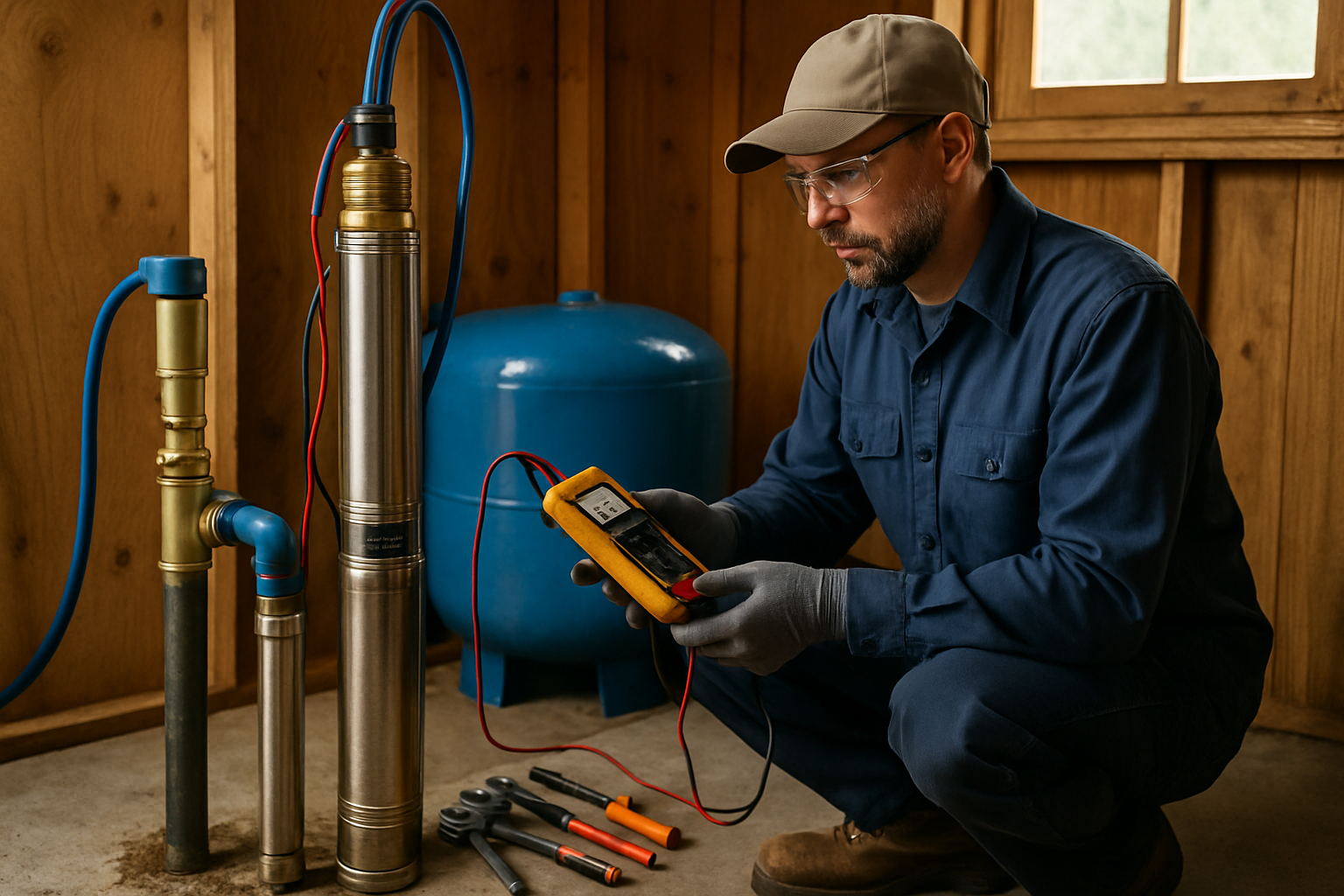
Navigating the well permit process in California requires understanding complex regulations, especially with the SGMA (Sustainable Groundwater Management Act) fully in effect. This comprehensive guide covers what you need to know about obtaining a well permit in California for 2026, focusing on San Diego Countypeculiarities and state-wide requirements. As regulations vary by county, this guide will provide a step-by-step approach to ensure compliance and streamline your permit application process.
Overview of California Well Permit Requirements
Obtaining a well permit in California involves several key steps and compliance checks that vary between counties but share common elements:
State-Level Regulations
- SGMA: Mandates sustainable management practices for all high and medium-priority groundwater basins.
- County Permit Requirements: Each of California's counties requires individual permit applications in accordance with local environmental health standards.
Understanding the SGMA Requirements
The SGMA significantly influences well drilling by controlling groundwater usage and sustainability in critically overdrafted basins:
- Permit Application: New wells need approval under SGMA, particularly in priority basins.
- Water metering: Required for compliance to prevent excess extraction.
- GSA Approval: Local agencies may impose additional restrictions based on groundwater conditions.
For expert assistance with navigating SGMA and local regulations, contact Southern California Well Service. Our experienced team assists with the entire permit application process, ensuring you meet all necessary requirements efficiently.
Call (760) 440-8520📋 In This Guide
- Do You Need a Well Permit in California?
- Types of Well Permits
- SGMA Requirements in 2026
- Permit Application Process
- County-by-County Requirements
- Permit Costs and Fees
- Setback Requirements
- Timeline Expectations
- When CEQA Review is Required
- Permits for Modifications and Repairs
- After Drilling: Completion Requirements
- San Diego County Specifics
- Frequently Asked Questions
California's well permitting requirements have evolved significantly over the past decade, driven primarily by SGMA implementation. What was once a straightforward county permit process may now involve multiple agencies, environmental reviews, and ongoing compliance requirements. Whether you're drilling a domestic well for your home or a larger agricultural or commercial well, understanding these requirements upfront prevents costly delays and ensures your well is legal and properly documented.
Need help navigating California's well permit process? Our team handles permits throughout San Diego County and can guide you through the entire process.
Call (760) 440-8520Do You Need a Well Permit in California?
Yes, all wells in California require permits. This includes:
- Domestic wells (single-family home use)
- Agricultural wells (irrigation, livestock)
- Commercial wells (business water supply)
- Industrial wells (manufacturing, processing)
- Monitoring wells (water level or quality testing)
- Cathodic protection wells (corrosion prevention)
- Geothermal wells (heat exchange systems)
There are no exemptions for small properties, rural locations, or minimal water use. Even replacing an existing well requires a permit in most circumstances.
Why Permits Matter
Drilling without a permit carries serious consequences:
- Fines: Up to $1,000 per day in some jurisdictions
- Forced destruction: Unpermitted wells may need to be destroyed at owner's expense
- Property sale issues: Unpermitted wells complicate or prevent property transactions
- No legal water rights: Unpermitted wells have no documented water rights
- Liability exposure: If contamination occurs, owner faces increased liability
Types of Well Permits
California well permits are categorized by use and may require different levels of review:
Domestic Well Permits
For single-family residential water supply:
- Processed through county environmental health department
- Typically the simplest permit category
- Usually requires site inspection and setback verification
- May require additional GSA approval in SGMA basins
Agricultural Well Permits
For farm irrigation or livestock water:
- Often face stricter SGMA scrutiny due to higher pumping volumes
- May require pumping capacity limits or metering
- Some basins have moratoriums on new agricultural wells
- May require hydrogeological assessment
Commercial/Industrial Well Permits
For businesses with significant water needs:
- Most complex permit category
- Often requires CEQA environmental review
- May need Regional Water Quality Control Board approval
- Public water supply wells have additional State Water Board requirements
Well Modification Permits
For changes to existing wells:
- Deepening existing wells typically requires permits
- New perforations or screen installation
- Some counties require permits for pump replacement
- Abandonment (destruction) always requires a permit
SGMA Requirements in 2026
The Sustainable Groundwater Management Act fundamentally changed well permitting in California. As of 2026, all high and medium priority groundwater basins are under active management by Groundwater Sustainability Agencies (GSAs).
Understanding SGMA Basin Classifications
High Priority Basins:
- Subject to strictest oversight
- 21 critically overdrafted basins must achieve sustainability by 2040
- New wells may face moratoriums, pumping limits, or offset requirements
- Metering often required
Medium Priority Basins:
- Active GSA management
- Must achieve sustainability by 2042
- New well permits reviewed by GSA
- May have allocation systems or fees
Low/Very Low Priority Basins:
- Not subject to SGMA management requirements
- Standard county permit process applies
- Status can change based on DWR assessments
What SGMA Means for Your Well Permit
In SGMA-managed basins, your well permit may require:
- GSA approval: In addition to county permit
- Well registration: Existing and new wells must be registered
- Metering: Flow meters on new wells, sometimes retrofitted to existing
- Pumping fees: Annual fees based on water extracted
- Extraction limits: Maximum gallons per year
- Offset requirements: May need to retire existing water rights or wells
Check Your Basin Status
Find your groundwater basin and its priority level at the California Department of Water Resources SGMA Basin Prioritization website or contact your local GSA directly.
Permit Application Process: Step by Step
Step 1: Preliminary Research
Before applying:
- Identify your county's environmental health department
- Determine if your property is in an SGMA basin
- Check zoning requirements for well installation
- Review setback requirements for your property
Step 2: Site Evaluation
- Measure distances from septic systems, property lines, structures
- Identify suitable drilling locations
- Consider access for drilling equipment
- For commercial/agricultural, may need hydrogeological report
Step 3: Application Submission
Typical application requirements:
- Completed permit application form
- Site plan showing proposed well location and setbacks
- Assessor's parcel number and property description
- Proposed well specifications (depth, diameter, construction)
- Licensed well contractor information (C-57 license required)
- Permit fee payment
Step 4: Review and Inspection
- County reviews application for completeness
- Site inspection may be required before approval
- GSA review if in SGMA basin (concurrent or sequential)
- Additional review if CEQA triggered
Step 5: Permit Issuance
- Permit valid for specific time period (often 1 year)
- Must be displayed at drill site
- Drilling must follow approved specifications
- Final inspection required upon completion
County-by-County Requirements in Southern California
Each California county has specific requirements. Here's what to expect in major Southern California counties:
San Diego County
- Permit Authority: Department of Environmental Health (DEH)
- Permit Fee: $464-$1,200+ depending on well type
- Timeline: 2-4 weeks for domestic, longer for commercial
- SGMA Basins: San Pasqual Valley is medium priority; most areas not SGMA-managed
- Special Requirements: Borrego Springs area has pumping restrictions
Riverside County
- Permit Authority: Department of Environmental Health
- Permit Fee: $390-$900+
- SGMA Basins: Multiple high/medium priority basins
- Special Requirements: Some areas require water purveyor approval
San Bernardino County
- Permit Authority: Land Use Services Department
- Permit Fee: $400-$1,000+
- SGMA Basins: Extensive coverage, many high-priority basins
- Special Requirements: Hydrogeological report often required
Los Angeles County
- Permit Authority: Department of Public Health
- Permit Fee: $500-$1,500+
- SGMA Basins: Most areas under adjudication or SGMA management
- Special Requirements: Many areas restrict new well drilling
Permit Costs and Fees (2026)
Well permit costs vary significantly based on location, well type, and regulatory requirements:
County Permit Fees
| Fee Type | Typical Range |
|---|---|
| Basic domestic well permit | $250-$800 |
| Agricultural well permit | $400-$1,200 |
| Commercial well permit | $500-$1,500 |
| Well modification permit | $200-$600 |
| Well destruction permit | $150-$400 |
| Inspection fees | $100-$300 |
Additional Potential Costs
| Requirement | Cost Range |
|---|---|
| GSA application/review fee | $100-$2,000+ |
| CEQA Initial Study | $500-$3,000 |
| CEQA Negative Declaration | $2,000-$10,000+ |
| Environmental Impact Report | $10,000-$100,000+ |
| Hydrogeological report | $2,000-$10,000+ |
| Water meter installation | $300-$1,500 |
| Annual pumping fees (SGMA) | $10-$100+ per acre-foot |
Setback Requirements
California wells must maintain minimum distances from potential contamination sources. Requirements vary by county but typically include:
Typical Minimum Setbacks
| From | Minimum Distance |
|---|---|
| Septic tank | 50-100 feet |
| Septic leach field | 100-150 feet |
| Sewer lines | 50 feet |
| Property lines | 5-50 feet (varies) |
| Structures/buildings | 5-10 feet |
| Animal enclosures | 50-100 feet |
| Fuel storage tanks | 50-100 feet |
| Drainage channels | 50 feet |
Note: Some counties have stricter requirements. San Diego County, for example, requires 100 feet from septic leach fields in some areas. Always verify with your local health department.
Need Help With Setbacks?
Our team can evaluate your property and identify the best well location that meets all setback requirements.
Call (760) 440-8520Free site evaluation • San Diego County
Timeline Expectations
Permit timelines vary widely based on location and project complexity:
Standard Domestic Well (Non-SGMA Area)
- Application to approval: 2-4 weeks
- Some counties offer expedited processing
- Incomplete applications cause delays
Domestic Well in SGMA Basin
- County permit: 2-4 weeks
- GSA review: Additional 2-8 weeks
- Total: 4-12 weeks
Agricultural/Commercial Wells
- Standard review: 4-8 weeks
- With GSA review: 8-16 weeks
- With CEQA: 3-18 months
Factors That Delay Permits
- Incomplete applications
- Missing site plans or incorrect setbacks
- Properties with environmental concerns
- CEQA triggers
- GSA backlogs in high-demand basins
- Public comment periods
When CEQA Review Is Required
The California Environmental Quality Act (CEQA) may apply to well permits, especially for larger projects:
Typically Exempt from CEQA
- Single-family domestic wells
- Replacement wells at same location
- Minor well modifications
- Small residential irrigation wells
May Require CEQA Review
- Large agricultural wells
- Commercial or industrial wells
- Wells in sensitive environmental areas
- Projects potentially affecting endangered species
- Wells near streams or wetlands
- Multiple wells for subdivision development
CEQA Review Levels
- Categorical Exemption: No CEQA review needed (most domestic wells)
- Initial Study: Basic environmental analysis ($500-$3,000)
- Negative Declaration: Finding of no significant impact ($2,000-$10,000)
- Mitigated Negative Declaration: With mitigation measures ($5,000-$25,000)
- Environmental Impact Report: Full study ($10,000-$100,000+)
Permits for Modifications and Repairs
Not all work on existing wells requires permits, but many modifications do:
Usually Requires Permit
- Deepening an existing well
- Adding new perforations or screens
- Changing well casing
- Converting well use (domestic to agricultural)
- Increasing pump capacity significantly
- Well destruction/abandonment
Usually Does NOT Require Permit
- Pump replacement (same capacity)
- Pressure tank replacement
- Routine maintenance
- Water quality treatment installation
- Electrical repairs
Note: Requirements vary by county. Some counties require permits even for pump replacement. Always check with your local health department.
After Drilling: Completion Requirements
The permit process doesn't end when drilling is complete:
Immediate Requirements
- Well Completion Report: Contractor files with Department of Water Resources within 60 days
- Final inspection: County inspection before use (most counties)
- Water testing: Required in some counties before occupancy
Ongoing Requirements (SGMA Basins)
- Well registration with GSA
- Meter installation and reading
- Annual extraction reporting
- Pumping fee payment
Documentation to Keep
- Well permit
- Well completion report
- Inspection records
- Water test results
- GSA registration (if applicable)
These documents are essential for property sales and should be kept permanently with your property records.
San Diego County Well Permits: Specific Requirements
For San Diego County property owners, here are the specific requirements:
Application Process
- Submit application to Department of Environmental Health
- Include site plan with setback measurements
- Pay applicable fees ($464-$1,200+)
- Schedule pre-drilling inspection if required
- Receive permit (typically 2-4 weeks)
San Diego County Setbacks
- 100 feet from septic systems
- 50 feet from property lines
- Minimum 2-foot concrete surface seal
- Well casing extends 12 inches above grade
SGMA Considerations
San Diego County has limited SGMA-managed basins:
- San Pasqual Valley: Medium priority basin, GSA review required
- Borrego Valley: Critically overdrafted, strict pumping limits
- Most other areas: Not subject to SGMA
Local Contacts
- San Diego County DEH: (858) 505-6700
- Borrego Water District: For Borrego Springs area
- City of San Diego: For city properties (separate requirements)
Frequently Asked Questions
Do I need a permit to drill a well in California?
Yes, all wells in California require a permit from the county environmental health department before drilling can begin. This includes domestic, agricultural, and commercial wells. Additionally, wells in SGMA-managed groundwater basins may require approval from the local Groundwater Sustainability Agency. There are no exemptions based on property size or water use volume.
How much does a well permit cost in California in 2026?
County well permit fees in California range from $250-$1,500 depending on the county and well type. Additional costs may include SGMA/GSA fees ($100-$2,000+), CEQA review if required ($500-$5,000+), and inspection fees. Total permitting costs typically range from $300 for simple domestic wells to $10,000+ for complex commercial projects requiring environmental review.
What are the setback requirements for wells in California?
California well setback requirements vary by county but typically include: 50-100 feet from septic tanks, 100+ feet from septic leach fields, 50-100 feet from property lines (depending on neighboring uses), 50+ feet from sewer lines, and 50+ feet from animal enclosures. Some counties have stricter requirements. Check with your local environmental health department for specific requirements.
How long does it take to get a well permit in California?
Standard domestic well permits typically take 2-4 weeks in most California counties. However, permits in SGMA-managed basins may take 4-12 weeks with GSA review. Commercial wells requiring CEQA review can take 3-18 months. Some critically overdrafted basins have moratoriums that may prevent new wells entirely.
What is SGMA and how does it affect well permits?
SGMA (Sustainable Groundwater Management Act) requires California groundwater basins to achieve sustainability by 2040-2042. In SGMA-managed basins (high and medium priority), new wells may require GSA approval, metering, pumping fees, or face restrictions. Critically overdrafted basins have the strictest requirements, including possible moratoriums on new wells. Check your basin status with the California Department of Water Resources.
Do I need a permit to repair or deepen an existing well?
Most California counties require permits for well modifications including deepening, pump replacement in some cases, and major repairs. Routine maintenance like pump service typically doesn't require a permit. Deepening a well may be treated as a new well for SGMA purposes in some basins. Check with your county for specific requirements.
Who can drill a well in California?
Only contractors with a C-57 Well Drilling license from the California Contractors State License Board can legally drill wells in California. This applies to all well drilling, including domestic, agricultural, and commercial wells. Verify contractor licensing at cslb.ca.gov before hiring any well drilling company.
What happens after the well is drilled?
After drilling, the contractor must file a Well Completion Report with the Department of Water Resources within 60 days. Many counties require a final inspection before the well can be put into service. In SGMA basins, you may need to register the well with the GSA and install a meter. Keep all permits and completion reports for property records—they're essential for future property sales.
Get Expert Help With Your Well Permit
Southern California Well Service handles well permits throughout San Diego County. We navigate the process, handle paperwork, and ensure your well is properly permitted and documented.
Call (760) 440-8520Licensed C-57 Contractor. CSLB License #1086994.• Free Consultation • 30+ Years Experience
Related Articles
Continue learning about well maintenance and troubleshooting
Signs Your Well Pump Is Failing
Catch pump problems early before you lose water completely.
Low Water Pressure From Well
Diagnose and fix pressure problems before they get worse.
Well Maintenance Guide
Keep your well running smoothly with regular maintenance.
Need Help With Your Well?
See our 2026 permit services.