
Well Services for Glen Avon Citrus Groves
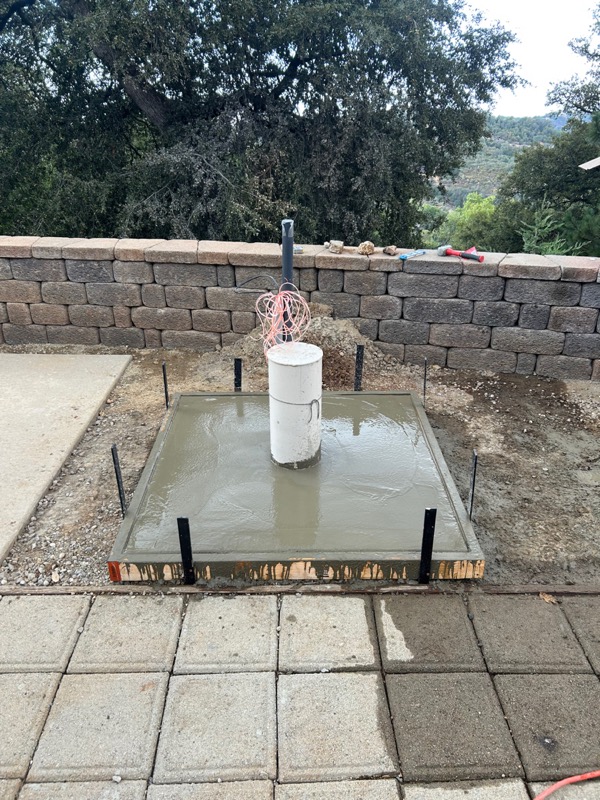
Growing citrus in Glen Avon? Reliable well water is essential for healthy trees and good fruit production. Southern California Well Service supports Riverside County citrus operations with complete well and irrigation services.
📋 In This Guide
- Citrus Water Requirements
- Grove Well Systems
- Water Quality for Citrus
- Supporting Glen Avon Citrus Growers
- Related Articles
Citrus Water Requirements
Citrus trees need consistent water for optimal production:
- Young trees: 10-20 gallons per week
- Mature trees: 50-75 gallons per week in summer
- Per acre: Approximately 3-4 acre-feet annually
That translates to serious well capacity requirements for commercial groves.
Grove Well Systems
- Agricultural wells: High-capacity for irrigation demand
- Drip irrigation: Efficient water delivery to root zones
- Micro-sprinklers: Coverage with minimal waste
- Filtration: Keep drip emitters clean
- Automation: Timed irrigation cycles
Water Quality for Citrus
Citrus is sensitive to water quality issues:
- Salinity: High salt damages trees over time
- Boron: Toxic to citrus at moderate levels
- Chloride: Causes leaf burn
We can test your well water and recommend treatment if needed.
Supporting Glen Avon Citrus Growers
From small backyard groves to commercial operations, we provide the water systems citrus trees need to thrive in Riverside County.
Need Help With Your Well in Glen Avon?
Our expert technicians serve Glen Avon and all of Riverside County with professional well services.
Related Articles
Continue learning about well maintenance and troubleshooting

Signs Your Well Pump Is Failing
Catch pump problems early before you lose water completely.
Low Water Pressure From Well
Diagnose and fix pressure problems before they get worse.
Well Maintenance Guide
Keep your well running smoothly with regular maintenance.
Our Locations
1077 Main St, Ramona, CA 92065
57174 CA-371 (US Hwy 79), Anza, CA 92539
Citrus Well Solutions for Glen Avon and the Jurupa Valley
Glen Avon is a community within the City of Jurupa Valley in Riverside County, tucked along the northern edge of the Santa Ana River corridor below the Jurupa Mountains. The valley floor here is built on river-deposited alluvium, the kind of sand-and-gravel ground that can hold productive groundwater but also varies sharply from one parcel to the next. This is classic Inland Empire citrus country — the same warm, sun-soaked valleys that built Southern California's orange and lemon reputation a century ago. Today, growers in Glen Avon, Mira Loma, Pedley, Rubidoux, and the surrounding Jurupa Valley neighborhoods still tend productive citrus on land served largely by private agricultural wells. When that well falters, the grove suffers within days. Southern California Well Service, a licensed C-57 water well drilling contractor with more than three decades of experience and a 4.9-star reputation, keeps Riverside County citrus watered, healthy, and producing.
Understanding Citrus Irrigation Demand
Citrus draws water steadily through a long growing season, and Glen Avon's hot inland summers raise the bar. A mature grove in this part of Riverside County generally requires on the order of 3.5 to 4.5 acre-feet per acre per year, concentrated heavily in the late-spring through early-fall window when evapotranspiration peaks. For a working block, that translates into a well and pump that can hold a reliable gallons-per-minute output day after day through the hottest stretch without overdrawing the aquifer.
Don't Forget Frost Protection
The number that catches growers off guard is not summer irrigation — it is the cold night. When a freeze settles into the Santa Ana River bottomlands, growers may run sprinklers continuously to shield the crop, and water-based frost protection can demand upwards of 50 GPM per acre while the event lasts. A well sized only for routine watering will fall short exactly when the fruit is most at risk. We design every citrus system around that peak night, not the easy average.
Engineering the Well, Pump, and Storage to Match Demand
Start With Reliable Well Yield
The foundation of any grove water system is sustainable well yield — the GPM the aquifer will give up reliably, not just on the day it is drilled. We test for it before recommending equipment. Once yield is established, we pair it with the right lift: a high-capacity submersible pump for deeper wells, or a vertical turbine pump where high volume from a shallower setting makes more sense. Matching pump to well is what keeps the system efficient and the motor from cycling itself to an early failure. We also size the column pipe, wiring, and controls for the long, sustained runs that citrus irrigation demands, since a pump that is correctly specified but poorly supported will still struggle through a Riverside County summer.
Storage Smooths the Peaks
Few wells can instantaneously match a frost night or a mid-July peak. That is where storage earns its keep. We design systems that pump steadily into a lined pond or tank during off-peak hours, building a reserve the grove can draw down hard when demand spikes. The payoff: a grower can run a right-sized, efficient well around the clock instead of buying an oversized one that idles most of the year — and that reserve becomes a lifeline during a freeze or a pump outage.
Water Quality and Salt-Sensitive Citrus
Citrus is one of the more salt-sensitive tree crops, so what is dissolved in your water is as important as how much you can pump. Inland groundwater near the Santa Ana River basin can carry elevated salts, and we test for the constituents that matter most:
- Salinity (EC): High total salinity suppresses water uptake and yield. Because citrus tolerates less salt than most crops, even moderate readings call for a leaching plan.
- Chloride: Citrus accumulates chloride in its foliage, and the result is the telltale leaf-margin scorch growers dread. Rootstock and irrigation method both affect tolerance.
- Boron: Helpful in trace amounts but toxic to citrus above roughly 0.5 to 1 ppm. Boron injury is sneaky because early symptoms resemble ordinary heat or drought stress, so a water test is the only sure way to catch it.
If your numbers run high, we can advise on blending, leaching fractions, irrigation scheduling, or treatment so the water sustaining your trees is not quietly working against them.
Groundwater, Drought, and the Riverside Basins
Glen Avon's groundwater sits within Riverside County basins managed under California's Sustainable Groundwater Management Act (SGMA). For growers that means efficient irrigation and sensible pumping are no longer optional niceties — they are part of keeping a well viable for the long haul. After a string of dry years, water levels across the Inland Empire have been under strain, and a well that served a grove well a decade ago may now benefit from a lowered pump, deepening, or rehabilitation. We help Jurupa Valley growers read where their well stands and plan ahead rather than scramble when the season turns hot. Routine water-level monitoring also gives early warning of a declining table, so a grower can act on a deepening or rehabilitation in the off-season rather than during a heat wave when downtime is most costly.
Common Problems, Upkeep, and Knowing When to Call
What Typically Goes Wrong
- Yield that fades and run times that lengthen as the water table drops through summer
- Scale and biofouling plugging drip emitters and micro-sprinklers
- Submersible or turbine pump failures from sediment, cycling, or power swings
- Pressure tank and controller faults that throw off irrigation timing
- Aging casing or screen that quietly chokes well capacity
Maintenance Beats Emergencies
A planned inspection is always cheaper than a dead pump during a heat wave. We recommend periodic pump and well checks, water-level and flow testing, water-quality retesting every year or two, and filtration upkeep to protect emitters. When output sags, hydrofracturing or well rehabilitation frequently restores production without the cost of a new well.
When to Pick Up the Phone
Reach out the moment you see falling pressure, sputtering air, sudden changes in taste or color, climbing power bills, or a grove that simply is not getting enough water. Citrus does not forgive interruptions at peak demand, and an early diagnosis can save a crop.
Typical Costs for Glen Avon Growers
- New agricultural well, turnkey: $25,000 to $60,000 or more by depth, casing, and capacity
- High-capacity pump, supplied and installed: $3,000 to $8,000
- Hydrofracturing to recover yield: $3,000 to $8,000
- Diagnostic visit: $125, credited toward the work we perform
You get a straight assessment and a clear estimate — never pressure to buy services your grove does not need.
Serving Glen Avon and the Wider Jurupa Valley
Working from our Ramona and Anza offices, our crews serve Glen Avon and the neighboring communities of Mira Loma, Pedley, Rubidoux, Eastvale, and the broader Jurupa Valley and Riverside County citrus belt. Backyard grove or commercial block, you get the same C-57 licensed craftsmanship on every visit.
Frequently Asked Questions
How much water does a Glen Avon citrus grove use in a year?
A mature grove in this part of Riverside County typically needs about 3.5 to 4.5 acre-feet per acre per year, with demand peaking from late spring into early fall. A frost-protection night can briefly call for 50 or more GPM per acre beyond normal irrigation.
My trees water fine but the leaf edges are scorching - why?
Leaf-margin scorch usually points to chloride or salinity stress rather than a lack of water. Citrus is salt-sensitive, so we suggest testing your well for EC, chloride, and boron to find the cause before yield drops.
Is a storage pond or tank worth it for my grove?
Often, yes. Storage lets you run a smaller, efficient well steadily and draw on a reserve during summer peaks or a freeze. It is usually cheaper than drilling an oversized well and gives you backup if a pump fails.
What does a new agricultural well cost in the Jurupa Valley?
A turnkey agricultural well typically runs $25,000 to $60,000 or more depending on depth, casing, and the capacity your grove requires. We provide a written estimate after evaluating your site.
Can you improve a weak well without drilling a new one?
Frequently. Hydrofracturing, rehabilitation, or resetting the pump can restore output in many older wells for $3,000 to $8,000 - far less than replacement. Our $125 diagnostic visit, credited toward the work, identifies the right fix.
Does SGMA affect growers in Glen Avon?
Yes. Glen Avon-area groundwater falls under Riverside County basins managed through SGMA, which encourages monitoring and efficient use. We help growers pump sustainably and plan for changing water-table conditions.
Keep Your Jurupa Valley Citrus Thriving
Healthy citrus starts with water you can count on. If you grow in Glen Avon, Jurupa Valley, or anywhere in Riverside County, let Southern California Well Service drill, equip, or service the well your grove depends on. Call (760) 440-8520 or text (760) 219-5877 to book a diagnostic visit or request your free estimate.