
Well Services for Homeland Citrus Groves
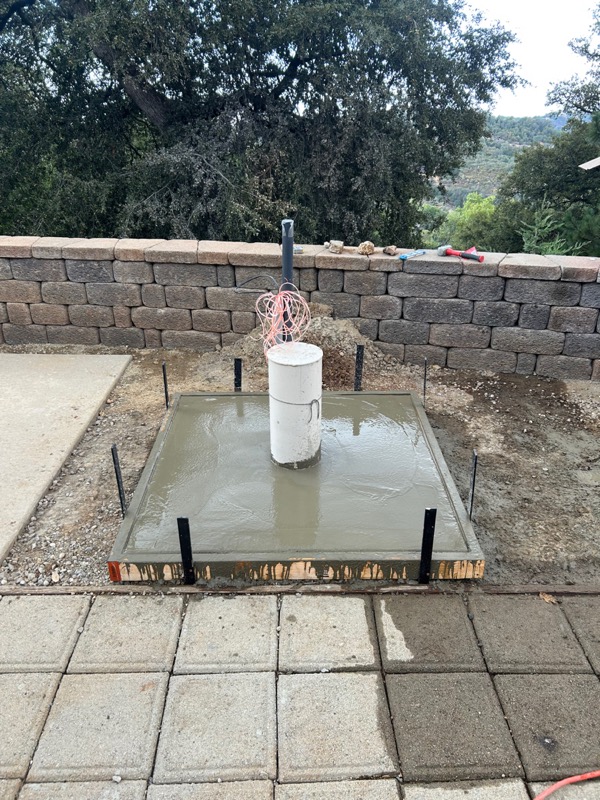
Growing citrus in Homeland? Reliable well water is essential for healthy trees and good fruit production. Southern California Well Service supports Riverside County citrus operations with complete well and irrigation services.
📋 In This Guide
- Citrus Water Requirements
- Grove Well Systems
- Water Quality for Citrus
- Supporting Homeland Citrus Growers
- Related Articles
Citrus Water Requirements
Citrus trees need consistent water for optimal production:
- Young trees: 10-20 gallons per week
- Mature trees: 50-75 gallons per week in summer
- Per acre: Approximately 3-4 acre-feet annually
That translates to serious well capacity requirements for commercial groves.
Grove Well Systems
- Agricultural wells: High-capacity for irrigation demand
- Drip irrigation: Efficient water delivery to root zones
- Micro-sprinklers: Coverage with minimal waste
- Filtration: Keep drip emitters clean
- Automation: Timed irrigation cycles
Water Quality for Citrus
Citrus is sensitive to water quality issues:
- Salinity: High salt damages trees over time
- Boron: Toxic to citrus at moderate levels
- Chloride: Causes leaf burn
We can test your well water and recommend treatment if needed.
Supporting Homeland Citrus Growers
From small backyard groves to commercial operations, we provide the water systems citrus trees need to thrive in Riverside County.
Need Help With Your Well in Homeland?
Our expert technicians serve Homeland and all of Riverside County with professional well services.
Related Articles
Continue learning about well maintenance and troubleshooting

Signs Your Well Pump Is Failing
Catch pump problems early before you lose water completely.

Low Water Pressure From Well
Diagnose and fix pressure problems before they get worse.

Well Maintenance Guide
Keep your well running smoothly with regular maintenance.
Our Locations
1077 Main St, Ramona, CA 92065
57174 US Highway 79, Anza, CA 92539
Citrus Well Service for Homeland Orchards in Riverside County
Homeland is an unincorporated rural community in western Riverside County, sitting right beside Romoland and within easy reach of the Hemet and San Jacinto Valley to the east. Its larger agricultural and orchard parcels are exactly the kind of properties that still depend on private groundwater wells, and for the families and growers raising citrus here, a reliable well is the backbone of the whole operation. Southern California Well Service is a licensed C-57 water well drilling contractor with more than 30 years of experience and a 4.9-star reputation, and we help Homeland citrus growers drill, equip, and maintain water systems sized for what their trees genuinely need.
Citrus is a demanding crop. A pump that fails during an August heat spell, a well whose yield slips through a dry year, or irrigation water that carries too much salt will all show up as dropped fruit, scorched foliage, and a thinner harvest. Because we work across the Menifee, Perris, and San Jacinto Valley area, we know how local groundwater behaves and we design each system around the realities of inland citrus rather than rough assumptions.
What Citrus Trees Demand for Water in Homeland
Mature citrus drinks year-round, and the volumes are significant. In the hot inland climate around Homeland, a producing grove typically uses on the order of 3.5 to 4.5 acre-feet of water per acre per year, with the heaviest demand in the long, hot stretch from late spring into early fall. One acre-foot is roughly 326,000 gallons, so even a few acres of mature trees pull a remarkable amount of water across a season.
Turning Annual Use Into Pumping Capacity
The planning challenge is converting that yearly volume into the flow your well must sustain at peak. Many citrus growers aim for a well and pump that can hold roughly 15 to 25 GPM per acre of steady output, with the exact figure shaped by your soils, your irrigation method, and how much storage you carry. Drip and micro-sprinkler systems use water far more efficiently than flood irrigation, which both lowers the live flow you must produce and helps you use a regulated groundwater supply wisely.
Why Frost Protection Rewrites the Numbers
Citrus is sensitive to cold, and the inland valleys around Homeland see real freezes. Growers who guard their trees with overhead sprinklers face a brief but enormous demand: frost protection can require 50 or more GPM per acre, sustained for hours during the coldest part of the night. That is many times the routine irrigation rate, and a well sized only for summer watering cannot deliver it on its own. This is the main reason frost-protected groves invest in substantial storage.
Sizing the Well, Pump, and Storage for Citrus
A reliable citrus water system is really three coordinated pieces: the well, the pump, and the storage that ties them together.
The Well
An agricultural well for citrus is built for both volume and durability. Casing, screen placement, and gravel pack are tailored to the local formation so the well yields consistently and stands up to sand and collapse over many years of heavy seasonal pumping.
The Pump
High-capacity citrus wells generally rely on a submersible pump set deep in the borehole or a vertical lineshaft turbine driven from the surface. Each can move large volumes against significant lift. Getting the size right is critical: an oversized pump can overdraw and damage the well, while an undersized one leaves trees stressed at the height of summer. We match the pump to the well's tested yield rather than to a generic spec.
Storage Ponds and Tanks
Storage is the piece that ties everything together. By pumping into a lined pond or a set of steel or poly tanks during off-peak hours and irrigating from that reserve, a modestly sized well can serve a much larger grove, weather brief outages, and supply the huge frost-protection surge without an oversized well. On rural Homeland parcels where power can be intermittent, that stored buffer is real protection for the trees.
Water Quality for Citrus: Salinity, Chloride, and Boron
Citrus is among the more salt-sensitive tree crops, so what is in the water matters as much as how much of it you have. Before planting or rehabilitating a grove, the well water should be tested.
- Salinity (EC): Citrus tolerates only limited salinity. Rising total dissolved solids stress the roots, slow growth, and erode yield over time.
- Chloride: Citrus is distinctly chloride-sensitive. Chloride accumulates in the leaves and produces the classic tip and margin leaf burn. Rootstock choice moves the threshold, but high-chloride water stays a long-term liability.
- Boron: A micronutrient with a very narrow safe band. Citrus can show toxicity once boron climbs much above roughly 0.5 to 1 ppm, so even small amounts deserve testing.
If a test turns up a problem, the options run from blending sources and leaching salts with careful irrigation to treatment and rootstock selection. We can test your Homeland well water and translate the readings into clear choices for your grove.
Drought, Groundwater, and SGMA Near Homeland
Homeland overlies the San Jacinto Groundwater Basin, the alluvial basin that underlies the San Jacinto, Perris, Moreno, and Menifee Valleys in western Riverside County. This basin falls under California's Sustainable Groundwater Management Act (SGMA). It is classified as a high-priority basin, a Groundwater Sustainability Plan for the area has been adopted and is being implemented, and Eastern Municipal Water District acts as the groundwater sustainability agency over much of it. Portions of the broader basin near the Hemet and San Jacinto area are also adjudicated under the Hemet-San Jacinto Watermaster.
For a grower, the practical message is that this groundwater is a shared, regulated resource. Efficient irrigation, accurate metering, and well-maintained equipment make good economic sense and keep you in step with long-term basin management. During drought years, static water levels can decline, and a pump set too high in the casing may begin to break suction or draw air, so periodic review of how the well is performing is worthwhile.
Citrus Well Problems We See Around Homeland
- Declining yield or pump cavitation as seasonal water levels fall, especially in late summer and through drought.
- Mineral scaling and encrustation on screens, columns, and pump parts in mineral-rich groundwater, gradually choking flow.
- Clogged drip emitters and micro-sprinklers from sediment, iron, or biological fouling when filtration is inadequate.
- Worn or undersized pumps that cannot meet peak summer demand, much less a frost-protection surge.
- Pressure-tank and control problems that cause short-cycling and shorten equipment life.
Maintenance That Keeps a Grove Producing
Citrus wells reward consistent care. We recommend periodic flow and water-level testing to catch a declining well before it fails, routine inspection of the pump, motor, and electrical controls, and steady cleaning of filters and emitters so the irrigation system keeps delivering. When a well loses output to mineral encrustation or fine sediment, well rehabilitation and hydrofracturing can often restore lost yield for a fraction of the cost of drilling a new well. Regular water testing also lets you track salinity and chloride trends before they ever harm the trees.
When to Call a Professional
Get in touch when you notice falling pressure or yield, air spitting through the lines, sand or cloudy water, rising power bills from a struggling pump, or any sign that the well cannot keep up during heat or a freeze. A timely diagnostic visit, $125 and credited toward any resulting work, costs far less than replanting damaged trees. And if you ever lose water completely, we offer same-day emergency response.
What Citrus Well Work Costs
Every property is different, but these ranges help you plan:
- New agricultural well, turnkey: typically $25,000 to $60,000 or more, depending on depth, casing, formation, and access.
- High-capacity pump (submersible or turbine): about $3,000 to $8,000, depending on horsepower, setting depth, and column.
- Hydrofracturing to boost a low-yield well: roughly $3,000 to $8,000.
- Diagnostic visit: $125, credited toward the work we perform.
We give honest assessments and never push services you do not need.
Serving Homeland and the Surrounding Communities
From our offices in Ramona and Anza, Southern California Well Service supports citrus growers across the Perris and San Jacinto Valley area. Around Homeland, we regularly serve neighboring Romoland, Menifee, Sun City, Perris, Hemet, San Jacinto, and the rural orchard parcels in between, along with the broader San Diego, Riverside, and San Bernardino county service area. Whatever the size of your grove, you get a local, licensed crew that understands inland citrus.
Frequently Asked Questions
How large a well does a Homeland citrus grove need?
It depends on acreage, soils, irrigation method, and whether you protect against frost. A common rule of thumb is enough sustained capacity to cover peak summer use, supported by storage. We test your well and size the pump and storage to your specific grove rather than relying on a generic number.
Why do my citrus leaves have burned tips and edges?
Tip and margin leaf burn usually points to chloride or general salinity in the irrigation water, to which citrus is especially sensitive. A water test will confirm it, and we can then discuss leaching, blending, treatment, or rootstock options.
Does a small amount of boron really matter for citrus?
Yes. Citrus can show boron toxicity once levels rise much above roughly 0.5 to 1 ppm, so even modest concentrations in well water deserve testing and a management plan.
Do I need a separate setup for frost protection?
If you use overhead sprinklers for freeze protection, you will need far higher instantaneous flow than routine irrigation, often 50 or more GPM per acre. Most growers meet that with on-site storage rather than oversizing the well.
How does SGMA affect my Homeland well?
The San Jacinto Groundwater Basin beneath the Homeland area is a high-priority basin managed under SGMA with an adopted sustainability plan. In practice, efficient irrigation, metering, and good maintenance let you use a shared resource responsibly while keeping the grove productive.
Can a low-yield well be improved without redrilling?
Often, yes. Hydrofracturing and rehabilitation can restore capacity in many wells for far less than a new well. We start with a diagnostic to determine what is realistic for your well.
Talk to a Citrus Well Specialist
Protect your Homeland grove with a water system built for citrus. Call Southern California Well Service at (760) 440-8520 or text us at (619) 259-0410 to schedule a diagnostic or request a free estimate. Licensed C-57, 30+ years of experience, and a 4.9-star reputation across San Diego, Riverside, and San Bernardino counties.