
Well Services for Montclair Citrus Groves
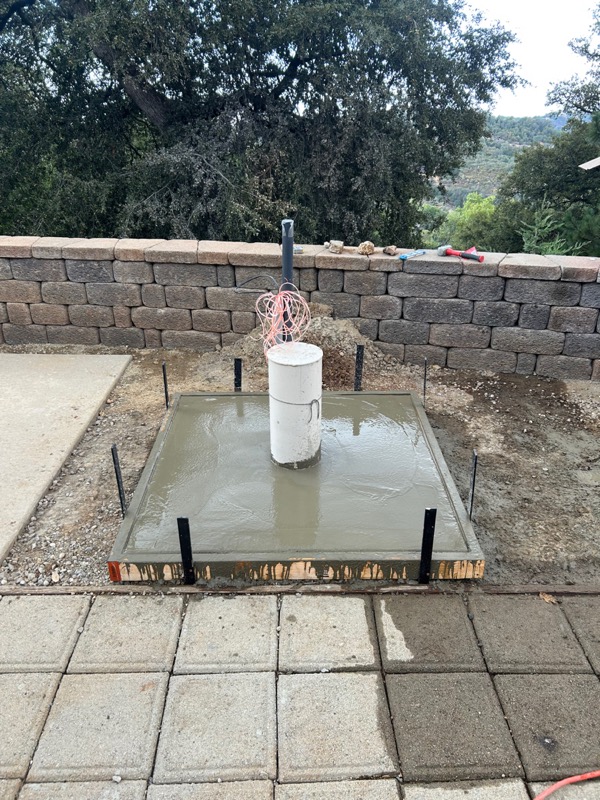
Growing citrus in Montclair? Reliable well water is essential for healthy trees and good fruit production. Southern California Well Service supports San Bernardino County citrus operations with complete well and irrigation services.
In This Guide
- Citrus Water Requirements
- Grove Well Systems
- Water Quality for Citrus
- Supporting Montclair Citrus Growers
- Related Articles
Citrus Water Requirements
Citrus trees need consistent water for optimal production:
- Young trees: 10-20 gallons per week
- Mature trees: 50-75 gallons per week in summer
- Per acre: Approximately 3-4 acre-feet annually
That translates to serious well capacity requirements for commercial groves.
Grove Well Systems
- Agricultural wells: High-capacity for irrigation demand
- Drip irrigation: Efficient water delivery to root zones
- Micro-sprinklers: Coverage with minimal waste
- Filtration: Keep drip emitters clean
- Automation: Timed irrigation cycles
Water Quality for Citrus
Citrus is sensitive to water quality issues:
- Salinity: High salt damages trees over time
- Boron: Toxic to citrus at moderate levels
- Chloride: Causes leaf burn
We can test your well water and recommend treatment if needed.
Supporting Montclair Citrus Growers
From small backyard groves to commercial operations, we provide the water systems citrus trees need to thrive in San Bernardino County.
Need Help With Your Well in Montclair?
Our expert technicians serve Montclair and all of San Bernardino County with professional well services.
Related Articles
Continue learning about well maintenance and troubleshooting

Signs Your Well Pump Is Failing
Catch pump problems early before you lose water completely.

Low Water Pressure From Well
Diagnose and fix pressure problems before they get worse.

Well Maintenance Guide
Keep your well running smoothly with regular maintenance.
Our Locations
1077 Main St, Ramona, CA 92065
57174 US Highway 79, Anza, CA 92539
Citrus Well Service in Montclair, San Bernardino County
Montclair occupies the flat western edge of San Bernardino County, hemmed in by Ontario to the east, Pomona and the Los Angeles County line to the west, and the broad Chino groundwater basin underfoot. This corner of the Inland Empire was farmland long before it filled with neighborhoods, and the warm climate that once supported orange and lemon groves still favors citrus today. Growers here, whether they keep a backyard stand of trees or run a working orchard on the edge of town, rely on private agricultural wells to pull water from the basin below. Southern California Well Service helps Montclair citrus owners drill, equip, and maintain those wells so their trees get the dependable supply they need.
What sets Montclair apart is its position over the Chino Basin, one of the most carefully managed groundwater systems in the region. The basin's long agricultural history, its mix of recharge and pumping, and its active management all matter to anyone who owns a well here. As a licensed C-57 contractor with more than 30 years in the field and a 4.9-star reputation, we understand the local picture and build well systems suited to it.
Understanding Citrus Irrigation Demand
Citrus does not take the winter off. As an evergreen, it transpires through every month of the year, and in Montclair's hot, dry summers the water demand climbs steeply. For planning purposes, a mature citrus grove generally consumes in the neighborhood of 3.5 to 4.5 acre-feet of water per acre each year. The precise figure shifts with tree age, variety, rootstock, canopy density, and the severity of the summer.
The number that drives well design, though, is peak flow. On the hottest days of July and August, the grove's daily water use jumps, and the irrigation system must keep pace or the root zone dries and the trees suffer. We help Montclair growers convert their acreage and tree counts into a target gallons-per-minute (GPM) figure built around that peak, so the well and pump are never the bottleneck when the weather turns brutal.
Planning for Frost Events
Even in the relatively mild Chino Valley, cold snaps can threaten citrus on clear winter nights. Growers who protect their fruit with water-based frost protection ask a great deal of their wells: micro-sprinkler frost systems can call for roughly 50 or more GPM per acre, delivered continuously for hours while temperatures hover near freezing. A well comfortably sized for ordinary irrigation can fall short during a frost event, so we factor frost demand into the design whenever a grower wants that protection available.
Building the Right Well, Pump, and Storage Combination
A citrus water supply is only as strong as its weakest link. Three components have to be balanced: the yield of the well, the capacity of the pump, and the buffer provided by storage.
Well Yield and Capacity
We assess what the well can sustainably produce through proper testing, looking at both flow and how far the water level draws down under load. Where an existing well comes up short, techniques such as hydrofracturing can sometimes restore or improve yield, depending on the geology.
High-Capacity Pumping Equipment
Commercial citrus typically calls for a high-capacity submersible pump, or a vertical turbine pump in larger or shallower installations. These pumps are engineered to move serious volume against the pressure an orchard system needs. Getting the selection right matters: a pump matched to the well and the grove runs efficiently and lasts, while a mismatched one wastes energy and wears out early.
Ponds and Tanks for Peak Demand
Because the sharpest demand, peak summer irrigation and frost protection, can outrun a well's instantaneous output, storage often makes the difference. A pond or a set of tanks lets the well fill steadily around the clock, and the grove then draws from that reserve at a high rate when it counts. For many Montclair operations, storage is the smartest investment they make.
Water Quality Considerations for Citrus
Citrus ranks among the more salt-sensitive tree crops, so the chemistry of your well water is not a detail to overlook. We pay particular attention to three factors.
- Salinity (EC): Total dissolved salts, measured as electrical conductivity, limit how readily citrus takes up water. High salinity stresses the trees and erodes yield over time, and managing it may require lower-salt water or deliberate leaching.
- Chloride: Citrus tends to accumulate chloride in its leaves, producing the characteristic burn along leaf tips and edges. Irrigation water high in chloride can scorch foliage and set trees back, especially on sensitive rootstocks.
- Boron: Helpful in trace amounts but toxic just above them, boron becomes a concern for citrus generally above about 0.5 to 1 part per million. Like chloride, excess boron shows up as leaf burn.
In the Chino Basin, groundwater in some historically agricultural and former dairy areas can also carry nitrate, which growers occasionally ask about. For citrus irrigation specifically, salinity, chloride, and boron usually drive the management decisions. We collect samples, explain the lab results clearly, and recommend blending, treatment, or rootstock and irrigation adjustments where the water calls for them.
Drought, the Chino Basin, and Groundwater Management
Drought is a recurring fact of life in Southern California, and it hits private wells directly. As the basin draws down through dry years, water levels fall and yields can slip at the very moment citrus is most demanding. The Chino Basin is an actively managed groundwater system, governed through arrangements such as the Chino Basin Watermaster that balance pumping against replenishment. For Montclair growers, that means using water efficiently, watching well performance over the seasons, and dealing with early signs of decline before they turn into emergencies.
Problems We Commonly See on Montclair Citrus Wells
- Yield decline from an aging well or a dropping water table, leaving the grove short during the summer peak.
- Pump failures driven by sediment, scale, age, or a pump poorly matched to the well's characteristics.
- Plugged emitters and micro-sprinklers from sediment, mineral buildup, or biological growth in the irrigation lines.
- Gradual water-quality shifts, with salinity or chloride climbing over a season until leaf symptoms appear.
- Control and electrical faults on older systems that cut off irrigation without warning.
Keeping a Citrus Well Healthy
Routine maintenance is the cheapest insurance a grower can buy. We suggest periodic water testing, regular pump and pressure-system inspections, flushing of filters and irrigation lines, and ongoing tracking of flow and drawdown so a downward trend reveals itself early. A monitored well is a predictable well, and predictability is exactly what a grove needs.
When It Is Time to Call Us
Reach out when pressure or flow drops, when emitters sputter air, when the pump short-cycles or never shuts off, when energy costs climb unexpectedly, when leaf burn hints at a water-chemistry problem, or when frost season exposes a shortfall in supply. Each of these is a signal worth investigating promptly, and early action almost always means a smaller bill.
Citrus Well Cost Ranges
Costs vary with depth, equipment, and site conditions, but these figures give Montclair growers a grounded starting point:
- New agricultural well, turnkey: roughly $25,000 to $60,000 or more, depending on depth, casing, and the complete pump and equipment setup.
- High-capacity pump: about $3,000 to $8,000 for the pump, with installation factors added.
- Hydrofracturing to boost a weak well's yield: about $3,000 to $8,000.
- Diagnostic visit: $125, credited toward any work you authorize.
We quote clearly and recommend repair over replacement whenever that is the right call for your grove.
Serving Montclair and Nearby Communities
Operating from our Ramona and Anza offices, Southern California Well Service serves growers across the western Inland Empire. We work in Montclair and the surrounding communities of Ontario, Upland, Chino, Chino Hills, Pomona, and Claremont, and throughout San Bernardino, Riverside, and San Diego counties. From a handful of dooryard trees to a commercial citrus block, we bring the same local expertise and full-service capability to every job.
Frequently Asked Questions
How much water will my Montclair citrus grove use?
Mature citrus generally uses about 3.5 to 4.5 acre-feet per acre per year, with peak demand concentrated in the hot summer months. If you also want frost protection, plan for up to 50 or more GPM per acre during a freeze. We size your system to those peaks.
Is my well water safe for citrus?
It depends on the chemistry. Citrus is salt-sensitive, so we check salinity, chloride, and boron, and in the Chino Basin we can address nitrate questions as well. Testing tells us whether your water needs blending or treatment.
Why would I need storage if I already have a well?
Storage lets a steady-yielding well meet brief but intense demand, like a hot afternoon or an overnight frost event. A pond or tanks fill slowly and release fast, covering the gap your well alone cannot.
My well does not produce like it used to. What now?
Have it tested. Depending on the cause, options include pump service, well rehabilitation, or hydrofracturing to improve flow. Addressing decline early protects your trees through peak season.
Does Chino Basin management affect my pumping?
The Chino Basin is an actively managed groundwater system. We help growers use water efficiently and keep their wells productive within that framework.
How quickly can you come out for an emergency?
We provide same-day emergency service. When trees are losing water in summer heat, we respond fast to restore your supply.
Get Help From a Local Citrus Well Specialist
If you are growing citrus in Montclair and want a well system you can count on, Southern California Well Service is here. Call (760) 440-8520 or text (619) 259-0410 to book a diagnostic or request a free quote. As a licensed C-57 contractor with more than 30 years of experience and a 4.9-star rating, we keep Montclair groves watered and thriving.