
Well Services for San Jacinto Citrus Groves
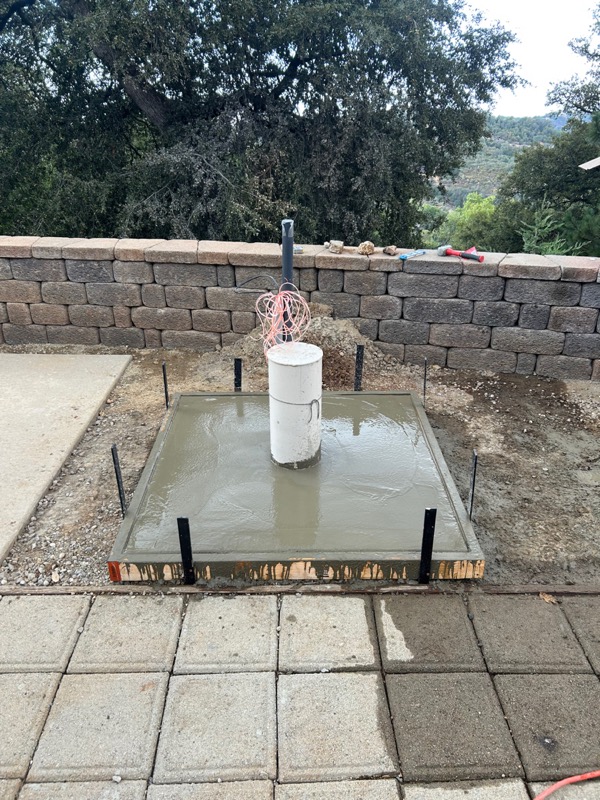
Growing citrus in San Jacinto? Reliable well water is essential for healthy trees and good fruit production. Southern California Well Service supports Riverside County citrus operations with complete well and irrigation services.
📋 In This Guide
- Citrus Water Requirements
- Grove Well Systems
- Water Quality for Citrus
- Supporting San Jacinto Citrus Growers
- Related Articles
Citrus Water Requirements
Citrus trees need consistent water for optimal production:
- Young trees: 10-20 gallons per week
- Mature trees: 50-75 gallons per week in summer
- Per acre: Approximately 3-4 acre-feet annually
That translates to serious well capacity requirements for commercial groves.
Grove Well Systems
- Agricultural wells: High-capacity for irrigation demand
- Drip irrigation: Efficient water delivery to root zones
- Micro-sprinklers: Coverage with minimal waste
- Filtration: Keep drip emitters clean
- Automation: Timed irrigation cycles
Water Quality for Citrus
Citrus is sensitive to water quality issues:
- Salinity: High salt damages trees over time
- Boron: Toxic to citrus at moderate levels
- Chloride: Causes leaf burn
We can test your well water and recommend treatment if needed.
Supporting San Jacinto Citrus Growers
From small backyard groves to commercial operations, we provide the water systems citrus trees need to thrive in Riverside County.
Need Help With Your Well in San Jacinto?
Our expert technicians serve San Jacinto and all of Riverside County with professional well services.
Related Articles
Continue learning about well maintenance and troubleshooting

Signs Your Well Pump Is Failing
Catch pump problems early before you lose water completely.
Low Water Pressure From Well
Diagnose and fix pressure problems before they get worse.
Well Maintenance Guide
Keep your well running smoothly with regular maintenance.
Our Locations
1077 Main St, Ramona, CA 92065
57174 CA-371 (US Hwy 79), Anza, CA 92539
Citrus Grove Well Services in San Jacinto, Riverside County
San Jacinto lies in the heart of the San Jacinto Valley, a broad agricultural plain in central Riverside County framed by the San Jacinto Mountains to the east and stitched together by the San Jacinto River. This is genuine farm country. Long before the valley became a growing residential community, its deep alluvial soils and warm growing season made it productive ground for field crops, orchards, and citrus alike. Today, working groves and rural parcels around San Jacinto, neighboring Hemet, and the Soboba area still rely on private agricultural wells to keep oranges, lemons, grapefruit, and mandarins watered through the long dry season. Southern California Well Service, a licensed C-57 contractor with more than 30 years of experience and a 4.9-star track record, drills, equips, and services those wells.
The valley's setting is part of what makes it good citrus ground and part of what makes well work here specialized. Water that flows off the San Jacinto Mountains has, over millennia, built thick alluvial deposits across the valley floor, and groundwater stored in those sediments is the backbone of local irrigation. Tapping it reliably, and keeping that supply clean and consistent, is the job we do for San Jacinto growers every season.
Understanding a Citrus Grove's Water Demand
Citrus is a high-water-use perennial crop, and the warm San Jacinto Valley climate only raises the bar. A practical planning figure for mature, bearing citrus is about 3.5 to 4.5 acre-feet per acre per year. With an acre-foot equal to roughly 326,000 gallons, a single irrigated acre may need well over a million gallons across a season, and a commercial block multiplies that quickly. There is little margin for a well that cannot keep up, because citrus that is water-stressed during bloom, fruit set, or the summer sizing period sheds fruit and loses quality.
In flow terms, San Jacinto groves are commonly served by wells delivering anywhere from 50 GPM up into the hundreds of gallons per minute, depending on acreage and irrigation scheduling. We don't guess at this. We look at your grove size, your delivery system, and your storage before recommending a yield target and pump.
The Frost Protection Spike
Valley-floor groves are exposed to cold-air drainage on clear winter nights, and frost protection is a real consideration in the San Jacinto Valley. Sprinkler frost protection demands a tremendous instantaneous flow, on the order of 50 or more GPM per acre running continuously through the coldest hours. A system designed only for an average summer day will fall far short on a freeze night. We design pumping and storage around that worst-case peak so the trees are protected when it counts.
Matching Well, Pump, and Storage
A dependable citrus irrigation supply is a balanced system of three components.
- Well yield: In the valley's alluvial sediments, a properly constructed and developed well can be highly productive, but yield, drawdown, and recovery still need to be measured so the equipment matches reality.
- High-capacity pumps: Citrus irrigation typically calls for a high-capacity submersible pump or a vertical turbine pump, sized to the well's sustainable output and the pressure your drip or micro-sprinkler system needs.
- Storage ponds and tanks: Storage decouples a steady well from spiky demand. A lined pond or tank bank fills continuously while irrigation and frost pumps draw on the reservoir for short, heavy peaks, and it provides a cushion if the pump ever needs service mid-season.
The art is in the balance. We size the well, pump, and storage as one system so trees never go short in August and so a January frost event is fully covered.
Water Quality and Citrus in the San Jacinto Valley
Citrus is one of the more salt-sensitive tree crops, and valley groundwater can carry dissolved salts that injure a grove slowly. Three things deserve close attention.
- Salinity (EC): Elevated total salts reduce water uptake and depress yield over time. Because citrus tolerance is limited, we recommend testing electrical conductivity (EC) before relying on a water source.
- Chloride: Citrus readily accumulates chloride in its foliage, producing characteristic leaf-tip burn. Keeping chloride in check, through source water management and rootstock selection, protects tree health.
- Boron: Boron becomes toxic to citrus at very low concentrations, frequently cited around the 0.5 to 1 ppm range, so it is a priority item on any irrigation water test.
We sample, interpret results against citrus tolerances, and recommend treatment, blending, or rootstock-aware approaches when the numbers warrant.
Drought and the Groundwater Basin
Groundwater in the San Jacinto Valley is a shared, finite resource, and Southern California's drought cycles draw it down. During dry years, water levels can fall, pumping lifts increase, and marginal wells lose capacity. California's Sustainable Groundwater Management Act (SGMA) has brought added focus to long-term basin sustainability across the region, which means efficiency now sits alongside capacity as a grower priority. Efficient drip and micro-sprinkler systems, soil-moisture-based scheduling, and properly sized pumping help San Jacinto growers stretch every acre-foot, protecting both the bottom line and the basin.
Common Citrus Well Problems in the Valley
- Gradual yield decline as a well ages or its screen and casing accumulate mineral encrustation or fine sediment.
- Pump and motor failures driven by sand, sediment, or the demanding duty cycle of irrigation pumping.
- Pressure and flow loss in drip and micro-sprinkler systems, often from clogged emitters, failing filtration, or a mismatched pump.
- Rising salinity or chloride during extended dry periods.
- Inadequate frost capacity when an older system cannot supply the peak flow a freeze night requires.
Maintenance for a Long-Lived System
Citrus wells perform best with steady, preventive care. We recommend periodic performance testing to track yield and drawdown, routine pump and motor inspection, monitoring of pressure and flow at the irrigation head, and clean filtration to keep emitters open. Seasonal water testing flags salinity or chloride drift before it shows on the leaves. Replacing a worn pump on your schedule is far less costly than an emergency call during peak summer demand or a frost event.
When to Bring in a Professional
Reach out when output drops, energy use climbs without extra runtime, you see sand or air in the discharge, pressure sags across the grove, or the system simply cannot meet summer or frost demand. A licensed C-57 contractor diagnoses the real cause and fixes it correctly the first time. Our diagnostic visit is $125, credited toward any work performed.
Citrus Well Cost Ranges
- New agricultural well, turnkey: about $25,000 to $60,000 or more depending on depth, casing, and equipment.
- High-capacity irrigation pump: roughly $3,000 to $8,000 by type and horsepower.
- Hydrofracturing to improve a marginal well: about $3,000 to $8,000.
- Diagnostic visit: $125, credited toward the resulting work.
Serving San Jacinto and Nearby Communities
From our Ramona and Anza offices, Southern California Well Service serves citrus growers throughout San Jacinto and the surrounding San Jacinto Valley, including Hemet, East Hemet, Valle Vista, the Soboba area, Nuevo, Winchester, and the rural lands along the San Jacinto River. We work across San Diego, Riverside, and San Bernardino counties. Call (760) 440-8520 or text (760) 219-5877 to get started.
Frequently Asked Questions
What well yield does a San Jacinto citrus grove need?
It varies with acreage and irrigation method, but groves commonly run on wells producing 50 GPM up into the hundreds of GPM. Frost protection can demand 50 or more GPM per acre, so the system is sized to the peak, not the average.
How much water does mature citrus use annually?
Roughly 3.5 to 4.5 acre-feet per acre per year for healthy bearing citrus in the warm San Jacinto Valley, with the high end during hot, dry summers.
Is the San Jacinto Valley good ground for a citrus well?
Generally yes. The valley's thick alluvial deposits store substantial groundwater, though yield and water quality vary by site, so we always test before recommending equipment.
What water quality issues threaten citrus here?
Salinity, chloride, and boron. Citrus is salt-sensitive, chloride causes leaf burn, and boron is toxic at low levels (often cited around 0.5 to 1 ppm). A water test identifies problems early.
What does a new agricultural citrus well cost?
A turnkey agricultural well generally runs about $25,000 to $60,000 or more depending on depth and equipment, with high-capacity pumps around $3,000 to $8,000 and hydrofracturing about $3,000 to $8,000.
Do you handle frost protection systems?
Yes. We size wells, pumps, and storage so your grove can meet the large instantaneous flow that sprinkler frost protection requires on cold valley nights.
Schedule Your San Jacinto Citrus Well Assessment
From planting a new block to reviving an aging well or building a system that survives both summer heat and winter frost, Southern California Well Service is ready to help. Call (760) 440-8520 or text (760) 219-5877. The $125 diagnostic is credited toward your project.