
Well Services for San Marcos Citrus Groves
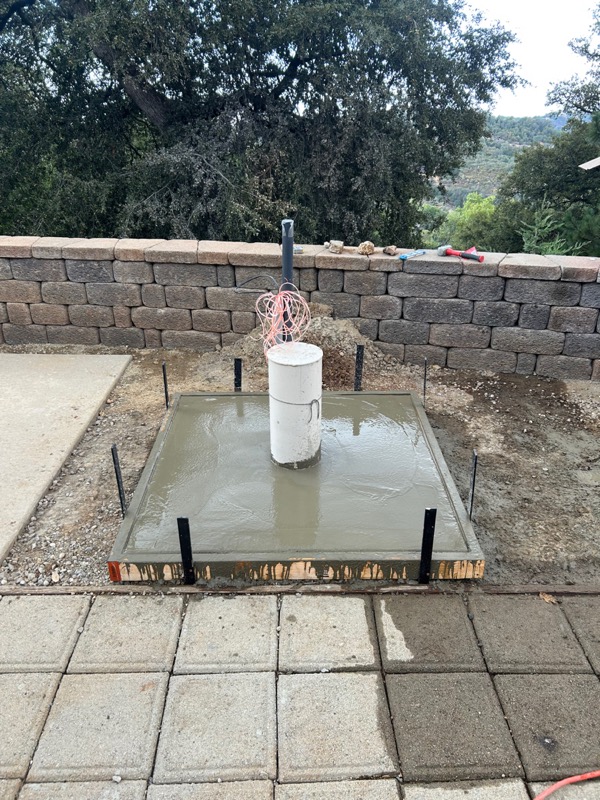
Growing citrus in San Marcos? Reliable well water is essential for healthy trees and good fruit production. Southern California Well Service supports San Diego County citrus operations with complete well and irrigation services.
📋 In This Guide
Citrus Water Requirements
Citrus trees need consistent water for optimal production:
- Young trees: 10-20 gallons per week
- Mature trees: 50-75 gallons per week in summer
- Per acre: Approximately 3-4 acre-feet annually
That translates to serious well capacity requirements for commercial groves.
Grove Well Systems
- Agricultural wells: High-capacity for irrigation demand
- Drip irrigation: Efficient water delivery to root zones
- Micro-sprinklers: Coverage with minimal waste
- Filtration: Keep drip emitters clean
- Automation: Timed irrigation cycles
Water Quality for Citrus
Citrus is sensitive to water quality issues:
- Salinity: High salt damages trees over time
- Boron: Toxic to citrus at moderate levels
- Chloride: Causes leaf burn
We can test your well water and recommend treatment if needed.
Supporting San Marcos Citrus Growers
From small backyard groves to commercial operations, we provide the water systems citrus trees need to thrive in San Diego County.
Need Help With Your Well in San Marcos?
Our expert technicians serve San Marcos and all of San Diego County with professional well services.
Related Articles
Continue learning about well maintenance and troubleshooting

Signs Your Well Pump Is Failing
Catch pump problems early before you lose water completely.
Low Water Pressure From Well
Diagnose and fix pressure problems before they get worse.

Well Maintenance Guide
Keep your well running smoothly with regular maintenance.
Our Locations
1077 Main St, Ramona, CA 92065
57174 CA-371 (US Hwy 79), Anza, CA 92539
Agricultural Well Service for San Marcos Citrus Growers
San Marcos sits in the rolling hills of San Diego County's North County, where a long agricultural tradition of citrus and avocado groves shares the landscape with newer development. The warm, dry inland climate is well suited to oranges, lemons, and mandarins, and many groves on the city's rural edges and in the surrounding hills still rely on private wells rather than municipal water.
Southern California Well Service has spent more than thirty years drilling, equipping, and maintaining agricultural wells across San Diego County. As a licensed C-57 water well drilling contractor, we drill and service the high-capacity wells that local citrus depends on, and we know the area's terrain and groundwater far better than any out-of-area outfit.
How Much Water a San Marcos Citrus Grove Needs
Citrus is a thirsty, year-round crop. In San Marcos's summer heat a mature orange or lemon tree can transpire 50 to 75 gallons a week, and a full acre of bearing citrus commonly needs three to four acre-feet of water annually — roughly a million gallons per acre per year. For a 10-acre grove that means a sustained 25 to 40 GPM through the irrigation season, with larger commercial blocks needing 50 GPM or more.
Because citrus never fully goes dormant in this climate, water can't simply be shut off in winter. Trees need steady moisture at bloom and fruit set in spring, heavy supply through summer, and protection from stress in fall. We always size a well to peak summer demand, not the comfortable average — a well that keeps up in April but draws down in August is not sized for a working grove.
Sizing and Designing a High-Capacity Citrus Well
A sound agricultural well balances four things: depth to a dependable water-bearing zone, the sustainable yield of that zone, a pump and motor matched to your target GPM and pressure, and storage that buffers the trees against pump cycling. Around San Marcos, shallower wells tap alluvial pockets near drainages while deeper wells penetrate the decomposed and fractured granite of the Peninsular Ranges batholith to reach reliable water; San Diego County wells average roughly 450 feet, and many agricultural wells run 400 to 600 feet.
We recommend a test hole and a step-drawdown pumping test before selecting the pump, matching a submersible turbine pump to the well's true sustainable yield without over-pumping and prematurely dropping the water column. For grove irrigation we typically feed a storage tank and booster system into drip lines or micro-sprinklers — the most efficient way to water citrus root zones and the easiest to filter and automate.
Water Quality Matters — Citrus Is Sensitive
Citrus is among the more salt-sensitive tree crops, so three water-quality factors deserve attention in any San Marcos well:
- Salinity (TDS): Salts accumulate in the root zone and erode yield over time.
- Boron: Toxic to citrus even at moderate levels — classic leaf-tip burn.
- Chloride: Causes leaf scorch and lowers fruit quality.
Mineral-rich groundwater can also leave hard-water scale that clogs drip emitters and shortens pump life. We test your well water and design filtration or blending that protects both your trees and your hardware.
Drought, Groundwater, and Long-Term Reliability
San Diego County has weathered repeated multi-year droughts, and each dry stretch lowers regional water tables. A well drilled to yesterday's level can struggle tomorrow, so we build in margin — setting the pump deep enough to ride out seasonal and drought drawdown, and adding storage so the well recharges between sets instead of running continuously at the edge of capacity. Combined with efficient delivery and a soil-moisture-based schedule, that approach protects both tree health and the long-term sustainability of your groundwater.
From Backyard Trees to Working Groves
San Marcos citrus ranges from a few heritage trees on a homestead to multi-acre commercial blocks, and each scale needs its own design. A small grove may thrive on a modest pump and a simple drip schedule, while a commercial operation needs a robust high-capacity well, ample storage, and automated zones that irrigate overnight when evaporation is lowest. Efficient scheduling matters as much as raw capacity: watering deeply and less often drives roots deeper and builds heat tolerance, while shallow daily watering wastes water and invites root disease. We design to the grove in front of us, matching pump, tank, filtration, and controls to your trees and to the water your site can sustainably yield.
Common Problems, Maintenance, and When to Call a Pro
After decades of service in San Diego County, the issues we see most around San Marcos are predictable: pump failures from hard-water mineral buildup, pressure-tank trouble, declining yield as drought drops the water table, iron staining or sulfur odor, and electrical faults from rural power swings. Routine care extends a well's life dramatically — an annual check of pump performance, pressure settings, and amperage draw; periodic water testing; and quick attention to any drop in flow, usually the first warning of a failing pump or fouled screen. When yield falls from mineral encrustation or a tightening formation, hydrofracturing — injecting high-pressure water to reopen fractures around the borehole — can restore production for a fraction of a new well's cost. Call us when flow or pressure declines, emitters spit air, power bills climb without more run time, water turns cloudy, or the pump short-cycles — and call before you plant a new grove, when correct siting and sizing pay off most. Our diagnostic visit is $125, credited toward any work we perform.
What Citrus Well Work Costs
- New agricultural well (turnkey): $25,000 to $60,000+ by depth, casing, and pump.
- Pump replacement or upgrade: $3,000 to $8,000.
- Hydrofracturing to boost yield: $3,000 to $8,000.
- Diagnostic visit: $125, credited toward the job.
Serving San Marcos and the Surrounding Area
From our Ramona and Anza offices we serve San Marcos and nearby Escondido, Vista, Twin Oaks Valley, and the rural groves toward Lake San Marcos. Whether you tend a few backyard citrus trees or run a working commercial grove, our crews bring local knowledge and full-service capability, backed by a 4.9-star reputation for honest assessments and work done right the first time.
Protect Your San Marcos Citrus Grove With a Reliable Well
Southern California Well Service has drilled, equipped, and maintained agricultural wells across the region for 30+ years. C-57 licensed, 4.9 stars, and ready to help.
Frequently Asked Questions
How many GPM does a San Marcos citrus grove well need?
A 10-acre grove typically needs a sustained 25 to 40 GPM through the irrigation season, and larger commercial blocks often require 50 GPM or more. We size pumps to peak summer demand so your trees never fall behind in the heat.
How deep are agricultural wells around San Marcos?
San Diego County wells average roughly 450 feet, and many agricultural wells run 400 to 600 feet. Shallower wells tap alluvial pockets, while deeper wells reach the fractured granite of the Peninsular Ranges. A test hole confirms the right depth for your site.
Can well water damage citrus trees?
Yes. Citrus is salt-sensitive, and high salinity, boron, or chloride can cause leaf burn, stunting, and reduced yield. We test your water and can recommend filtration or blending to protect the trees.
My grove well's output dropped — do I need a new well?
Often not. Declining yield is frequently caused by a worn pump, fouled screen, or mineral encrustation. Hydrofracturing can restore production for $3,000 to $8,000, far less than a new well. A diagnostic visit finds the real cause first.
What does a new agricultural well cost near San Marcos?
A turnkey agricultural well generally runs $25,000 to $60,000 or more depending on depth, casing, and pump. Pump replacements run $3,000 to $8,000, and our $125 diagnostic fee is credited toward any work.
Do you offer emergency service if my grove loses water?
Yes. Same-day emergency response is available because heat-stressed citrus can't wait. Call (760) 440-8520 or text (760) 219-5877.