
Cloudy or Milky Well Water in Lenwood
Noticing cloudy, milky, or white-colored water from your Lenwood well? This issue has several possible causes—some harmless, others requiring attention.
📋 In This Guide
Causes of Cloudy Well Water
- Air Bubbles: Tiny air bubbles (harmless, clears in minutes)
- Hard Water: High mineral content causing cloudiness
- Methane Gas: Natural gas dissolved in groundwater
- Bacteria: Bacterial growth in well or pipes
- TSS (Total Suspended Solids): Fine particles in water
The Glass Test
Fill a clear glass with water and let it sit:
- Clears from bottom up: Likely air bubbles (harmless)
- Clears from top down: Sediment settling (filtration needed)
- Stays cloudy: Dissolved minerals or bacteria (testing needed)
Treatment Options
- Aeration System: Removes dissolved gases
- Sediment Filtration: Removes suspended particles
- Water Softener: Reduces mineral hardness
- UV Disinfection: Kills bacteria without chemicals
- Shock Chlorination: One-time bacteria treatment
When to Be Concerned
While air bubbles are harmless, persistent cloudiness warrants investigation. Bacterial contamination or methane require professional attention for your family's safety.
Need Help With Your Well in Lenwood?
Our expert technicians serve Lenwood and all of San Bernardino County with professional well services.
Related Articles
Continue learning about well maintenance and troubleshooting
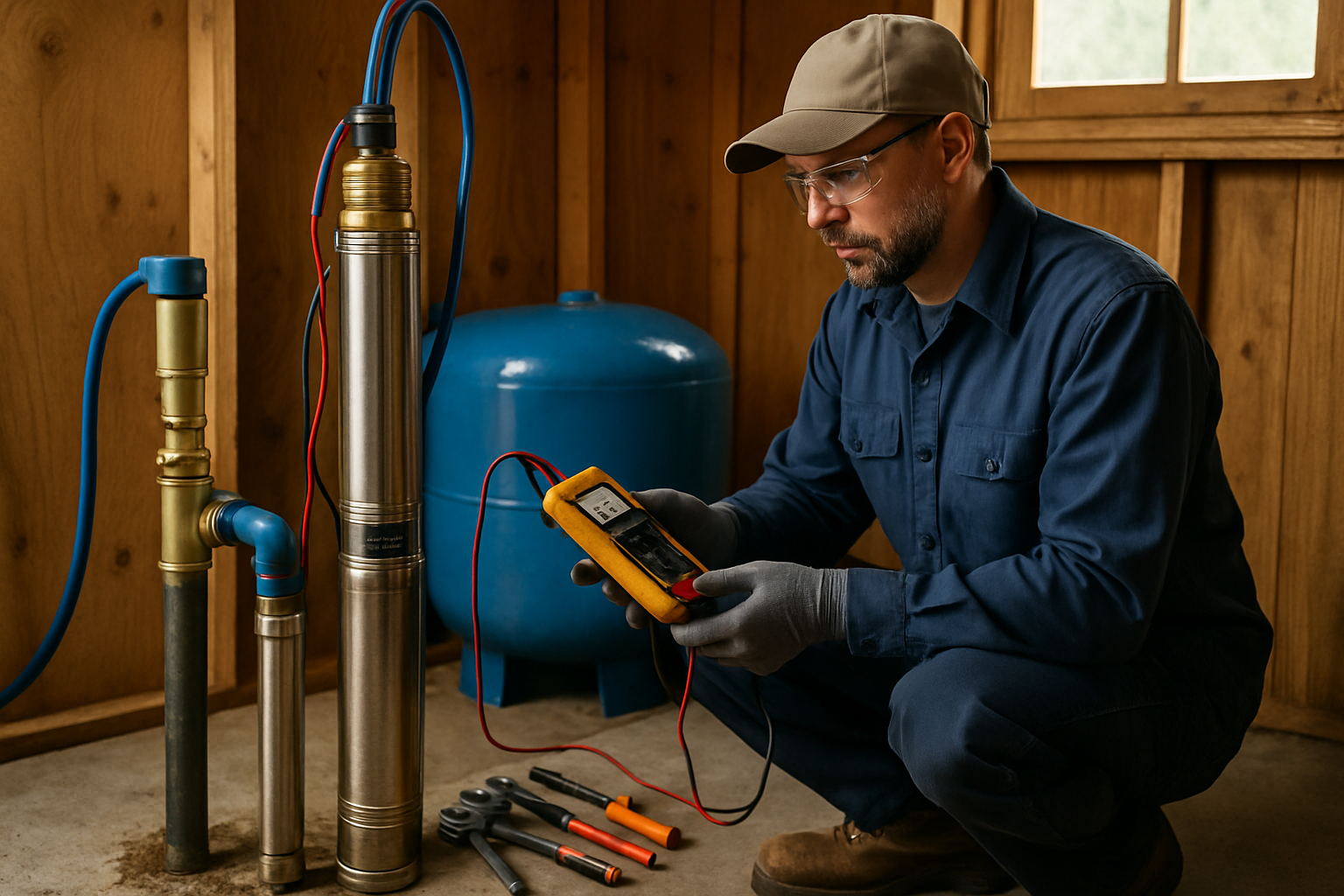
Signs Your Well Pump Is Failing
Catch pump problems early before you lose water completely.
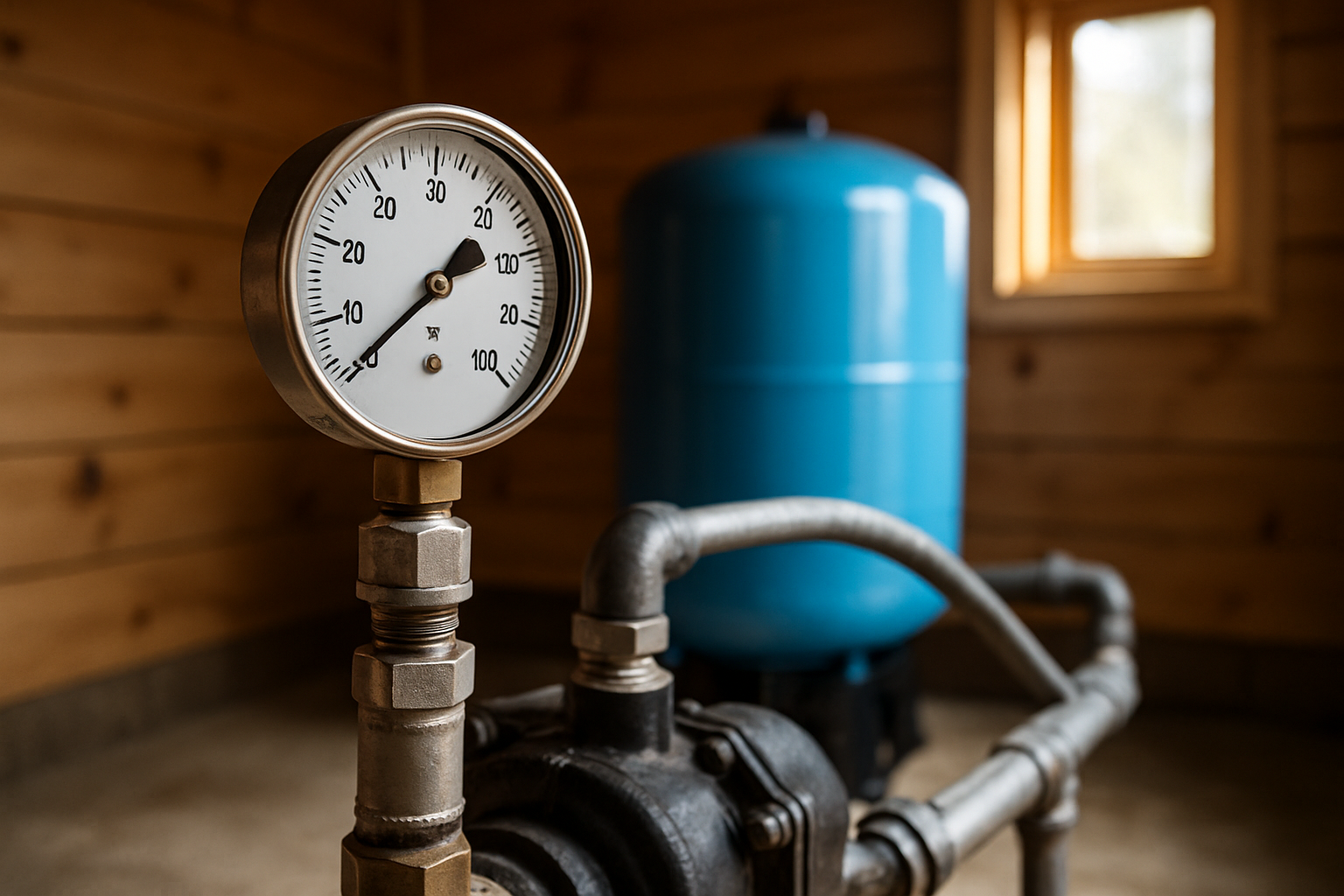
Low Water Pressure From Well
Diagnose and fix pressure problems before they get worse.
Well Maintenance Guide
Keep your well running smoothly with regular maintenance.
Our Locations
1077 Main St, Ramona, CA 92065
57174 US Highway 79, Anza, CA 92539
Cloudy Well Water in Lenwood: Understanding the Geology
Lenwood sits in the Mojave Desert between Barstow and Victorville, where aquifer conditions differ dramatically from coastal Southern California. The local geology consists of alluvial basin deposits overlying fractured Quaternary sediments, with groundwater stored in porous sand, gravel, and fractured rock.
The Mojave River aquifer system — the primary water source for Lenwood wells — presents unique challenges. High total dissolved solids (TDS), naturally occurring minerals, and seasonal water table fluctuations all contribute to water quality issues, especially cloudy or milky water.
Why Lenwood Wells Are Prone to Cloudy Water
- High TDS: Mojave Desert aquifers average 400-800 ppm TDS (coastal California: 200-400 ppm)
- Calcium Carbonate: Limestone-rich geology creates high hardness (300-500 ppm common)
- Fine Sediment: Windblown dust and alluvial silt infiltrate wells over time
- Temperature Swings: Desert heat accelerates mineral precipitation and gas release
- Seasonal Recharge: Mojave River flows episodically, stirring up sediment in aquifer
Diagnosing Cloudy Water: Step-by-Step Guide
Not all cloudy water is the same. Proper diagnosis saves money and prevents unnecessary treatment systems. Follow these steps:
Step 1: The Glass Test
Fill a clean glass with cold water from a faucet closest to your well (not filtered). Let it sit for 5-10 minutes on a counter under good lighting.
- Clears from bottom up: Air bubbles (common in Lenwood's deep wells, 300-600+ feet)
- Clears from top down: Sediment settling — sand, silt, or minerals
- Stays uniformly cloudy: Dissolved minerals (hardness) or bacteria
- White streaks that settle: Calcium carbonate precipitation
- Brownish tint with cloudiness: Iron or manganese
Step 2: Temperature Test
Run hot water only from a faucet. Is the cloudiness worse from the hot side?
- Hot water cloudy, cold clear: Heater anode rod reaction or mineral precipitation from heating
- Both cloudy: Well-side issue (not heater-related)
Step 3: System-Wide Check
Test water at multiple fixtures:
- One fixture only: Faucet aerator clogged or pipe issue
- All fixtures: Well, pump, or pressure tank issue
- After softener only: Softener regeneration issue or resin bed failure
Step 4: Smell Test
- Rotten egg smell: Hydrogen sulfide gas (bacteria or geology)
- Musty or earthy: Organic matter or bacteria in well
- No smell: Likely minerals or air (not bacteria)
Step 5: Lab Test (When Needed)
If cloudiness persists after ruling out air bubbles, get a water test. Lenwood's high-mineral water requires specific tests:
- Basic mineral panel: Hardness, TDS, pH, iron, manganese ($50-80)
- Bacteria test: Total coliform, E. coli ($40-60)
- Full analysis: Includes sulfates, chlorides, nitrates ($120-180)
Local lab recommendation: San Bernardino County Public Health or Barstow-area certified labs can test within 3-5 days.
Common Causes of Cloudy Water in Lenwood Wells
1. Air Bubbles (Entrainment)
How it happens: Deep wells (Lenwood averages 400-600 feet) create high suction that can pull air into the pump intake. Pressure changes at the tank release trapped air as micro-bubbles, giving water a milky appearance.
Signs: Clears quickly (1-3 minutes), worse when system first turns on, sputtering faucets.
Causes in Lenwood:
- Dropping water table (drought stress in Mojave aquifer)
- Pump set too shallow (should be 50+ feet below static level)
- Cracked well casing allowing air intrusion
- Leaking check valve at pump
Fix: Lower pump depth ($800-1,500 labor + equipment), replace check valve ($300-600), or install air release valve on pressure tank ($150-300).
2. Calcium Carbonate (Hard Water)
How it happens: Lenwood's limestone-rich aquifer produces very hard water (300-500 ppm calcium carbonate). When pressure drops at faucets or water heats, calcium precipitates as fine white particles.
Signs: White cloudiness that settles, white scale on fixtures, soap doesn't lather well.
Fix: Water softener — removes calcium/magnesium. Costs:
- Basic salt softener: $1,200-2,000 installed (Rheem, GE, Whirlpool)
- High-efficiency softener: $2,500-4,000 (Kinetico, Culligan, EcoWater)
- Salt-free conditioner: $1,500-3,000 (doesn't remove hardness, just prevents scale)
Operating cost: $10-20/month for salt, $30-60/year maintenance.
3. Sediment (Silt, Sand, Clay)
How it happens: Mojave Desert winds deposit fine dust that infiltrates wells through vents or damaged casings. Alluvial aquifers naturally contain silt. Pump intake positioned too low can pull sand from formation.
Signs: Cloudiness settles in minutes (leaves grit at bottom), worse after heavy winds, sediment in toilet tanks, shortened water heater life.
Fix: Sediment filtration system. Options:
- Spin-down filter (50-100 micron): $150-300, good for coarse sand, easy maintenance
- Bag/cartridge filter (5-50 micron): $300-600, finer filtration, replace cartridges quarterly ($40-80/year)
- Whole-house multi-stage: $1,200-2,500 (sediment + carbon + polishing), best for severe cases
Prevention: Install well cap, seal annular space, video inspection every 5-10 years ($400-700).
4. Methane Gas
How it happens: Organic-rich sediments in the Mojave aquifer produce methane through anaerobic decomposition. Gas dissolves in groundwater under pressure, then releases as micro-bubbles when pressure drops.
Signs: Milky water that clears slowly, small bubbles, flammable gas smell (rare but possible), sputtering faucets.
Safety note: High methane levels (>10 mg/L) can accumulate in enclosed spaces — get it tested immediately.
Fix: Aeration system vents gas before pressure tank:
- Spray aerator: $2,500-4,500 (sprays water into vented tank)
- Packed tower aerator: $4,000-7,000 (forces air through water column)
- Bubble aerator: $3,000-5,500 (air compressor bubbles through tank)
Operating cost: $5-15/month electricity for blower/pump.
5. Iron Bacteria
How it happens: Naturally occurring bacteria oxidize dissolved iron, forming rust-colored slime that shears off as cloudy particles. Common in Lenwood's iron-rich geology (0.5-3 ppm iron typical).
Signs: Rusty/brownish cloudiness, orange slime in toilet tanks, metallic taste, rotten egg smell (if sulfur bacteria also present).
Fix: Multi-step treatment:
- Shock chlorination: $400-800 (one-time, kills bacteria colony)
- Iron filter: $1,500-3,500 (removes iron before bacteria can grow)
- UV disinfection: $600-1,200 (prevents regrowth)
- Maintenance: Annual shock treatments ($200-400)
Brands for iron removal: Terminox, Matrixx, Katalox Light, Pro-OX.
Treatment Options: Which System is Right for You?
System Selection Guide
Choose based on your specific diagnosis:
| Problem | Solution | Cost Range | Maintenance |
|---|---|---|---|
| Air bubbles | Lower pump, air release valve | $300-1,500 | None |
| Hard water (calcium) | Water softener | $1,200-4,000 | Salt refills, annual cleaning |
| Sediment | Sediment filter (5-50 micron) | $300-2,500 | Quarterly filter changes |
| Methane gas | Aeration system | $2,500-7,000 | Annual tank cleaning |
| Iron bacteria | Shock chlor + iron filter + UV | $2,500-5,500 | Annual shock, UV bulb yearly |
Lenwood-Specific Considerations
- High TDS: If TDS exceeds 1,000 ppm, consider reverse osmosis for drinking water ($300-800 under-sink unit)
- Desert heat: UV systems need shaded installation (direct sun degrades bulbs faster)
- Power outages: Mojave region experiences wind-related outages — battery backup for UV ($200-400) prevents bacteria regrowth
- Dust: Outdoor equipment needs weatherproof enclosures or garage installation
Prevention & Maintenance for Lenwood Wells
Annual Inspection Checklist
- Check well cap seal (wind/sand can loosen it)
- Inspect pressure tank air charge (should match cut-in pressure minus 2 psi)
- Test water at tap for cloudiness, color, smell
- Flush sediment filters, check pressure drop across filter
- Clean aerator screens on faucets
- Test water heater anode rod (Mojave hard water corrodes them faster)
Quarterly Tasks
- Replace sediment filter cartridges (if applicable)
- Check softener salt level (refill when tank is 1/3 full)
- Inspect exposed plumbing for leaks or corrosion
5-Year Tasks
- Video inspection of well casing ($400-700)
- Lab test for bacteria, minerals, TDS ($100-180)
- Pump inspection (pull pump if efficiency drops or frequent cycling)
When to Call a Professional
Some cloudy water issues require expert diagnosis and equipment:
- Sudden change: Clear water → cloudy overnight suggests pump/casing damage
- Persistent cloudiness: Doesn't clear after 5 minutes, even in a glass
- Odor: Rotten egg, sewage, or chemical smells — test for bacteria/contamination immediately
- Health concerns: Stomach issues, skin irritation after water contact
- System failures: Pump cycling frequently, pressure fluctuations, no water
Why Choose Southern California Well Service for Lenwood?
Lenwood's desert aquifer conditions differ from coastal Southern California — you need a contractor who understands the Mojave system.
Our Lenwood Service Advantages
- Mojave expertise: We've drilled and serviced hundreds of wells in San Bernardino County desert communities
- Fast response: Emergency service from our Ramona and Anza offices, typically 2-4 hours to Lenwood
- Full diagnostic capability: Water testing, video inspection, pump diagnostics on-site
- Honest recommendations: We'll tell you if it's a $150 filter fix or a $3,000 system — no upselling
- Licensed C-57: State-licensed well drilling contractor (CSLB #1086994), not just a plumber
- Equipment stock: Pumps, tanks, filters in inventory for same-day repairs when possible
Frequently Asked Questions: Cloudy Water in Lenwood
Is cloudy well water safe to drink?
Air bubbles and calcium carbonate cloudiness are safe but unappealing. Bacteria, methane, or contamination require immediate testing and treatment. If cloudiness is sudden or accompanied by odor, don't drink until tested.
Why is my water only cloudy in the morning?
Overnight, water sits in pipes and pressure tank. Dissolved gases (like methane or air) build up and release as bubbles when you first turn on faucets. Temperature changes can also trigger mineral precipitation. If it clears after running water for 30-60 seconds, it's likely harmless gas release.
Will a sediment filter fix cloudy water?
Only if cloudiness is from suspended particles (sediment, sand, rust). If it's dissolved minerals (hardness) or gases (air, methane), a filter won't help. Do the glass test first — if cloudiness settles, a filter will work. If it stays uniformly cloudy, you need a softener or aeration system.
How much does a water softener cost for a Lenwood home?
Installed costs: $1,200-2,000 for basic systems (adequate for 3-4 people), $2,500-4,000 for high-efficiency units (better for Lenwood's very hard water). Operating costs: $10-20/month for salt, plus $50-100/year for resin cleaner and maintenance. Lifespan: 10-15 years with proper care.
Can I install treatment systems myself?
Simple sediment filters and under-sink RO units are DIY-friendly ($150-600 in parts). Softeners, aeration systems, and whole-house UV require plumbing skills, pressure calculations, and backflow prevention — incorrect installation voids warranties and can contaminate your well. Professional installation ($300-1,200 labor) ensures code compliance and proper function.
Why did my water suddenly turn cloudy after years of being clear?
Sudden changes indicate system problems:
- Pump failure: Worn impeller or intake screen damage pulls sediment
- Casing crack: Allows surface water or fine sediment intrusion
- Aquifer disturbance: Nearby drilling, earthquakes, or seasonal recharge can stir sediment
- Pressure tank bladder failure: Raw well water contacts tank interior, causing corrosion particles
Get a professional inspection within 1-2 weeks to prevent further damage.
Does Lenwood water require special treatment compared to other areas?
Yes — Lenwood's Mojave aquifer has higher TDS, hardness, and dissolved solids than coastal California. Standard softeners work harder (shorter resin life), sediment filters clog faster, and UV systems need more frequent bulb replacement due to mineral buildup. Choose systems rated for "very hard water" (400+ ppm hardness) with higher capacity.
How often should I test my well water in Lenwood?
Minimum: Every 3-5 years for bacteria and minerals. Recommended: Annual bacteria test ($40-60), full mineral panel every 3 years ($100-180). Test immediately if you notice changes in taste, smell, color, or cloudiness, or after well service/repairs.
Will a whole-house filter slow down my water pressure?
Poorly sized filters can reduce pressure by 5-15 psi. Proper installation uses:
- 1" or larger ports (not ¾") for main line filters
- Low-resistance media (carbon block causes more pressure drop than granular activated carbon)
- Regular maintenance (clogged filters drop pressure dramatically)
A correctly sized system loses only 2-5 psi — unnoticeable in daily use.
Can I use cloudy water for landscaping or livestock?
Air bubbles and mineral cloudiness are safe for irrigation and animals. Iron bacteria cloudiness won't harm plants but can stain drip systems and clog emitters. Methane cloudiness is safe outdoors (gas vents naturally). Sediment can clog irrigation — use a spin-down filter ($150-300) on landscape lines.