
Constant Pressure System Repair: Complete Troubleshooting Guide
For service — not just a guide — start at constant pressure well systems (VFD). Call (760) 440-8520 or text 760-219-5877.
📋 In This Guide
- Table of Contents
- Understanding Your Constant Pressure System
- Common Problems & Symptoms
- Reading VFD Error Codes
- Step-by-Step Troubleshooting
- DIY Fixes (Safe for Homeowners)
- When to Call a Professional
- Constant Pressure System Repair Costs
- Preventive Maintenance
- Frequently Asked Questions
- Need Constant Pressure System Repair?
- Related Articles
Constant pressure systems (also called variable frequency drive or VFD systems) provide steady, city-like water pressure by automatically adjusting pump speed. When they work, they're fantastic. When they fail, troubleshooting can be intimidating.
This guide walks you through common constant pressure system problems, what causes them, and how to fix them—whether DIY or with professional help.
Understanding Your Constant Pressure System
Before troubleshooting, it helps to understand the key components:
Key Components
- VFD Controller: The "brain" that varies pump speed. Usually a box mounted near your pressure tank. Common brands: Franklin SubDrive, Grundfos CU 301, Pentair Intellidrive.
- Pressure Transducer: A sensor that monitors water pressure and sends signals to the controller. Usually a small fitting screwed into the plumbing.
- Submersible Pump: A 3-wire pump in your well (2-wire pumps aren't compatible with most VFDs).
- Small Pressure Tank: A small buffer tank (1-5 gallons) that handles momentary pressure changes.
How It Works
- You turn on a faucet—pressure drops slightly
- Pressure transducer detects the drop
- VFD controller speeds up the pump to maintain setpoint
- When you close the faucet, pump slows down
- Result: steady pressure regardless of demand
Problems can occur at any point in this chain. The good news: most VFDs display error codes that tell you exactly what's wrong.
Common Problems & Symptoms
1. No Water at All
Possible causes:
- VFD fault preventing operation
- Power supply issue
- Pump failure
- Dry well condition
- Wiring problem
First check: Look at VFD display for error code. Check breaker.
2. Pressure Fluctuates (System Not Holding Steady)
Possible causes:
- Faulty pressure transducer
- Air in system
- Clogged or failing check valve
- Controller settings need adjustment
- Leak in system
First check: Bleed air from system. Check for visible leaks.
3. Pump Runs But Low Pressure
Possible causes:
- Well level dropping (low yield)
- Worn pump impellers
- Blocked intake screen
- Pressure setpoint too low
- Partially closed valve
First check: Check VFD display for pump speed. If maxed out, problem is with water supply or pump.
4. VFD Displays Fault Code
Possible causes: Varies by code—see error codes section below.
First check: Write down the exact code. Try power cycling (off for 30 seconds, then on).
5. Pump Short Cycling (Rapid On/Off)
Possible causes:
- Water leak in system
- Failed check valve
- Waterlogged pressure tank
- Controller parameters need adjustment
First check: Close main shutoff. If pump stops, there's a leak or failed check valve downstream.
6. System Works But VFD Makes Noise
Possible causes:
- Cooling fan issue
- Electrical noise (normal humming is okay)
- Loose mounting
First check: Some humming is normal. Grinding or clicking sounds need attention.
7. VFD Overheating/Shutting Down
Possible causes:
- Blocked ventilation
- High ambient temperature
- Overloaded system
- Cooling fan failure
First check: Ensure VFD has adequate airflow. Clean dust from vents.
Reading VFD Error Codes
Most VFD controllers display fault codes when problems occur. Here are common codes for popular brands:
Franklin SubDrive Error Codes
| Code | Meaning | Common Fix |
|---|---|---|
| E1 | Motor overload | Check for obstruction, worn pump, or wiring issue |
| E2 | Dry run (no water) | Check well level, foot valve, priming |
| E3 | Underload (no resistance) | Check for broken shaft, dropped pipe |
| E4 | High voltage | Check power supply, may need electrician |
| E5 | Low voltage | Check power supply, may need electrician |
| E6 | Over temperature | Improve ventilation, clean vents |
| E7 | Transducer fault | Check wiring, replace transducer |
Grundfos CU 301 Error Codes
| Code | Meaning | Common Fix |
|---|---|---|
| Fault 1 | Communication error | Check wiring between controller and motor |
| Fault 3 | Dry running | Check well level, refill if needed |
| Fault 6 | Low input power | Check voltage, may need electrician |
| Fault 7 | High input power | Check voltage, may need electrician |
| Fault 9 | Overtemperature | Improve ventilation |
Pro tip: Always write down the exact error code before calling for service. It saves time and helps with diagnosis.
Step-by-Step Troubleshooting
Step 1: Check for Error Codes
Look at your VFD display. If there's a fault code, that's your starting point. Write it down.
Step 2: Try a Power Reset
- Turn off power at the breaker
- Wait 30 seconds
- Turn power back on
- Watch the display as it restarts
Many transient faults clear with a reset. If the fault returns immediately, there's an underlying problem.
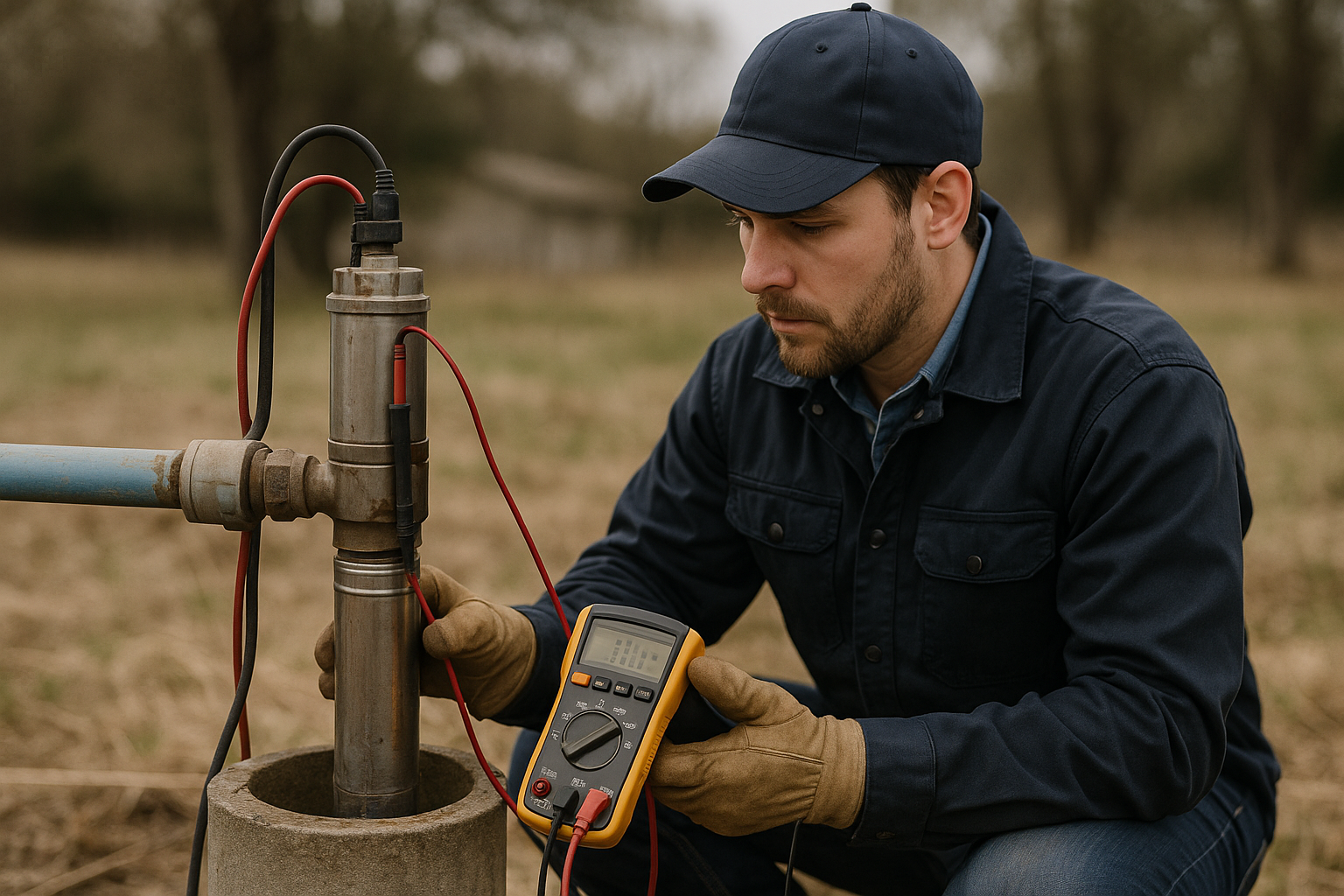
Step 3: Verify Power Supply
Check incoming voltage at the VFD (if you have a multimeter):
- Should be within 10% of rated voltage (typically 230V)
- Low voltage causes many problems
- Check all three legs if 3-phase
Step 4: Check Pressure Transducer
The pressure transducer is a common failure point:
- Check wiring connections (often corroded)
- Look for physical damage
- Test with a multimeter if possible (should show 4-20mA signal)
Step 5: Inspect for Leaks
Water leaks cause constant pressure systems to run erratically:
- Check visible plumbing for drips
- Listen for running water when everything is off
- Check toilet flappers (common culprit)
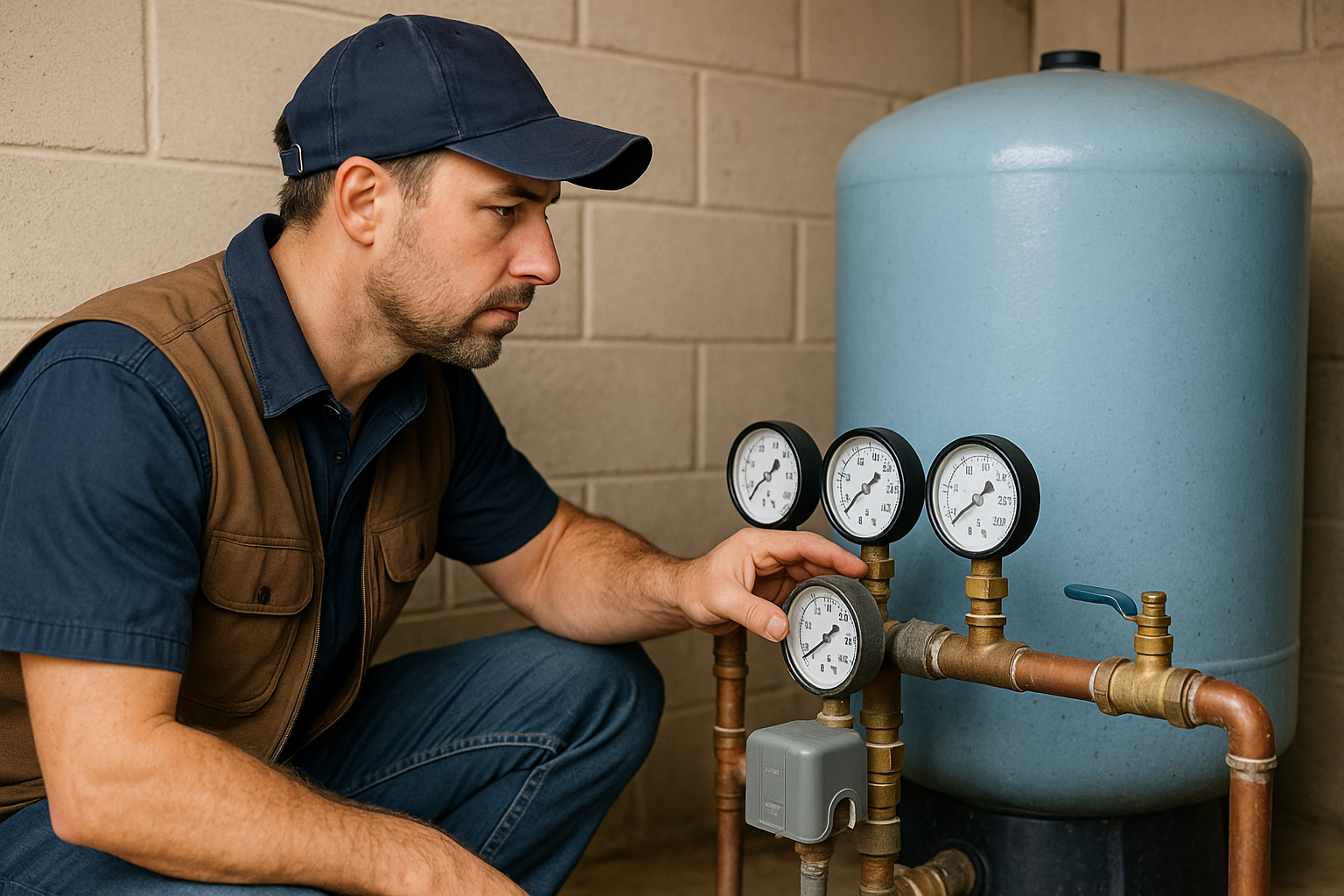
Step 6: Check the Pressure Tank
Even small tanks need proper air charge:
- Turn off power and drain pressure
- Check air pressure with tire gauge
- Should be 2 PSI below cut-in pressure
- If waterlogged (no air), tank bladder may have failed
Step 7: Assess Pump Operation
If the VFD seems fine but pump isn't working:
- Check amp draw at the VFD (if displayed)
- No amps = wiring problem or pump failure
- High amps = pump obstruction or worn bearings
- Low amps with no pressure = worn impellers or broken shaft
DIY Fixes (Safe for Homeowners)
Cleaning VFD Vents
Dust buildup causes overheating:
- Turn off power
- Use compressed air or soft brush
- Clean intake and exhaust vents
- Ensure adequate clearance around unit
Tightening Connections
Loose wiring connections cause intermittent faults:
- Turn off power
- Check all terminal screws in VFD
- Check transducer wiring connections
- Tighten any loose connections
Replacing Pressure Transducer
If transducer is confirmed bad:
- Order correct replacement (match brand/model)
- Turn off power and relieve pressure
- Unscrew old transducer, install new one
- Connect wiring exactly as before
- Test system
Cost: $50-$150 for the part.
Adjusting Setpoint
If pressure is wrong but system is working:
- Consult your VFD manual for adjustment procedure
- Most have simple up/down buttons
- Typical residential setpoint: 50-60 PSI
- Don't exceed pump's rated pressure
Bleeding Air from System
Air causes pressure fluctuations:
- Open highest faucet in house
- Let water run until sputtering stops
- Check pressure tank air charge
When to Call a Professional
Some repairs require professional expertise:
Call a Pro For:
- Pump replacement: Requires pulling pipe from well, special equipment
- VFD replacement or reprogramming: Requires electrical expertise
- Voltage/electrical problems: Safety hazard without proper training
- Recurring faults you can't diagnose: May indicate multiple issues
- Well problems: Low yield, collapsed casing, etc.
What to Tell the Technician
- Exact error codes displayed
- When problem started
- What you've already tried
- Brand and model of your VFD
- Any recent changes (power outage, lightning, etc.)
Constant Pressure System Repair Costs
| Repair Type | Parts | Labor | Total |
|---|---|---|---|
| Pressure transducer replacement | $50-$150 | $75-$150 | $125-$300 |
| VFD reprogramming/reset | $0 | $100-$200 | $100-$200 |
| Wiring repair/connections | $20-$100 | $100-$250 | $120-$350 |
| VFD controller replacement | $1,200-$2,500 | $200-$400 | $1,400-$2,900 |
| Submersible pump replacement | $400-$1,500 | $500-$1,500 | $900-$3,000 |
| Complete system overhaul | $2,000-$4,000 | $500-$1,000 | $2,500-$5,000 |
Service call fee: Most companies charge $75-$150 for the initial diagnostic visit, often applied to repair cost if you proceed.
Preventive Maintenance
Avoid problems with regular maintenance:
Monthly
- Check VFD display for warnings
- Listen for unusual noises
- Verify pressure is steady
Quarterly
- Clean VFD vents and cooling fins
- Check pressure tank air charge
- Inspect for leaks
Annually
- Professional inspection recommended
- Check amp draw at pump
- Test all safety functions
- Clean or replace inlet screen (if accessible)
Protection Tips
- Surge protection: VFDs are sensitive to power surges. Install whole-house surge protector.
- Backup power: Consider generator for extended outages.
- Ventilation: Don't enclose VFD in tight space without ventilation.
- Water quality: Treat for sediment/minerals that can damage pump.
Frequently Asked Questions
How long do VFD controllers last?
Quality VFDs (Franklin, Grundfos, Pentair) typically last 10-15+ years with proper maintenance. Cheap off-brand units may fail within 5 years.
Can power outages damage my constant pressure system?
Brief outages are usually fine. Repeated outages or power surges can damage electronics. A surge protector is good insurance.
Why does my system pressure spike when I first turn on water?
Small pressure spikes are normal as the system responds. Large spikes may indicate a failing pressure transducer or controller issue.
My VFD shows normal operation but I have low pressure. Why?
If VFD is running at max speed but pressure is low, the problem is likely: worn pump impellers, dropping well level, or a major leak.
Is it worth repairing an old VFD or should I replace it?
If the VFD is over 10 years old and needs significant repair, replacement often makes more sense. Newer units are more efficient and reliable.
Can I convert back to a standard pressure system?
Yes, but you'd need a larger pressure tank and different pump controls. Most people who've had constant pressure prefer to repair/replace rather than convert back.
Need Constant Pressure System Repair?
Our technicians specialize in VFD systems including Franklin SubDrive, Grundfos, and Pentair. We diagnose quickly and repair efficiently.
Serving San Diego, Riverside, and San Bernardino counties. Same-day emergency service available.
Related Articles
Continue learning about well maintenance and troubleshooting
Low Water Pressure From Well: Complete Fix Guide
Diagnose and solve low pressure problems
Well Pressure Switch: Settings, Adjustment & Replacement
Everything about pressure switches
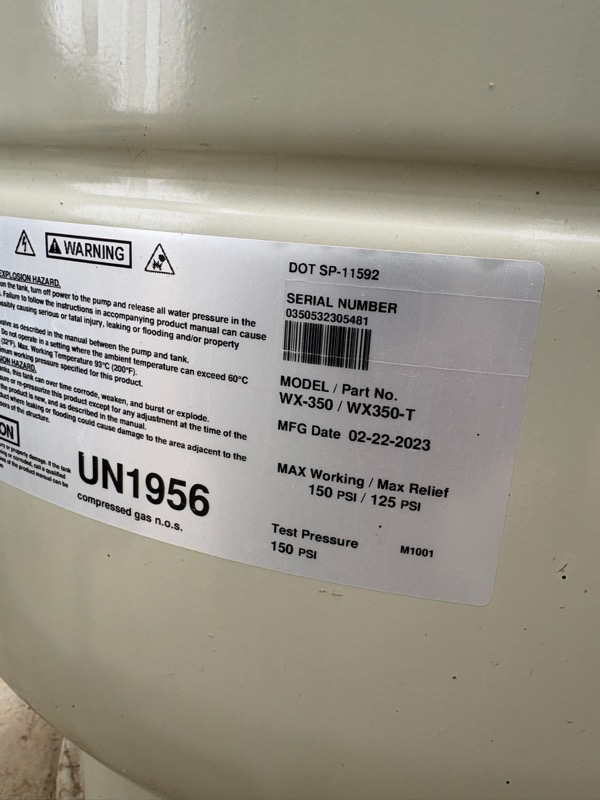
Pressure Tank Maintenance: Complete Guide
Keep your pressure tank working properly