Cost to Drill a 300-Foot Well in Southern California
When shallower water sources won't meet your needs, a 300-foot well provides access to deeper, more stable aquifers that can supply reliable water for decades. Drilling to this depth requires specialized equipment and expertise, which naturally affects the investment required. This guide provides a comprehensive breakdown of 300-foot well drilling costs in Southern California, helping you understand what to budget and what factors influence pricing.
📋 In This Guide
Average Cost for a 300-Foot Well
A 300-foot well in Southern California typically costs between $10,500 and $22,500 for drilling and basic completion, with most projects falling in the $14,000 to $18,000 range. This includes the drilling itself, casing materials, well screen, grout sealing, and surface completion. Your actual cost depends on several site-specific factors we'll explore below.
The per-foot cost for well drilling in our region ranges from $35 to $75, depending on conditions. At 300 feet, you're looking at $10,500 to $22,500 for drilling alone. While this is a significant investment, the deeper well accesses more reliable water sources and often provides better water quality than shallower alternatives.
Consider that fixed costs like mobilization, permits, and site work remain relatively constant regardless of depth. This means the incremental cost of drilling from 200 to 300 feet is primarily the additional drilling and casing—often making deeper wells a better long-term value.
Key Factors Affecting 300-Foot Well Costs
Subsurface Geology
At 300 feet, you'll encounter various geological formations that significantly impact drilling difficulty and cost. Southern California's complex geology includes everything from unconsolidated alluvial deposits to hard crystalline rock. The deeper you drill, the more likely you are to encounter challenging formations that require specialized techniques.
Drilling through hard rock like granite requires robust equipment and consumes more time than softer formations. If geological surveys or nearby well logs indicate hard rock at depth, budget for the higher end of the cost range. Conversely, if you're in an area with primarily sedimentary formations, costs may be lower.
Drilling Method and Equipment
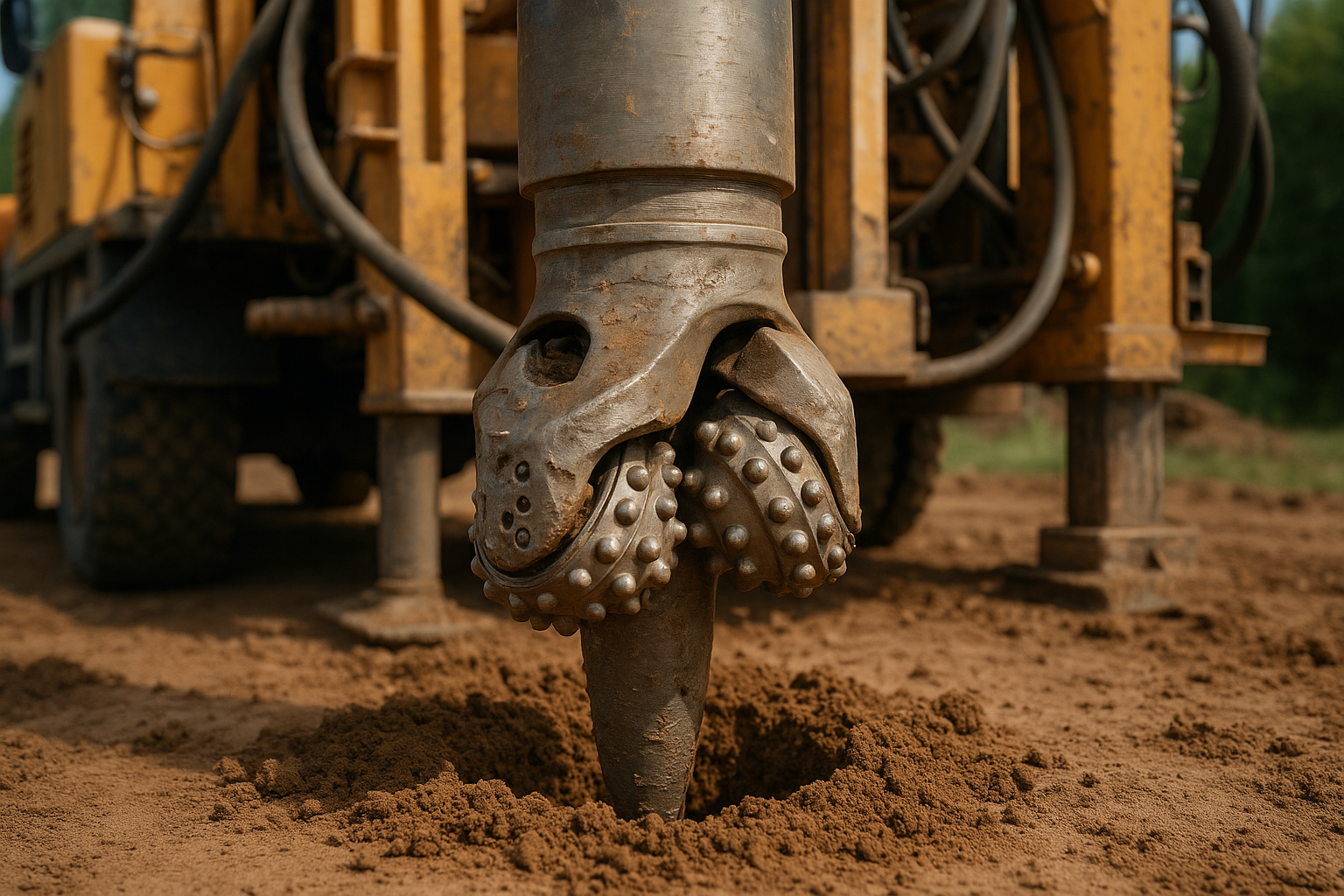
A 300-foot well requires medium to heavy-duty drilling equipment capable of reaching depth efficiently. Air rotary, mud rotary, and cable tool methods each have applications depending on conditions. Your contractor will select the appropriate method based on expected geology and efficiency considerations.
Larger, more capable rigs cost more to mobilize and operate, but they drill faster and handle challenging conditions better. The choice of drilling method affects both the cost and timeline of your project.
Casing Materials and Diameter
Three hundred feet of well casing represents a substantial material cost. Standard 4-inch PVC casing may suffice for residential uses, while 6-inch or larger steel casing is required for higher-demand applications or corrosive water conditions. At 300 feet, casing costs typically range from $2,500 to $6,000 or more.
The casing diameter also affects pump options. Larger casings accommodate higher-capacity submersible pumps, which may be important if your property has significant water demands. Your contractor will recommend appropriate casing based on your needs and conditions.
Location and Accessibility
Heavier drilling equipment requires better site access. If your well location is difficult to reach, requires road construction, or needs extensive site preparation, additional costs apply. Steep terrain, narrow access roads, or obstacles between the road and drilling site all add complexity and expense.
Permitting Requirements
Deep wells may face additional scrutiny from permitting agencies, particularly in areas with groundwater management programs. Permit costs typically range from $300 to $700, and some jurisdictions require hydrogeological reports for deeper wells, adding $500 to $2,000 or more to project costs.
Water Quality Considerations
Deeper aquifers sometimes contain naturally occurring minerals like iron, manganese, or arsenic at levels requiring treatment. While this doesn't affect drilling costs directly, it's an important consideration for your overall water system budget. Quality testing after drilling determines if treatment is needed.
What's Included in 300-Foot Well Drilling
Professional Site Evaluation
Before drilling a deep well, thorough site evaluation is essential. This includes reviewing geological data, examining nearby well logs, assessing access, and locating underground utilities. For a 300-foot investment, this preliminary work helps ensure the project proceeds smoothly.
Equipment Mobilization
Transporting a drilling rig capable of 300-foot depths requires significant logistics. The mobilization fee covers equipment transport, setup, and the drilling crew. This is typically a fixed cost regardless of the depth drilled.
Drilling to Depth
Drilling a 300-foot well typically takes three to six days, depending on conditions. The crew monitors progress continuously, noting geological changes and water-bearing zones encountered. Drilling fluid or air removes cuttings and maintains borehole stability throughout the process.
Casing Installation
Once target depth is reached, the well casing is installed from surface to the water-bearing zone. For deeper wells, casing installation requires careful handling and sometimes specialized equipment to manage the weight and length of the casing string.
Well Screen Placement
The well screen allows water to enter while excluding sediment. Screen selection is critical—the slot size and material must match the aquifer formation for optimal performance. Proper screen installation ensures long-term well productivity.
Annular Sealing
California requires proper sealing of the space between the casing and borehole to prevent contamination. For a 300-foot well, this involves significant quantities of cement grout or bentonite, properly placed to create an effective seal throughout the upper portion of the well.
Well Development
After construction, the well is developed to remove drilling fluids and fine particles, maximizing flow. Development techniques like surging, jetting, or air lifting clean the well and establish good communication between the aquifer and well screen.
Yield Testing
Basic yield testing determines the well's production capacity, informing pump selection and system design. For a 300-foot well, knowing the yield is essential for designing an appropriate pump system.
Surface Completion
A sanitary well cap, proper surface grading, and any required surface seals complete the installation. The wellhead area is finished to prevent contamination and provide access for pump installation and future maintenance.
Additional Costs to Budget
Deep Well Pump System
A 300-foot well requires a submersible pump rated for deep installation. These pumps and their installation typically cost $2,000 to $4,500, depending on capacity requirements. The pump must be properly sized for both the well's yield and your water demands.
Pressure System
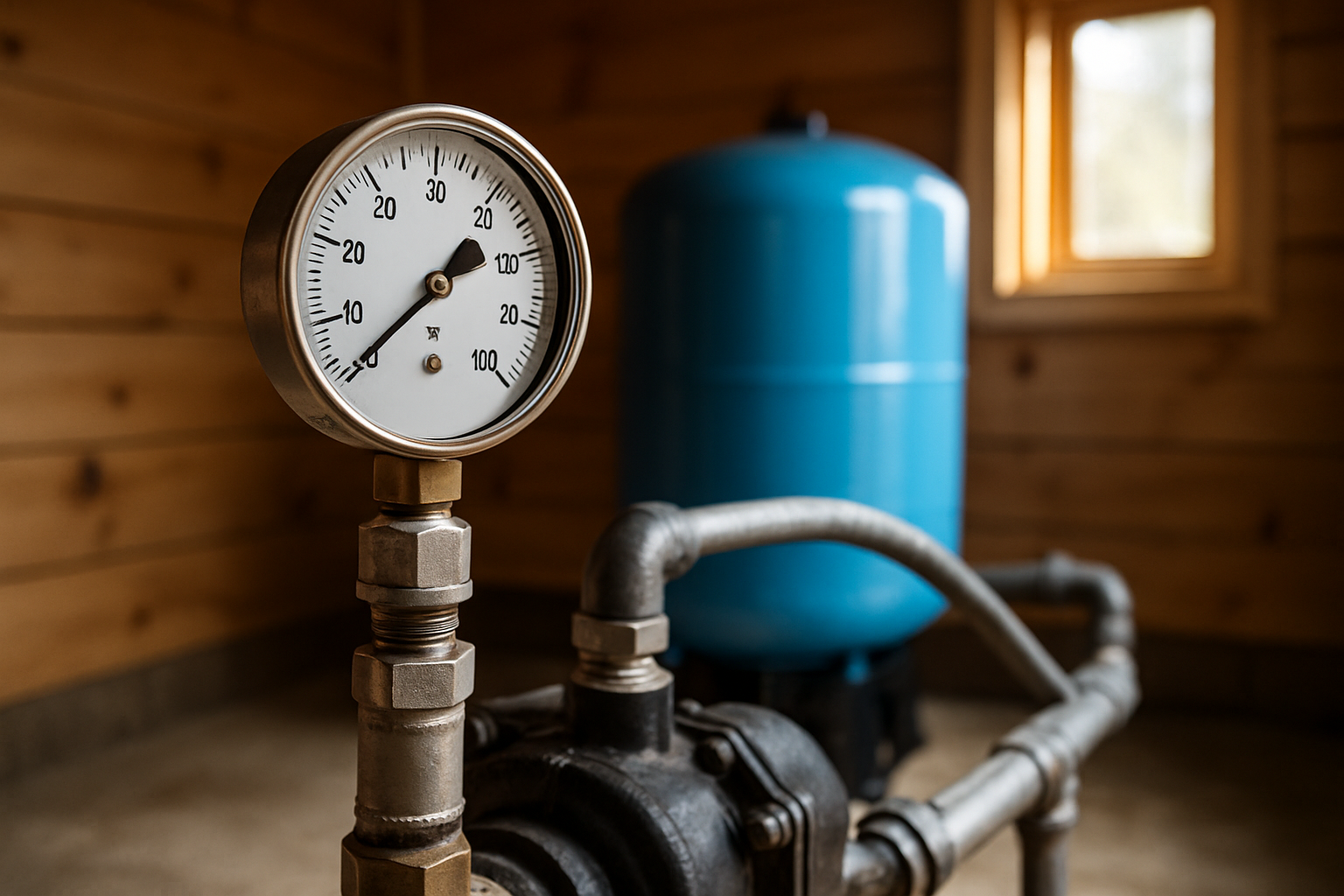
A pressure tank, pressure switch, and related controls maintain consistent household water pressure. Budget $500 to $1,200 for a properly sized pressure system.
Electrical Infrastructure
Deep well pumps require robust electrical service, typically 240-volt power with adequate wire gauge for the depth. If your electrical system needs upgrades or if significant wire runs are required, budget $400 to $1,000 for electrical work.
Water Testing
Comprehensive water testing for a deep well typically costs $200 to $500, covering bacteria, minerals, and potential contaminants. Testing guides any treatment decisions and ensures your water is safe for use.
Treatment Equipment
Based on water quality results, treatment systems may be recommended. These range from simple sediment filters ($100-300) to comprehensive treatment systems ($2,000-5,000+) for issues like hardness, iron, or other water quality concerns.
Advantages of a 300-Foot Well
Drilling to 300 feet offers significant benefits that often justify the additional investment. Deeper aquifers typically provide more consistent water supplies that are less affected by seasonal variations and drought conditions. The water has been naturally filtered through more geological material, often resulting in better quality.
A 300-foot well also provides substantial storage capacity within the well bore itself—essentially a built-in reservoir that can sustain peak demand periods. This depth reaches many of the most productive aquifer zones in Southern California.
Schedule Your Consultation
Drilling a 300-foot well is a significant investment that deserves careful planning and professional execution. Southern California Well Service brings decades of deep drilling experience to every project, with the equipment and expertise to handle challenging conditions.
We provide honest assessments, transparent pricing, and quality workmanship. Our team will help you understand what to expect from a deep well on your property and provide a detailed estimate for your specific situation.
Contact Southern California Well Service at (760) 440-8520 or visit www.scwellservice.com to schedule your free consultation. Let us help you secure a reliable water supply for your property.