Cost to Drill a 500-Foot Well in Southern California
Drilling a 500-foot well represents the upper range of residential well depths in Southern California, accessing deep aquifers that provide exceptional water security and reliability. At this depth, you're making a significant investment in your property's water independence—one that can serve you for generations. This comprehensive guide explains everything you need to know about 500-foot well drilling costs, helping you understand and plan for this substantial project.
📋 In This Guide
Average Cost for a 500-Foot Well
A 500-foot well in Southern California typically costs between $17,500 and $37,500 for complete drilling and basic installation, with most residential projects falling in the $22,000 to $30,000 range. This includes drilling, casing, well screen, grout sealing, and surface completion. The final cost depends heavily on the geological conditions encountered during drilling.
Per-foot drilling costs in our region range from $35 to $75, placing the drilling portion alone at $17,500 to $37,500 for 500 feet. Add substantial casing costs, permitting, and completion work, and the total investment becomes clear. However, this depth provides access to water resources that shallower wells simply cannot reach.
While the upfront cost is significant, consider the long-term perspective. A properly constructed 500-foot well provides reliable water for 40 to 50 years or more. Divided across decades of service, the annual cost of water independence becomes quite reasonable compared to municipal water rates or the frustration of an inadequate shallower well.
Factors That Determine 500-Foot Well Costs
Complex Geology at Depth
At 500 feet, you're drilling through considerable geological complexity. Southern California's subsurface includes sedimentary basins, metamorphic formations, and igneous intrusions like granite. The specific formations at your location dramatically affect drilling difficulty and cost.
Drilling through solid granite at depth can double or triple the time required compared to softer formations. Hard rock also increases wear on drilling equipment, potentially adding costs. Conversely, properties situated over deep sedimentary basins may see more favorable drilling conditions.
Heavy-Duty Equipment Requirements
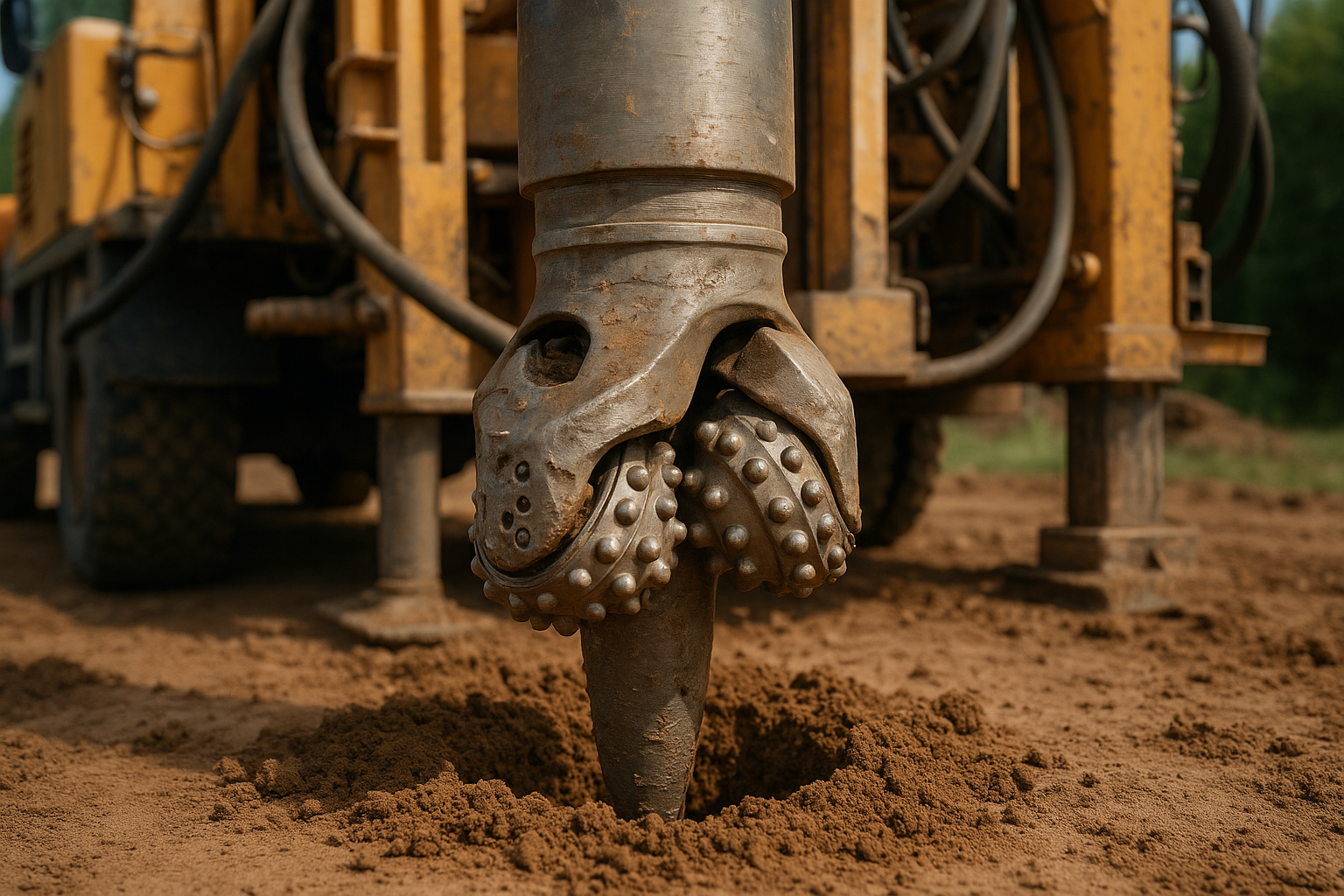
A 500-foot well requires serious drilling equipment—heavy rotary rigs with deep drilling capability and the power to handle challenging formations. These rigs cost more to mobilize, operate, and maintain. However, they also drill more efficiently at depth, which can offset some costs through reduced time on site.
Extensive Casing Investment
Five hundred feet of casing represents a major material investment. Steel casing is typically required for wells this deep, providing the strength necessary to withstand installation stresses and long-term pressures. Casing costs for a 500-foot well typically range from $5,000 to $10,000 or more, depending on diameter and wall thickness.
The casing diameter affects pump options and future flexibility. A 6-inch casing accommodates most residential pumps and allows for future replacement or upgrades. Larger diameters cost more but provide greater flexibility.
Site Logistics
Heavy drilling rigs need substantial site access and preparation. Road quality, clearance, and site conditions all affect mobilization costs. Properties requiring road construction, extensive clearing, or difficult terrain navigation face higher preparation costs.
Permitting and Compliance
Deep wells often face heightened regulatory scrutiny. In groundwater basins managed under California's Sustainable Groundwater Management Act, deep well permits may require additional studies, fees, or conditions. Some areas mandate well registration, flow meters, or reporting requirements. Budget for these regulatory costs, which can add $500 to $2,000 or more to your project.
What's Involved in 500-Foot Well Drilling
Extensive Pre-Drilling Investigation
Before drilling a well this deep, thorough investigation is essential. This typically includes reviewing regional hydrogeological studies, analyzing logs from nearby deep wells, and potentially commissioning geophysical surveys or test drilling. The goal is understanding subsurface conditions to optimize well design and set realistic expectations.
Major Equipment Mobilization
Transporting a heavy drilling rig capable of 500-foot depths requires specialized hauling equipment and careful logistics. Mobilization costs for deep drilling rigs typically range from $2,000 to $4,000 and include transport, setup, daily operation, and eventual breakdown.
Extended Drilling Operations
Drilling to 500 feet typically requires five to ten days depending on conditions. The drilling crew works methodically, carefully managing the borehole as depth increases. Drilling fluid selection and management become increasingly important at these depths to maintain borehole stability and efficiency.
Specialized Casing Installation
Installing 500 feet of heavy steel casing requires specialized equipment and techniques. The casing string must be carefully assembled, with joints properly sealed to prevent leakage. The weight of this much casing requires appropriate handling equipment and experienced crews.
Deep Well Screen Installation
The well screen for a 500-foot well must be carefully selected for the target aquifer. Stainless steel screens are typically recommended for their corrosion resistance and longevity. Proper screen placement within the water-bearing zone is critical for optimal production.
Comprehensive Annular Sealing
California regulations require proper sealing of the annular space to protect groundwater quality. For a 500-foot well, this involves substantial quantities of grout and careful placement techniques to ensure complete sealing throughout the required depth.
Thorough Well Development
Developing a deep well requires patience and technique. Air lifting, jetting, surging, and other methods remove drilling fluids and fine materials to maximize well productivity. Development of deep wells may take longer than shallower installations.
Extended Yield Testing
For a well this significant, extended yield testing is recommended. This may include multi-hour pumping tests to determine sustainable production rates and observe aquifer behavior. Test results inform pump selection and ensure the well meets expectations.
Complete System Costs
Deep Well Submersible Pump
A 500-foot well requires a submersible pump specifically rated for extreme depth. These high-lift pumps and their installation typically cost $3,000 to $6,500. Pump selection considers total dynamic head, including depth to water, drawdown, and surface pressure requirements.
Robust Pressure System
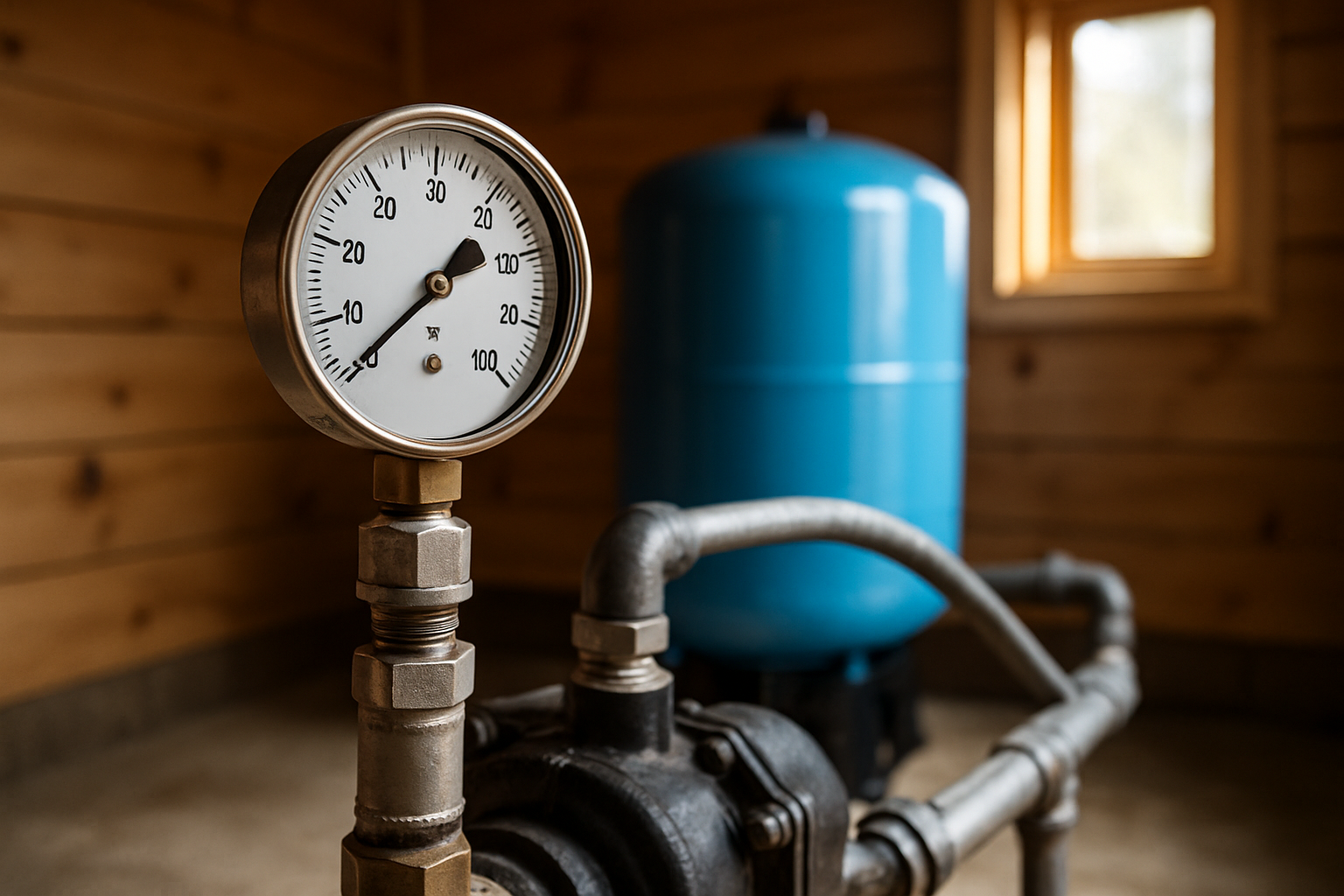
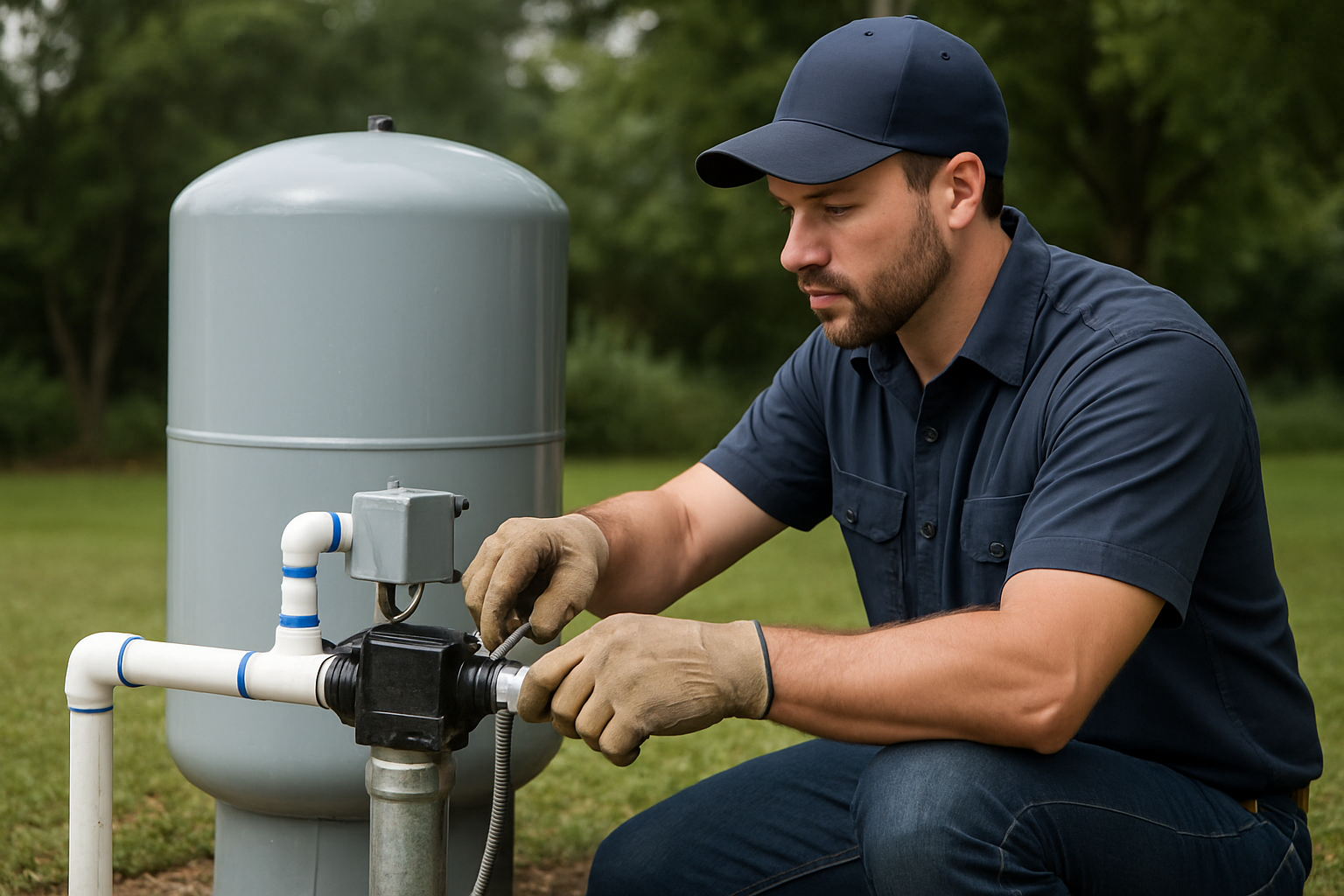
Deep wells benefit from larger pressure tanks that reduce pump cycling and accommodate the significant startup loads of deep pumps. Commercial-grade pressure systems for deep wells typically cost $800 to $1,800 installed.
Electrical Infrastructure
Running power to a 500-foot pump requires careful attention to wire sizing and voltage drop calculations. Substantial wire gauge is needed to deliver adequate power without excessive losses. Electrical work for deep wells typically costs $700 to $2,000, including potential service upgrades.
Comprehensive Water Testing
Deep aquifer water should be thoroughly tested, as mineral content and chemistry may differ significantly from shallow groundwater. Comprehensive testing including metals, minerals, bacteria, and other parameters typically costs $400 to $800.
Water Treatment
Based on testing results, treatment systems may be recommended. Deep water sometimes contains elevated iron, manganese, or other minerals requiring treatment. Costs vary widely based on specific water quality issues identified.
The Value of a 500-Foot Well
Why invest in a 500-foot well? The answer lies in water security and reliability. Deep aquifers are essentially insulated from surface conditions—drought, seasonal variation, and shallow contamination sources have minimal impact. Properties with deep wells maintain water supply when neighbors with shallow wells run dry.
Deep groundwater has been naturally filtered through extensive geological material, often resulting in excellent water quality. The confined aquifers accessed at these depths typically maintain consistent water levels and temperatures throughout the year.
For property owners planning to stay long-term, a 500-foot well represents genuine water independence. The investment provides peace of mind that cannot be matched by shallower alternatives or reliance on delivered water.
Is 500 Feet Necessary?
The appropriate well depth depends on local conditions, not arbitrary targets. In some areas, excellent water is available at much shallower depths, making a 500-foot well unnecessary. In others, particularly in valleys with depleted aquifers or areas with water quality issues at shallower depths, deep drilling is the only viable solution.
Your drilling contractor can provide guidance based on regional hydrogeology and local well data. At Southern California Well Service, we always recommend the most appropriate depth for your situation—never deeper than necessary, but deep enough to ensure success.
Trust the Deep Drilling Experts
A 500-foot well requires specialized expertise and equipment. Not every drilling company has the capability or experience for projects of this magnitude. Southern California Well Service operates heavy drilling rigs designed for deep work and employs crews experienced in the unique challenges of deep drilling.
We understand the geology of our region and know how to handle the formations you're likely to encounter. Our deep drilling experience means fewer surprises, more accurate estimates, and successful wells that meet expectations.
Contact Southern California Well Service at (760) 440-8520 or visit www.scwellservice.com to discuss your deep well needs. We'll provide honest assessment, transparent pricing, and the expertise to make your 500-foot well a success.