
Dry Well Solutions for El Cajon Properties
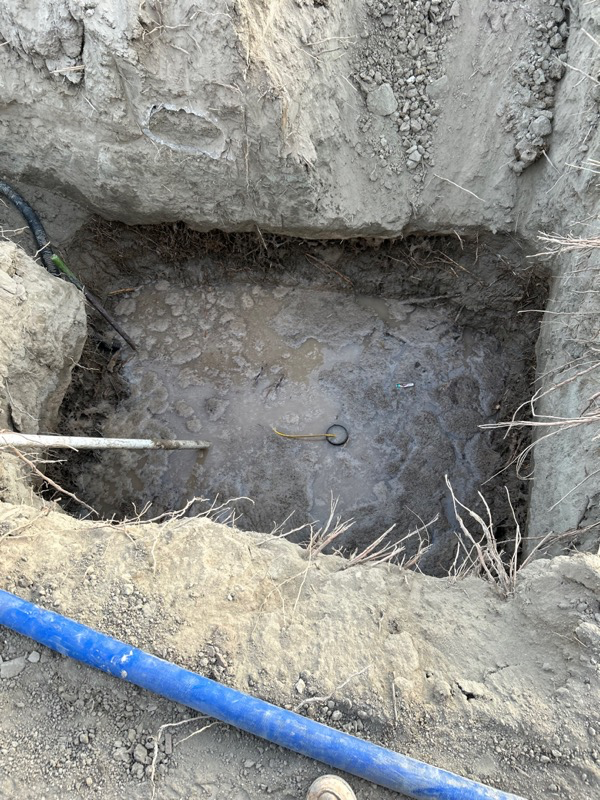
Has your well in El Cajon stopped producing water? A dry well can be a stressful emergency, but you have options. Southern California Well Service helps El Cajon property owners restore their water supply quickly.
📋 In This Guide
- Why Wells Go Dry
- Solutions for Dry Wells in El Cajon
- Emergency Dry Well Service in El Cajon
- Preventing Future Dry Well Issues
- Related Articles
Before assuming you need a completely new well, let us evaluate your situation—many "dry" wells can be rehabilitated at a fraction of the cost of drilling new.
Why Wells Go Dry
- Drought Conditions: Extended dry periods lower the water table
- Increased Demand: More wells in the area drawing from the same aquifer
- Seasonal Fluctuations: Water table naturally drops in summer/fall
- Pump Position: Pump may be positioned above current water level
- Well Age: Mineral buildup reducing water entry points
- Aquifer Depletion: Long-term overdrawing of groundwater
Solutions for Dry Wells in El Cajon
1. Well Deepening
If the water table has dropped, deepening your existing well may reach water again. This is often less expensive than drilling a new well.
2. Hydrofracturing
High-pressure water treatment can open new fractures in bedrock, allowing more water to flow into your well.
3. Pump Lowering
Sometimes simply lowering your pump deeper in the well can restore water production.
4. New Well Drilling
When rehabilitation isn't viable, we can drill a new well in a better location on your property.
Emergency Dry Well Service in El Cajon
We understand that losing your water supply is an emergency. Our team provides rapid response for El Cajon dry well situations:
- Same-day or next-day assessment when possible
- Temporary water solutions while repairs are made
- Honest evaluation of repair vs. replacement options
- Flexible financing for major well work
Preventing Future Dry Well Issues
- Install a water level monitor
- Practice water conservation during dry months
- Consider a storage tank for backup supply
- Schedule annual well inspections
- Address declining yield early, before complete failure
Need Help With Your Well in El Cajon?
Our expert technicians serve El Cajon and all of San Diego County with professional well services.
Related Articles
Continue learning about well maintenance and troubleshooting

Signs Your Well Pump Is Failing
Catch pump problems early before you lose water completely.
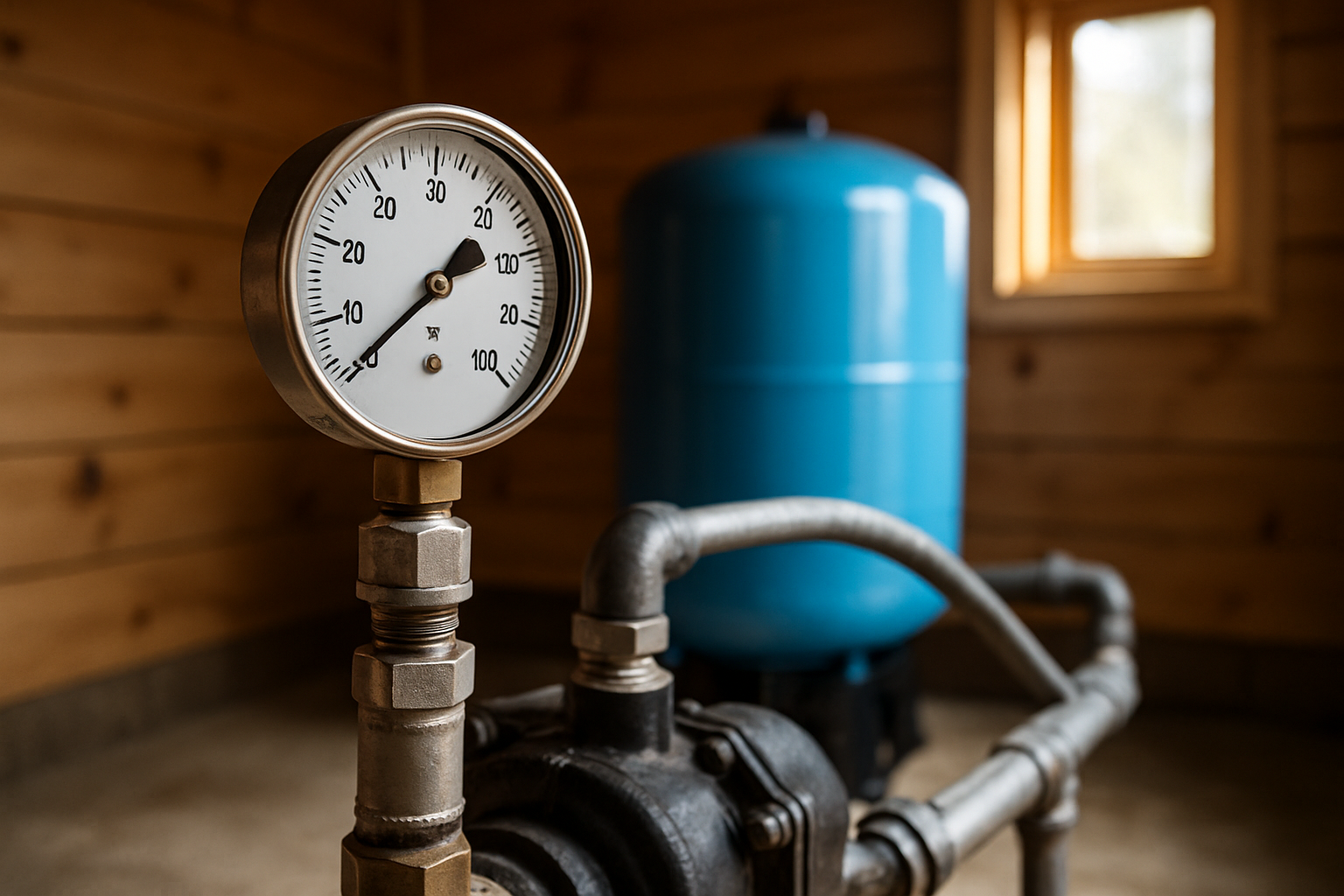
Low Water Pressure From Well
Diagnose and fix pressure problems before they get worse.
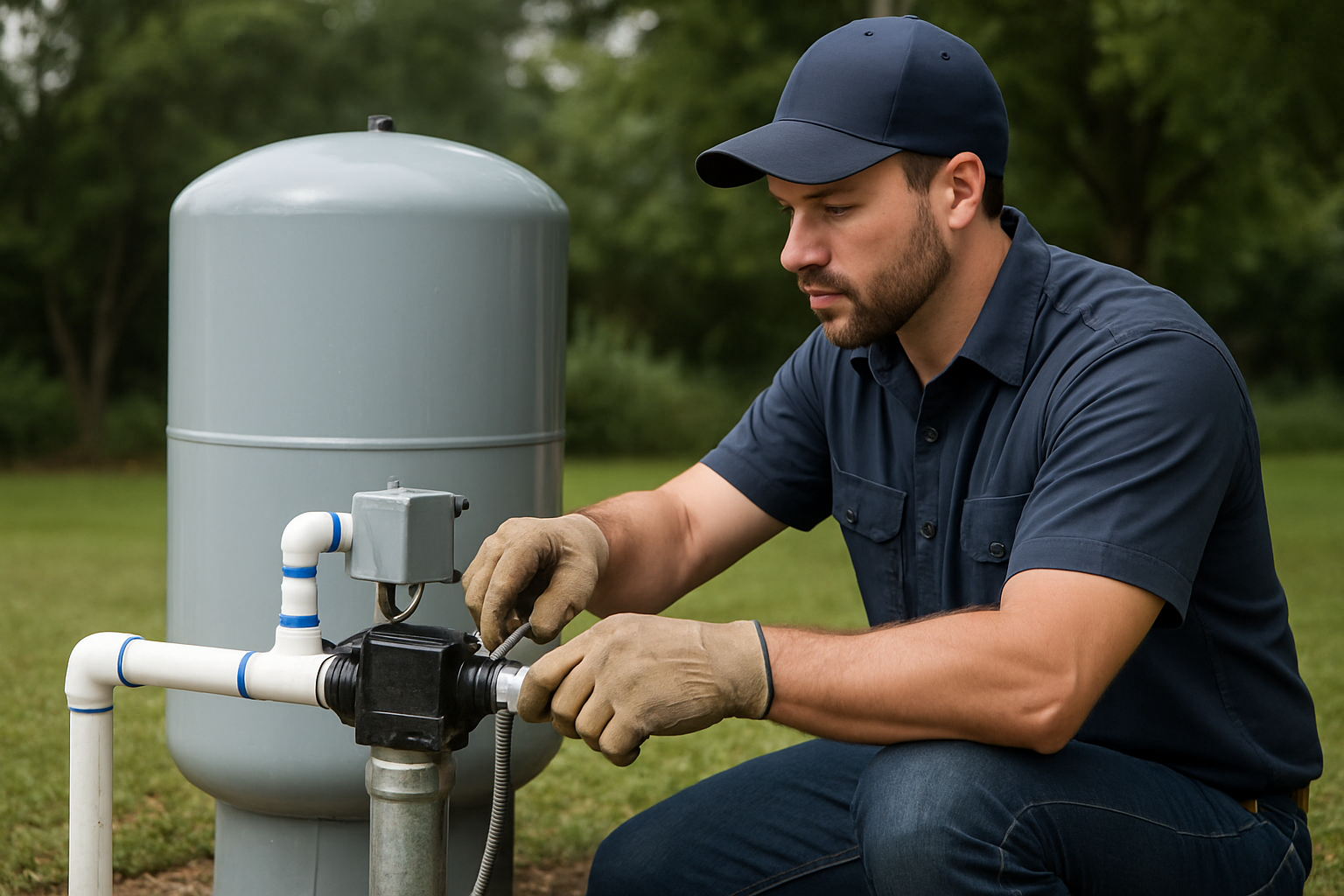
Well Maintenance Guide
Keep your well running smoothly with regular maintenance.
Our Locations
1077 Main St, Ramona, CA 92065
57174 CA-371 (US Hwy 79), Anza, CA 92539
When the Well Runs Dry in El Cajon
El Cajon sits in a broad valley ringed by the Cuyamaca foothills, with most private wells in the surrounding unincorporated pockets — Crest, Granite Hills, Bostonia and the Dehesa Valley — drawing from fractured granitic bedrock rather than the shallow valley fill. When the water slows to a trickle or stops entirely, it rarely means the well has simply “run out” for good. More often it is a solvable problem — a dropping water table, a pump set too high, or an aging well that has lost some of its inflow. Southern California Well Service has spent more than 30 years diagnosing and fixing dry and declining wells across San Diego County, and we know the decomposed-granite hillsides and fractured crystalline bedrock typical of inland San Diego County that defines water supply around El Cajon.
This guide walks El Cajon property owners through why a well goes dry, how we confirm what is actually happening, and the full ladder of solutions — from the inexpensive adjustments we always try first to the major work that is only occasionally necessary. Before you assume you need a brand-new well, let us evaluate your situation. Many “dry” wells around El Cajon can be brought back at a fraction of the cost of drilling new.
Signs Your El Cajon Well Is Going Dry
A well almost never quits without warning. The earlier you recognize the signs, the cheaper the fix tends to be. Watch for these in your home:
- Sputtering or spitting faucets — air in the lines is a classic sign the pump is sucking air as the water level drops to the intake.
- Pressure that fades after heavy use — the well keeps up for a shower but falls behind when you irrigate or run the washer, then recovers overnight.
- Cloudy, sandy, or gritty water — a sign the pump is drawing from near the bottom and pulling in sediment.
- The pump running far longer, or short-cycling on and off — both point to a pump struggling against a falling level.
- Worse symptoms in late summer and fall — a strong seasonal pattern usually means the regional water table, not the equipment, is the culprit.
If you are seeing two or more of these around El Cajon, call us before the well goes completely dry — catching it early keeps your options open and your costs down.
Why Wells Go Dry Around El Cajon
In San Diego County, a handful of causes account for nearly every dry-well call we take in the El Cajon area. Usually it is a combination of several.
Drought and a Dropping Water Table
The single biggest factor is San Diego County's repeated multi-year droughts and a long-declining regional water table. When the level in the hard-rock backcountry east of the city falls below your pump intake — or below the fractures and sand layers that feed your well — production drops even though the well itself is sound. Most domestic wells around El Cajon's outskirts run roughly 200 to 600 feet, completed in hard-rock fractures that yield only a few gallons per minute.
Over-Pumping and Demand Exceeding Recharge
When more water is drawn from an aquifer than nature puts back, levels fall over time. Growth, irrigation, and neighboring wells all draw on the same shared water, and in dry years recharge cannot keep pace. Heavy demand during a hot summer can also outrun a single well faster than the aquifer can refill it day to day.
A Well Drilled Too Shallow
Some older wells around El Cajon were completed only as deep as they needed to be when water was higher. As the long-term table has declined, those shallower wells are the first to feel it — they were never drilled to reach today's water level.
Seasonal Decline
Water levels naturally rise in winter and spring and fall through summer and autumn. A well that is marginal will fail during that seasonal low and then “miraculously” recover after winter rains — a strong clue that the table, not the hardware, is the issue.
Sediment, Encrustation, and a Clogging Screen
Over years, mineral scale, iron bacteria, and fine sediment build up on a well's screen and in the surrounding gravel pack, choking off the paths water uses to enter. The aquifer may be fine while the well's inflow has quietly been strangled. This is common in San Diego County's mineral-rich water and is very often repairable.
How We Diagnose a Dry Well in El Cajon
Guessing is expensive. Before recommending anything, our technicians run a straightforward diagnostic on your El Cajon well to find out what is really going on:
- Static water level — we measure how high the water stands in the well at rest. This tells us where the table actually sits today.
- Pumping (drawdown) level — we run the pump and watch how far the level falls. A large drawdown points to limited inflow; a stable level points to a pump or table issue.
- Recovery rate — we shut the pump off and time how quickly the well refills. Slow recovery usually means a clogged screen or a struggling aquifer.
- Yield test — we measure sustainable gallons per minute so we can size any solution to your household's real demand.
Our diagnostic visit is $125, and we credit it toward any work you authorize. You walk away knowing whether you are facing a $1,000 fix or something larger — no scare tactics, no upselling.
Solutions for a Dry El Cajon Well — From Least to Most Expensive
We always start with the cheapest fix that will actually solve your problem. Here is the full ladder, in order of cost.
1. Lower the Pump or Adjust the Setting — $800 to $2,000
If the water table has dropped but there is still water below your pump, simply lowering the pump and adjusting its setting often restores full service. It is the first thing we check, and for many El Cajon wells it is the whole answer.
2. Add a Low-Yield Flow Controller with a Storage Tank and Booster — $3,000 to $8,000
If your well makes water steadily but slowly, we can install a flow-control system that meters the well's modest output into a storage tank or cistern, then uses a booster pump to deliver strong household pressure on demand. This lets a low-yield well comfortably serve a home it otherwise could not keep up with — a popular, cost-effective fix in San Diego County's hard-rock and desert areas alike.
3. Well Rehabilitation — $1,500 to $6,000
When sediment, scale, or iron bacteria have clogged the screen, rehabilitation can restore much of the well's lost yield. We use mechanical brushing, surging, and chemical treatments to clean the screen and the surrounding formation, reopening the paths water uses to enter. For a well whose aquifer is fine but whose inflow has been choked, this is often the best value on the list.
4. Hydrofracturing — $3,000 to $8,000
In the fractured bedrock common around inland San Diego County, hydrofracturing injects water under high pressure to open and connect existing fractures, creating new pathways for water to reach the borehole. It can meaningfully boost a low-yield hard-rock well and is far cheaper than drilling new.
5. Deepen the Existing Well, or Drill a New, Deeper Well — $15,000 to $45,000+
When the table has fallen below the bottom of your well, deepening the existing borehole may reach water again. If the well cannot be deepened safely or the geology calls for it, a new, deeper well in a better-sited location is the final step. It is the largest investment — but for many El Cajon properties it is a long-term solution that adds real value, and we offer flexible financing for major work.
Preventing Future Dry-Well Problems
Once your water is restored, a little maintenance keeps it that way. Around El Cajon we recommend:
- Installing a simple water-level monitor so you can see decline coming instead of being surprised by it.
- Adding a storage tank or cistern as a buffer for peak demand and short outages.
- Spreading out heavy irrigation rather than running the well hard all at once.
- Scheduling an annual well inspection and a yield check, especially heading into late summer.
- Addressing declining yield early, while a cleaning or a pump adjustment will still do the job.
When to Call Us
If your El Cajon well has stopped producing, is sputtering air, or is clearly fading day to day, do not wait for it to fail completely. Same-day emergency service is available, and the sooner we measure your levels and recovery, the more — and cheaper — your options will be. We also provide temporary water solutions so your household is not left without while we complete a repair.
Serving El Cajon and All of San Diego County
Southern California Well Service is a licensed C-57 water well contractor with more than 30 years of experience and a 4.9-star reputation built one honest job at a time. We operate from two offices — 1077 Main St in Ramona (92065) and 57174 CA-371 (US Hwy 79) in Anza (92539) — which lets us reach El Cajon and nearby Dehesa, Crest, Harbison Canyon, Alpine and Lakeside quickly. From the first diagnostic to the final solution, you work with local technicians who understand San Diego County's water, not an out-of-area crew guessing at your geology.
Call us at (760) 440-8520, text (760) 219-5877, or request a free estimate today. We will tell you honestly whether your El Cajon well needs a $1,000 adjustment or something more — and we will get your water flowing again.
Frequently Asked Questions
Is my El Cajon well gone for good if it stops producing water?
Almost never. Most “dry” wells are suffering from a dropped pump setting, a clogged screen, or a seasonally low table — all fixable. A diagnostic tells us which, and only a small share of wells truly need replacement.
How much does it cost to fix a dry well near El Cajon?
It depends on the cause. Lowering the pump runs about $800 to $2,000; a storage-tank and booster system $3,000 to $8,000; rehabilitation $1,500 to $6,000; hydrofracturing $3,000 to $8,000; and deepening or drilling new $15,000 and up. Our $125 diagnostic (credited toward the work) pins down which you need.
Why does my well go dry only in late summer?
That seasonal pattern almost always points to the water table, which falls through summer and fall and recovers after winter rains. A marginal well fails at the seasonal low. Lowering the pump, adding storage, or improving yield usually solves it.
Will hydrofracturing work on my El Cajon well?
It works best in the fractured bedrock common across inland San Diego County. If your well is in hard rock and producing low yield, hydrofracturing is often a strong, affordable option. We confirm with a yield test before recommending it.
Can you provide water while my well is being repaired?
Yes. We offer temporary water solutions and, where possible, same-day or next-day assessment so your El Cajon household is not left without water during the repair.
How soon can you get to my El Cajon property?
With offices in Ramona and Anza, we reach most of San Diego County quickly, and same-day emergency service is available for no-water situations. Call (760) 440-8520 or text (760) 219-5877.
Lost Water at Your El Cajon Property? We Can Help Today.
Southern California Well Service — licensed C-57, 30+ years, 4.9 stars, same-day emergency service across San Diego County.