
Dry Well Solutions for Lakeside Properties
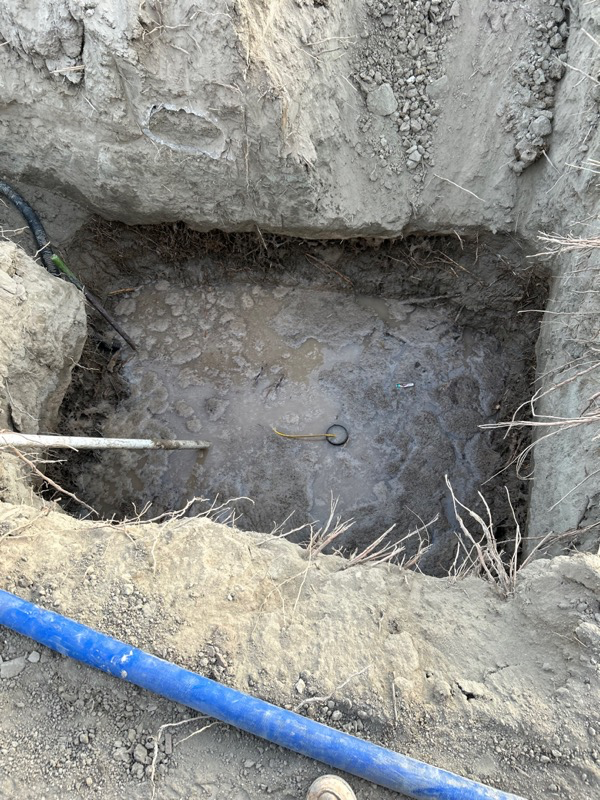
Has your well in Lakeside stopped producing water? A dry well can be a stressful emergency, but you have options. Southern California Well Service helps Lakeside property owners restore their water supply quickly.
📋 In This Guide
- Why Wells Go Dry
- Solutions for Dry Wells in Lakeside
- Emergency Dry Well Service in Lakeside
- Preventing Future Dry Well Issues
- Related Articles
Before assuming you need a completely new well, let us evaluate your situation—many "dry" wells can be rehabilitated at a fraction of the cost of drilling new.
Why Wells Go Dry
- Drought Conditions: Extended dry periods lower the water table
- Increased Demand: More wells in the area drawing from the same aquifer
- Seasonal Fluctuations: Water table naturally drops in summer/fall
- Pump Position: Pump may be positioned above current water level
- Well Age: Mineral buildup reducing water entry points
- Aquifer Depletion: Long-term overdrawing of groundwater
Solutions for Dry Wells in Lakeside
1. Well Deepening
If the water table has dropped, deepening your existing well may reach water again. This is often less expensive than drilling a new well.
2. Hydrofracturing
High-pressure water treatment can open new fractures in bedrock, allowing more water to flow into your well.
3. Pump Lowering
Sometimes simply lowering your pump deeper in the well can restore water production.
4. New Well Drilling
When rehabilitation isn't viable, we can drill a new well in a better location on your property.
Emergency Dry Well Service in Lakeside
We understand that losing your water supply is an emergency. Our team provides rapid response for Lakeside dry well situations:
- Same-day or next-day assessment when possible
- Temporary water solutions while repairs are made
- Honest evaluation of repair vs. replacement options
- Flexible financing for major well work
Preventing Future Dry Well Issues
- Install a water level monitor
- Practice water conservation during dry months
- Consider a storage tank for backup supply
- Schedule annual well inspections
- Address declining yield early, before complete failure
Need Help With Your Well in Lakeside?
Our expert technicians serve Lakeside and all of San Diego County with professional well services.
Related Articles
Continue learning about well maintenance and troubleshooting

Signs Your Well Pump Is Failing
Catch pump problems early before you lose water completely.
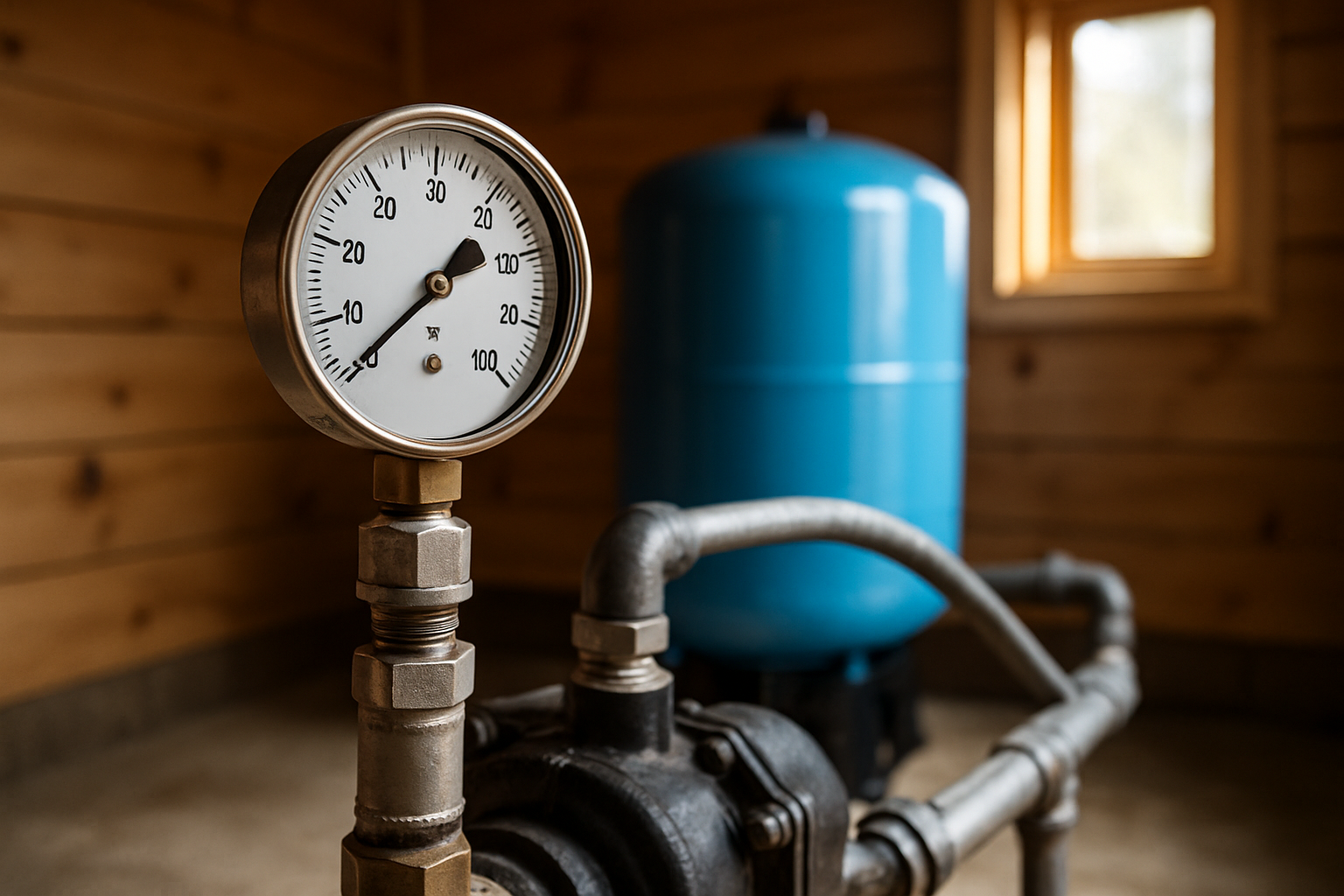
Low Water Pressure From Well
Diagnose and fix pressure problems before they get worse.

Well Maintenance Guide
Keep your well running smoothly with regular maintenance.
Our Locations
1077 Main St, Ramona, CA 92065
57174 CA-371 (US Hwy 79), Anza, CA 92539
Dry Wells in Lakeside: From El Monte Valley to the Foothills
Lakeside sits in central San Diego County, northeast of El Cajon along the San Diego River and the El Monte Valley. While much of Lakeside is on municipal water, its rural fringes — the El Monte Valley floor, Eucalyptus Hills, Moreno Valley Road, and the foothills toward Barona and Lakeside's back country — include many properties on private wells. The geology splits sharply between shallow river-valley alluvium and deep foothill bedrock, and that split explains nearly everything about why and how Lakeside wells go dry.
Southern California Well Service has more than 30 years of experience across San Diego County, including the Lakeside area. Knowing which kind of well you have is the first step to bringing it back.
Why Lakeside Wells Go Dry
In Lakeside, location is destiny. Shallower wells — often 50 to 200 feet — tap the alluvial deposits of the El Monte Valley along the San Diego River, while deeper wells of 200 to 800+ feet drill into the fractured granite and metamorphic rock of the surrounding foothills. Each type fails differently:
- Shallow alluvial wells and drought. Valley-floor wells depend on the river-fed alluvium, which rises and falls with rainfall and river flow. In dry years that shallow water table can drop below the pump or the well bottom.
- Foothill bedrock wells. Deeper wells rely on fractures in granite. Drought and regional drawdown reduce the flow into those fractures, slowing or stopping production.
- Over-pumping in concentrated areas. Where several properties draw from the same shallow alluvium or the same fracture system, summer demand can outpace recharge.
- Wells drilled too shallow. An old valley well that was adequate decades ago may no longer reach water as levels fall.
- Pump set above the water. A pump hanging above the current level pulls air before the well is truly dry.
Confirming the Well Is Really Dry
Our technician measures the static and pumping water levels, tests the pump's amperage, and watches the recovery rate after a controlled drawdown. We compare those readings to your driller's report, inspect the pressure tank and switch, and check for sand or air. That separates a fallen water table from an equipment or placement issue or a fouled bore. The $125 diagnostic is credited toward any repair.
Solutions for a Dry Lakeside Well
Lower the Pump
When the well still holds water but the pump sits above it, resetting the pump deeper in the casing is the fastest and cheapest fix — $800 to $2,500 — if there is depth and water column to spare. This is common with shallow El Monte Valley wells where the table has dropped modestly.
Deepen the Existing Well
Where the bore no longer reaches water — especially a shallow valley well outpaced by a dry year — deepening to reach a more reliable zone can restore production for $5,000 to $15,000.
Hydrofracturing
For Lakeside's foothill bedrock wells, hydrofracturing clears and opens granite fractures with high-pressure water, often boosting a slowed well by several gallons per minute. Cost runs $3,000 to $8,000.
Storage Tank and Booster Pump
For a well that produces slowly, a storage tank and booster pump let it fill a cistern around the clock while the booster delivers strong household pressure on demand — roughly $3,000 to $7,000 installed.
Flow-Management Controls
Low-water cutoffs, timers, and flow controllers protect the pump from running dry and help a modest yield keep up with demand.
Drill a New, Deeper Well
For a worn-out or hopelessly shallow well, a new, deeper well is the durable answer, at $18,000 to $42,000 turnkey depending on depth. We treat it as a last resort after rehabilitation options are exhausted.
When to Call a Professional
Air in the faucets, sand in the water, a short-cycling pump, or sudden whole-house pressure loss are signals to shut the pump down and call a licensed C-57 contractor. Running a pump dry destroys motors fast. We are licensed and equipped to work inside the well, unlike a general plumber.
Serving Lakeside and Central San Diego County
Southern California Well Service covers Lakeside and the surrounding area — El Monte Valley, Eucalyptus Hills, Barona, Blossom Valley, and the foothills toward Ramona and El Capitan. We know the contrast between the shallow river-valley alluvium and the deep foothill bedrock, the depths each requires, and county permitting. Our Ramona office keeps response times short for Lakeside emergencies.
Frequently Asked Questions
How deep are wells in Lakeside?
It depends on where you are. Shallow wells in the El Monte Valley alluvium are often 50 to 200 feet, while foothill wells in fractured granite and metamorphic rock commonly run 200 to 800 feet or more. The two settings behave very differently in drought.
Why did my shallow El Monte Valley well go dry this year?
Shallow valley wells draw from river-fed alluvium that rises and falls with rainfall and river flow. In a dry year that water table can drop below your pump or the well bottom. Lowering the pump or deepening the well usually restores production.
Does hydrofracturing help foothill wells in Lakeside?
Yes, for wells completed in fractured granite. High-pressure injection clears and opens fractures so more water flows in, and many slowed bedrock wells gain several gallons per minute. Cost is $3,000 to $8,000.
Is lowering the pump cheaper than deepening?
Much cheaper. Lowering the pump runs $800 to $2,500, while deepening costs $5,000 to $15,000. We always check whether the well still holds water that a lower pump can reach before recommending deepening or a new well.
Will a storage tank fix a slow Lakeside well?
Often, yes. A storage tank and booster pump let a low-yield well fill a cistern continuously while the booster delivers strong household pressure on demand. At roughly $3,000 to $7,000, it is a practical solution for slow foothill or valley wells.
Do you offer emergency service in Lakeside?
Yes. We provide same-day emergency response to Lakeside and central San Diego County. Call (760) 440-8520 or text (760) 219-5877, and stop running your pump to protect the motor until we arrive.