
Dry Well Solutions for Warner Springs Properties
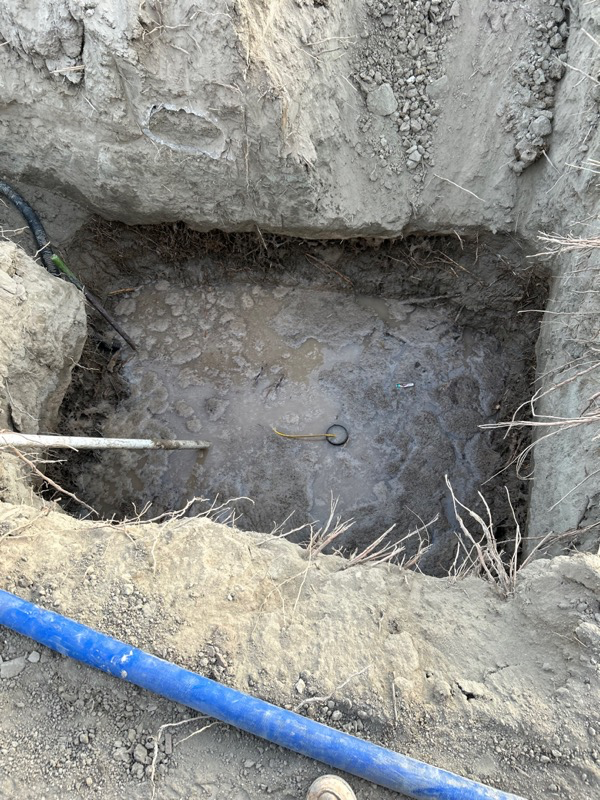
Has your well in Warner Springs stopped producing water? A dry well can be a stressful emergency, but you have options. Southern California Well Service helps Warner Springs property owners restore their water supply quickly.
📋 In This Guide
- Why Wells Go Dry
- Solutions for Dry Wells in Warner Springs
- Emergency Dry Well Service in Warner Springs
- Preventing Future Dry Well Issues
- Related Articles
Before assuming you need a completely new well, let us evaluate your situation—many "dry" wells can be rehabilitated at a fraction of the cost of drilling new.
Why Wells Go Dry
- Drought Conditions: Extended dry periods lower the water table
- Increased Demand: More wells in the area drawing from the same aquifer
- Seasonal Fluctuations: Water table naturally drops in summer/fall
- Pump Position: Pump may be positioned above current water level
- Well Age: Mineral buildup reducing water entry points
- Aquifer Depletion: Long-term overdrawing of groundwater
Solutions for Dry Wells in Warner Springs
1. Well Deepening
If the water table has dropped, deepening your existing well may reach water again. This is often less expensive than drilling a new well.
2. Hydrofracturing
High-pressure water treatment can open new fractures in bedrock, allowing more water to flow into your well.
3. Pump Lowering
Sometimes simply lowering your pump deeper in the well can restore water production.
4. New Well Drilling
When rehabilitation isn't viable, we can drill a new well in a better location on your property.
Emergency Dry Well Service in Warner Springs
We understand that losing your water supply is an emergency. Our team provides rapid response for Warner Springs dry well situations:
- Same-day or next-day assessment when possible
- Temporary water solutions while repairs are made
- Honest evaluation of repair vs. replacement options
- Flexible financing for major well work
Preventing Future Dry Well Issues
- Install a water level monitor
- Practice water conservation during dry months
- Consider a storage tank for backup supply
- Schedule annual well inspections
- Address declining yield early, before complete failure
Need Help With Your Well in Warner Springs?
Our expert technicians serve Warner Springs and all of San Diego County with professional well services.
Related Articles
Continue learning about well maintenance and troubleshooting

Signs Your Well Pump Is Failing
Catch pump problems early before you lose water completely.
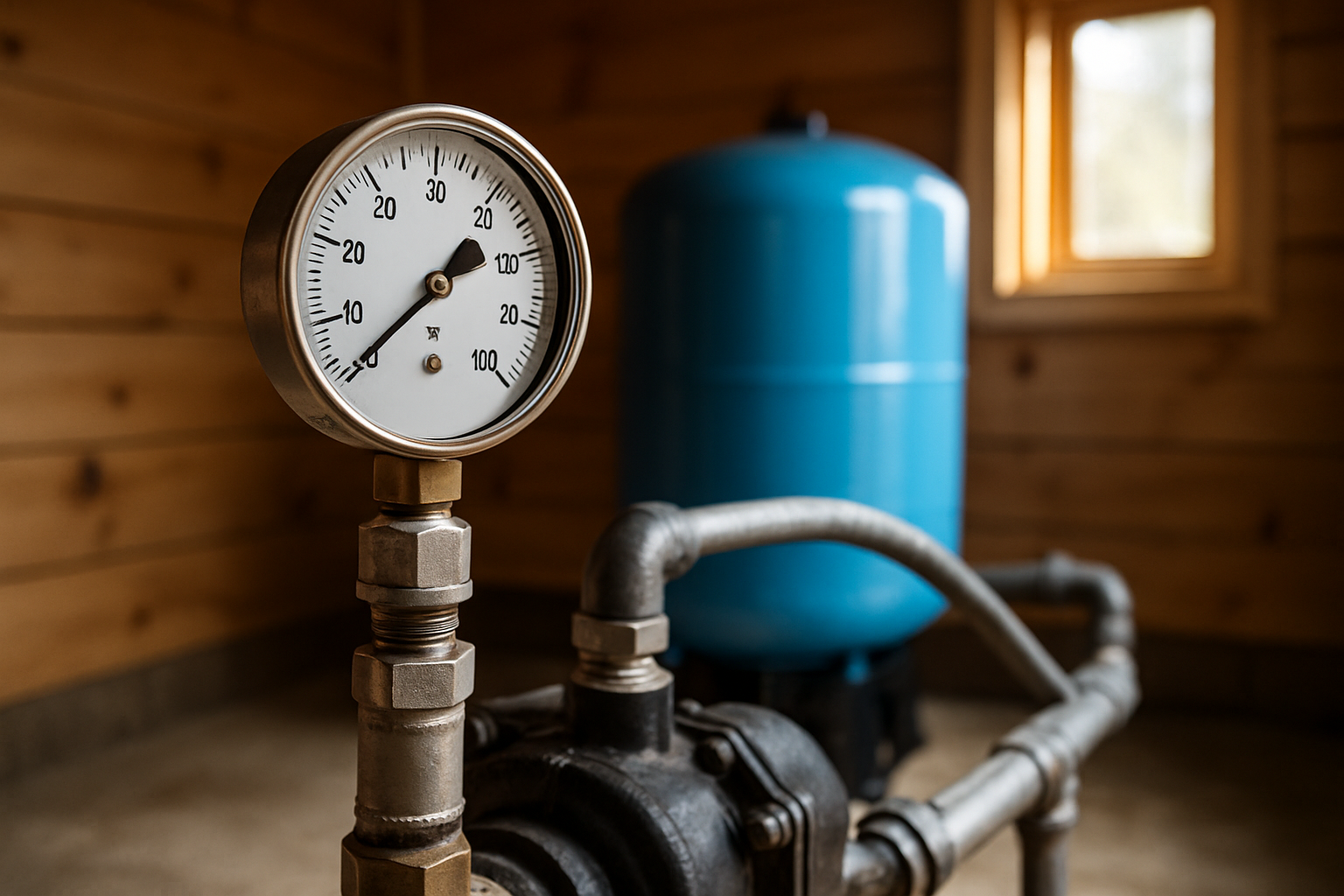
Low Water Pressure From Well
Diagnose and fix pressure problems before they get worse.
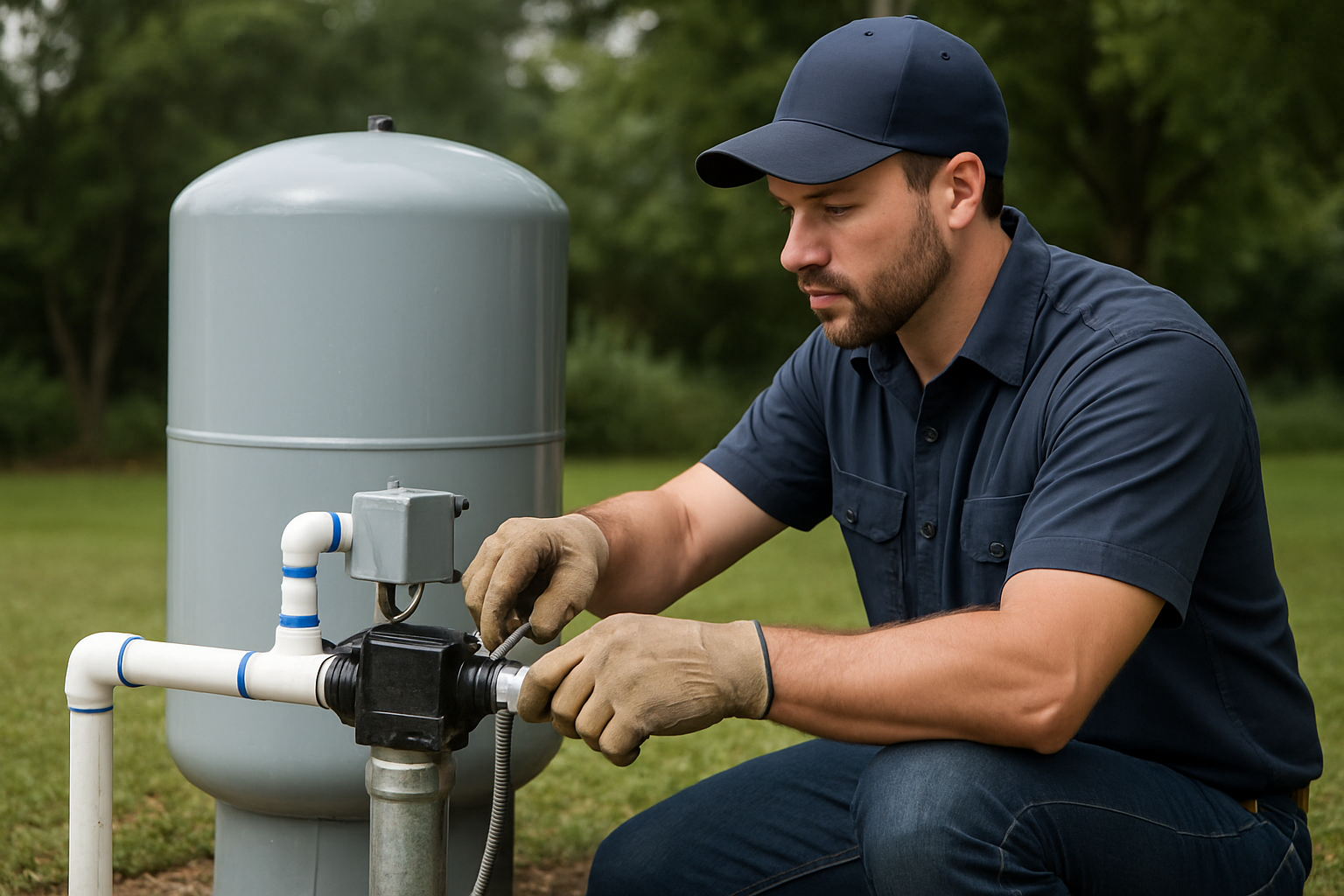
Well Maintenance Guide
Keep your well running smoothly with regular maintenance.
Our Locations
1077 Main St, Ramona, CA 92065
57174 CA-371 (US Hwy 79), Anza, CA 92539
Dry Wells in Warner Springs: Backcountry Causes and Practical Fixes
Warner Springs lies in the remote northeastern corner of San Diego County, in the broad Warner Valley between Lake Henshaw and the rise toward the high desert. It is ranch country — cattle, horse properties, and rural homesteads spread across the valley floor and the surrounding granite hills along Highway 79. There is no city water main running past these parcels; nearly every property here depends on a private well. So when a Warner Springs well runs dry, the whole place — house, livestock, and irrigation — feels it at once.
since 2020, Southern California Well Service has worked the San Diego backcountry, and the Warner Springs/Lake Henshaw area is squarely in our service territory. A dry well out here is usually fixable once you understand the local geology and measure what is actually happening below ground.
Why Warner Springs Wells Go Dry
The Warner Valley is a mix of alluvial valley fill and the fractured granite and metamorphic bedrock of the Peninsular Ranges. Valley-floor wells tend to be shallower, drawing from alluvium near the drainages, while hillside and ranch wells often must reach deeper into bedrock fractures. That split drives most dry-well situations:
- Drought lowering the water table. Multi-year droughts reduce the runoff and snowmelt that recharge the valley, and lower water levels leave shallower wells short. Areas that produced at 200 feet decades ago can now require 400 feet or more.
- Fracture-fed bedrock wells. Hillside wells depend on networks of cracks in granite. When the regional level drops, the flow into those fractures can slow or stop.
- Heavy ranch and irrigation demand. Cattle and pasture irrigation draw substantial volumes, and concentrated summer pumping lowers local levels faster than they recharge.
- Wells drilled too shallow. Older homestead and ranch wells were often completed shallow; many no longer reach reliable water as levels have fallen.
- Pump set too high. A pump hanging above the current pumping level pulls air long before the well is truly dry.
Confirming Whether the Well Is Really Dry
Because Warner Springs wells span shallow alluvial and deep fractured-rock types, accurate diagnosis matters. Our technician measures the static and pumping water levels, tests the pump's electrical draw, and watches the recovery rate after a controlled drawdown. We compare the readings to your driller's report, inspect the pressure tank and switch, and check for sand or air. That tells us whether you face a fallen water table, an equipment or placement problem, or a fouled bore. The $125 diagnostic is credited toward any repair.
Solutions for a Dry Warner Springs Well
Lower the Pump
If the well still holds water but the pump sits above it, resetting the pump deeper in the existing casing is the fastest, least expensive fix — $800 to $2,500 — when there is depth and water column to spare.
Hydrofracturing
For the area's fractured-granite wells, hydrofracturing can be transformative. High-pressure injection clears and opens fractures, and a slowed bedrock well can gain several gallons per minute. Cost runs $3,000 to $8,000, and it is often the best value on a hillside ranch well.
Deepen the Existing Well
Where the bore no longer reaches productive water, deepening to intersect new alluvial or fractured zones can restore the well for $5,000 to $15,000 — far less than starting over.
Storage Tank and Booster Pump
Slow, steady yield is common on Warner Springs ranches, and a storage tank with a booster pump is a proven answer: the well fills a cistern around the clock while the booster delivers strong pressure to the house, barn, and troughs. Budget roughly $3,000 to $7,000, more for large agricultural storage.
Flow-Management Controls
Low-water cutoffs, timers, and flow controllers protect the pump and let a modest yield serve a working ranch reliably — particularly useful where house and livestock demand compete.
Drill a New, Deeper Well
For a worn-out or hopelessly shallow well, a new well drilled to current depths — commonly 400 to 700+ feet in this backcountry — is the durable solution, at $18,000 to $42,000 turnkey. We treat it as a last resort after rehabilitation is ruled out.
When to Call a Professional
Air in the lines, sand in the water, a short-cycling pump, or whole-house pressure loss are signs to shut down the pump and call a licensed C-57 contractor. Running a deep ranch pump dry destroys motors quickly. We are licensed and equipped to work inside the well — a general plumber is not.
Serving Warner Springs and the San Diego Backcountry
From our Ramona and Anza offices, Southern California Well Service covers Warner Springs, Lake Henshaw, Sunshine Summit, Ranchita, and the surrounding ranch country. We know the Warner Valley's geology, the depths it takes to reach reliable water, and county permitting. Our Anza office in particular puts us close to this corner of the backcountry for fast emergency response.
Frequently Asked Questions
How deep are wells in Warner Springs?
It depends on location. Valley-floor wells drawing from alluvium are often shallower, while hillside and ranch wells in fractured granite commonly run 400 to 700 feet or more. Drought has pushed typical depths deeper than they were decades ago.
Will hydrofracturing help my Warner Springs ranch well?
If your well is completed in fractured granite, very likely. Hydrofracturing injects high-pressure water to clear and open fractures, and many slowed bedrock wells gain several gallons per minute. At $3,000 to $8,000 it is frequently the best value for a hillside well.
My well can't keep up with my cattle and the house. What can I do?
A storage tank and booster pump is the classic answer. The well fills a cistern continuously while the booster delivers strong pressure to the house, barn, and troughs. We size the storage to your combined demand — larger agricultural setups cost more than the typical $3,000 to $7,000 residential range.
Is it cheaper to deepen my existing well or drill a new one?
Deepening usually costs $5,000 to $15,000, versus $18,000 to $42,000 for a turnkey new well. We always evaluate lowering the pump, hydrofracturing, and deepening before recommending a new well, because rehabilitation is normally far cheaper.
Why did my well that worked for years suddenly go dry?
Most often a multi-year drought has lowered the regional water table below your pump or your well's bottom. Confirming the current water level tells us whether you simply need the pump lowered or something more, like deepening or added storage.
Do you serve Warner Springs for emergencies?
Yes. With our nearby Anza and Ramona offices, we provide same-day emergency response to Warner Springs and the surrounding backcountry. Call (760) 440-8520 or text (760) 219-5877, and stop running the pump to protect the motor.