
Emergency Well Repair in Devore
Southern California Well Service provides professional emergency well repair to Devore and throughout San Bernardino County. Founded in 2020, with 60+ years of family heritage, we're the trusted choice for well owners.
📋 In This Guide
Need Emergency Well Repair in Devore?
We serve Devore and all of San Bernardino County. Licensed C-57 contractor with 24/7 emergency service.
Call: (760) 440-8520Our Emergency Well Repair Services
- Fast response times to Devore
- Licensed, bonded, and insured (C-57 #1086994)
- Upfront pricing with no hidden fees
- Quality parts and professional workmanship
- 24/7 emergency service available
- Residential and agricultural wells
Why Devore Chooses SCWS
✓ Local Expertise
We know San Bernardino County geology and wells
✓ Fast Response
Same-day service for Devore
✓ Fair Pricing
Honest quotes, no surprises
✓ Quality Work
CSLB #1086994 · founded 2020
Our Locations
Related Articles
Continue learning about well maintenance and troubleshooting
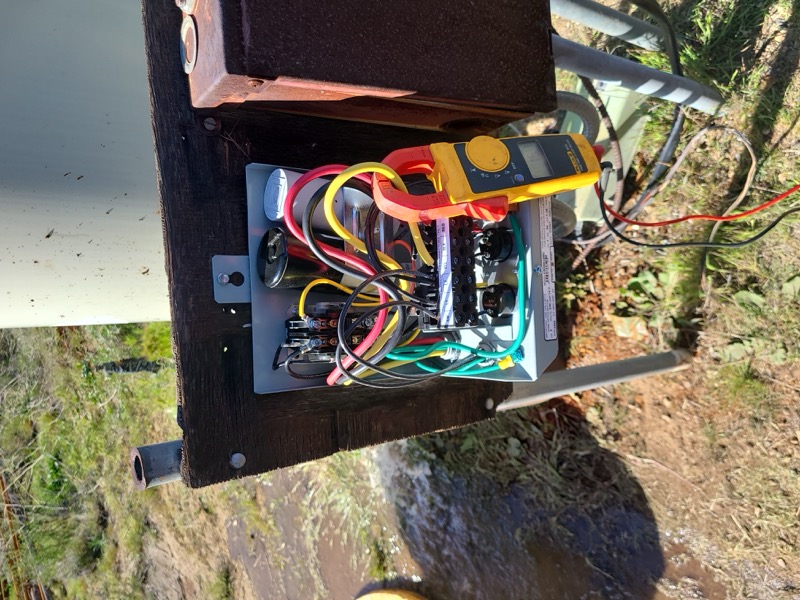
No Water From Well? Emergency Troubleshooting Guide
Step-by-step guide to diagnose and fix no water emergencies

Emergency Well No Water Checklist
Quick checklist for when your well stops producing water
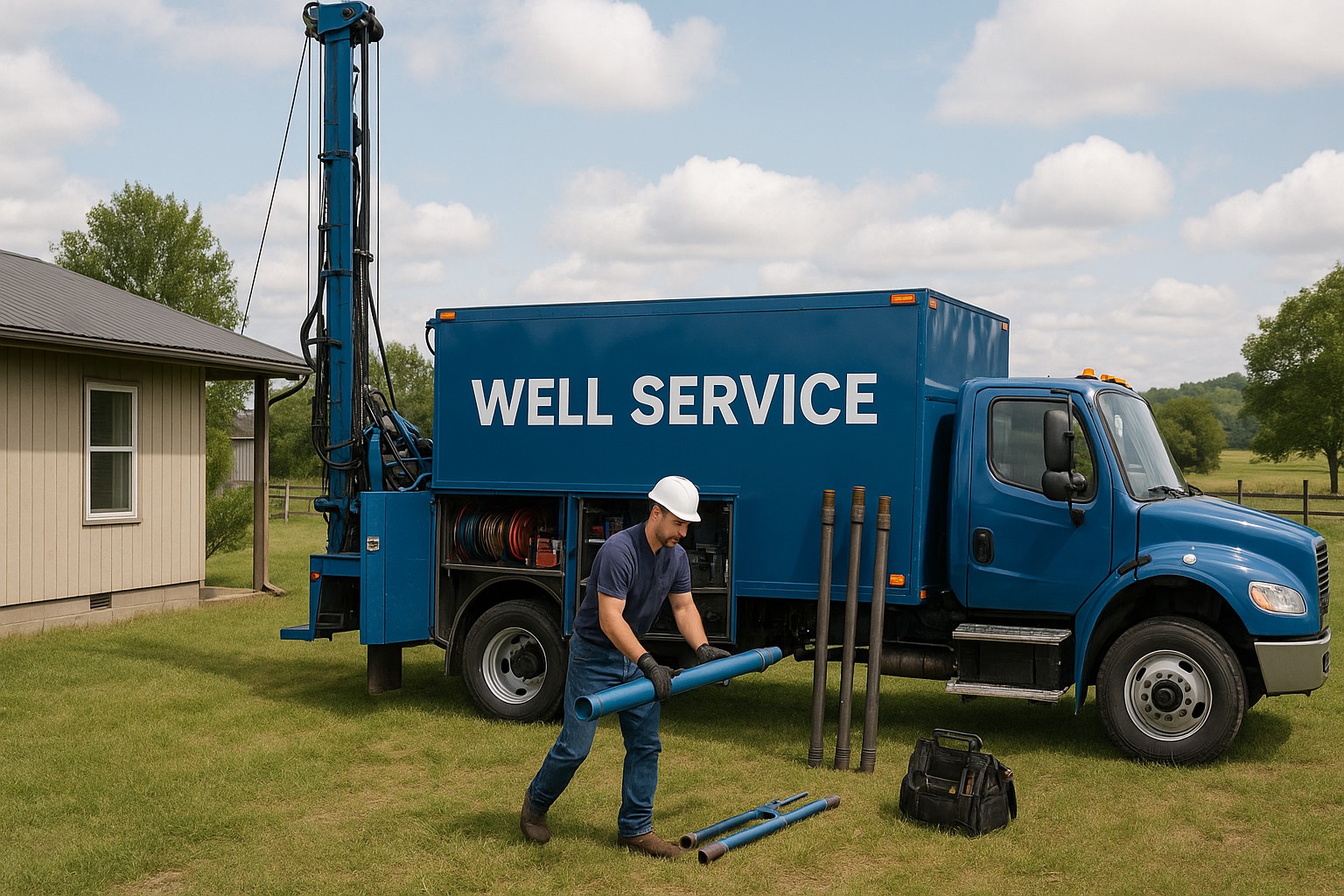
No Water Emergency: What to Check First
Essential first steps when facing a water emergency
Emergency Well Repair in Devore — Same-Day Response When the Water Stops
If you have turned on a faucet in Devore and nothing comes out, you are facing one of the most stressful problems a well owner can have. Devore sits at roughly 2,025 feet at the mouth of Cajon Pass, where the San Gabriel and San Bernardino mountains meet. Many homes here are on acreage with private wells, tucked into canyons and foothill lots well away from city water mains. A total loss of water means no showers, no flushing toilets, no cooking, and no water for animals or irrigation — and in the Cajon Pass foothills, that can escalate from inconvenient to dangerous within hours. Southern California Well Service answers the phone live, diagnoses your situation over the phone, and dispatches a stocked truck the same day to get your water flowing again.
We are a licensed C-57 well-drilling contractor (License #1086994) (CSLB #1086994), founded in 2020, with 60+ years of family heritage across San Bernardino County. From our yards in Ramona and Anza we keep trucks loaded with the parts that cause most well emergencies, so a great many repairs are finished on the first visit rather than after a week of waiting. When your well goes down, call us at (760) 440-8520 or text (760) 219-5877 and a real person will help you right away.
The Most Common Well Emergencies We See in Devore
"No water" can have many causes, and the difference between a $150 fix and a $4,000 fix often comes down to a fast, accurate diagnosis. These are the failures we respond to most often for Devore and the surrounding Cajon Pass foothills:
- Submersible pump failure. The submersible pump sits at the bottom of the well, often hundreds of feet down. When it quits, water delivery stops completely. Pumps wear out with age, sand, and hard cycling; on the deeper wells common around Devore, pulling and replacing one is the single most involved emergency we handle.
- Burnt-out pump motor. A motor can burn up from overheating, running dry, repeated short-cycling, or an electrical surge. You may smell a faint burnt odor at the control box or simply get nothing when the system calls for water. A burnt motor almost always means pulling the pump.
- Tripped breaker or electrical fault. Sometimes the cause is happily simple — a breaker tripped in a storm or after a surge. Other times it is a failed control box, a bad capacitor, corroded wiring, or rodent-chewed conductors. Electrical faults are also the easiest to check safely before you call.
- Waterlogged pressure tank short-cycling to failure. A pressure tank holds an air cushion that keeps the pump from starting and stopping every few seconds. When that cushion is lost, the tank becomes "waterlogged," the pump cycles rapidly, and within days or weeks the constant on-off stress destroys the motor or pressure switch. Rapid clicking or a pump that never seems to rest is the warning sign.
- Burst or leaking drop pipe. The drop pipe carries water from the pump up to the surface. A split, cracked, or corroded joint lets water fall back down the well, so the pump runs hard but little or no water reaches the house. This often masquerades as a weak or dying pump.
- Pressure switch failure. The pressure switch tells the pump when to turn on and off. Burned or pitted contacts, or a switch clogged by debris, can leave the pump dead or running nonstop. It is an inexpensive part, but a failed one can shut your whole system down.
- Well running dry or low. In the Cajon Pass foothills, dropping water tables and drought can pull the water level below the pump intake, especially in late summer. The pump runs but pulls air, delivering sputtering or no water. The fix may be lowering the pump, and in some cases deepening or replacing the well.
What to Check Before You Call (Quick, Safe Steps)
A few safe checks can sometimes restore your water in minutes — and if they don't, they give our technician valuable information that speeds up your repair. From anywhere in Devore, you can safely do the following:
- Check the breaker. Find the breaker for the well pump in your main panel (and the separate sub-panel or control box if you have one). If it has tripped, switch it fully off and then back on, once. If it trips again immediately, stop — that points to a fault, and you should leave it off and call us.
- Read the pressure gauge. Most systems have a gauge near the pressure tank. Zero pressure usually means the pump is not delivering water; a gauge stuck high with no flow can indicate a switch or downstream problem. Note the reading for our tech.
- Tap the pressure tank. Rap your knuckles up and down the side of the tank. A healthy tank sounds hollow up high and solid (full of water) down low. If it sounds full and heavy all the way up, it is likely waterlogged.
- Look and listen for obvious leaks. Walk the line from the wellhead to the pressure tank and house. A geyser, a soaked patch of ground, or a wildly spinning water meter can reveal a burst pipe you can isolate by shutting a valve.
- Confirm it is the well, not the plumbing. Check whether the loss of water affects the whole property or just one fixture. A single dry faucet is a plumbing issue, not a well emergency.
What Not to Do During a Well Emergency
Wells combine high-voltage electricity, heavy equipment, and deep confined spaces. A few well-meaning mistakes can turn a manageable repair into an expensive or dangerous one:
- Do not repeatedly reset a breaker that keeps tripping. Each reset into a fault can burn out the motor or control box and add thousands to the bill. One reset is fine; after that, leave it off.
- Do not remove the well cap or reach into the well. The cap keeps contamination out, and the wiring inside can be live. Pulling a pump requires special hoisting equipment — it is not a DIY job.
- Do not let the pump run dry. If you suspect the well is low or the tank is empty, shut the pump off. Running it dry overheats and destroys the motor fast.
- Do not pour water down the well or open the system unnecessarily. You can introduce bacteria and create a contamination problem on top of the mechanical one.
- Do not ignore early warning signs. Rapid cycling, sputtering air, or fluctuating pressure are the system telling you a failure is coming. Calling early is far cheaper than calling after the motor is gone.
How Southern California Well Service Responds Same-Day in Devore
When you call our line, a real person answers — not a recording or an out-of-state call center. Here is what happens next:
- Live phone triage. We walk you through the safe checks above to rule out simple fixes and to narrow the likely cause before we roll a truck. Often we can tell you over the phone whether you are probably looking at a switch, a tank, or a pump.
- Same-day dispatch from Ramona or Anza. Our trucks come stocked with pressure switches, control boxes, capacitors, pressure tanks, fittings, and a range of submersible pumps, so we can often complete the repair on the first visit. We plan our route around Devore and the rugged foothill and canyon terrain at the base of Cajon Pass, where steep grades, rocky soils, and long private driveways can complicate emergency access.
- On-site diagnosis. Our technician confirms the fault with proper test equipment — checking voltage, amperage, insulation resistance, and water level — instead of guessing and swapping parts at your expense.
- Repair or honest options. Many emergencies (switches, capacitors, control boxes, tanks) are fixed the same day. For a full pump replacement on a deep well, we give you clear pricing and, where possible, restore water the same day or first thing the next morning.
Because we are based in San Bernardino County and the high-desert and backcountry communities nearby, we understand the long driveways, remote parcels, and Cajon Pass foothills conditions that make Devore different from a city service call. That local knowledge means we show up prepared.
What Emergency Well Repair Costs in Devore
Every well is different, but transparent pricing matters most when you are under pressure. Here is what you can generally expect:
- Emergency diagnostic visit — $125, and we credit it toward the repair when you move forward with us. You are not paying twice for the same trip.
- Pressure switch replacement is one of our most affordable fixes and frequently the cure for a dead or non-stopping pump.
- Control box repair or replacement — roughly $400 to $900, depending on the horsepower and box type.
- Pressure tank replacement — about $600 to $1,500, depending on tank size and connections.
- Pump replacement — typically $2,500 to $5,500, driven mainly by well depth, pump horsepower, and the condition of the drop pipe and wiring. Deeper wells common around Devore sit toward the higher end because of the extra pipe, wire, and labor to pull and reset the pump.
We give you a clear quote before any major work begins, so there are no surprises when the job is done.
How to Prevent the Next Well Emergency
Most well emergencies give warning, and most are preventable with a little attention. We recommend that Devore well owners:
- Check the pressure tank's air charge once or twice a year. A properly charged tank is the single best protection against the short-cycling that burns out pumps.
- Listen for rapid cycling. If the pump kicks on and off frequently when no one is using water, call before it destroys the motor.
- Watch your water level and output, especially in late summer. Declining flow or sputtering air can be an early sign the well is dropping in the dry season.
- Have the system inspected every few years. A scheduled check of the pump amperage, pressure switch, tank, and wiring catches small problems while they are still cheap.
- Protect the wellhead and electrical. Keep the well cap sealed against contamination and rodents, and make sure breakers and control boxes are dry and properly covered.
Serving Devore and Surrounding San Bernardino County
Southern California Well Service provides emergency and scheduled well service throughout Devore and the wider Cajon Pass foothills, including San Bernardino, Muscoy, Verdemont, and Cajon Junction. We work on foothill ranch homes, equestrian properties near Glen Helen, and rural parcels scattered through Devore Heights, and on residential, agricultural, and ranch wells of every depth — and because Devore-area wells often run deep because of the steep alluvial terrain at the mouth of Cajon Pass, frequently 200 to 500 feet to reach a reliable water-bearing zone, we come ready for the deeper, more demanding wells this area is known for. Whether you are out on the rugged foothill and canyon terrain at the base of Cajon Pass, where steep grades, rocky soils, and long private driveways can complicate emergency access or just off the main road, our crews know how to find you and what to bring.
Frequently Asked Questions
How fast can you get to Devore for a no-water emergency?
We dispatch same-day from our Ramona and Anza yards and prioritize total-loss-of-water calls. After a quick phone diagnosis, we head to Devore with the truck stocked for the most likely repair. Call (760) 440-8520 and we'll give you a realistic arrival window for your exact location.
My pump breaker keeps tripping — should I keep resetting it?
No. Reset it once. If it trips again right away, leave it off and call us. Repeatedly resetting a breaker into an electrical fault can burn out the pump motor or control box and turn a small repair into a costly one.
How do I know if it's the pump or just the pressure tank or switch?
Often you can't be sure without testing — and that's exactly what our diagnostic visit is for. A waterlogged tank (sounds full all the way up) or a clicking pressure switch points to an inexpensive fix, while no response at all may indicate the pump. We confirm it on-site before replacing anything.
What does an emergency well repair cost in Devore?
Our emergency diagnostic is $125 and is credited toward the repair. From there, pressure switches and control boxes ($400–$900) are on the lower end, pressure tanks run about $600–$1,500, and a full pump replacement is typically $2,500–$5,500 depending on well depth. We quote you before doing major work.
Can my well really run dry, and what do I do?
Yes. In the Cajon Pass foothills, drought and late-summer drawdown can drop the water table below the pump intake, so the pump runs but delivers sputtering air or nothing. Shut the pump off so it doesn't run dry, and call us — the fix may be lowering the pump or, in some cases, deepening the well.
Do you answer the phone after hours, or is it a call center?
You reach a real person, not an out-of-state call center or a recording. We answer live, help you troubleshoot safely, and get you scheduled. Call (760) 440-8520 or text (760) 219-5877 anytime your well goes down.
Lost Your Water? Call Now for Same-Day Service in Devore
Don't spend another hour without water. Southern California Well Service is standing by with stocked trucks, founded in 2020, with 60+ years of family heritage, across San Bernardino County. Call (760) 440-8520 now or text (760) 219-5877, and let's get the water flowing again in Devore today.