
24/7 Emergency Well Repair in Shelter Valley
No Water? Call Now. Emergency service available 24/7 in Shelter Valley.
Emergency Well Service in Shelter Valley and Anza-Borrego
When your well fails in the desert, you need help fast. Southern California Well Service provides 24/7 emergency well repair throughout Shelter Valley, Borrego Springs, and the entire Anza-Borrego region. We respond quickly because we know that in this climate, every hour without water is a serious situation.
Shelter Valley is a small, remote community in the Anza-Borrego Desert, roughly midway between Borrego Springs and Ocotillo Wells along Highway S22. This is one of the most geographically isolated areas we service — true desert terrain with extreme temperatures, minimal infrastructure, and a landscape defined by the transition between the Peninsular Ranges and the Colorado Desert. Properties here are almost universally dependent on private wells, and the nearest services of any kind can be 20+ miles away.
The geology of Shelter Valley and the surrounding Anza-Borrego area is complex. Wells here typically penetrate granitic and metamorphic basement rock of the Peninsular Ranges batholith, with some areas encountering sedimentary formations from ancient lake beds and alluvial fans. Well depths in Shelter Valley commonly range from 300 to 600+ feet, and some properties have wells exceeding 800 feet to reach productive water-bearing fractures in the bedrock. Water quality varies widely — some wells produce excellent water, while others encounter high mineral content, sulfur, or elevated TDS requiring treatment.
The desert environment presents unique challenges for well systems. Summer temperatures regularly exceed 110°F, which stresses electrical components and accelerates wear on above-ground equipment. Dust and sand infiltration can damage pressure switches, control boxes, and wellhead seals. Flash flooding during monsoon season (July-September) can contaminate wells if the wellhead isn't properly sealed and elevated above grade. And the remoteness of Shelter Valley means that when a well fails, there's no backup municipal water supply — you're entirely dependent on getting the system back online or trucking in water.
Common Desert Well Emergencies
- Complete water loss — Whether from pump failure, electrical component failure, or a declining water level in the aquifer, we diagnose the exact cause and repair it. Our trucks carry pumps, tanks, and parts sized for the deeper wells typical of this area.
- Low water pressure or declining flow — This can indicate a pump nearing failure, a dropping static water level (especially after drought periods), or mineral scale buildup in pipes. Early diagnosis gives you time to plan a solution before the system fails completely.
- Pump motor burnout from low water levels — During extended dry periods, aquifer levels can drop below the pump intake, causing the pump to run dry and burn out the motor. If you notice the pump running longer than usual or water pressure declining over weeks, call for a water level check before you lose the pump.
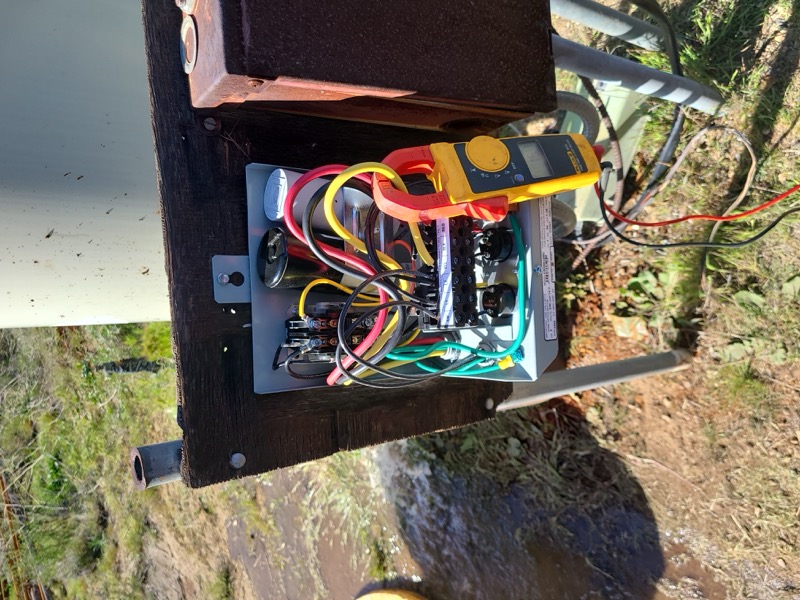
- Electrical failures from heat and dust — Desert conditions are hard on control boxes, capacitors, and pressure switches. Dust infiltration causes contact corrosion, and extreme heat degrades capacitors faster than in milder climates. If your pump won't start or the breaker trips repeatedly, it's usually an electrical component, not the pump itself.
- Sand pumping — Some Anza-Borrego wells produce fine sand, especially after heavy use or when water levels drop. Sand damages pump impellers and clogs fixtures. If you see sand in your water, shut down the system and call — continued operation will destroy the pump.
- Post-storm contamination — Flash floods can introduce surface water into wells if the wellhead isn't properly sealed. After any significant rain or flooding event, if your water suddenly tastes or smells different, it needs testing and likely shock chlorination.
Fast Emergency Response for Remote Desert Properties
We understand the urgency of well failures in Shelter Valley and Anza-Borrego:
- 24/7 live phone support — Call (760) 440-8520 any time. We guide you through immediate protective steps and dispatch a technician.
- Same-day service when possible — Shelter Valley is remote, and response time depends on where our nearest crew is located. We prioritize desert calls because we know there's no backup water source. Expect 2-4 hours from Borrego Springs area, longer if we're dispatching from Ramona or Julian.
- Equipped for deep desert wells — Our trucks carry pumps rated for 400-800 foot depths, longer drop pipes, and the heavier wire gauge needed for deep installations. We also carry components sized for the higher flow rates common in desert agricultural and livestock wells.
- Upfront pricing with remote service fees — Shelter Valley service calls include a distance surcharge due to the remote location. We always provide clear pricing before work begins.
Before We Arrive
Protect your system: turn off the pump breaker immediately to prevent dry-run damage (especially critical if you suspect low water levels). Conserve any water remaining in your storage tank. If you hear the pump running but no water is flowing, or if it's cycling on and off rapidly, shut it down. Note when the problem started, recent weather (storms, extreme heat), and whether you've had unusually high water usage. This information helps us diagnose faster and bring the right equipment.
Complete Emergency Well Services for Desert Properties
- Deep well submersible pump replacement — Pull and replace pumps in wells up to 800+ feet. Desert wells often require higher-horsepower pumps and larger storage tanks. Typical time: 6-8 hours for deep installations. Cost: $3,500-8,000+ depending on depth and pump size.
- Electrical system diagnosis and repair — Control box replacement, capacitor replacement (heat-stressed capacitors fail frequently in the desert), pressure switch repair, and wiring upgrades. Usually $150-600.
- Pressure tank and storage tank service — Desert properties often use larger pressure tanks (80-120 gallon) or supplemental storage tanks to reduce pump cycling. We carry and install both.
- Water level measurement and flow testing — Critical for desert wells. We measure static and pumping water levels to determine if your well can sustain current usage or if the aquifer is declining. Includes recovery time testing.
- Well disinfection and contamination response — Shock chlorination after flooding, storm events, or any suspected contamination. Includes follow-up testing.
- Pump lowering for declining water levels — If your aquifer level has dropped but the well still produces adequate water at greater depth, we can lower the pump to restore service. Requires well depth and capacity assessment first.
Unique Challenges of Shelter Valley and Anza-Borrego Wells
Extreme Heat and Equipment Stress
Summer temperatures in Shelter Valley regularly exceed 110°F and can reach 120°F. This level of sustained heat accelerates the degradation of electrical components, especially capacitors and pressure switches housed in metal enclosures. We recommend installing control boxes in shaded locations when possible and checking capacitors every 2-3 years rather than the typical 5-year interval used in milder climates.
Seasonal Water Level Fluctuations
Anza-Borrego aquifers are recharged primarily by winter rainfall and runoff from the surrounding mountains. Water levels are typically highest in late winter/early spring and lowest in late summer/early fall. Some wells experience seasonal drawdown of 20-50 feet or more. If your pump is set near the minimum safe depth, you may see declining performance or complete loss of water during dry years. Annual water level measurements help you stay ahead of this issue.
Mineral Content and Water Treatment
Many Anza-Borrego wells produce water with elevated TDS, hardness, sulfur, or specific minerals like iron and manganese. While often safe to drink, this water can be unpalatable and damaging to appliances. Water softeners, sediment filters, and in some cases reverse osmosis systems are common in this area. We can coordinate water testing and recommend treatment appropriate for your specific chemistry.
Wildlife and Wellhead Protection
Desert wildlife — including rodents, snakes, and insects — are attracted to the moisture around wellheads. A poorly sealed well cap is an invitation for contamination. Make sure your wellhead has a sanitary seal, the casing extends at least 12 inches above grade, and there's proper grading to direct surface water away from the well. Annual wellhead inspections catch problems before they become contamination events.
We service all major pump brands including Franklin Electric, Grundfos, Goulds (Xylem), and Sta-Rite (Pentair). Our trucks carry common parts and components for same-day repairs.
Emergency Well Repair FAQs for Desert Properties
How fast can you get to Shelter Valley?
Shelter Valley is remote — about 35 miles from Borrego Springs, 60+ miles from Ramona. Response time depends on where our nearest crew is located when you call. Expect 2-4 hours from the Borrego Springs area during business hours, potentially longer if we're dispatching from Ramona or Julian. We prioritize desert emergency calls because we understand you have no backup water source.
Is there a fee for service in remote areas like Shelter Valley?
Yes. Remote locations include a distance surcharge to cover travel time and fuel. We always provide complete, upfront pricing before any work begins — no surprises. The surcharge is typically $150-300 depending on where we're dispatching from.
Can you fix my desert well the same day?
In most cases, yes. Our trucks carry pumps rated for deep wells (up to 800 feet), heavy-gauge wire, and electrical components. Deep well pump replacements (500-800 feet) take 6-8 hours, so if we arrive mid-afternoon, the job may extend into evening. We'll complete it.
My well water level drops every summer. Is that normal?
Yes, for Anza-Borrego wells. Aquifer recharge happens primarily in winter from mountain runoff. Water levels typically peak in late winter/early spring and reach their lowest point in late summer/early fall. Some wells see 20-50+ feet of seasonal fluctuation. If your pump is set near the minimum safe depth, you may experience declining performance or loss of water during dry years. We can measure your water level and recommend whether the pump needs to be lowered or if the well can handle current usage patterns.
What if my well runs dry?
First, we measure the static water level to confirm the well is actually dry versus a pump or electrical failure (often it's the latter). If the well is genuinely dry or producing inadequate flow, options include: lowering the pump to a deeper producing zone (if the well is deep enough), drilling deeper (if geologically feasible), drilling a new well in a different location, or implementing water conservation measures and possibly supplemental water hauling during peak demand. We'll assess your specific situation and give you realistic options.
Do I need special equipment for a desert well?
Desert wells often require larger storage tanks to reduce pump cycling (which extends pump life in harsh conditions), higher-horsepower pumps for deep installations, and sometimes UV sterilization or filtration if you're dealing with water quality issues. We'll assess your system and recommend what actually makes sense for your property and usage — no over-selling.
Need Emergency Help in Shelter Valley?
Don't wait — call now for 24/7 emergency well service.
License #1013597 | Serving San Diego County
Related Articles
Continue learning about well maintenance and troubleshooting
No Water From Well? Emergency Troubleshooting Guide
Step-by-step guide to diagnose and fix no water emergencies

Emergency Well No Water Checklist
Quick checklist for when your well stops producing water
No Water Emergency: What to Check First
Essential first steps when facing a water emergency