
Well Services for Warner Springs Horse Properties
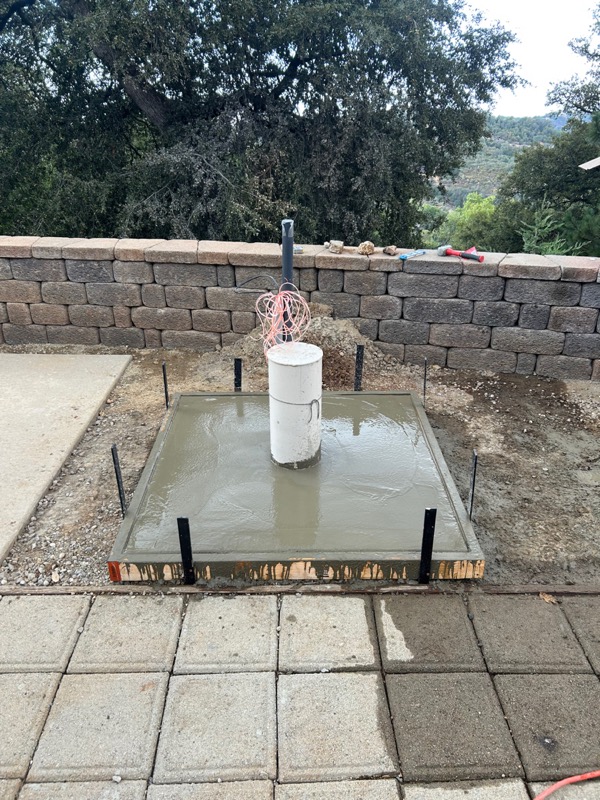
Own a horse property in Warner Springs? Equestrian properties have unique water demands—from stock watering to arena maintenance. Southern California Well Service understands the water needs of San Diego County horse ranches.
📋 In This Guide
- Water Demands for Horse Properties
- Well System Solutions
- Arena Dust Control Systems
- Serving Warner Springs Horse Properties
- Related Articles
Water Demands for Horse Properties
Horses and equestrian facilities require significant water:
- Drinking: 5-15 gallons per horse per day
- Stock tanks: Continuous fill to maintain levels
- Arena watering: 1,000-3,000 gallons per watering
- Wash racks: High-volume intermittent use
- Pasture irrigation: If applicable
Well System Solutions
High-Capacity Wells
Drilling and pump systems designed for sustained high-volume output.
Storage Tanks
Large capacity tanks to meet peak demands without overtaxing the well.
Multiple Well Systems
Separate wells for domestic use and livestock/arena use.
Water Quality Treatment
Ensure safe water for horses—they're sensitive to certain minerals.
Arena Dust Control Systems
Keeping your arena watered is essential for horse health and footing quality. We install:
- Underground irrigation systems
- Overhead sprinkler systems
- Water truck fill stations
- Automated timing controls
Serving Warner Springs Horse Properties
We've worked with horse properties throughout San Diego County and understand the unique challenges of equestrian water systems. Call for a free consultation.
Need Help With Your Well in Warner Springs?
Our expert technicians serve Warner Springs and all of San Diego County with professional well services.
Related Articles
Continue learning about well maintenance and troubleshooting

Signs Your Well Pump Is Failing
Catch pump problems early before you lose water completely.
Low Water Pressure From Well
Diagnose and fix pressure problems before they get worse.
Well Maintenance Guide
Keep your well running smoothly with regular maintenance.
Our Locations
1077 Main St, Ramona, CA 92065
57174 CA-371 (US Hwy 79), Anza, CA 92539
Well Water in Historic Warner Springs Ranch Country
Warner Springs is a remote, high-meadow community in northeastern San Diego County, set in a broad valley around 3,000 feet of elevation that has been ranching country since the days of the historic Warner's Ranch. Big open parcels, grazing land, and horse properties define the area, which sits near Lake Henshaw and the San Felipe Valley along the Highway 79 corridor. This is about as rural as San Diego County gets, and essentially every property here depends on a private well.
With no municipal water and long distances between properties, self-sufficiency is the rule. For horse owners, that means the water system has to be both reliable and resilient — capable of meeting heavy livestock demand and weathering the power outages, temperature swings, and isolation that come with ranching in this high valley.
Understanding the Real Water Needs of Your Warner Springs Horse Property
Most new ranch owners dramatically underestimate how much water their property consumes. A single horse drinks roughly 8 to 12 gallons of clean water every day, and considerably more in hot weather, when lactating, or when working hard. A property with six to ten horses can easily go through 80 to 150 gallons a day just for drinking — before you account for anything else.
And there is a great deal else. A working equestrian property draws water for:
- Stock watering & automatic troughs — continuous, non-negotiable demand; troughs and float valves must refill reliably day and night.
- Wash racks — high-volume, intermittent bursts; a single wash rack hose can run 5–8 gallons per minute, and several at once during show prep.
- Arena dust control & footing — an arena may need 1,000 to 3,000+ gallons per watering to keep footing safe and dust down, sometimes daily in summer.
- Pasture, paddock & turnout irrigation — where green pasture or fly-control misting is maintained, irrigation can dwarf every other use.
- Barn cleaning, fly systems, and the house — ordinary domestic and facility demand on top of the livestock load.
In the high, dry Warner Springs valley, summer heat drives horse consumption up while the remoteness means you cannot count on a quick water delivery if something fails — making generous on-site storage essential. When these demands overlap — a hot afternoon with troughs refilling, the wash rack running, and arena sprinklers on — peak demand can be many times the daily average. A water system that looks fine in the morning can run short by mid-afternoon if it was sized only for averages.
Warner Springs Geology and Conditions
The Warner Springs valley combines alluvial valley-fill in the meadows with the fractured granitic bedrock typical of the San Diego County backcountry. Wells in the valley floor can find water in the sediments, while higher and harder ground often requires deeper drilling. The area is known for geothermal influence and warm springs, and water chemistry can vary noticeably from one part of the valley to another — a strong reason to test before assuming your water is ideal for horses.
At 3,000 feet, Warner Springs sees cold winters with freezing nights and hot, dry summers. Freeze protection for lines, tanks, and automatic waterers matters here, and so does outage resilience: rural backcountry circuits are among the first to go down in wind and storm events and during Public Safety Power Shutoffs. A storage tank plus generator readiness is close to mandatory for a working barn in this area.
Designing a Water System That Keeps Horses Watered
A horse property water system is not just a bigger version of a household well. Horses drink constantly, do not tolerate running dry, and a single hot afternoon can spike demand far above the daily average. The right system for your Warner Springs ranch is built around three coordinated parts working together: the well, the storage, and the pressure system.
The Well and Pump
The well is your source, but on most ranch properties the well itself does not need to be enormous — it needs to be reliable and correctly matched to a storage tank. Rather than trying to size a pump that can meet your single highest instantaneous demand (every faucet, hydrant, and arena sprinkler at once), we typically size the well pump to refill storage steadily over the course of the day. A well producing 8–15 gallons per minute, paired with adequate storage, can comfortably serve a property that would overwhelm a pump-direct system. This approach also protects a modest well from being over-pumped, which is one of the most common ways ranch owners burn out a pump or draw a well down to silt.
Storage Tanks — The Heart of a Ranch System
Storage is what turns an ordinary well into a dependable equestrian water supply. A 2,500 to 10,000 gallon storage tank acts as a buffer: the well fills it slowly and steadily, and the tank releases water on demand when you fill troughs, run the wash rack, and water the arena all at once. Storage also gives you a reserve — if the power goes out or the pump needs service, a full tank means your horses still have water for a day or more. For larger barns and multi-horse operations, we frequently recommend sizing storage to hold at least one to two full days of total demand.
Booster Pump and Constant Pressure
Drawing from a storage tank, a booster pump (often a constant-pressure, variable-speed unit) delivers steady, strong pressure to the house, barn, hydrants, and arena system. Constant-pressure systems are especially valuable on horse properties because they hold pressure steady whether you are filling one trough or running several wash-rack hoses and arena sprinklers simultaneously — no frustrating pressure drop when a second hose comes on.
Water Quality for Horses and Livestock
Horses are more sensitive to certain water-quality issues than people or even cattle. Water that is technically “safe” for the house can still discourage horses from drinking enough, or contribute to health problems over time. On Warner Springs and San Diego County properties, the parameters worth testing and watching include:
- Total dissolved solids (TDS) and salinity — high TDS makes water taste off and reduces intake; horses are less salt-tolerant than cattle.
- Sulfates — elevated sulfate can cause loose manure and reduced consumption; horses are notably sensitive.
- Nitrates — a livestock and human health concern at elevated levels, sometimes linked to nearby agriculture or old septic systems.
- Iron, manganese, and hardness — common in our regional groundwater; cause staining, scale that clogs float valves and automatic waterers, and mineral buildup that shortens pump life.
- Bacteria — worth periodic testing, especially after work on the well or a drop in water level.
Because of geothermal activity and variable chemistry around Warner Springs, water quality genuinely differs parcel to parcel; testing for TDS, sulfate, and minerals before relying on a well for horses is strongly advised. A horse that drinks less because the water tastes mineral-heavy is a horse at higher risk of impaction colic, especially in cold weather. We recommend testing water quality when you buy a property, after any major change in taste, color, or smell, and on a periodic basis for working barns. Treatment — from simple sediment and iron filtration to softening or reverse osmosis for the most sensitive uses — is matched to your actual test results, not sold by default.
Reliability and Backup — So Horses Never Go Without
For a household, a few hours without water is an inconvenience. For a barn full of horses on a hot day, it is an emergency. Redundancy is therefore central to how we design and maintain Warner Springs equestrian systems.
- Storage as your first line of backup — a properly sized tank means a pump or power failure does not immediately translate to empty troughs. You have hours to a day-plus of reserve.
- Generator-ready or generator backup — rural Warner Springs circuits see outages during storms, wind events, and Public Safety Power Shutoffs. A transfer switch or standby generator keeps the well and booster running.
- Dual or redundant pumps — on larger operations, a second booster pump or a spare submersible on the shelf turns a multi-day outage into a same-day fix.
- Monitoring and float controls — tank level sensors and low-water alarms warn you before a trough runs dry, not after.
We talk through your risk tolerance and herd size and build a backup plan that fits. The goal is simple: even when something fails, your horses keep drinking.
Maintenance and Common Ranch-Property Issues
Equestrian systems work hard, and the components that fail are usually the ones that get the least attention until something goes wrong. The problems we are called out for most often on Warner Springs horse properties include:
- Worn or failing pumps — ranch pumps cycle far more than household pumps; high duty cycles and mineral wear shorten their life.
- Waterlogged or failed pressure tanks — causing rapid pump cycling that destroys pumps and motors.
- Clogged float valves and automatic waterers — mineral scale and sediment jam the very valves your herd depends on.
- Declining well yield — from drought drawdown, sediment, or screen and casing fouling that a well rehabilitation can often restore.
- Leaking buried lines and hydrants — long runs of pipe across a property hide leaks that quietly drain your well and your budget.
- Electrical and control faults — pressure switches, contactors, and controllers exposed to dust, weather, and rodents.
A simple annual inspection — checking pump performance, pressure-tank charge, water level, water quality, and the condition of tanks and controls — catches most of these before they become a no-water emergency in the middle of summer.
When to Call a Professional
Call us promptly if you notice dropping pressure, air spitting from faucets or hydrants, the pump short-cycling or running constantly, sudden changes in water color or smell, an unexplained jump in your power bill, or troughs that are slow to refill. These are early warnings that, addressed early, are far cheaper than a full failure during a heat wave.
What Equestrian Well Work Typically Costs
Every property is different, but these ranges help you plan. We always provide a clear written estimate before any work begins.
- New well, turnkey — roughly $18,000 to $42,000 depending on depth, geology, casing, and the pump system. Hard-rock and deep ranch wells fall toward the upper end.
- Storage tank + booster / constant-pressure system — about $3,000 to $8,000 depending on tank size and pump configuration; the single best upgrade for most ranch properties.
- Pump replacement — generally $2,500 to $5,500 depending on depth, horsepower, and wiring.
- Diagnostic visit — a flat $125 diagnostic fee, which we credit toward the repair if you proceed with us.
Frequently Asked Questions
Is Warner Springs water safe for horses?
It can be, but the area's geothermal influence means chemistry varies significantly between parcels. We strongly recommend testing for TDS, sulfate, hardness, iron, and bacteria before relying on a well for a barn, since horses are sensitive to several of these and may drink less if the water tastes mineral-heavy.
How deep are wells around Warner Springs?
Wells in the valley floor may reach water in alluvial deposits at moderate depths, while harder, higher ground often requires deeper drilling through fractured granite. Local conditions vary, so a site assessment is the best guide.
Do I need freeze protection in Warner Springs?
Yes. At roughly 3,000 feet, winter nights drop below freezing. Buried lines at proper depth, insulated well houses, and heated automatic waterers keep water flowing through cold snaps that would otherwise freeze troughs and burst pipe.
How important is backup power out here?
Critical. Backcountry circuits around Warner Springs lose power during storms, wind events, and Public Safety Power Shutoffs. Combined with the area's remoteness, that makes a sized storage reserve and generator readiness essential so horses never go without water.
How much storage should a Warner Springs ranch keep?
Given the isolation, we lean toward generous storage, often enough for two or more days of total demand, so a pump or power problem does not become an emergency before help can reach a remote property.
Do you really service an area this remote?
Yes. Warner Springs sits along the Highway 79 corridor between our Ramona and Anza offices, and it is well within our regular service area, including same-day emergency response.
Get Your Warner Springs Horse Property Water System Right
With serving since 2020 Southern California ranch country as a licensed C-57 water well contractor — built one property at a time — Southern California Well Service knows what it takes to keep horses watered reliably. From new wells and storage upgrades to pump repair, water treatment, and same-day emergency service, we handle it all from our offices in Ramona (1077 Main St, Ramona, CA 92065) and Anza (57174 CA-371 (US Hwy 79), Anza, CA 92539).
Call us at (760) 440-8520, text (760) 219-5877, or request a free estimate online. When your horses depend on your well, depend on a team that has spent since 2020 getting it right.