
How to Adjust Your Well Pressure Switch Safely
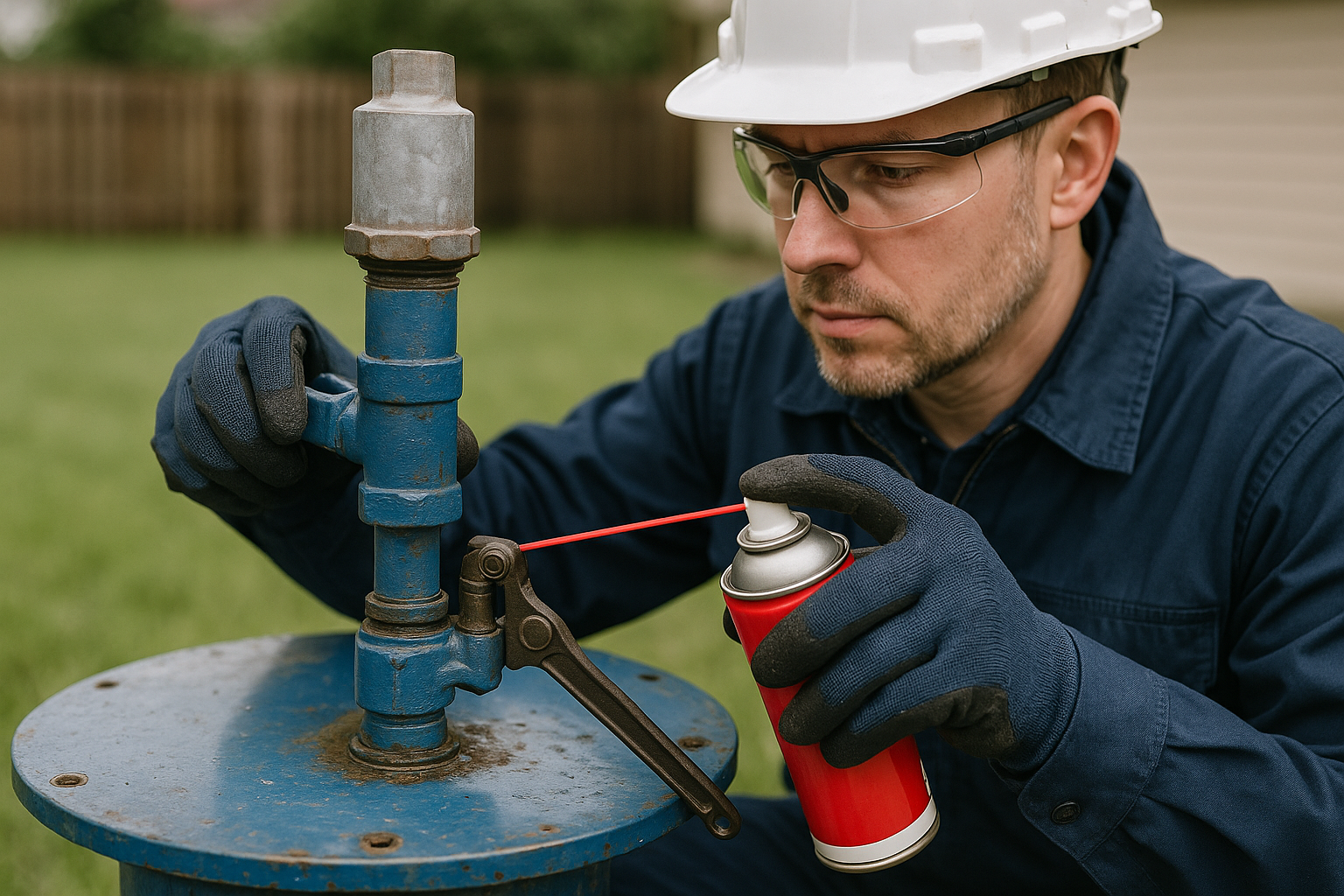
Step-by-step pressure switch adjustment. Cut-in and cut-out settings explained.
📋 In This Guide
See our pressure switch services.
(760) 440-8520Understanding Your Pressure Switch
The pressure switch is a small gray or black box mounted on your pressure tank's plumbing, connected by a thin copper tube that senses system pressure. Inside, springs press against a diaphragm—as pressure changes, the diaphragm moves contacts that turn your pump on and off. Two adjustment nuts control the settings: the larger nut adjusts both cut-in and cut-out together (range adjustment), while the smaller nut adjusts only the cut-out, changing the differential between settings. Standard residential switches have preset differentials of 20 PSI, so a 40/60 setting means 40 PSI cut-in and 60 PSI cut-out. Before making any adjustments, document your current settings so you can restore them if needed.
Step-by-Step Adjustment Procedure
First, turn off power to the pump at the circuit breaker—verify it's off using a voltage tester. Remove the pressure switch cover (usually one screw). You'll see two spring-loaded nuts: the larger one (range) and smaller one (differential). To raise both cut-in and cut-out equally, tighten the large nut clockwise—each full turn typically raises pressure about 2-3 PSI. To only raise cut-out (increase differential), tighten the small nut. Conversely, loosen to decrease pressure. Make small adjustments, typically one-half turn at a time. Replace the cover, restore power, and run water to cycle the pump, noting when it starts and stops. Verify settings match your target. Repeat adjustments as needed.
Safety Warnings and Precautions
Working with pressure switches involves electrical and pressure hazards. Always disconnect power at the breaker—the switch operates on 240 volts, which is lethal. Never touch wires or terminals without power verification. Watch for signs of burned contacts, melted plastic, or corrosion inside the switch—these indicate replacement, not adjustment. Never exceed 80 PSI cut-out in residential systems; higher pressures damage fixtures and void warranties. Ensure your pressure tank's air precharge (checked when empty) is 2 PSI below your new cut-in setting. If springs appear damaged, contacts are pitted, or the switch looks heat-damaged, replace rather than adjust. When in doubt, SCWS technicians can safely adjust or replace your switch during a routine service call.
Common Adjustment Scenarios
Different situations call for different adjustments. For weak shower pressure, increasing cut-in from 30 to 40 PSI and cut-out from 50 to 60 PSI adds noticeable force. If your pump cycles too frequently (short-cycling), check tank air precharge first—this is more common than switch problems. For homes with multiple stories, higher pressure (40/70) helps upper floors receive adequate flow. If you've installed a water treatment system, you may need increased pressure to compensate for pressure loss through filters. In drought conditions when well yield drops, lowering pressure settings reduces pump stress. Always verify your pump can comfortably reach new cut-out settings—straining to reach unachievable pressure causes overheating and premature failure.
When Adjustment Isn't the Answer
Sometimes pressure switch adjustment can't solve the underlying problem. If you adjust to higher settings but pressure still feels low, the issue may be clogged pipes, failing pressure tank, pump wear, or plumbing restrictions—adjustment masks these problems. Short-cycling despite correct settings points to waterlogged tanks or check valve failures. Burned switch contacts indicate electrical issues that adjustment won't fix. If your pump struggles to reach cut-out or cycles every few minutes, professional diagnosis is needed. Southern California Well Service can evaluate your complete system—pump, tank, switch, and plumbing—to identify actual problems rather than applying band-aid adjustments. Sometimes what seems like a pressure issue is really a flow rate problem requiring different solutions.
We service all major pump brands including Franklin Electric, Grundfos, Goulds (Xylem), and Sta-Rite (Pentair). Our trucks carry common parts and components for same-day repairs.
Frequently Asked Questions
What do cut-in and cut-out pressure mean?
Cut-in pressure is when your pump turns ON—the low point that triggers pump activation. Cut-out pressure is when the pump turns OFF after reaching the high point. Standard settings are 30/50 or 40/60 PSI. The 20 PSI difference between settings is called the differential. For example, with 40/60 settings, your pump starts when pressure drops to 40 PSI and stops when it reaches 60 PSI. Adjusting these affects your water pressure throughout the house.
Is it safe to adjust my own pressure switch?
Basic pressure switch adjustment is reasonably safe for handy homeowners who understand electrical safety. However, you're working near 240-volt electricity and pressurized water. Always turn off power at the breaker before removing the switch cover. Never exceed your pump's or tank's rated maximum pressure. If you're uncomfortable with electrical work, unfamiliar with your system, or the switch looks damaged or corroded, hire a professional. SCWS offers pressure switch adjustment as part of comprehensive well service.
What tools do I need to adjust a pressure switch?
You'll need basic tools: a flathead screwdriver or nut driver (usually 3/8 inch) for the adjustment nuts, a standard screwdriver to remove the switch cover, and your pressure gauge to verify settings. A voltage tester provides important safety confirmation that power is truly off. Have a flashlight handy to see inside the switch housing. Keep your well's documentation nearby to reference pump and tank specifications for maximum safe pressure limits.
How much can I safely increase my water pressure?
Pressure increases should be modest—usually no more than 10-20 PSI above factory settings. Your system has limits: pressure tanks are typically rated for 100 PSI maximum, but optimal performance is well below that. Pump capability also matters—boosting pressure beyond what your pump can achieve just causes constant running. Most importantly, water pressure above 80 PSI damages fixtures, appliances, and pipe joints over time. If you need significantly higher pressure, consider a booster pump system rather than over-pressuring your well system.
My pump runs constantly after adjusting the pressure switch. What happened?
Constant running means your pump cannot reach the new cut-out pressure. This happens when: you set cut-out higher than your pump can achieve, there's a significant leak in your plumbing, your well's flow rate is too low, or your pump is worn and has lost capacity. Immediately turn off the pump to prevent overheating damage. Restore original settings and test. If the pump reached cut-out before your adjustment, lower your new settings. If problems persist, your pump or well may have limitations requiring professional assessment.
Get Expert Help
Contact Southern California Well Service for professional assistance.
Call (760) 440-8520Serving San Diego, Riverside & San Bernardino Counties
Related Articles
Continue learning about well maintenance and troubleshooting
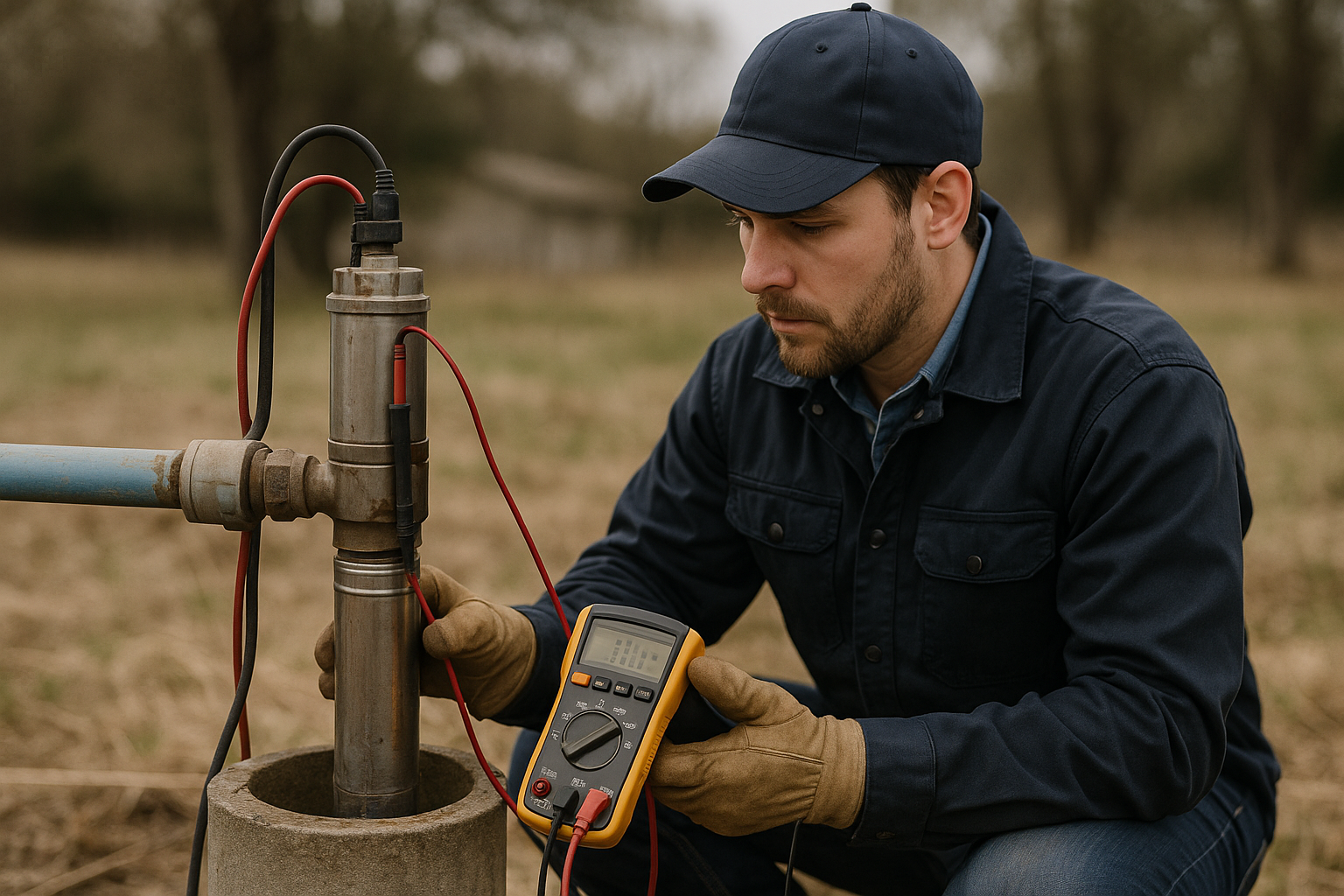
Low Water Pressure From Well: Complete Fix Guide
Diagnose and solve low pressure problems
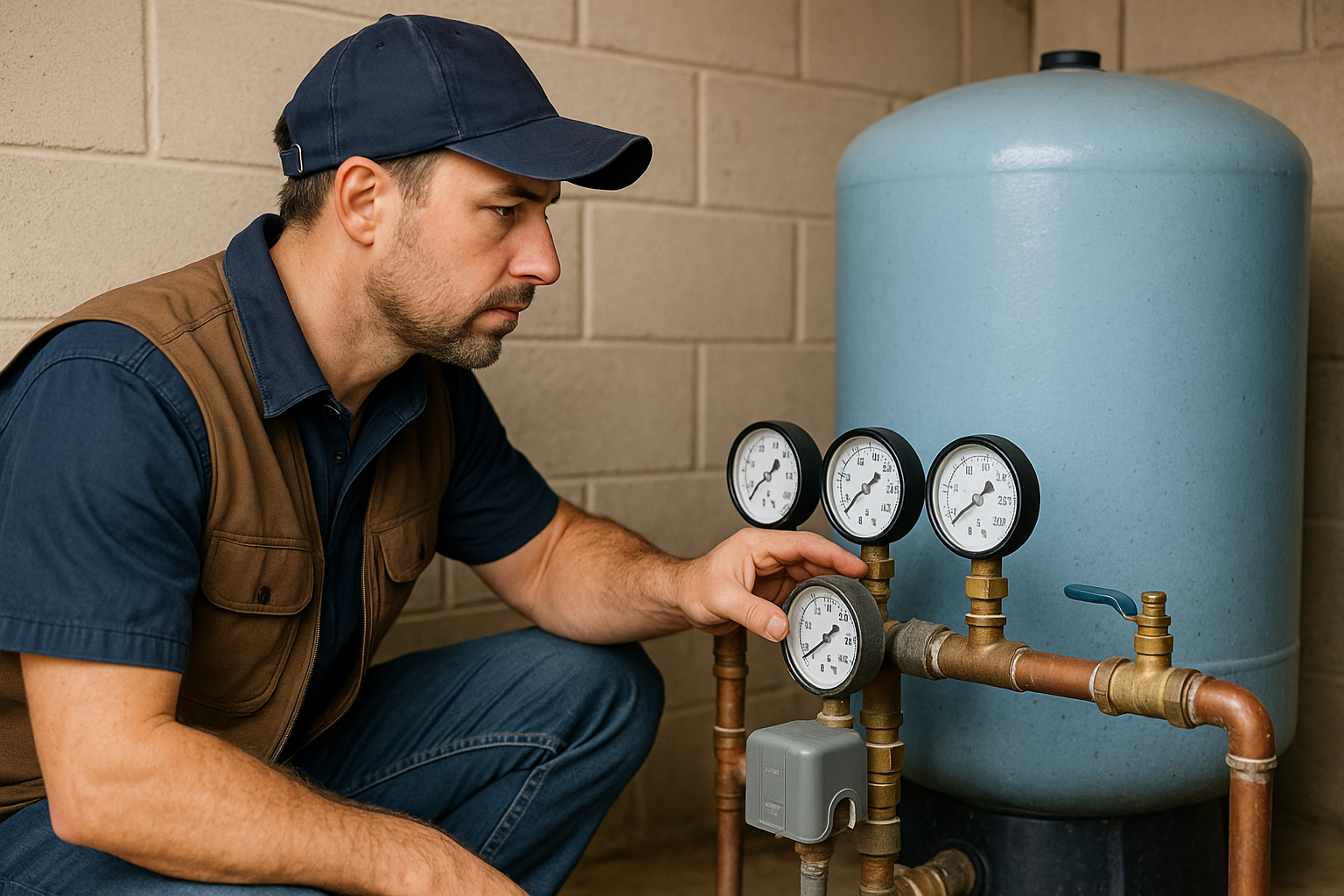
Well Pressure Switch: Settings, Adjustment & Replacement
Everything about pressure switches
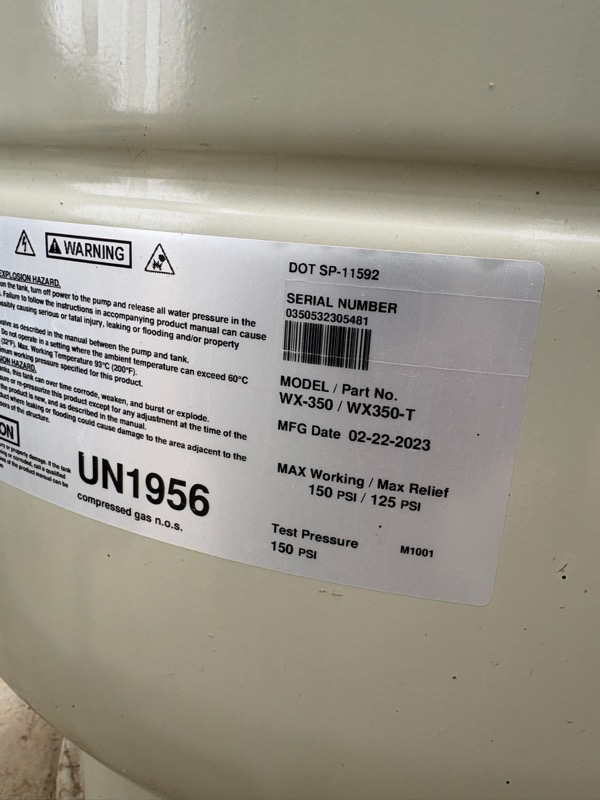
Pressure Tank Maintenance: Complete Guide
Keep your pressure tank working properly