How to Increase Well Water Pressure: Complete Solutions Guide
Low water pressure is one of the most common complaints among well owners. Weak showers, slow-filling appliances, and inadequate flow for irrigation can be frustrating daily problems. The good news is that well water pressure can almost always be improved with the right approach. This comprehensive guide covers everything from simple DIY fixes to system upgrades that can dramatically improve your water pressure.
📋 In This Guide
- Understanding Well Water Pressure
- Diagnosing Your Pressure Problem
- Solution 1: Adjust the Pressure Switch
- Solution 2: Check and Adjust Pressure Tank
- Solution 3: Install a Larger Pressure Tank
- Solution 4: Install a Constant Pressure System
- Solution 5: Install a Booster Pump
- Solution 6: Upgrade Your Well Pump
- Solution 7: Address Plumbing Restrictions
- Solution 8: Pipe Upgrades
- Understanding Your Well's Limitations
- Maintenance for Consistent Pressure
- When to Call a Professional
- Conclusion
- Related Articles
Understanding Well Water Pressure
Before diving into solutions, it's important to understand how well systems create and maintain pressure:
How Your System Works
Your well pump pushes water into a pressure tank, compressing the air inside. When you open a faucet, that compressed air pushes water through your pipes. The pressure switch monitors the pressure and turns the pump on when it drops too low (cut-in) and off when it reaches maximum (cut-out).
Normal Pressure Ranges
- 30/50 PSI: Common setting, adequate for single-story homes
- 40/60 PSI: Better for two-story homes
- 50/70 PSI: May be needed for multi-story or large homes
Pressure vs. Flow
Pressure (PSI) and flow rate (gallons per minute) are related but different. You might have adequate pressure but insufficient flow—or vice versa. Understanding which problem you have determines the solution.
Diagnosing Your Pressure Problem
Start by identifying the actual issue:
Check Your Pressure
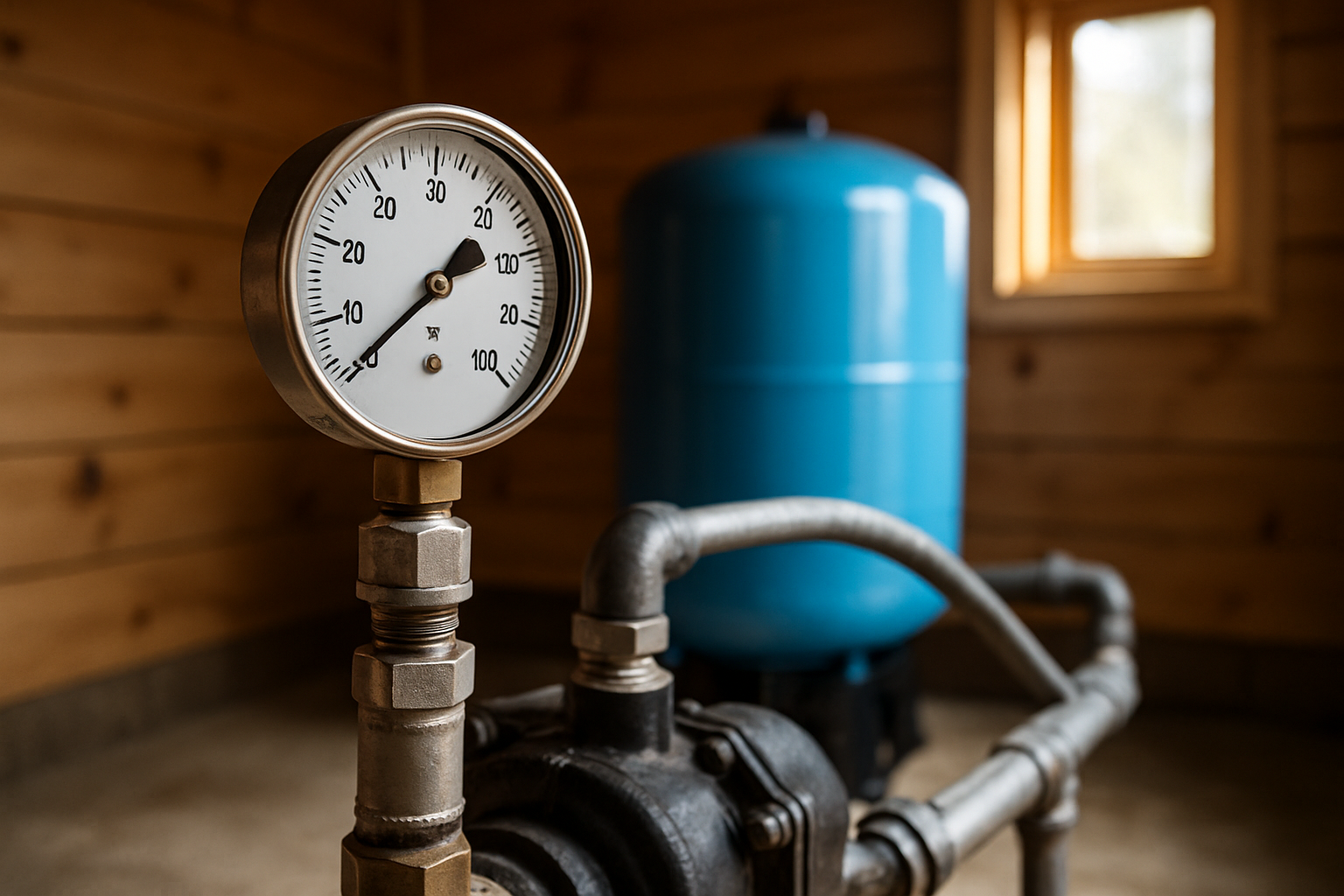
- Find the pressure gauge on your system (usually near the pressure tank)
- With no water running, note the pressure (should be at cut-out)
- Open a faucet and watch the pressure drop
- Note when the pump kicks on (cut-in pressure)
Compare Multiple Locations
- Is pressure low everywhere or just certain fixtures?
- Is hot water pressure different from cold?
- Is it worse upstairs vs. downstairs?
- Has it always been low or is this a new problem?
Common Causes of Low Pressure
- Pressure switch set too low
- Pressure tank problems (waterlogged or failed bladder)
- Undersized or worn pump
- Clogged pipes or fixtures
- Well yield limitations
- Leaks in the system
- Friction losses in piping
Solution 1: Adjust the Pressure Switch
The quickest potential fix is adjusting your existing pressure switch:
How to Adjust
- Turn off power to the pump
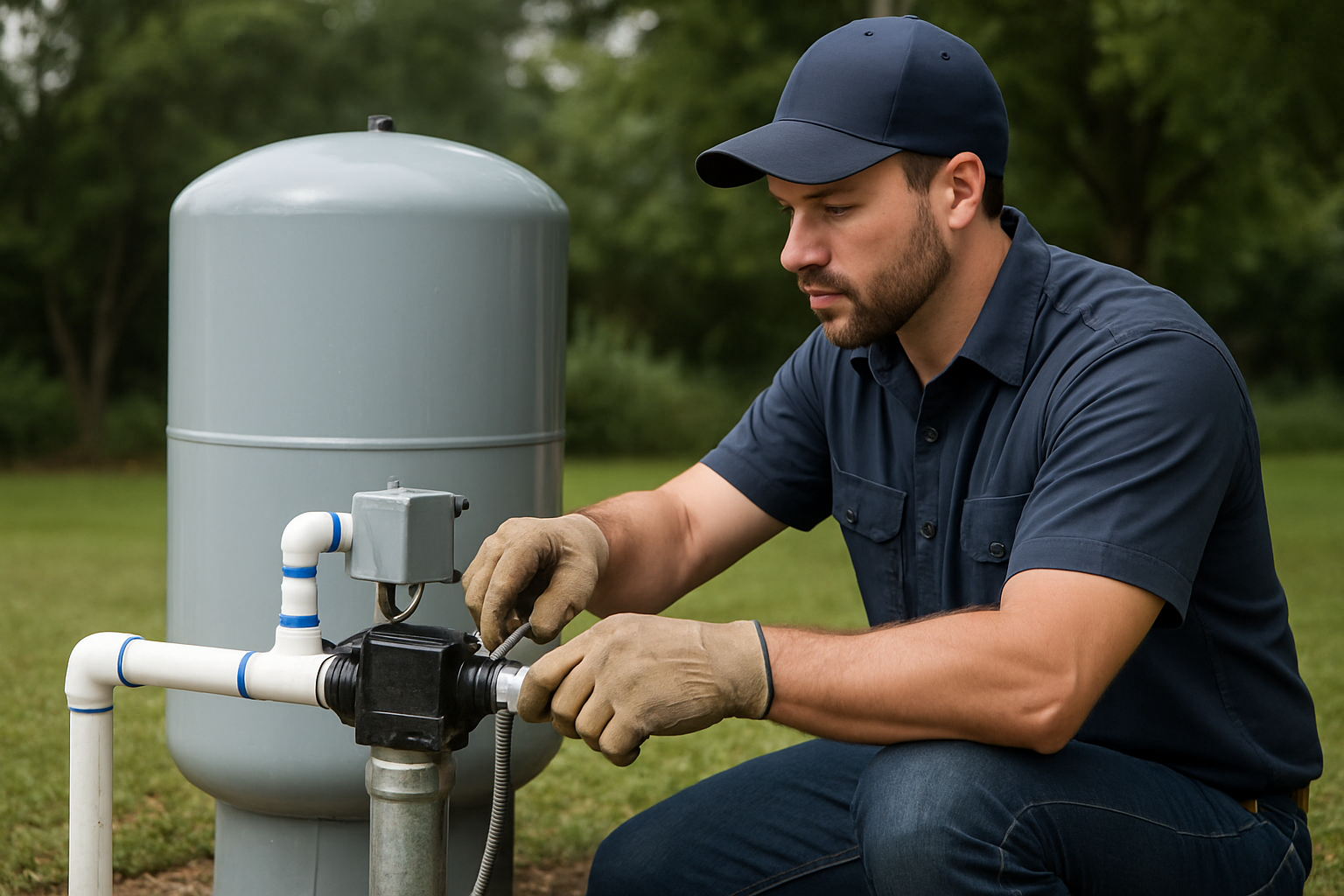
- Remove the pressure switch cover
- Locate the adjustment nuts on the springs
- The large nut adjusts both cut-in and cut-out together
- Turn clockwise to increase pressure (1 turn ≈ 2-3 PSI)
- Make small adjustments and test between changes
Important Considerations
- Don't exceed your pump's maximum pressure rating
- The pressure tank's air precharge must be adjusted to match (2 PSI below cut-in)
- Higher pressure means more work for the pump and higher electricity use
- Most residential systems shouldn't exceed 60-70 PSI cut-out
Solution 2: Check and Adjust Pressure Tank
A properly functioning pressure tank is essential for good pressure:
Signs of Tank Problems
- Pump cycles on and off rapidly (short cycling)
- Pressure fluctuates noticeably during use
- Tank feels completely heavy (waterlogged)
- Water spurts from air valve (bladder failure)
Check Tank Air Precharge
- Turn off pump and drain system pressure
- Check air pressure at the Schrader valve (top of tank)
- Should be 2 PSI below your cut-in pressure
- Add air with a tire pump if needed
- If air won't hold, the bladder may have failed
When to Replace
Failed bladders require tank replacement—this is often the source of pressure problems in older systems.
Solution 3: Install a Larger Pressure Tank
A larger tank provides more drawdown (usable water) and steadier pressure:
Benefits
- More water available before pump activates
- Steadier pressure during use
- Reduced pump cycling extends pump life
- Better handling of peak demand
Sizing Considerations
- Minimum: 1 gallon of drawdown per GPM of pump capacity
- Better: Match drawdown to highest demand scenario
- Don't over-size—very large tanks may cause water quality issues from long stagnation
Solution 4: Install a Constant Pressure System
For the best possible pressure control, consider a constant pressure system:
How It Works
A variable frequency drive (VFD) controller adjusts pump motor speed to maintain constant pressure regardless of demand. When you open a faucet, the controller increases pump speed to match demand.
Advantages
- Rock-steady pressure at all times
- No pressure drop when multiple fixtures are used
- Reduced pump cycling
- Energy savings at low-demand times
- Soft start protects motor and reduces electrical demand
Considerations
- Higher initial cost ($500-$1,500+ for controller)
- Works best with compatible pumps
- Professional installation recommended
Solution 5: Install a Booster Pump
When your well pump can't deliver adequate pressure, a booster pump may help:
When to Consider
- Long distance from well to house
- Significant elevation changes
- Very long pipe runs creating friction loss
- Existing pump can't be replaced
Types of Boosters
- Inline booster: Installed in the main line, boosts all water
- On-demand booster: Activates when flow is detected
- Point-of-use booster: Serves specific fixtures
Important Note
A booster pump can't create more water—if your well's yield is the limiting factor, a booster won't help and may cause the well to run dry.
Solution 6: Upgrade Your Well Pump
Sometimes the existing pump simply can't deliver what you need:
Signs You Need a New Pump
- Pump is old (10-15+ years for submersible)
- Flow rate has declined over time
- Pump can't achieve desired pressure
- Increased electrical consumption
Choosing a Replacement
- Match pump capacity to well yield and household demand
- Ensure the pump can deliver desired pressure at needed flow
- Consider variable speed pumps for constant pressure
- Professional sizing ensures optimal performance
Solution 7: Address Plumbing Restrictions
Sometimes the problem isn't the well system at all:
Check for Restrictions
- Clogged aerators: Remove and clean or replace faucet aerators
- Sediment in lines: May need professional flushing
- Scale buildup: Especially in hot water lines
- Corroded pipes: Old galvanized pipes restrict flow dramatically
- Undersized pipes: 1/2" pipes may be inadequate for modern demands
Fixture-Specific Issues
- Low-flow showerheads can be replaced
- PRV (pressure reducing valve) may be set too low or stuck
- Water heater sediment can reduce hot water pressure
- Whole-house filters may need changing
Check for Leaks
Hidden leaks can significantly reduce pressure:
- Check for constantly running pump
- Look for wet spots in yard
- Monitor water meter (if equipped) with everything off
- Professional leak detection may be needed
Solution 8: Pipe Upgrades
For homes with old or undersized plumbing:
When Pipe Replacement Helps
- Old galvanized steel pipes (common in pre-1970 homes)
- Small diameter main lines (1/2" or less)
- Long runs with multiple fittings
Modern Options
- PEX: Flexible, easy to install, smooth interior
- CPVC: Rigid, durable, good for hot water
- Copper: Long-lasting but expensive
Even partial re-piping of main lines can significantly improve flow.
Understanding Your Well's Limitations
Some pressure issues relate to the well itself:
Well Yield
If your well only produces 3 gallons per minute, no pump upgrade will deliver more. Solutions for low-yield wells:
- Storage tank system to accumulate water during low-use periods
- Water conservation measures
- Well rehabilitation (hydrofracturing, chemical treatment)
- New well or deepening existing well
Well Depth
Deep wells face more pressure challenges. A 400-foot well requires significant pump capacity just to lift water to the surface, leaving less pressure for household use.
Maintenance for Consistent Pressure
Keep your system performing optimally:
- Check pressure tank air charge annually
- Replace sediment filters regularly
- Clean aerators and showerheads periodically
- Flush water heater annually
- Monitor pressure readings for changes
- Address cycling issues promptly
When to Call a Professional
Consider professional help when:
- Simple adjustments don't improve pressure
- You need pump or tank replacement
- Constant pressure system installation is desired
- Well yield may be an issue
- Major plumbing upgrades are needed
Conclusion
Low well water pressure is rarely a problem you have to live with. From simple pressure switch adjustments to comprehensive system upgrades, solutions exist for every situation and budget. Start with the easy fixes—adjusting the pressure switch and checking the pressure tank—then progress to more involved solutions if needed.
Remember that your well has inherent limitations based on its yield and depth. Working within those limits while optimizing your equipment and plumbing will deliver the best possible pressure to your fixtures. With the right approach, you can enjoy strong, consistent water pressure throughout your home.
Ready to improve your water pressure? Southern California Well Service can diagnose your pressure issues and recommend the most effective solutions. Contact us at (760) 440-8520 or visit www.scwellservice.com for expert assistance.