
How to Troubleshoot Low Well Water Pressure
Diagnose low pressure problems step by step. Common causes and DIY fixes.
📋 In This Guide
See our pressure repair services.
(760) 440-8520Start with the Simplest Possibilities
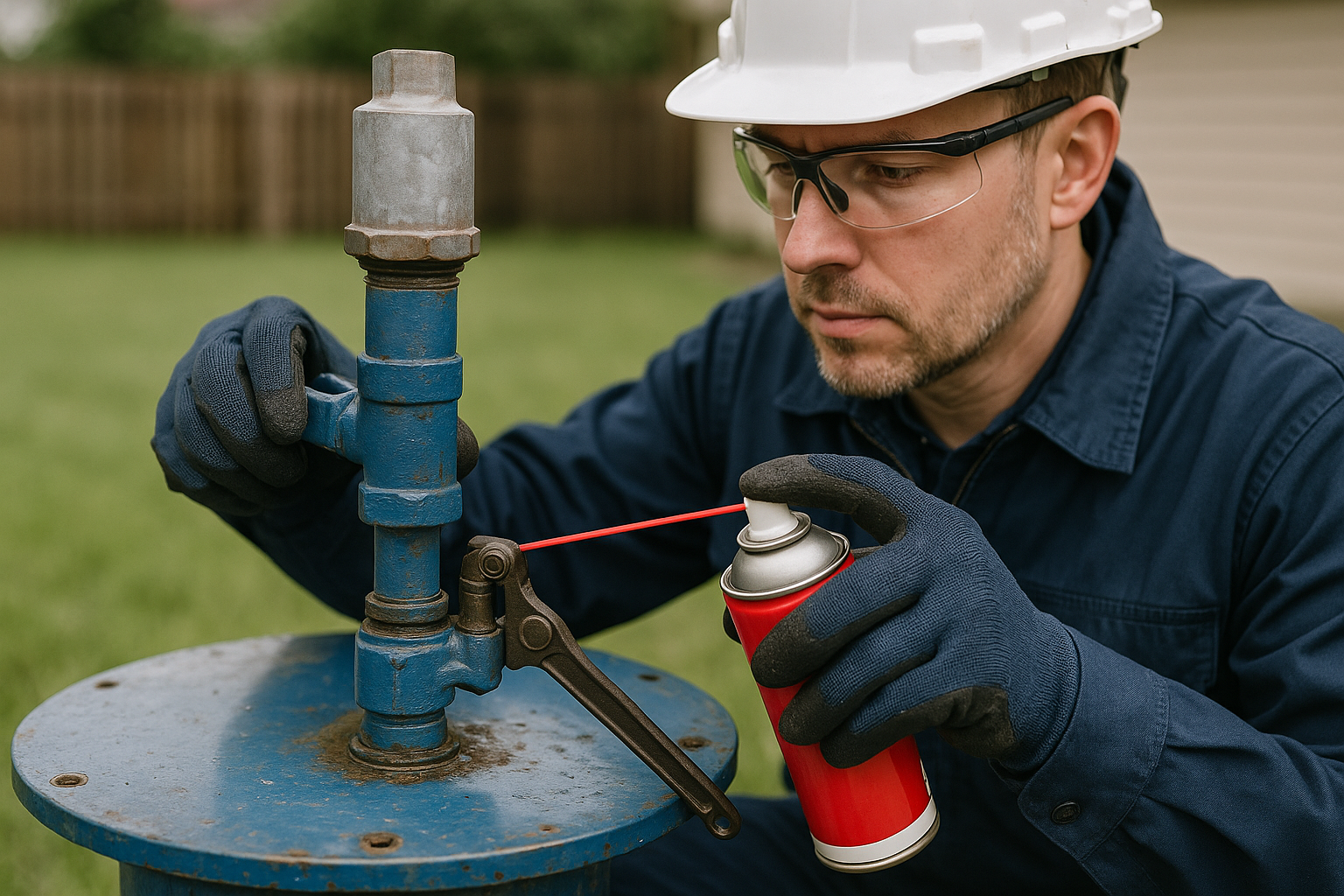
Before assuming expensive repairs, check obvious issues first. Verify all valves are fully open—ball valves should have handles parallel to pipes, gate valves should be turned counterclockwise until they stop. Check for partially closed main shutoff valves, both at the well and house entry. Inspect sediment filters and water treatment systems—clogged cartridges dramatically reduce pressure. A $10 filter replacement often solves pressure complaints. Check the pressure gauge itself—stuck or broken gauges give misleading readings. Open a faucet and watch the gauge; if pressure doesn't change as water flows, the gauge may be faulty. These quick checks take minutes and eliminate the simplest causes before progressing to more complex diagnosis.
Testing Your Pressure Tank
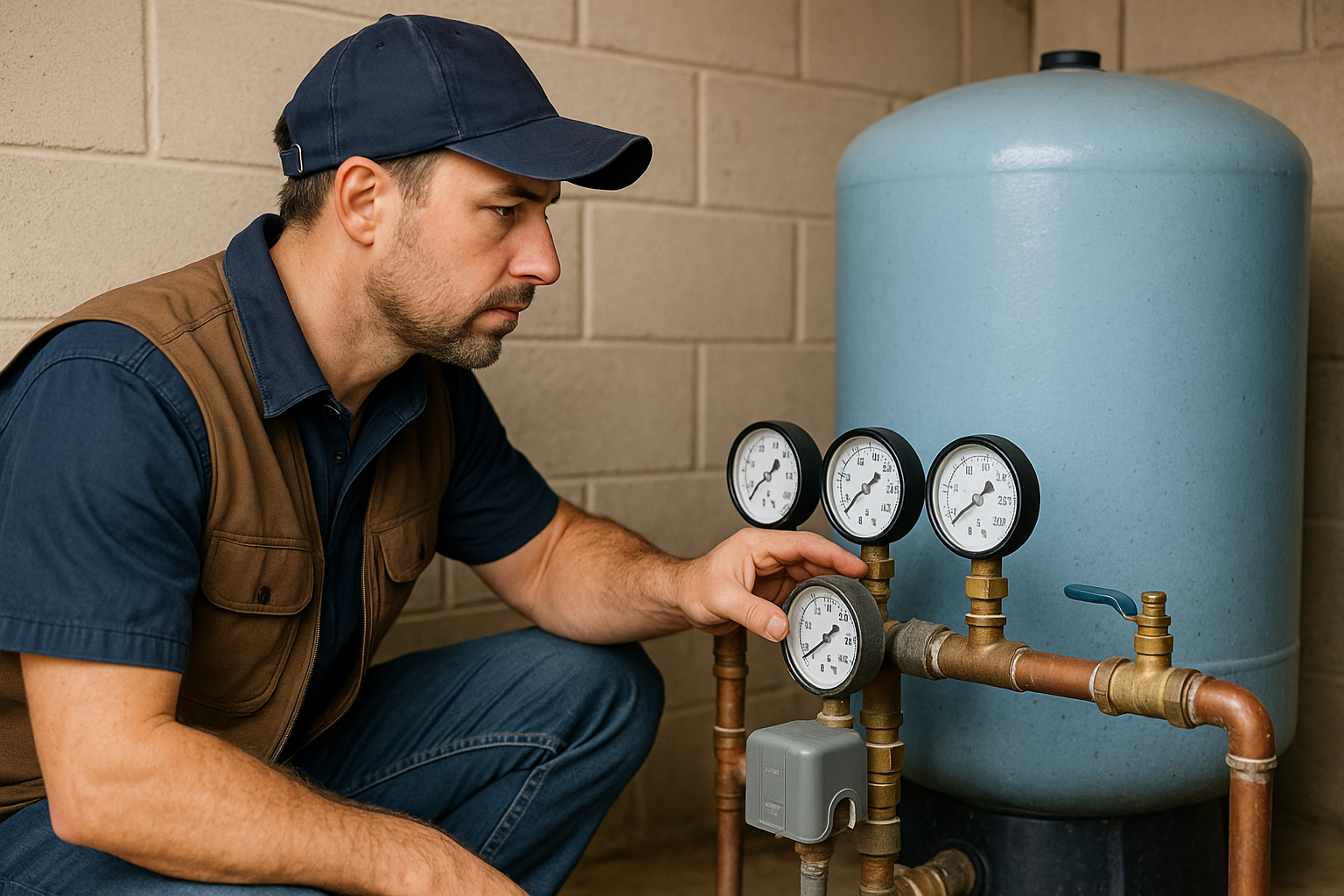
The pressure tank maintains system pressure and prevents rapid pump cycling. To test, turn off the pump and drain the tank by opening a faucet until pressure gauge reads zero. With the tank empty, check the air valve (looks like a tire valve) on top of the tank. Using a tire pressure gauge, measure the air precharge—it should read 2 PSI below your cut-in pressure (typically 28 PSI for a 30/50 system or 38 PSI for a 40/60 system). If air pressure is low or water spurts from the valve, the tank needs attention. Add air with a standard pump if pressure is low. If the bladder is ruptured (water comes from air valve), the tank needs replacement. Proper tank precharge is essential for normal pressure operation.
Evaluating Pump Performance
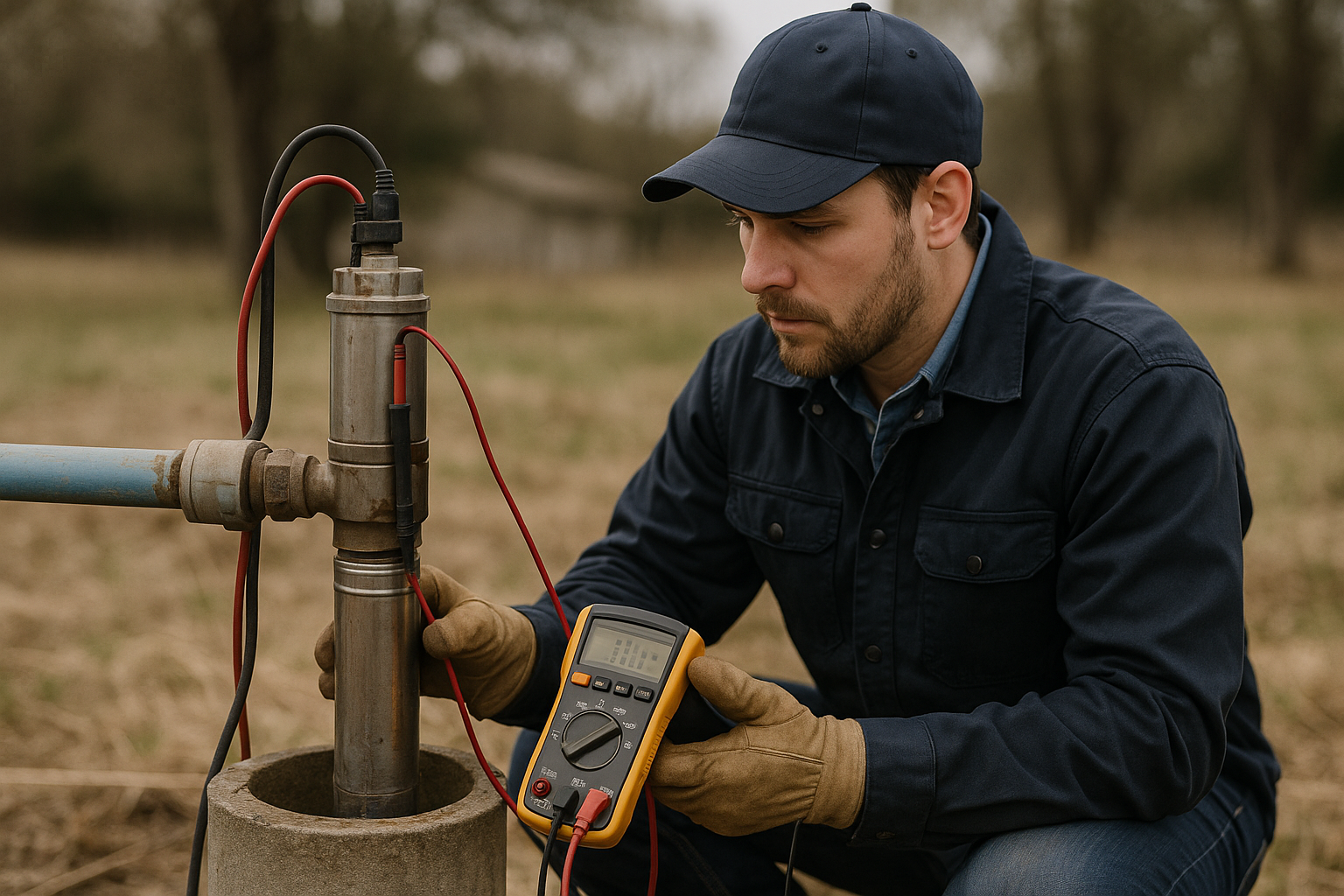
If simpler causes are eliminated, assess pump performance. Listen to the pump during operation—healthy pumps make steady humming sounds; grinding, screeching, or laboring sounds indicate problems. Time how long the pump takes to reach cut-out pressure from cut-in; significantly longer than before suggests pump wear. Check the amp draw if you have a clamp meter—higher than rated amps indicates a struggling motor. Note if pressure problems worsen during heavy use periods or occur even with minimal use. Complete pump failure is obvious (no pressure at all), but gradual decline is harder to detect. Pumps wear over time; impellers erode, seals degrade, and motors weaken. Professional diagnosis can measure exact pump output versus rated capacity.
Checking for Leaks and Restrictions
Hidden leaks cause pressure problems and waste water. With all fixtures off, watch your pressure gauge—in a leak-free system, pressure should hold steady. If it slowly drops, you have a leak somewhere. Listen for the pump cycling on without water use—another leak indicator. Check visible pipes, especially outdoor hose bibs, irrigation connections, and basement/crawlspace piping. Inspect toilet fill valves (a common hidden leak source). For underground leaks, watch for unexplained wet spots in the yard. Pipe restrictions from mineral buildup, especially in galvanized pipes, progressively reduce flow. A whole-house pressure test by SCWS can quantify leakage and identify restriction points throughout your system.
When Low Pressure Indicates Bigger Issues
Sometimes low pressure signals problems beyond simple fixes. Declining well yield from aquifer changes or drought reduces available water regardless of pump and tank condition. Regional groundwater depletion affects entire areas. Failing well screens or casing problems can restrict water entry. Pump motors nearing end-of-life lose efficiency gradually, delivering less pressure despite appearing to run normally. If your system previously performed well but has gradually declined despite filter changes and tank maintenance, professional evaluation is warranted. Southern California Well Service can perform comprehensive system assessment: pump performance testing, water level measurement, recovery rate analysis, and component inspection to identify exactly what's limiting your pressure and recommend cost-effective solutions.
We service all major pump brands including Franklin Electric, Grundfos, Goulds (Xylem), and Sta-Rite (Pentair). Our trucks carry common parts and components for same-day repairs.
Frequently Asked Questions
What causes low water pressure in a well system?
Low pressure has many potential causes: partially closed valves, clogged filters or sediment screens, waterlogged pressure tank (lost air charge), failing pump unable to maintain pressure, incorrect pressure switch settings, leaks in the plumbing system, or low well yield during drought. The cause could be a simple $5 fix or indicate serious pump failure. Systematic troubleshooting identifies whether it's an easy DIY repair or requires professional service. Start with the simplest possibilities before assuming major problems.
How do I know if my pressure tank is waterlogged?
Signs of a waterlogged tank include: rapid pump cycling (starting every few seconds when water runs), bouncing or fluctuating pressure gauge needle, water spurting from the air valve when pressed (should be air only), and the tank feeling uniformly heavy when tapped (should sound hollow on top, solid on bottom). A waterlogged tank has lost its air cushion, causing the pump to work excessively. This is fixable by recharging air or may indicate bladder failure requiring tank replacement.
Why does my pressure drop only when multiple fixtures run?
Pressure dropping only with multiple simultaneous uses suggests flow rate limitation rather than pressure problems. Your well's recovery rate may not keep up with high demand, the pump may be undersized for your usage pattern, or pipes may have diameter restrictions. This is common in older homes with galvanized pipes partially clogged with mineral deposits, or in homes that have added bathrooms without upgrading the well pump. The system works fine for single uses but can't deliver adequate volume for multiple simultaneous demands.
Should I adjust my pressure switch to fix low pressure?
Only adjust the pressure switch if you've ruled out other causes. Increasing pressure settings when the real problem is a failing pump, waterlogged tank, or low well yield only masks symptoms while potentially damaging equipment. If your pump currently reaches normal cut-out pressure and you simply want higher pressure, minor switch adjustment is reasonable. If the pump already struggles to reach cut-out, increasing settings worsens the problem. Diagnose first, then consider adjustment as one potential solution.
When should I call a professional for low pressure issues?
Call SCWS if: basic troubleshooting (checking valves, filters, tank air) doesn't resolve the issue, your pump runs constantly without building adequate pressure, you hear unusual pump noises, pressure problems developed suddenly without obvious cause, or you're uncomfortable working around electrical components. Also call if pressure issues coincide with water quality changes (sediment, discoloration) as this may indicate well problems. Professional diagnosis often saves money by identifying the actual problem rather than guessing at repairs.
Get Expert Help
Contact Southern California Well Service for professional assistance.
Call (760) 440-8520Serving San Diego, Riverside & San Bernardino Counties
Related Articles
Continue learning about well maintenance and troubleshooting
Low Water Pressure From Well: Complete Fix Guide
Diagnose and solve low pressure problems
Well Pressure Switch: Settings, Adjustment & Replacement
Everything about pressure switches
Pressure Tank Maintenance: Complete Guide
Keep your pressure tank working properly