How to Winterize a Well Pump: Complete Freeze Protection Guide
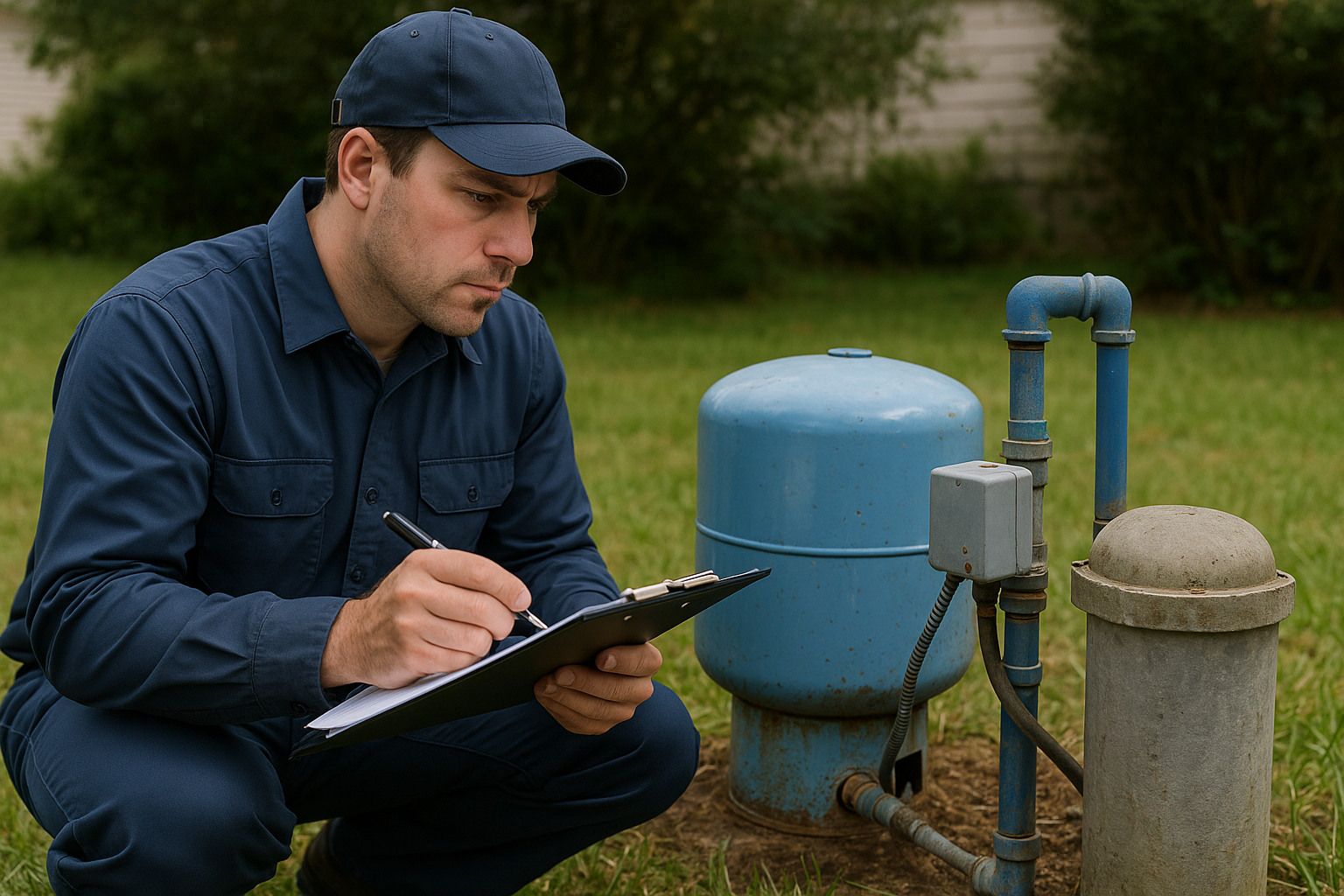
Freezing temperatures pose a serious threat to well systems. When water freezes, it expands with tremendous force—enough to crack pipes, damage pumps, and ruin expensive equipment. While Southern California enjoys mild winters compared to much of the country, foothill and mountain properties regularly experience freezing conditions. Even brief cold snaps can cause thousands of dollars in damage to unprotected well systems. This comprehensive guide will help you protect your well pump and plumbing from freeze damage.
📋 In This Guide
- Understanding Freeze Risk
- Winterizing an Above-Ground Jet Pump
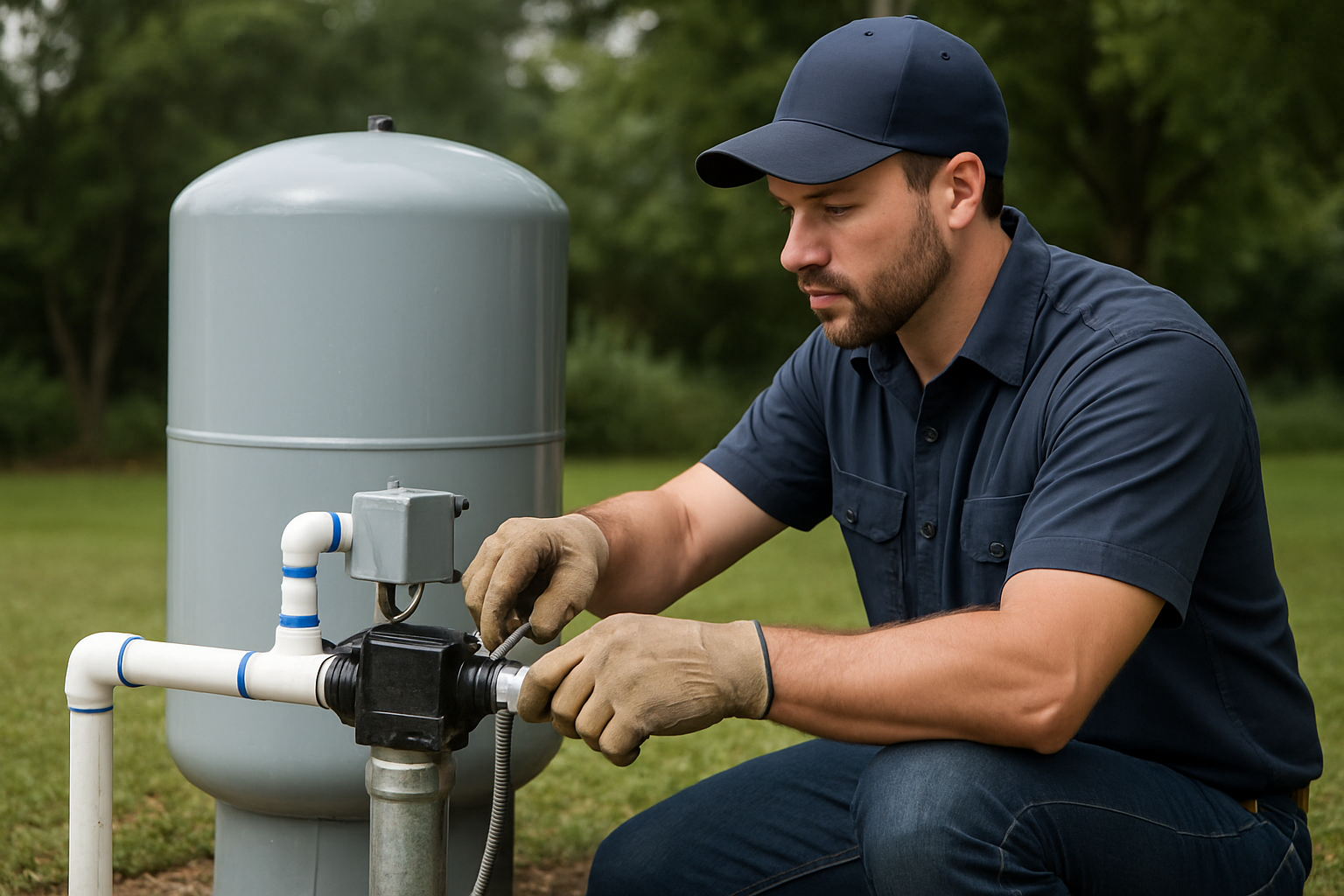
- Protecting Pressure Tanks
- Protecting Well Head and Casing
- Pipe Protection Strategies
- Creating a Winterization Checklist
- Emergency Response: What to Do If Pipes Freeze
- Special Considerations for Different Situations
- Long-Term Improvements
- Conclusion
- Related Articles
Understanding Freeze Risk
Not all well components face equal freeze risk. Understanding which parts are vulnerable helps you focus your winterization efforts:
High-Risk Components
- Above-ground jet pumps and housings
- Exposed pipes between well and house
- Pressure tanks in unheated spaces
- Outdoor faucets and hydrants
- Pipes in crawl spaces, attics, or exterior walls
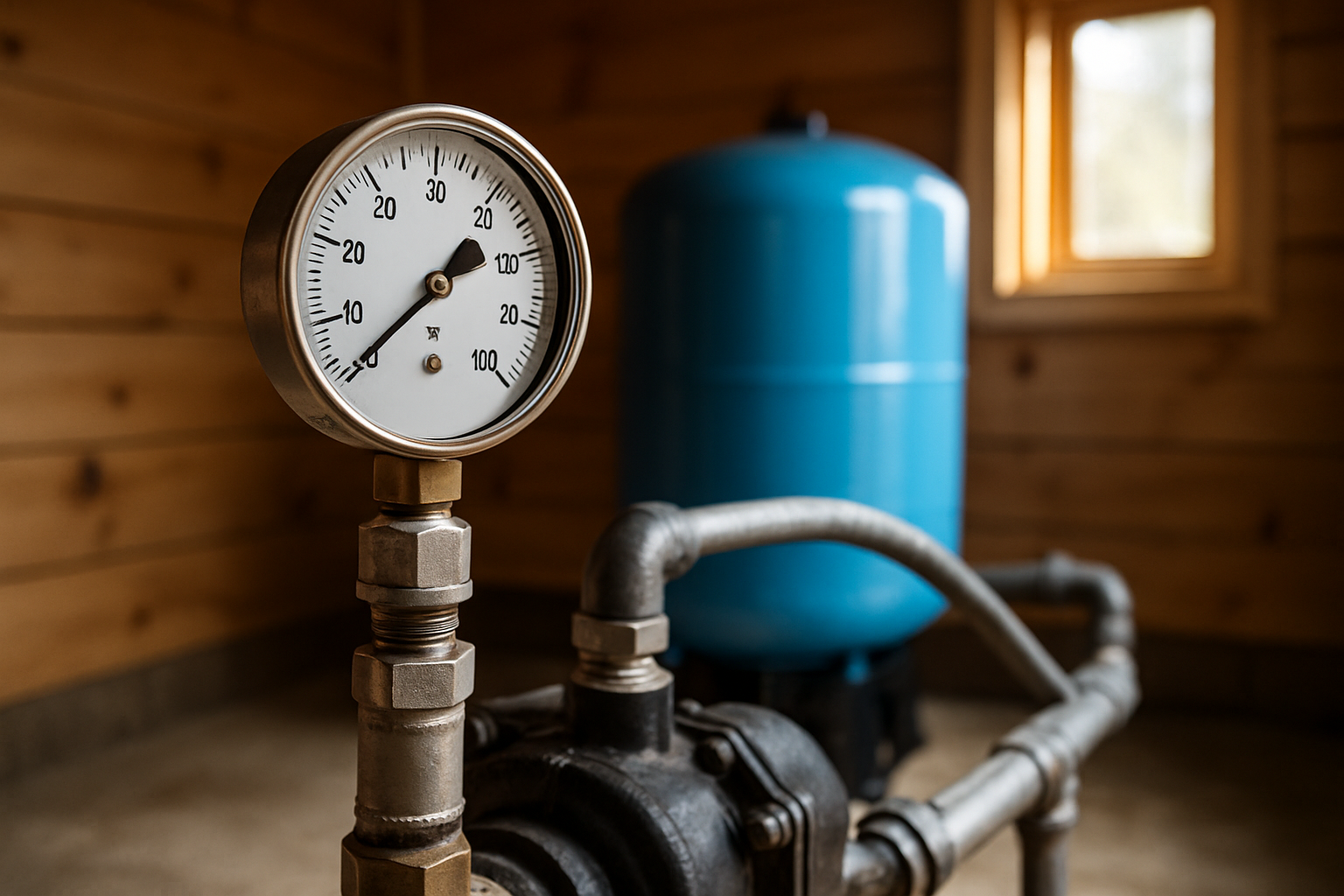
- Pressure gauges and switches
Lower-Risk Components
- Submersible pumps (underground, below frost line)
- Well casing (mostly underground)
- Properly buried water lines
- Indoor plumbing in heated spaces
The Frost Line Factor
The frost line is the depth to which ground freezes in your area. Components below this depth are naturally protected. In Southern California mountains, the frost line may be 12-24 inches; in colder regions, it can exceed 4 feet. Well components should be installed below the local frost line, but older installations may not meet current standards.
Winterizing an Above-Ground Jet Pump
Jet pumps installed above ground are most vulnerable to freeze damage. Here's how to protect them:
Option 1: Insulated Pump House
If your pump is in a dedicated pump house:
- Inspect the structure for air leaks and gaps
- Seal cracks around pipes, doors, and windows with caulk or foam
- Add insulation to walls and ceiling if needed
- Install a thermostatically controlled heat source:
- Heat lamp with cage guard
- Electric heater designed for wet locations
- Pipe heating cables
- Set thermostat to maintain above 40°F (4°C)
- Ensure adequate ventilation to prevent moisture buildup
Option 2: Insulation Wrapping
For pumps without enclosures:
- Wrap the pump with foam pipe insulation
- Cover with insulated blanket or rigid foam board
- Add a heat tape or heating cable under insulation
- Protect insulation from moisture with plastic wrap or tarps
- Secure everything against wind
Option 3: Complete Draining (Seasonal Properties)
For vacation homes or properties not used in winter:
- Turn off power to the pump
- Close the valve between well and pump (if present)
- Open drain plugs on pump housing
- Open all faucets to drain lines
- Use compressed air to blow remaining water from lines
- Add RV antifreeze to toilet tanks and drain traps
- Leave drain plugs out or slightly loose
Protecting Pressure Tanks
Pressure tanks are often overlooked in winterization:
Tanks in Unheated Spaces
- Wrap with insulation rated for the lowest expected temperature
- Pay special attention to connections at top and bottom
- Consider relocating to a heated space if feasible
- Add supplemental heat if in severely cold locations
Outdoor Tanks
- Build an insulated enclosure
- Include a heat source with thermostat
- Ensure all connected piping is protected
Protecting Well Head and Casing
The wellhead is often exposed and vulnerable:
Well Cap Area
- Ensure the well cap is secure and not cracked
- Install an insulated well cap cover (commercially available or DIY)
- Build up mulch, leaves, or hay around the casing for added insulation
- Never seal the well cap completely—venting is necessary
Pitless Adapter
The pitless adapter should be below the frost line, but verify:
- Check that the adapter is installed at proper depth
- Insulate the casing from ground level to below adapter
- Fill any gaps around casing with insulation
Pipe Protection Strategies
Exposed and vulnerable pipes need attention:
Heat Tape/Heat Cable
Electrical heating elements that wrap around pipes:
- Choose self-regulating cable (adjusts heat output automatically)
- Follow manufacturer instructions for wrapping pattern
- Secure with tape designed for the purpose
- Cover with pipe insulation
- Protect electrical connections from moisture
- Test operation before cold weather arrives
Pipe Insulation
Foam pipe insulation provides basic protection:
- Use insulation rated for your climate
- Ensure continuous coverage with no gaps
- Seal joints with tape or adhesive
- Protect outdoor insulation from UV and moisture
Allowing Pipes to Drip
In emergencies, letting faucets drip can prevent freezing:
- Moving water is harder to freeze
- Even a small drip creates flow
- Open both hot and cold taps
- This is a temporary measure, not a winterization strategy
- Running water continuously can overtax your pump and increase electric bills
Creating a Winterization Checklist
Prepare this checklist before temperatures drop:
Before Winter
- □ Inspect all above-ground components
- □ Check and repair any damaged insulation
- □ Test heat tapes and heating elements
- □ Verify pump house heater works
- □ Stock backup supplies (extra insulation, heat tape)
- □ Know how to drain the system if needed
- □ Locate main shut-off valve
During Cold Snaps
- □ Monitor weather forecasts
- □ Verify heating elements are operating
- □ Check pump house temperature
- □ Open cabinet doors under sinks on exterior walls
- □ Let faucets drip during extreme cold if necessary
After Freeze Events
- □ Check for leaks as temperatures rise
- □ Inspect all vulnerable components
- □ Test water pressure and flow
- □ Listen for unusual pump sounds
Emergency Response: What to Do If Pipes Freeze
If you suspect frozen pipes:
Identifying Frozen Pipes
- No water flow or reduced flow at faucets
- Frost visible on pipes
- Unusual sounds when turning on water
- Bulging or cracked pipes (serious damage)
Safe Thawing Procedures
- Turn off the main water supply to prevent flooding if pipes have burst
- Open faucets to relieve pressure and indicate when flow returns
- Apply gentle heat starting from the faucet and working back:
- Hair dryer (most common and safe)
- Heat lamp
- Electric heating pad wrapped around pipe
- Towels soaked in hot water
- Never use open flames, propane heaters, or blowtorches
- Continue until full water pressure is restored
- Check for leaks as pipes thaw
If Pipes Have Burst
- Shut off water immediately at the main valve
- Turn off power to the well pump
- Document damage for insurance
- Call a professional for repairs
- Don't turn water back on until repairs are complete
Special Considerations for Different Situations
Vacation Homes
- Consider complete winterization with system drainage
- Install freeze alarms that send alerts
- Have a local caretaker check periodically
- Keep minimal heat (55°F) if not fully winterized
Agricultural Properties
- Stock tanks and troughs need freeze protection
- Consider submersible tank heaters
- Insulate above-ground supply lines
- Automatic waterers may need additional protection
Power Outage Concerns
- Electric heat tapes won't work without power
- Have a backup plan for extended outages
- Consider battery backup for freeze alarms
- Know how to manually drain the system
Long-Term Improvements
Consider these upgrades for better freeze protection:
- Convert to submersible pump: Eliminates above-ground freeze risk
- Bury pipes deeper: Below frost line
- Build proper pump house: Insulated and heated enclosure
- Install freeze-proof yard hydrants: Self-draining design
- Upgrade to frost-free well seals: Better wellhead protection
Conclusion
Winterizing your well pump system is an investment of time that pays off in avoided repairs and uninterrupted water service. The key is preparation—don't wait until temperatures are already dropping to protect your system. Start your winterization before the first freeze warning, test all heating elements, and have a backup plan for severe weather.
Remember that freeze damage is largely preventable with proper preparation. A few hours of work in fall can save you from frozen pipes, burst fittings, and expensive emergency repairs in winter. Take the time to protect your water system, and you'll have reliable water service no matter how cold it gets.
Need help winterizing your well system? Southern California Well Service can assess your freeze risks and implement proper protection. Contact us at (760) 440-8520 or visit www.scwellservice.com before the cold weather arrives.