
Hydrofracturing Well Services in Aguanga, CA
Is your well in Aguanga producing less water than it used to? Hydrofracturing (also called hydrofracking) could be the solution to restore and even improve your well's water production without the expense of drilling a new well.
📋 In This Guide
- What is Hydrofracturing?
- Signs Your Aguanga Well Needs Hydrofracturing
- The Hydrofracturing Process
- Cost vs. New Well Drilling in Aguanga
- Why Choose SCWS for Hydrofracturing?
- Related Articles
Southern California Well Service provides professional hydrofracturing services throughout Riverside County to help homeowners and property owners increase their well yield.
What is Hydrofracturing?
Hydrofracturing is a well rehabilitation technique that uses high-pressure water to clean and expand existing fractures in the bedrock surrounding your well. This process:
- Clears mineral deposits and sediment blocking water flow
- Opens new pathways for groundwater to reach your well
- Can increase well yield by 2-10 times in many cases
- Extends the life of your existing well
Unlike oil and gas fracking, well hydrofracturing uses only clean water—no chemicals are involved.
Signs Your Aguanga Well Needs Hydrofracturing
- Declining water production over time
- Well runs dry during peak usage
- Slow recovery rate after pumping
- Pump cycling on and off frequently
- Lower water pressure than previous years
The Hydrofracturing Process
- Initial Assessment: We evaluate your well's current yield and condition
- Equipment Setup: Specialized high-pressure equipment is positioned at your well
- Isolation: Packers seal off sections of the well for targeted treatment
- Pressurization: Water is pumped at 500-3,000 PSI to fracture bedrock
- Development: Well is cleaned and tested for improved yield
Cost vs. New Well Drilling in Aguanga
In Aguanga, drilling a new well can cost $15,000-$50,000+ depending on depth. Hydrofracturing typically costs a fraction of that—often $3,000-$8,000—making it an excellent first option before considering a new well.
Many Aguanga wells that appear to be "going dry" can be successfully rehabilitated through hydrofracturing, saving homeowners tens of thousands of dollars.
Why Choose SCWS for Hydrofracturing?
- Founded 2020 · 60+ Years Family Heritage: We've rehabilitated thousands of wells across Southern California
- Licensed C-57 Contractor. CSLB License #1086994. Fully licensed for well drilling and service in California
- Specialized Equipment: Professional-grade hydrofracturing equipment
- Free Estimates: We'll assess your well and provide honest recommendations
Need Help With Your Well in Aguanga?
Our expert technicians serve Aguanga and all of Riverside County with professional well services.
Related Articles
Continue learning about well maintenance and troubleshooting

Signs Your Well Pump Is Failing
Catch pump problems early before you lose water completely.
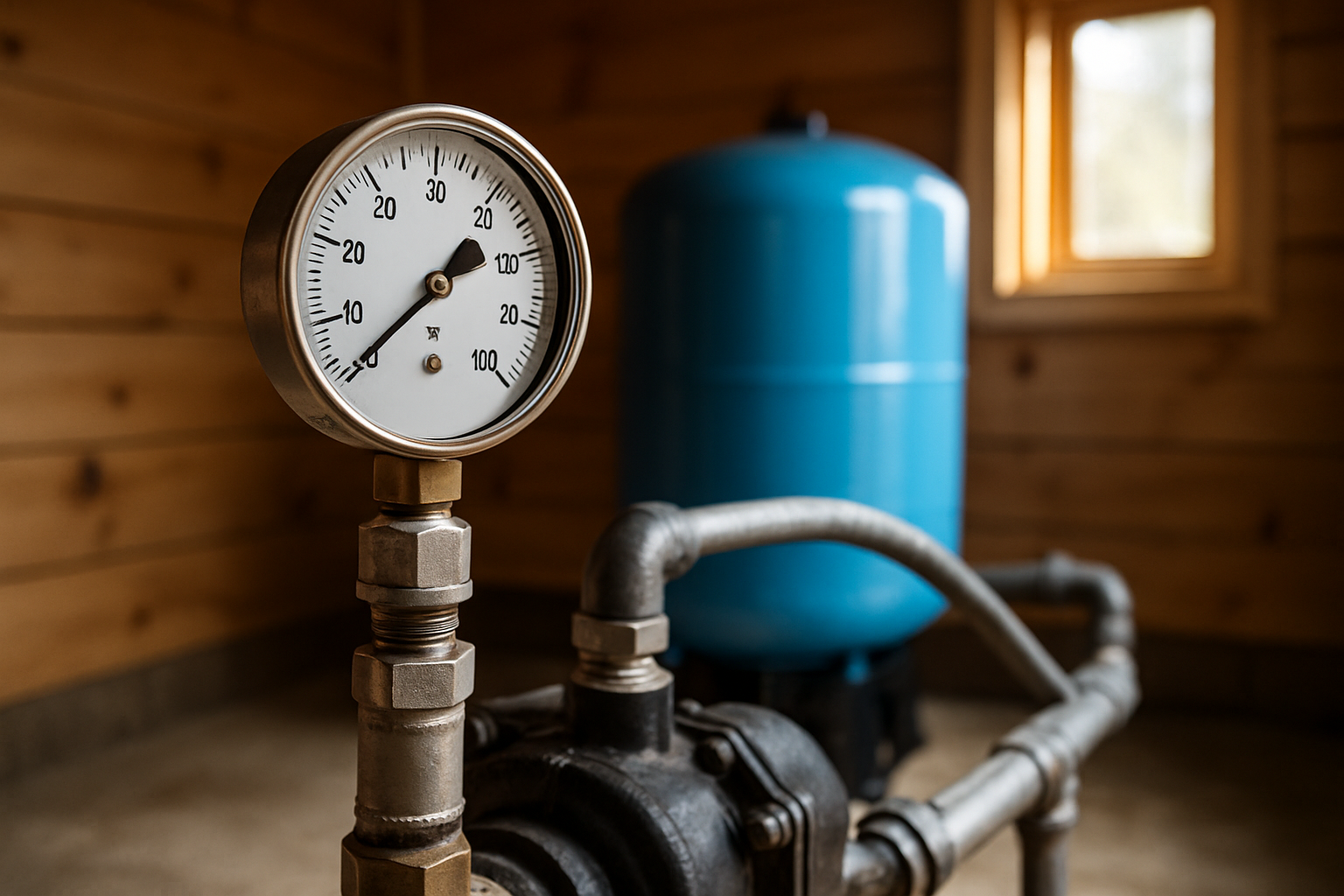
Low Water Pressure From Well
Diagnose and fix pressure problems before they get worse.
Well Maintenance Guide
Keep your well running smoothly with regular maintenance.
Our Locations
1077 Main St, Ramona, CA 92065
57174 CA-371 (US Hwy 79), Anza, CA 92539
Hydrofracturing for Ranch and Vineyard Wells in Aguanga
Aguanga lies in the far southeast corner of Riverside County, strung along Highway 79 between Temecula and Warner Springs near the San Diego County line, at elevations of roughly 1,900 to 2,500 feet. It's rolling, sun-baked ranch country — cattle operations, horse properties, and a growing number of vineyards reaching east from the Temecula wine region — and almost every parcel depends on a private well drilled into the area's granitic bedrock and decomposed granite. When an Aguanga well can't keep up with irrigation, livestock, and a household through the long dry summers, hydrofracturing is usually the most cost-effective way to recover lost yield without the expense of a new bore.
The Granitic Rock Under Aguanga
The hills around Aguanga are built from the same great body of granitic rock — granodiorite and tonalite of the Peninsular Ranges batholith — that underlies much of inland San Diego and southern Riverside counties. Near the surface this rock weathers into sandy decomposed granite, but below that it becomes hard and competent, carrying water only along fractures, joints, and fault-related cracks. A well's yield depends on how many of those water-bearing fractures the borehole crosses, which is why neighboring ranches can have very different well performance. Hydrofracturing improves a well by reopening sediment-clogged fractures and extending the borehole's reach into the surrounding fracture network.
How the Treatment Restores Flow
We seat inflatable packers in the open-hole section of the well to isolate a target zone, then inject clean water — never chemicals — at 1,500 to 3,000 PSI. The pressure flushes mineral scale and fine sediment from existing fractures and pushes them open deeper into the rock, often connecting the well to productive seams just beyond its original reach. On Aguanga's competent granite, those reopened fractures tend to hold and keep producing. A typical treatment takes four to eight hours, and we test flow before and after so the gain is documented.
Heavy Demand on Dry-Country Wells
Aguanga wells often shoulder a heavy load. Vineyards need steady drip irrigation through the growing season, cattle and horses drink hard in the heat, pastures may need water, and a household or two rounds out the demand. A well that was adequate when a property was smaller can fall short as a ranch grows or vines go in. Rather than drill a new agricultural well, many owners find that fracturing the existing well lifts its capacity enough to carry the whole operation — and it avoids the permitting and drilling timeline that can stall a working farm or vineyard.
Signs Your Aguanga Well May Benefit
- The well produced more water a few years ago than it does now.
- You can't run irrigation and the house at the same time.
- Recovery is slow — the well draws down fast and refills slowly.
- The well runs low every late summer until the winter rains arrive.
- A recently drilled well hit rock but never delivered the expected gallons per minute.
What to Have Ready Before We Visit
Find your well completion report if you can and note the total depth, casing depth, and original measured yield. Watch your system over a week of normal use: when does pressure fade, and how long does recovery take? Rule out the simple causes too, because a waterlogged pressure tank, a worn pump, or a failed check valve can all mimic a low-yield well. We verify those during the assessment so you never pay to fracture a well that only needed a pump.
Why This Is a Job for Professionals
Hydrofracturing uses high pressure and specialized down-hole equipment and is never a do-it-yourself task. We begin with a pre-treatment flow test and a downhole video inspection to confirm your casing is sound and to map the fracture zones worth targeting. That inspection also catches problems — casing damage or a collapsed section — that would need to be handled first. A licensed contractor's judgment ensures your money goes toward the fix that will actually solve the shortage.
Cost in Aguanga
A new well in this hard-rock ranch country commonly runs $18,000 to $42,000 with drilling and a pump, and agricultural wells can run higher. Hydrofracturing an existing well typically costs $3,000 to $8,000 — far less — which is why it's almost always the right first step. Our diagnostic visit is $125, credited toward the work if you proceed. If your system also needs equipment, expect roughly $2,500 to $5,500 for a submersible pump and $600 to $1,500 for a pressure tank.
How Aguanga's Climate Drives Well Behavior
Aguanga sits in the warm, semi-arid transition between the coastal-influenced Temecula valley and the high desert beyond Anza, so it receives modest winter rainfall and very dry, hot summers. Groundwater is recharged mainly during the wet season, and a well with a limited fracture network can draw down faster than the rock refills it — leaving owners short exactly when vineyards and pastures need water most. Opening additional fractures gives the well both stronger inflow and more effective storage to carry it through the long dry stretch from late spring into fall. For an agricultural property where a single dry month can stress a crop or a herd, that added reliability is often the difference between scraping by and operating with confidence.
A Common Aguanga Scenario
A frequent situation is the parcel that transitions from grazing land to a small vineyard or a larger ranch. The existing well quietly served light use for years, but once drip lines go in or the herd grows, demand outpaces it. Before assuming the well is finished, it's worth testing whether fracturing can raise its capacity to meet the new use — in sound granite it frequently does, sparing the owner a five-figure drilling bill and the wait that comes with a new agricultural well.
Documentation That Protects Property Value
On a working ranch or vineyard, proof of a dependable water supply is a real asset. Lenders financing agricultural and rural parcels increasingly require a recent well yield test, and buyers want assurance the land can support its intended use. When we hydrofracture a well, we provide a documented before-and-after flow comparison you can keep on file alongside your completion report and pump history. That paperwork speeds future service, answers buyers' questions, and can keep a sale on track — a simple, low-cost way to safeguard the value of an Aguanga property.
Serving Aguanga, Anza, and Southeast Riverside County
Southern California Well Service has worked on ranch and agricultural wells throughout Riverside County since 2020, and our Anza office on Highway 79 puts us right next door to Aguanga. We know the granite, the demands of vineyard and livestock properties, and the seasonal recharge that governs how these wells behave. We're licensed C-57 contractors with CSLB #1086994 and offer same-day emergency service when a property suddenly loses water.
What to Expect on Treatment Day
When our crew arrives at your Aguanga property, we first reconfirm the baseline by running a short flow test, then position the high-pressure pump, water supply, and packer assembly at the wellhead. Because many local parcels are large and access roads can be rough, we plan staging in advance so the equipment sits safely and the work proceeds without delays. The packers are lowered and set, clean water is injected in controlled stages while we monitor pressure response, and the well is then surged and developed to clear loosened sediment. Before we leave, we run the post-treatment flow test and walk you through the results. Most jobs are wrapped up in a single day, and you'll have a clear, documented picture of how much your yield improved.
Frequently Asked Questions
Can hydrofracturing supply enough water for my vineyard or ranch?
Often, yes, when the well is in sound fractured rock. Many Aguanga wells see yield rise two to five times after treatment — frequently enough for irrigation, livestock, and household use. We measure before-and-after flow so you can plan around real numbers.
Is it safe for vines, crops, and animals?
Yes. The process uses only clean water — no chemicals — so nothing is introduced into the ground that could affect your vines, soil, or livestock.
How long does the improvement last?
In sound granite, gains commonly last many years. A well may eventually benefit from a second treatment, but most owners get a long, stable run of improved flow.
When is the best time to schedule?
Many growers prefer the dormant season or outside peak irrigation so the work doesn't disrupt operations, though we can usually accommodate any time of year.
Will it affect my neighbor's well?
No. Treatment works only the fractures immediately around your borehole and doesn't deplete the shared aquifer.
What if my well isn't a candidate?
We'll tell you honestly and recommend a better option. We don't fracture wells in loose formations or with damaged casing.
Boost Your Aguanga Well's Output
Ask a licensed Riverside County contractor whether hydrofracturing can meet your ranch or vineyard needs.