
Hydrofracturing Well Services in Alpine, CA
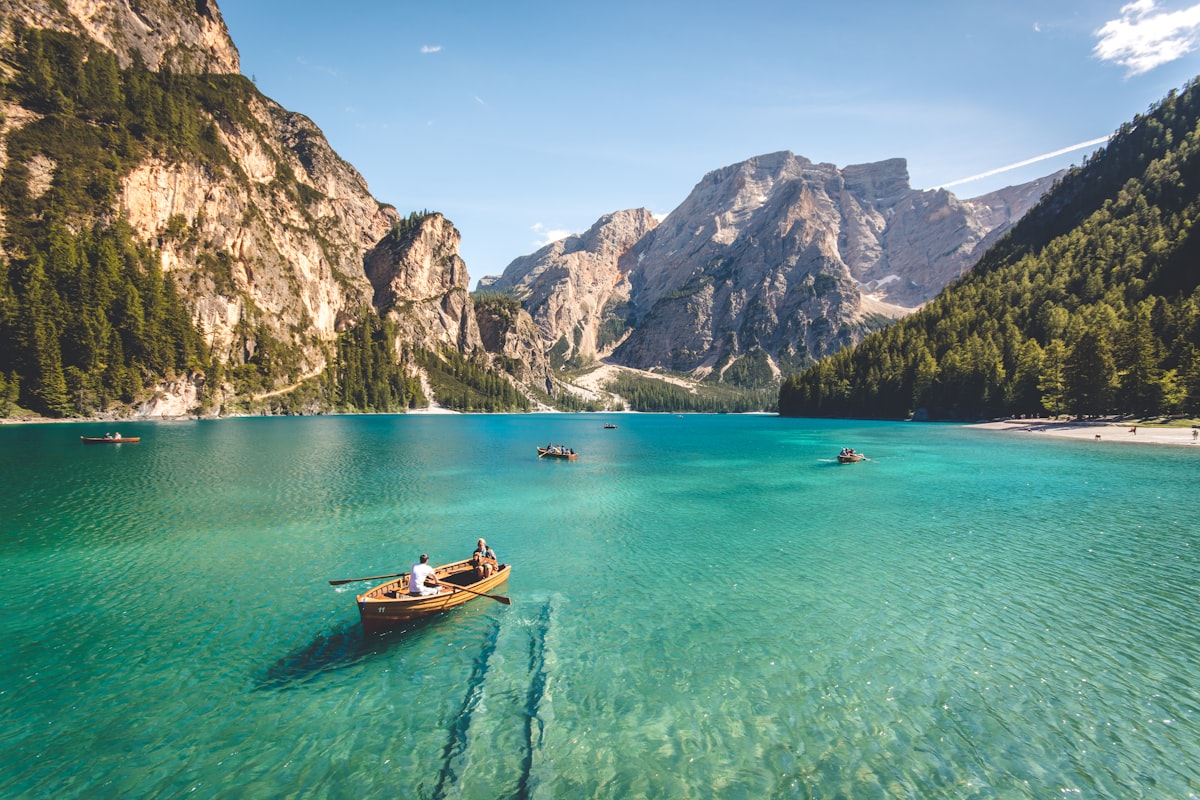
Is your well in Alpine producing less water than it used to? Hydrofracturing (also called hydrofracking) could be the solution to restore and even improve your well's water production without the expense of drilling a new well.
📋 In This Guide
- What is Hydrofracturing?
- Signs Your Alpine Well Needs Hydrofracturing
- The Hydrofracturing Process
- Cost vs. New Well Drilling in Alpine
- Why Choose SCWS for Hydrofracturing?
- Related Articles
Southern California Well Service provides professional hydrofracturing services throughout San Diego County to help homeowners and property owners increase their well yield.
What is Hydrofracturing?
Hydrofracturing is a well rehabilitation technique that uses high-pressure water to clean and expand existing fractures in the bedrock surrounding your well. This process:
- Clears mineral deposits and sediment blocking water flow
- Opens new pathways for groundwater to reach your well
- Can increase well yield by 2-10 times in many cases
- Extends the life of your existing well
Unlike oil and gas fracking, well hydrofracturing uses only clean water—no chemicals are involved.
Signs Your Alpine Well Needs Hydrofracturing
- Declining water production over time
- Well runs dry during peak usage
- Slow recovery rate after pumping
- Pump cycling on and off frequently
- Lower water pressure than previous years
The Hydrofracturing Process
- Initial Assessment: We evaluate your well's current yield and condition
- Equipment Setup: Specialized high-pressure equipment is positioned at your well
- Isolation: Packers seal off sections of the well for targeted treatment
- Pressurization: Water is pumped at 500-3,000 PSI to fracture bedrock
- Development: Well is cleaned and tested for improved yield
Cost vs. New Well Drilling in Alpine
In Alpine, drilling a new well can cost $15,000-$50,000+ depending on depth. Hydrofracturing typically costs a fraction of that—often $3,000-$8,000—making it an excellent first option before considering a new well.
Many Alpine wells that appear to be "going dry" can be successfully rehabilitated through hydrofracturing, saving homeowners tens of thousands of dollars.
Why Choose SCWS for Hydrofracturing?
- Founded 2020 · 60+ Years Family Heritage: We've rehabilitated thousands of wells across Southern California
- Licensed C-57 Contractor. CSLB License #1086994. Fully licensed for well drilling and service in California
- Specialized Equipment: Professional-grade hydrofracturing equipment
- Free Estimates: We'll assess your well and provide honest recommendations
Need Help With Your Well in Alpine?
Our expert technicians serve Alpine and all of San Diego County with professional well services.
Related Articles
Continue learning about well maintenance and troubleshooting
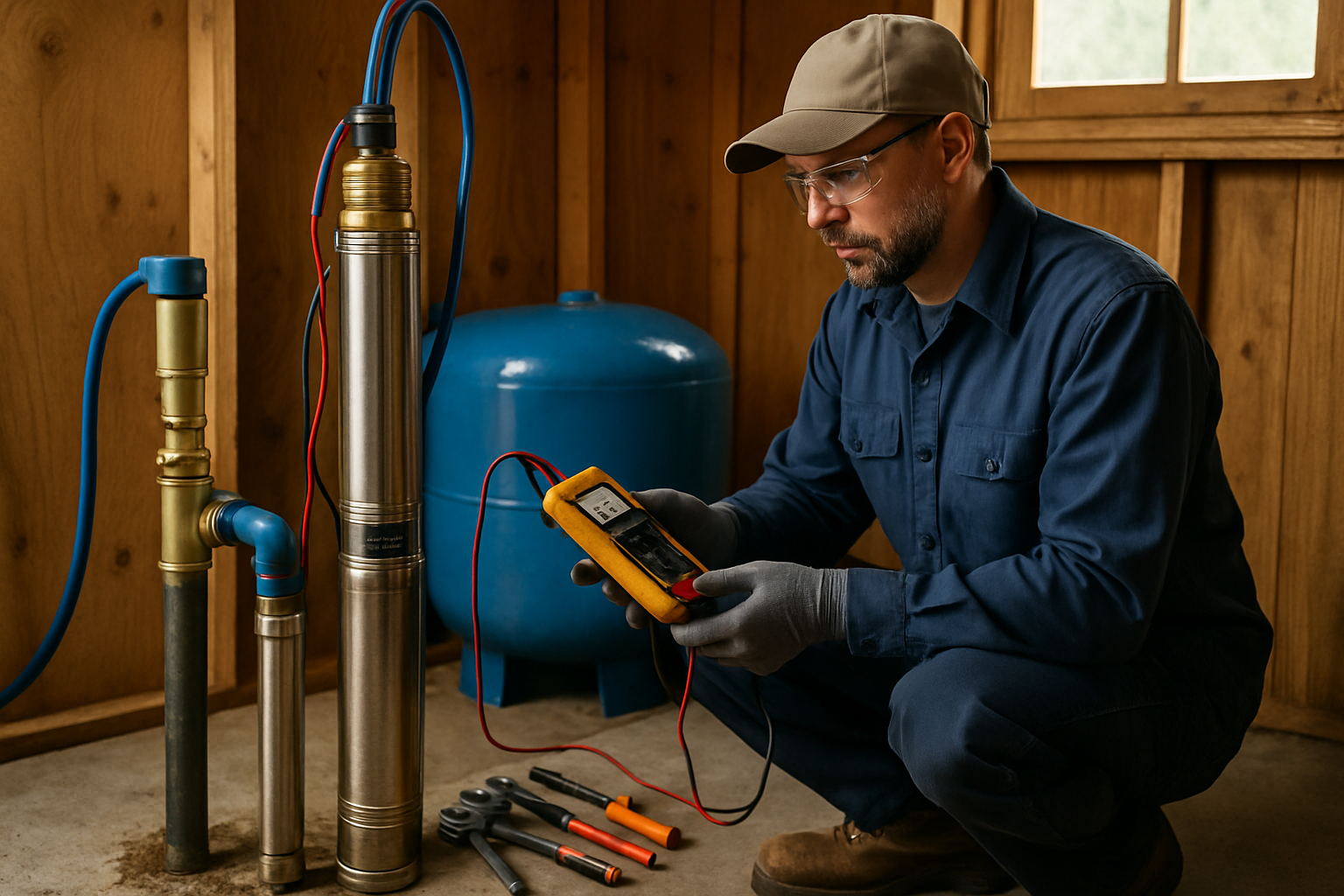
Signs Your Well Pump Is Failing
Catch pump problems early before you lose water completely.
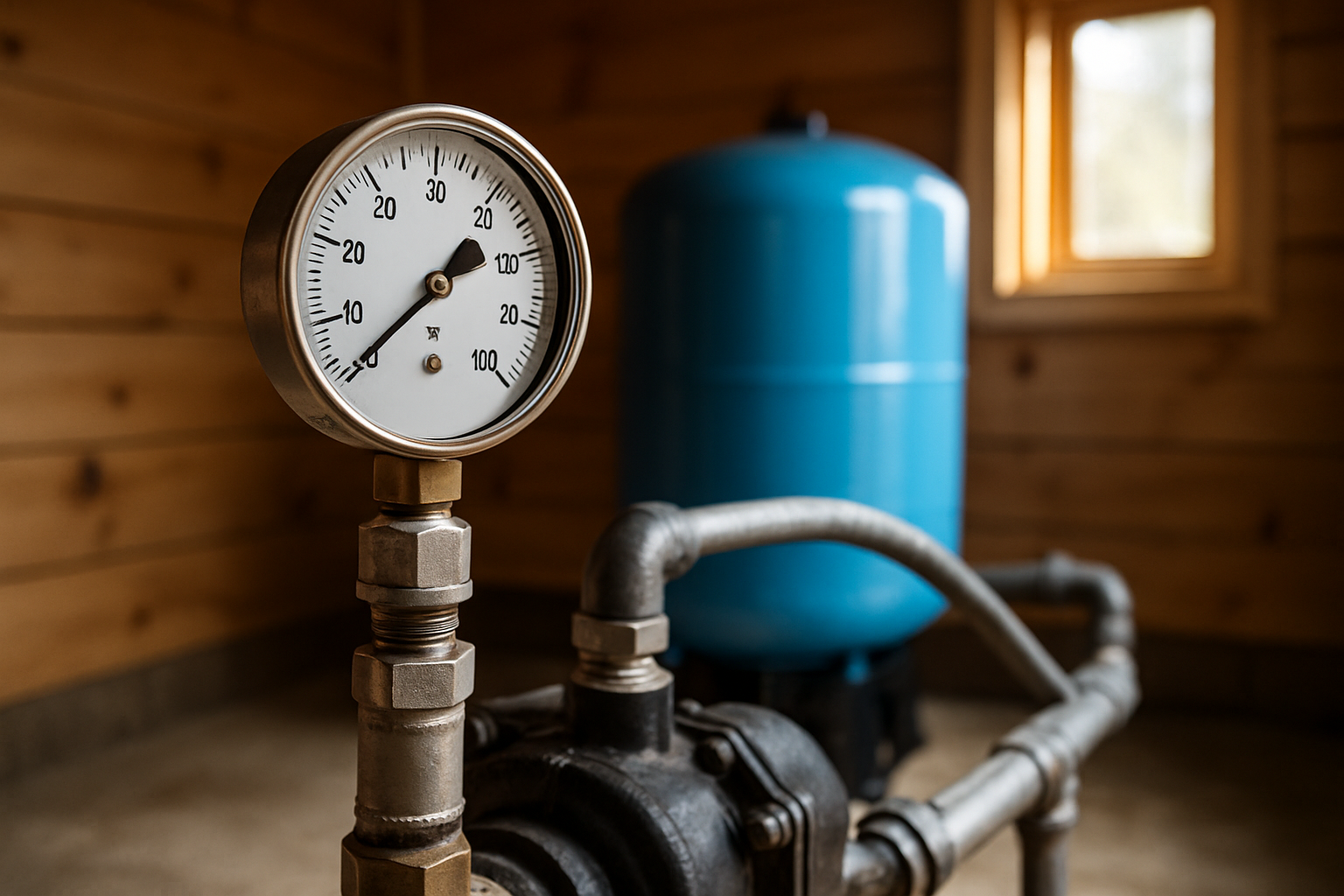
Low Water Pressure From Well
Diagnose and fix pressure problems before they get worse.
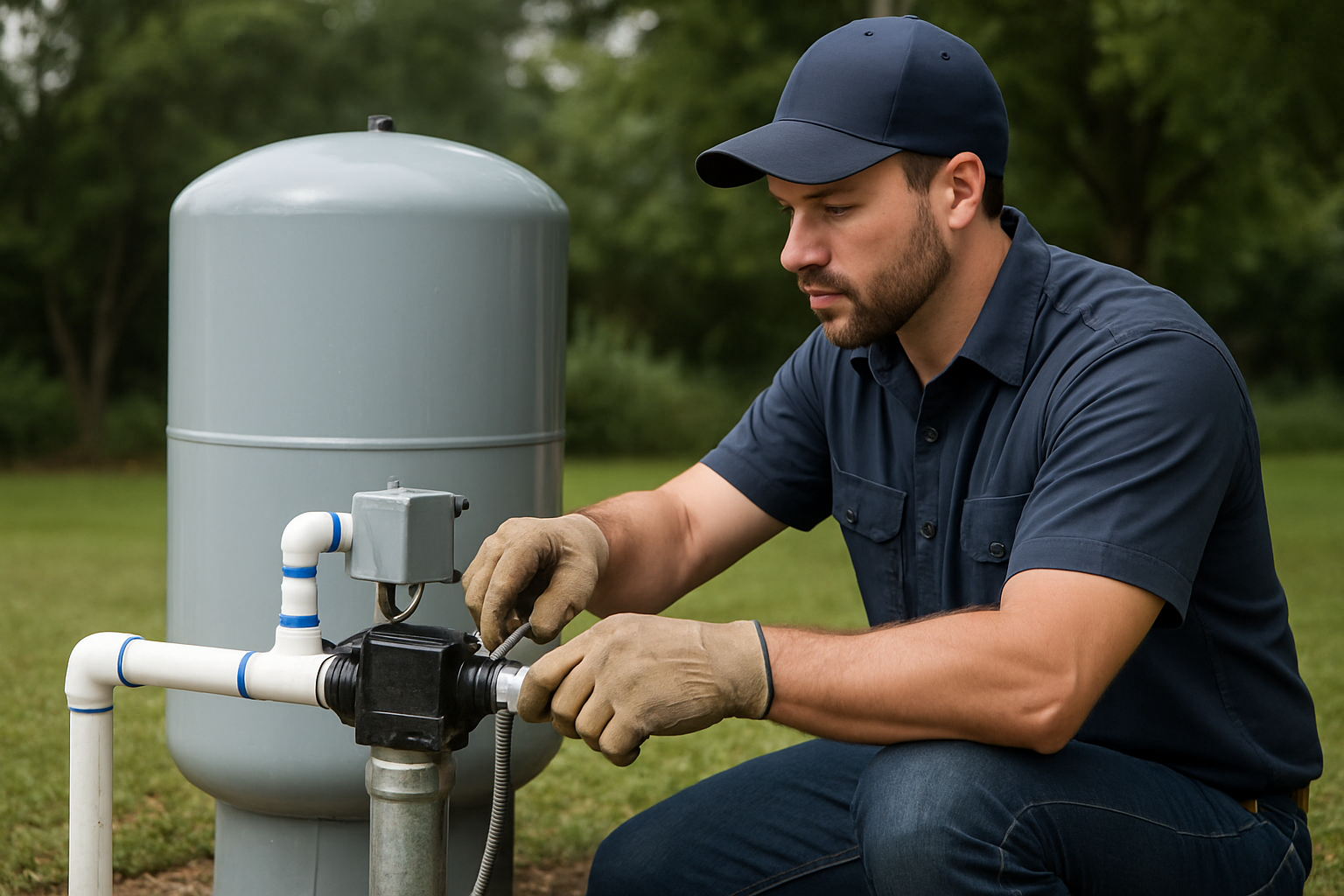
Well Maintenance Guide
Keep your well running smoothly with regular maintenance.
Our Locations
1077 Main St, Ramona, CA 92065
57174 CA-371 (US Hwy 79), Anza, CA 92539
Hydrofracturing in Alpine: Getting More From a Backcountry Well
Alpine sits in the rugged eastern reach of San Diego County, strung along Interstate 8 at roughly 1,800 to 2,000 feet between El Cajon to the west and the Cuyamaca and Laguna mountains rising to the east. This is true Peninsular Ranges country: a skin of decomposed granite over hard, fractured granitic bedrock, with the edge of the Cleveland National Forest never far away. For the ranch parcels, equestrian properties, and hillside homesteads scattered through Alpine and the canyons around it, there is no municipal main to tap into. Water comes from a private well drilled into that rock, and when the well slows down, the whole household feels it.
Southern California Well Service has spent since 2020 working wells in exactly this kind of terrain. When an Alpine well starts coming up short, drilling a replacement is not the only move on the table. Hydrofracturing often restores a tired well by reopening the natural fracture network the granite already holds, and it does it at a fraction of the cost of starting over. Below is how the process actually works, when it makes sense in this geology, and what local property owners can realistically expect.
How Hydrofracturing Works
Hydrofracturing boosts the output of an existing low-producing well by pushing clean water into the surrounding rock under high pressure. We lower an inflatable packer into the casing and inflate it to seal off a target depth, which lets us concentrate every bit of pressure on one zone instead of letting it bleed up the borehole. Water is then injected against that isolated section, typically in the range of 1,500 to 3,000 PSI and sometimes higher, until the existing hairline fractures in the granite widen and flush clear.
What comes out is the silt, fine clay, and mineral scale that have slowly choked off those fractures over the years. Once those pathways are reopened and cleaned, groundwater that was effectively dammed in the surrounding bedrock can migrate back toward the well bore and recharge it. Most Alpine jobs wrap up in a single visit, with the on-site high-pressure work running about four to eight hours depending on depth and how many zones we treat.
It is worth being clear about one point, because the name causes confusion: well hydrofracturing has nothing to do with oil-and-gas fracking. There are no chemical cocktails, no proppant sand, no additives of any kind. The only thing going down the hole is clean water, which is exactly why the technique is appropriate for a drinking-water well.
Signs an Alpine Well May Need Hydrofracturing
A well rarely fails overnight in this kind of rock. It usually tapers off, and the warning signs build up over a season or two. Watch for these patterns:
- A steady drop in yield over the years — the same pump and the same household, but noticeably less water than the well delivered when it was new.
- Slow recovery after the pump runs — fixtures sputter and you have to wait for the well to catch back up after laundry, irrigation, or filling stock tanks.
- Trouble in the dry stretch — the well limps through the late-summer and drought months when the water table around Alpine sits at its lowest.
- A new well that simply under-produces — a recently drilled borehole that hit rock but never delivered the flow you were promised.
Any one of these is a reason to have the well evaluated. Several of them together usually mean the formation, not the hardware, is the limiting factor.
Why Local Geology Matters
Hydrofracturing lives or dies on the rock it is performed in, and Alpine happens to sit on close to ideal ground for it. The decomposed granite and fractured crystalline bedrock of the Peninsular Ranges store and move water through a network of joints and fractures rather than through open pore space. When you clean and reopen that fracture network with pressure, you give the well meaningfully more surface area to draw from. That is precisely the mechanism hydrofracturing relies on, and it is why hard granitic country like the backcountry east of El Cajon responds so well.
The flip side matters too. A well finished in loose sand, gravel, or unconsolidated alluvium is a poor candidate, because there are no rigid fractures to reopen — pressure just dissipates into the loose material. Most Alpine wells are set in granite, which is good news, but we always confirm the formation before recommending the work. We would rather tell you honestly that your well is the wrong type than sell you a treatment that cannot help.
Safety First: What to Check Before Hydrofracturing
Low water at the tap does not automatically mean a low-yield well. Several mechanical problems produce the very same symptoms, and they are far cheaper to fix. Before anyone recommends hydrofracturing, we rule out the usual impostors:
- A failing submersible pump that can no longer lift water at its rated volume.
- A waterlogged pressure tank that has lost its air charge and short-cycles the system.
- A bad or miscalibrated pressure switch cutting the pump out early.
- A leak in the supply or drop line bleeding off pressure between the well and the house.
To sort the well from the hardware, we run a $125 diagnostic flow test. It measures what the well actually produces and recovers, and it tells us whether the formation or a piece of equipment is the real bottleneck. If you proceed with hydrofracturing, that $125 is credited toward the job — so the diagnostic effectively costs nothing when treatment is the answer.
When to Call a Pro
Water well work in California is regulated for good reason: it touches your drinking water and the aquifer beneath your property. The state requires a C-57 water well contractor license to perform it legally. Southern California Well Service is licensed under CSLB #1086994, with since 2020 and a CSLB #1086994 service reputation. High-pressure work on a cased well is not a do-it-yourself project, and the right equipment and licensing protect both your well and your investment.
Realistic Costs in Alpine
Pricing depends on depth, casing condition, and how many zones we treat, but here is what Alpine property owners can plan around:
- Hydrofracturing: $3,000–$8,000
- New well, turnkey: $18,000–$42,000
- Diagnostic / flow test: $125 (credited toward the work)
- Submersible pump, if needed: $2,500–$5,500
- Pressure tank, if needed: $600–$1,500
Set those numbers side by side and the logic is hard to argue with: hydrofracturing is the smart first step. For a few thousand dollars you find out whether your existing well can be brought back, instead of committing to a five-figure replacement before you have to.
Realistic Results: What to Expect
In the fractured granite that underlies Alpine and the surrounding backcountry, hydrofracturing improves yield in roughly 70 to 80 percent of the wells we treat. When it works, the typical gain lands somewhere between two and five times the pre-treatment flow rate — enough to take a household from rationing back to comfortable daily use. We document the result with a baseline flow test before the work and a verified post-treatment test afterward, usually confirmed within 24 to 48 hours, so the improvement is measured, not guessed at.
We also believe in being straight about the wells that will not respond. A borehole set in loose material, or one with a collapsed or badly corroded casing, may not be a fair candidate, and we would rather say so up front. The flow test exists precisely so nobody pays for a treatment that the geology cannot support.
Serving Alpine and the Surrounding San Diego County Backcountry
From our regional base we serve Alpine and the communities woven through this stretch of east San Diego County, including Viejas, Harbison Canyon, Dehesa, Descanso, and Pine Valley, on out toward the Cuyamaca and Laguna foothills along the Interstate 8 corridor. When a household well goes dry, same-day emergency service is available — because in the backcountry, a well that quits is not something that can wait.
Frequently Asked Questions
How much does hydrofracturing cost in Alpine?
In Alpine, hydrofracturing typically runs $3,000 to $8,000 depending on well depth and how many zones we treat. That is a small fraction of the $18,000 to $42,000 a brand-new turnkey well costs in this part of San Diego County. We also run a $125 diagnostic flow test up front, and that fee is credited toward the hydrofracturing work if you move forward.
Is hydrofracturing safe, and does it use chemicals?
Yes, it is safe, and no, it uses no chemicals at all. Well hydrofracturing injects only clean water under pressure to reopen the natural fractures already in the granite. It is completely different from oil-and-gas fracking, which relies on chemical additives and sand. Your drinking water stays clean.
How long does the work take on my Alpine property?
Most Alpine jobs are finished in a single day. The on-site high-pressure work usually takes four to eight hours, plus setup, the baseline flow test, and a post-treatment test. We confirm the improvement with a documented before-and-after flow comparison, typically within 24 to 48 hours.
What is the success rate in Alpine's granite?
Alpine sits on the decomposed granite and fractured crystalline bedrock of the Peninsular Ranges, which is close to ideal for this technique. In that rock, roughly 70 to 80 percent of wells we treat show a measurable gain, often two to five times the pre-treatment flow. Wells set in loose sand or gravel are not good candidates, and we will tell you honestly if yours is unlikely to respond.
How do I know it is the well and not the pump?
That is exactly what the $125 diagnostic flow test is for. Before we ever recommend hydrofracturing, we rule out a failing pump, a waterlogged pressure tank, a bad or miscalibrated pressure switch, and leaks in the supply line. Those problems are cheaper to fix and can mimic a low-yield well. We only recommend hydrofracturing once the equipment checks out and the formation is the real limit.
What areas around Alpine do you serve?
We serve Alpine and the surrounding east San Diego County communities, including Viejas, Harbison Canyon, Dehesa, Descanso, Pine Valley, and out toward the Cuyamaca and Laguna foothills along Interstate 8. Same-day emergency service is available when a household well goes dry.
Restore Your Alpine Well — Talk to a Licensed Pro Today
If your Alpine well is running short, you do not have to jump straight to a costly replacement. Hydrofracturing is often the faster, far less expensive way to bring a backcountry well back to life. Southern California Well Service is a licensed C-57 contractor with founded in 2020 working the granite of east San Diego County, and same-day emergency service is available when you need it. Call (760) 440-8520 or text (760) 219-5877 to schedule your diagnostic flow test and find out what your well can really do.