
Hydrofracturing Well Services in Banning Pass, CA
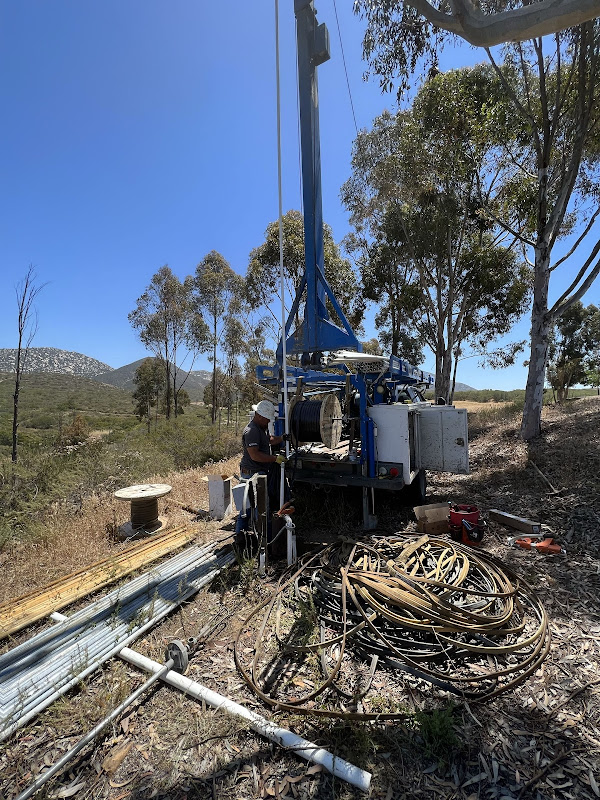
Is your well in Banning Pass producing less water than it used to? Hydrofracturing (also called hydrofracking) could be the solution to restore and even improve your well's water production without the expense of drilling a new well.
📋 In This Guide
- What is Hydrofracturing?
- Signs Your Banning Pass Well Needs Hydrofracturing
- The Hydrofracturing Process
- Cost vs. New Well Drilling in Banning Pass
- Why Choose SCWS for Hydrofracturing?
- Related Articles
Southern California Well Service provides professional hydrofracturing services throughout Riverside County to help homeowners and property owners increase their well yield.
What is Hydrofracturing?
Hydrofracturing is a well rehabilitation technique that uses high-pressure water to clean and expand existing fractures in the bedrock surrounding your well. This process:
- Clears mineral deposits and sediment blocking water flow
- Opens new pathways for groundwater to reach your well
- Can increase well yield by 2-10 times in many cases
- Extends the life of your existing well
Unlike oil and gas fracking, well hydrofracturing uses only clean water—no chemicals are involved.
Signs Your Banning Pass Well Needs Hydrofracturing
- Declining water production over time
- Well runs dry during peak usage
- Slow recovery rate after pumping
- Pump cycling on and off frequently
- Lower water pressure than previous years
The Hydrofracturing Process
- Initial Assessment: We evaluate your well's current yield and condition
- Equipment Setup: Specialized high-pressure equipment is positioned at your well
- Isolation: Packers seal off sections of the well for targeted treatment
- Pressurization: Water is pumped at 500-3,000 PSI to fracture bedrock
- Development: Well is cleaned and tested for improved yield
Cost vs. New Well Drilling in Banning Pass
In Banning Pass, drilling a new well can cost $15,000-$50,000+ depending on depth. Hydrofracturing typically costs a fraction of that—often $3,000-$8,000—making it an excellent first option before considering a new well.
Many Banning Pass wells that appear to be "going dry" can be successfully rehabilitated through hydrofracturing, saving homeowners tens of thousands of dollars.
Why Choose SCWS for Hydrofracturing?
- Founded 2020 · 60+ Years Family Heritage: We've rehabilitated thousands of wells across Southern California
- Licensed C-57 Contractor. CSLB License #1086994. Fully licensed for well drilling and service in California
- Specialized Equipment: Professional-grade hydrofracturing equipment
- Free Estimates: We'll assess your well and provide honest recommendations
Need Help With Your Well in Banning Pass?
Our expert technicians serve Banning Pass and all of Riverside County with professional well services.
Related Articles
Continue learning about well maintenance and troubleshooting

Signs Your Well Pump Is Failing
Catch pump problems early before you lose water completely.
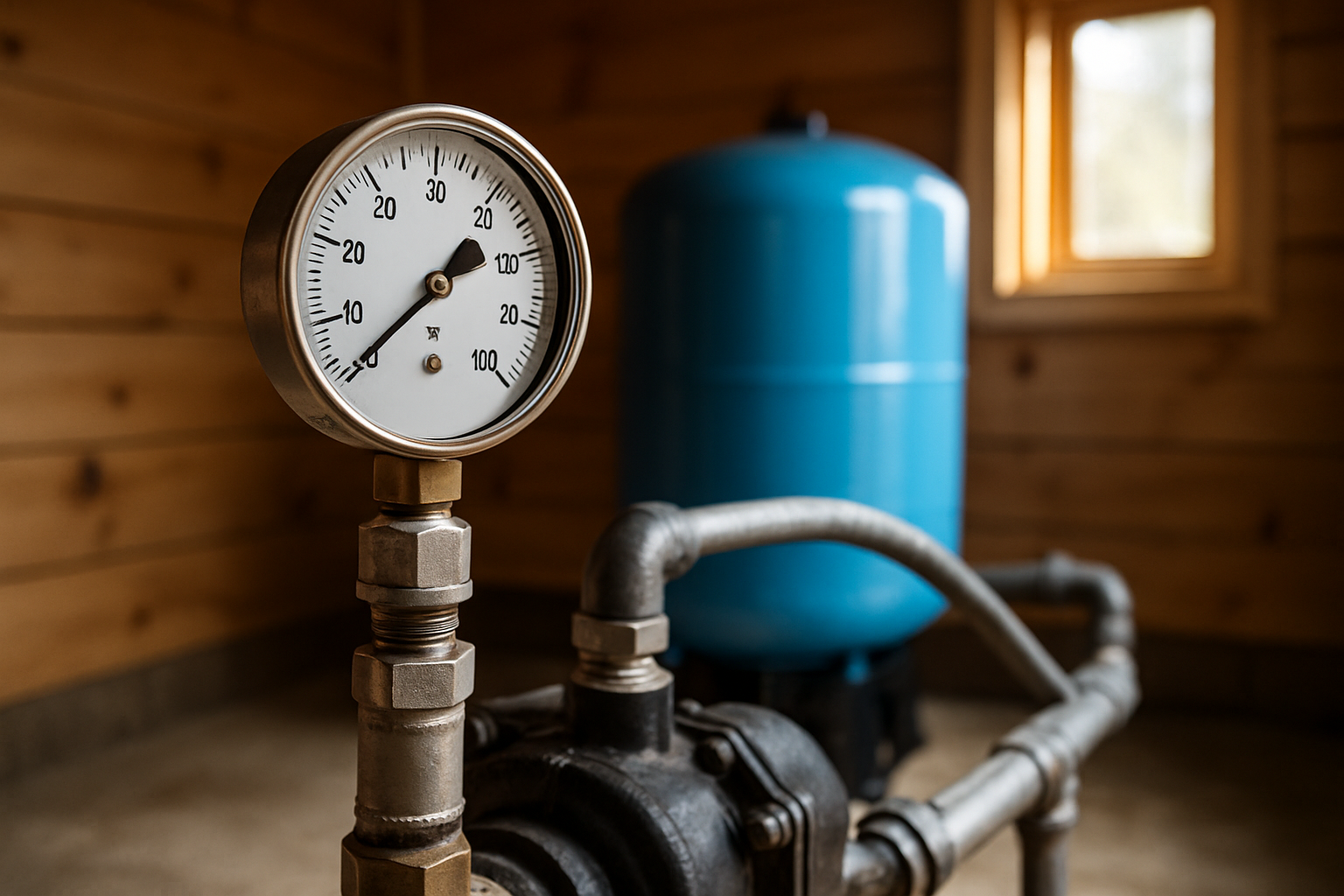
Low Water Pressure From Well
Diagnose and fix pressure problems before they get worse.
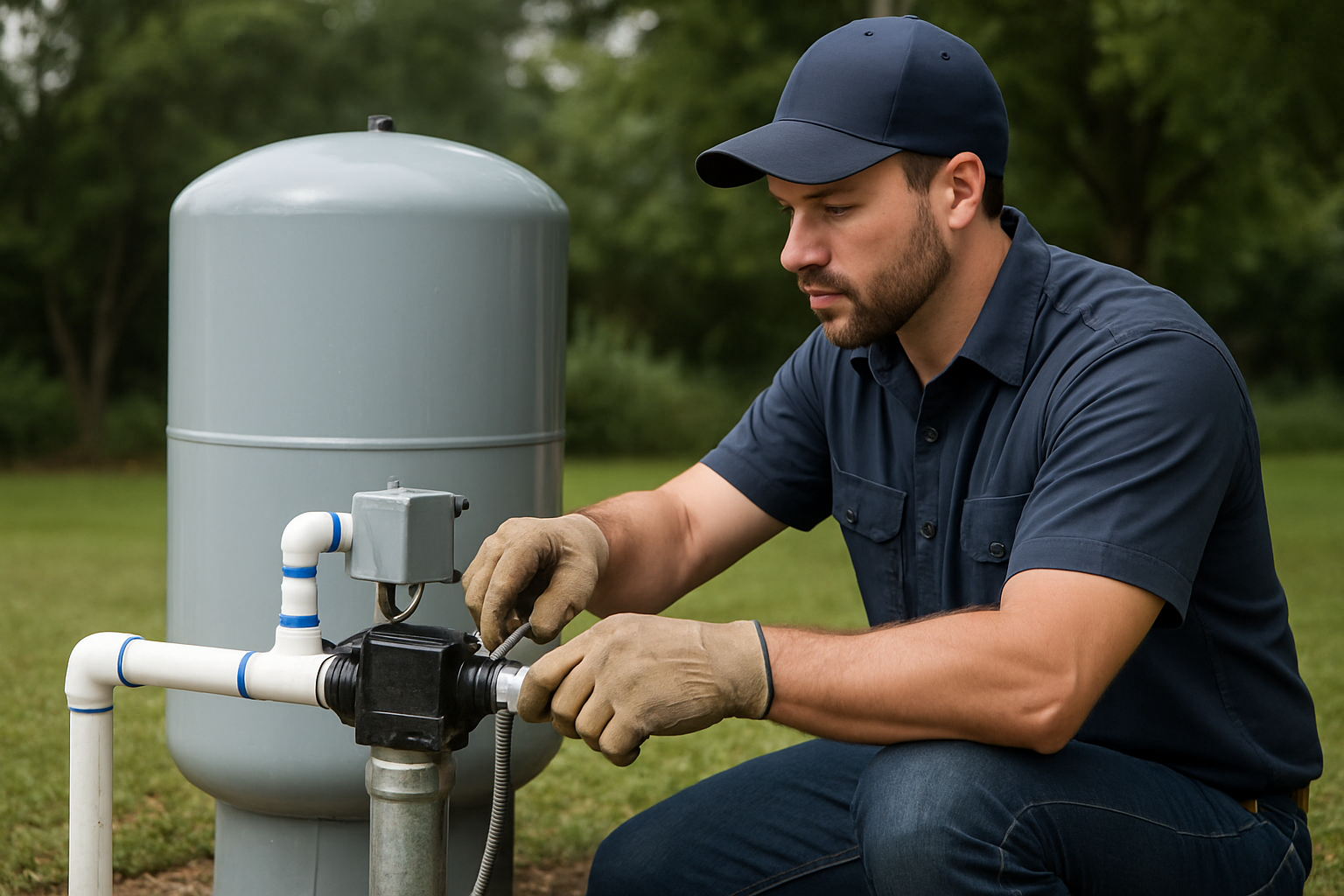
Well Maintenance Guide
Keep your well running smoothly with regular maintenance.
Our Locations
1077 Main St, Ramona, CA 92065
57174 CA-371 (US Hwy 79), Anza, CA 92539
Hydrofracturing for Wells in the Banning Pass
The Banning Pass, part of the larger San Gorgonio Pass in Riverside County, threads between the towering San Bernardino Mountains to the north and the San Jacinto Mountains to the south, with peaks rising nearly 9,000 feet on either side. Communities here, Banning, Beaumont, Cabazon, and the bench lands above them, sit in a structurally complex basin where the San Andreas and San Jacinto fault systems meet. Groundwater has long been the primary source of water for homes, ranches, and businesses through the Pass. When a well in this area loses yield, hydrofracturing is often an effective way to restore flow, especially given the fractured mountain rock that frames the basin.
The geology of the Banning Pass is a tale of two settings. The valley floor is filled with younger sedimentary and surficial deposits, thick layers of sand, gravel, and cobbles washed down from the surrounding ranges, which form the main water-bearing units in the basin. Wells screened purely in this loose alluvium are generally not hydrofracturing candidates. But the Pass is flanked and underlain by the hard, fractured granitic and crystalline rock of the San Bernardino and San Jacinto Mountains, and the faulting that defines the area has shattered and fractured that bedrock extensively. Wells that reach this fractured bedrock, common on the benches and along the mountain margins above Banning, are excellent candidates, because high-pressure treatment can reopen and extend those fault-related fractures.
How Hydrofracturing Works
The technique uses clean water and pressure, never chemicals. Our crew lowers an inflatable packer into the well, seals off a target section of the borehole, and injects clean water at high pressure, typically 1,500 to 3,000 PSI and higher for deep, tight rock. In a well bottoming in fractured bedrock, that pressure drives into the existing cracks, flushing out clay, silt, and mineral scale and widening hairline fractures so they connect into a broader water-bearing network. Because the Pass sits in faulted, naturally fractured rock, there is often an extensive fracture system to work with. The packers let us isolate and target the most productive zone rather than wasting pressure on solid or unsuitable material. A treatment generally runs four to eight hours.
Two points reassure Banning Pass property owners. The process uses only clean water, with no chemicals or additives, so it cannot harm water quality, which matters in a basin actively managed for sustainability. And a careful evaluation up front confirms whether your well, given what it is finished in, will respond. We would rather tell you it is not a candidate than treat a well that cannot benefit.
What a Treatment Involves
- Baseline flow test to record current yield and static water level.
- Downhole camera inspection to confirm the completion and check casing integrity.
- Packer isolation and pressurization of the fractured bedrock zones worth targeting.
- Re-development and re-test to clear the well and measure the improvement.
Common Causes of Declining Yield in the Pass
Around the Banning Pass, low-yield calls usually come down to a few causes:
- Fracture plugging — fine sediment and mineral scale migrate into the fault-related fractures over years of pumping and slowly cut off flow.
- Water-level decline — sustained demand and dry years have lowered groundwater levels in parts of the basin, leaving some wells reaching for water.
- Bedrock wells with tight completions — a well that hit fractured rock but intersected only a few open fractures often responds dramatically to treatment.
- Seasonal and drought stress — hot Pass summers and dry winters concentrate demand when supply is tightest.
For declines driven by plugged or tight fractures in the bedrock, hydrofracturing can restore flow. For a well in loose valley alluvium simply outrun by a dropping water table, deepening or a new well may be the wiser choice, and our assessment will tell you which applies.
What to Check and Signs You May Need It
These symptoms point to a well running low rather than an equipment fault:
- Faucets spitting air during heavy household use.
- A pump running far longer than it once did, or short-cycling.
- Pressure that drops when multiple fixtures run at once.
- Sediment or cloudiness after a big draw that clears with rest.
- A recovery time that has lengthened compared with previous years.
Rule out simple causes first. A faulty pressure switch, a waterlogged tank, or a worn pump can all mimic a low-yield well. A proper diagnostic distinguishes a real supply shortfall from a mechanical problem and clarifies whether hydrofracturing is the right tool.
When to Call a Professional
Hydrofracturing relies on high-pressure equipment and a sound reading of the local geology, so it is a job for a licensed C-57 contractor, all the more so in a faulted, mixed basin like the Banning Pass, where the right call depends on what the well is finished in. Get in touch when your yield is clearly declining, when a recently drilled well underdelivered, or when you are deciding among rehabilitating, deepening, and drilling new.
Hydrofracturing Costs in the Banning Pass
For a good candidate, hydrofracturing typically runs $3,000 to $8,000, depending on depth, the number of zones treated, and access. A new turnkey well in this part of Riverside County generally runs $18,000 to $42,000, while deepening and rehabilitation vary with conditions. When related work is needed, a replacement pump runs $2,500 to $5,500, a pressure tank $600 to $1,500, and a pressure switch $150 to $350. Our diagnostic visit is $125 and is credited toward any work you authorize, a worthwhile first step because it tells you honestly whether your well will respond before any money goes toward the treatment.
How Hydrofracturing Compares to Other Options
In the Pass's mixed geology, choosing the right response matters. Hydrofracturing is the least invasive and least expensive option, and for a well tapping the area's fractured bedrock it can restore strong flow for far less than the alternatives. Deepening pushes the borehole lower to chase the water table or new water-bearing rock; it can be the right move when the table has fallen below an older well, but it costs more and is not guaranteed. A new well is the largest investment and is sometimes unavoidable, yet it should rarely be the first step when a candidate well can be rehabilitated for a fraction of the cost. Our diagnostic exists to identify which path fits your well before you commit to the work.
Serving the Banning Pass and All of Riverside County
Southern California Well Service brings founded in 2020, with 60+ years of family heritage to wells throughout the San Gorgonio Pass and the surrounding region. We serve the Banning Pass and the neighboring communities of Banning, Beaumont, and Cabazon, along with the rest of Riverside County, and our Anza office at 57174 CA-371 (US Hwy 79) keeps our crews close to the Pass. We are a licensed C-57 contractor, CSLB #1086994, with CSLB #1086994 and same-day emergency response when a property has lost water. We take a geology-first approach, recommending hydrofracturing only where the rock supports it and pointing you to the better option when it does not.
Frequently Asked Questions
Is my Banning Pass well a candidate for hydrofracturing?
It depends on the completion. Wells reaching the area's fractured granitic bedrock are excellent candidates; wells screened entirely in loose valley alluvium generally are not. A camera inspection confirms which yours is.
Does hydrofracturing use chemicals?
No. Only clean water under pressure is used, with no chemicals or additives, so there is no effect on water quality.
Does the faulting in the Pass help or hurt?
It generally helps. The San Andreas and San Jacinto fault systems have heavily fractured the bedrock around the Pass, which means there is often an extensive natural fracture network for a treatment to reopen and extend.
How long does the treatment take?
The treatment runs four to eight hours, with re-testing within 24 to 48 hours, so most wells return to service quickly.
Will it damage my casing?
No. We inspect the casing first and isolate the zone with packers, so pressure acts on the open rock below the casing rather than against the pipe.
How much could my yield improve?
For a good candidate in fractured bedrock, two to five times the pre-treatment flow is common, and we document the gain with before-and-after flow tests.
Get an Honest Assessment of Your Banning Pass Well
If your well in the Banning Pass is producing less than it should, call Southern California Well Service at (760) 440-8520 or text (760) 219-5877 for a diagnostic and a free estimate. We will tell you straight whether hydrofracturing fits your well or whether another solution makes more sense, with a clear recommendation backed by decades of work in the Pass.